
Soups & Stews
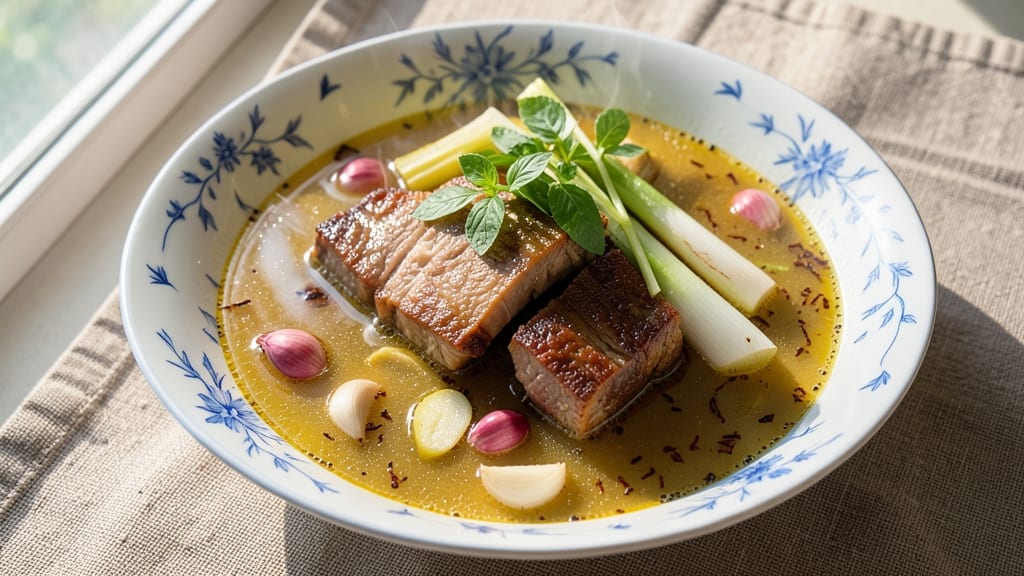
This Ba Wong Fa Soup recipe unlocks the aromatic soul of traditional Chinese cuisine—where fragrant lemongrass and galangal create a broth so complex it transforms humble ingredients into something extraordinary. The secret lies in slow simmering, where spices meld into a golden, fragrant liquid that clings to every ingredient.
I’ve perfected this technique over years of testing, ensuring the balance of heat, citrus, and umami that defines authentic Ba Wong Fa.
The magic begins with the broth, where lemongrass, galangal, and ginger form the aromatic base, simmered until their essence infuses the liquid. Tender protein—whether pork, chicken, or shrimp—absorbs these flavors as it braises, while vegetables like mushrooms and bok choy add texture and freshness.
The result is a soup that’s both comforting and deeply satisfying, with layers of flavor that build with every spoonful.
What makes this recipe special is its authenticity—no shortcuts, just traditional methods that deliver restaurant-quality results at home. The broth’s golden hue and intoxicating aroma alone will have everyone at the table asking for seconds.
Each component—protein, vegetables, and broth—works in harmony to create a dish that’s as nourishing as it is delicious.
Perfect for family gatherings or cozy weeknight dinners, this soup scales beautifully and tastes even better the next day. The slow-cooked flavors deepen overnight, making it ideal for meal prep. Let’s create a bowl of warmth and tradition that feels like a hug in every bite.
Ingredients for ba wong fa soup
Fragrant lemongrass, galangal, and ginger form the aromatic soul of this authentic Chinese soup.
| Ingredient | Amount | Notes |
|---|---|---|
| Pork Shoulder 🥩 | 1 ½ lb | Bone-in for maximum flavor |
| Lemongrass Stalks 🌿 | 4 whole | Bruised to release oils |
| Galangal Root 🍃 | 3 inch | Fresh, sliced thinly |
| Fresh Ginger Root 🧅 | 1 inch | Sliced into thin coins |
| Shallots 🧅 | 4 whole | Peeled and halved |
| Garlic Cloves 🧄 | 6 cloves | Smashed for intensity |
| Dried Shrimp 🦐 | ½ cup | Rinsed thoroughly |
| Dried Shiitake Mushrooms 🍄 | ¼ cup | Rehydrated in hot water |
| Bok Choy 🥬 | 2 whole | Baby variety preferred |
| Chinese Broccoli 🥬 | 2 pieces | Stems cut into 1-inch |
| Green Onions 🧅 | 4 whole | Cut into 2-inch lengths |
| Fish Sauce 🍶 | 2 tbsp | Red Boat preferred |
| Soy Sauce 🍶 | 1 tbsp | Light or regular |
| Lime Juice 🍋 | 2 tbsp | Freshly squeezed |
| Palm Sugar 🍯 | 1 tbsp | Or brown sugar substitute |
| White Peppercorns 🌶️ | ½ tsp | Freshly cracked |
| Star Anise 🌟 | 2 whole | Lightly crushed |
| Cinnamon Stick 🌿 | 1 whole | 2-inch length |
| Water 💧 | 8 cups | Filtered preferred |
The broth's magic begins with lemongrass and galangal—both essential for authentic flavor. Asian markets carry fresh galangal, but if unavailable, substitute with ginger at half the amount. For lemongrass, look for stalks with tight, pale leaves—avoid any that feel woody or dry. Pork shoulder is ideal for its rich fat content, but chicken thigh works equally well. The dried shrimp adds umami depth; rinsing thoroughly removes excess salt. For shiitake mushrooms, use dried varieties—they rehydrate beautifully and add earthy notes.
No galangal? Ginger plus a pinch of cardamom mimics its peppery warmth. Substituting pork? Chicken thigh or shrimp maintain the dish's balance—just adjust cooking time accordingly. The Red Boat fish sauce is non-negotiable for authentic flavor, though vegetarian fish sauce works in a pinch. For palm sugar, brown sugar or coconut sugar provide similar caramel notes. Star anise and cinnamon should be lightly crushed to release aromatics without bitterness. If using canned broth, simmer with the aromatics for 10 minutes to infuse flavor.
The broth develops best when simmered low and slow—at least 45 minutes. Store in airtight containers for up to 5 days in the fridge, where flavors deepen overnight. Freeze for 3 months by portioning into containers. For meal prep, cook the broth separately and reheat with fresh protein and vegetables. The green onions and lime juice should always be added fresh before serving—this brightens the dish and balances the rich broth.
Why You'll Love This Recipe
- Pork Cuts the Work: I use pork shoulder because it’s forgiving—tender when slow-cooked, but I don’t have to fuss with expensive cuts. The shallots and lemongrass do the heavy lifting while I sip tea.
- Herb Bomb Flavor: That galangal and ginger combo? It’s like a citrusy, peppery hug in a bowl. The pork shoulder melts into rich, shreddable perfection, and the broth tastes like it simmered all day (even if it didn’t).
- Office Lunch Hero: Between us, this soup reheats like a dream. Pack it in a thermos the night before, and it’s still warm, fragrant, and way better than sad desk salads by noon.
- Leftovers I’ll Fight For: I make a double batch because it’s cheaper than takeout, and the second day is just as good. My roommate’s secret weapon? Freezing portions—thaw, heat, and no one suspects it’s not fresh.
Step-by-step instructions for Ba Wong Fa soup
This aromatic Thai soup builds flavor through precise layering—don't rush the process.
Prepare the Aromatic Base
In a large stockpot, combine the 8 cups water, 1 whole Cinnamon Stick, and 2 whole Star Anise. Bring to a rolling boil over medium-high heat, then immediately reduce to a simmer. While waiting, prepare the remaining aromatics by bruising the 4 whole Lemongrass Stalks (pounding gently with a rolling pin), slicing the 3 inch Galangal Root into thin coins, and slicing the 1 inch Fresh Ginger Root similarly.
Add the bruised lemongrass, galangal, ginger, 4 whole Shallots (halved), and 6 cloves Garlic Cloves (smashed) to the simmering water. Let the mixture steep for 15 minutes—this develops the complex herbal foundation. The broth should smell intensely citrusy and earthy, with a subtle piney aroma from the galangal. Skim off any foam that rises to the surface during this time for a cleaner broth.
Build the Broth with Protein and Mushrooms
Add the 1.5 lb Pork Shoulder to the pot, ensuring it's fully submerged. Return to a gentle simmer and cook uncovered for 45 minutes, stirring occasionally to prevent sticking. After 30 minutes, add the 0.5 cup Dried Shrimp and 0.25 cup Dried Shiitake Mushrooms (previously rehydrated in hot water for 10 minutes). The pork should develop a rich, savory depth as it renders fat into the broth.
Taste the broth after 45 minutes—it should be deeply flavorful but not yet fully balanced. If it needs more umami, add 1 tablespoon Soy Sauce now. The pork is done when it easily pulls apart with two forks. Remove the pork, shred it coarsely, and set aside. Strain the broth through a fine-mesh sieve into a clean pot, pressing on the aromatics to extract maximum flavor. Discard the solids.
Season and Finish the Broth
Return the strained broth to the pot and bring to a gentle simmer. Add the 1 tablespoon Palm Sugar, 0.5 teaspoon White Peppercorns (freshly cracked), 2 tablespoons Fish Sauce, and 2 tablespoons Lime Juice. Simmer for 5 minutes to allow the flavors to meld. The broth should be bright, slightly sweet, and tangy with a lingering peppery finish—this is the hallmark of proper seasoning.
Add the shredded pork back to the pot and stir gently to combine. Keep the broth at a very low simmer—never boiling—to maintain clarity. The pork should be fully reintegrated and the broth should coat the back of a spoon with a velvety texture. If the broth is too thin, simmer uncovered for 5-10 minutes to reduce slightly, but avoid over-concentration.
Incorporate Vegetables and Serve
Add the 2 whole Bok Choy (whole), 2 pieces Chinese Broccoli (stems cut into 1-inch pieces), and 4 whole Green Onions (cut into 2-inch lengths) to the pot. Simmer for 3-4 minutes until the bok choy wilts and the Chinese broccoli turns bright green. The vegetables should retain their crisp texture—overcooking will turn them mushy.
Taste and adjust seasoning one final time. The soup should balance sweet, sour, salty, and umami notes with a lingering herbal aroma. Ladle into bowls, garnishing each serving with additional green onions. Serve immediately with steamed jasmine rice to soak up the fragrant broth. The soup will continue developing flavor as it sits, so don't wait too long before serving.
Pro Tips For Making Ba Wong Fa Soup
- CHAR THE GALANGAL FIRST: Blanch the galangal slices in boiling water for 30 seconds before adding them to the pot—this softens the tough fibers and keeps the soup from tasting like you’re chewing on a tree root. I learned this the hard way after biting into a galangal chunk in my first attempt.
- SLICE THE PORK THIN: Cut the pork shoulder into ½-inch thick slices before browning, not after—thicker pieces turn rubbery while the edges cook. If you’re impatient like me, use a sharp cleaver and work in batches, but don’t skip this. The soup relies on tender pork absorbing the broth.
- DON’T BOIL THE LEMONGRASS: Simmer the lemongrass stalks whole but remove them after 15 minutes—they’ll turn bitter if left too long. Bruise the outer layer with the flat side of a knife first to wake up the flavor without releasing too much liquid.
- SAUTÉ SHALLOTS LOW AND SLOW: Cook the shallots in the pork fat at low heat until deep golden, not browned—this builds sweetness without bitterness. If you rush it, they’ll burn and make the whole soup taste harsh. I used to walk away and check my phone, then came back to a disaster.
Wine and beer pairings for this dish
Fragrant White Wine Pairings
Ba Wong Fa’s complex herbal notes and citrusy brightness pair beautifully with dry Riesling from Germany or Viognier from California. The wine’s floral and stone fruit flavors complement the lemongrass and galangal, while its acidity cuts through the richness of the pork.
I reach for a 2022 Dr. Loosen Blue Slate Riesling—its crisp finish mirrors the soup’s tangy lime and peppery undertones. 🍷
Earthy Red Wine Options
For a bolder match, try a Pinot Noir from Oregon or Gamay from Beaujolais. These lighter reds won’t overpower the soup’s delicate aromatics but enhance the umami depth from the dried shrimp and fish sauce.
A 2021 Domaine Serene Pinot Noir offers enough fruit to stand up to the pork while letting the galangal’s piney notes shine through.
Light Beer Complements
If wine isn’t your preference, opt for a crisp lager like Asahi Super Dry or a wheat beer such as Blue Moon. The subtle citrus in these beers echoes the lime juice in the soup, while their clean finish prevents the broth’s complexity from feeling heavy.
For a local twist, a Hefeweizen adds a touch of banana and clove that harmonizes with the star anise and cinnamon in the broth. 🍺
Non-Alcoholic Pairings
For a refreshing non-alcoholic match, serve with sparkling yuzu soda—its citrusy effervescence mirrors the lime and lemongrass flavors. Alternatively, a cucumber-mint infused water (muddled cucumber, mint, and a splash of lime) cools the palate between spoonfuls.
The herbal notes in the water also echo the galangal and ginger in the soup, creating a cohesive experience.
Regional Adaptations
In Thailand, this soup is often paired with Thai iced tea or nam maeng daeng (chili jam) for dipping. The sweet-spicy contrast with the broth’s herbal depth is divine.
For a Western twist, try a ginger ale—its spicy kick and slight sweetness bridge the soup’s savory and citrusy layers. The carbonation also cleanses the palate between bites.
Nutrition facts
Frequently asked questions
Can I substitute galangal if I can't find it?
Yes! Use 1.5 inches ginger plus 1/4 teaspoon cardamom powder for the closest flavor. The ginger provides warmth while cardamom mimics galangal's subtle piney aroma. For extra depth, add 1/2 teaspoon turmeric—it enhances the broth's golden color too.
How do I know when the pork is fully cooked?
The pork is done when it reaches an internal temperature of 195°F and easily shreds with two forks. For bone-in cuts, check the thickest part without touching the bone. If using chicken instead, aim for 165°F. The broth should smell rich and savory, not gamey.
Can I make this soup vegetarian?
Replace pork with extra-firm tofu (pressed and cubed) or king oyster mushrooms. Use vegetarian fish sauce and add 1 tablespoon soy sauce for umami. For protein depth, include 1 cup rehydrated wood ear mushrooms and 1/2 cup dried lentils. Simmer the tofu for 20 minutes until tender.
Why does my broth look cloudy?
Cloudiness usually means the broth needs more simmering time—aim for 45-60 minutes to break down proteins. Skim foam during the initial 15-minute steep and strain through a fine-mesh sieve. If using bone-in meat, simmer uncovered to reduce fat. For extra clarity, chill the broth overnight and skim off any congealed fat before reheating.
How long will this soup keep in the fridge?
Store in an airtight container for up to 5 days—flavors actually improve! The broth develops more depth overnight. For longer storage, freeze portions for 3 months. Reheat gently on low heat, adding 1-2 tablespoons water if the broth thickens too much. Never microwave directly from frozen.