
Soups & Stews
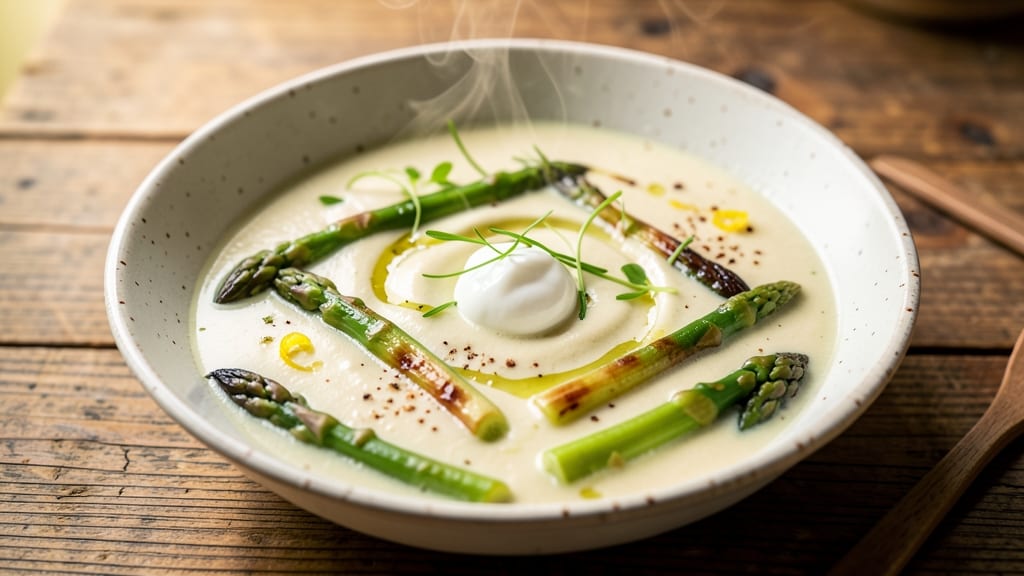
Jamie Oliver's asparagus soup delivers that velvety, restaurant-worthy texture we all crave—creamy yet light, with bright asparagus flavor and a fresh herb finish. The secret lies in roasting the asparagus first to deepen its natural sweetness, then blending it with a fragrant shallot base and velvety cream.
This isn't your childhood canned-soup version; it's a sophisticated starter that feels like a hug in a bowl.
What sets this recipe apart is Jamie's signature technique of balancing rich cream with sharp lemon zest and fresh herbs, preventing any heaviness. The soup simmers gently to develop depth while maintaining that signature silky smoothness—no lumps, no bitterness, just pure comfort.
Even better, it comes together in under an hour with simple pantry staples and seasonal vegetables.
The result is a soup so luxuriously smooth it'll fool anyone into thinking you spent hours in the kitchen. The roasted asparagus purée forms the base, while a final swirl of crème fraîche and sprinkle of chives adds that professional chef's touch.
It's the kind of dish that makes weeknight dinners feel special without requiring fancy ingredients.
Perfect for spring menus, garden parties, or when you want to impress guests with minimal effort. The recipe scales beautifully too—double it for leftovers that reheat just as beautifully. Let's get cooking!
Ingredients for asparagus soup recipe jamie oliver
Roasted asparagus, aromatic shallots, and velvety cream come together for Jamie's signature silky soup.
| Ingredient | Amount | Notes |
|---|---|---|
| Fresh Asparagus 🌱 | 1 ½ lb | Trimmed, tough ends removed |
| Yellow Onion 🧅 | 1 whole | Medium size, finely chopped |
| Shallots 🧄 | 4 cloves | Minced for aromatic base |
| Extra-Virgin Olive Oil 🫒 | ¼ cup | For roasting asparagus |
| Heavy Cream 🥛 | 1 cup | Full-fat for richness |
| Vegetable Stock 💧 | 4 cups | Homemade or low-sodium |
| Fresh Lemon 🍋 | 1 whole | Zest only, no pith |
| Fresh Chives 🌿 | ¼ cup | Chopped for garnish |
| Fresh Dill 🌿 | ⅛ cup | Chopped, optional but recommended |
| Crème Fraîche 🧀 | ¼ cup | For final swirl |
| Salt 🧂 | 1 ½ tsp | Diamond Crystal preferred |
| Ground Black Pepper 🌶️ | ½ tsp | Freshly ground |
| Garlic Cloves 🧄 | 2 cloves | Minced for depth |
The asparagus is the star—farmers market stalks have the best flavor, but grocery store bundles work too (just trim the tough ends). Roasting them first brings out their natural sweetness, which is key for that restaurant-quality depth. Whole Foods or local markets often carry thicker spears, but any fresh asparagus will do. For the shallots, French shallots have a milder taste, but regular grocery store shallots are fine. The garlic and onion build the aromatic base, so don't skip mincing them finely—this is where the soup's complexity lives.
No heavy cream? Coconut cream works but tastes different, or use half-and-half for a lighter version. Fresh herbs are ideal, but dried dill at one-third the amount gets you close in a pinch. The vegetable stock can be store-bought, but homemade or low-sodium options prevent salt overload. For the crème fraîche, sour cream in a bind, but it won't be as tangy. The lemon zest is non-negotiable—it brightens the whole dish. If you're short on time, bottled lemon juice works, but fresh zest adds that pro-level finish.
This soup tastes even better the next day—reheats beautifully with a splash of water or stock. Store in airtight containers for 4-5 days in the fridge, or freeze for 3 months. I always double the batch because it disappears fast. Garnish with extra chives and a drizzle of olive oil right before serving—that final touch makes all the difference. Leftovers? Blend again briefly for extra smoothness.
Why You'll Love This Recipe
- No Chopping Chaos: I swear by this recipe because it’s the only soup where I can use asparagus spears straight from the bunch—tough ends trimmed, no dicing, no fuss. The shallots and onion caramelize in the olive oil while I’m still washing the asparagus, so it’s basically hands-off after that.
- Creamy Without Cloying: That heavy cream might sound heavy-handed, but Jamie’s method balances it with bright asparagus and a whisper of lemon zest—trust me, it’s luscious without being sickening. The olive oil finish ties it all together in a way that feels luxurious, not indulgent.
- Lunch or Dinner: Honestly, this soup is my weeknight lifesaver. Serve it chilled with a poached egg for brunch, or warm it up with crusty bread and a sprinkle of Parmesan for a cozy dinner. It’s that adaptable—and always disappears fast.
- Leftovers That Don’t Suffer: Between us, most soups turn into sad, watery memories by day two. Not this one. The asparagus holds its texture, the cream stays rich, and the flavor only deepens. I’ve reheated portions for three days straight, and it’s still the star of my lunchbox.
Step-by-step instructions for Jamie Oliver's asparagus soup
Here's how to make this velvety asparagus soup with a bright, herby finish—simple steps for restaurant-quality results.
Roast the Asparagus for Deep Flavor
Preheat your oven to 400°F and line a baking sheet with parchment paper. Trim the tough ends from the 1.5 lb fresh asparagus and toss the spears with 1 tablespoon of the extra-virgin olive oil, ½ teaspoon salt, and ¼ teaspoon black pepper. Spread them in a single layer on the baking sheet.
Roast for 15-20 minutes until the asparagus is tender and slightly charred at the edges. You'll know it's done when the tips curl and the spears yield slightly to gentle pressure. This roasting step develops a nutty depth that transforms the soup from ordinary to extraordinary.
Build the Aromatic Base
While the asparagus roasts, heat the remaining 0.125 cup extra-virgin olive oil in a large pot over medium heat. Add the finely chopped yellow onion and minced shallots, cooking for 5-6 minutes until softened and translucent. Stir in the 2 minced garlic cloves and cook for another 30 seconds until fragrant.
This aromatic base forms the flavor foundation of your soup. Don't rush this step—you want the onions to caramelize slightly, which adds sweetness that balances the earthy asparagus. If they start to brown too quickly, reduce the heat to medium-low to prevent burning.
Simmer the Soup Until Silky
Add the roasted asparagus to the pot along with the 4 cups vegetable stock. Bring to a gentle boil, then reduce heat to medium-low and let it simmer for 10-12 minutes until the asparagus is completely tender. Use an immersion blender to purée the soup directly in the pot until completely smooth—no lumps allowed.
For the smoothest texture, work in batches if needed. The soup should be velvety with no visible asparagus pieces. If it's too thick, add a splash of water or stock to reach your desired consistency. Taste and adjust seasoning with more salt or black pepper as needed.
Finish with Cream and Bright Herbs
Return the soup to a gentle simmer and stir in the 1 cup heavy cream. Cook for 2-3 minutes until heated through but not boiling—this prevents the cream from curdling. Zest the whole fresh lemon (using only the yellow part, no white pith) and stir it into the soup along with the chopped fresh dill.
The lemon zest adds a bright, citrusy note that cuts through the richness of the cream, while the dill provides a fresh herbal finish. Taste again and adjust seasoning if needed. The soup should be creamy, flavorful, and perfectly balanced—not too heavy, not too acidic.
Serve with Crème Fraîche and Fresh Chives
Ladle the soup into bowls and swirl in a spoonful of crème fraîche for each serving. Garnish with the chopped fresh chives and an additional twist of lemon zest if desired. The crème fraîche adds a tangy richness that complements the silky texture, while the chives provide a fresh, oniony note.
Serve immediately while warm. The contrast between the velvety soup, the bright herbs, and the cool crème fraîche makes each spoonful a perfect balance of textures and flavors. This soup tastes even better the next day, so consider making a double batch for leftovers!
Pro Tips For Making Asparagus Soup Recipe Jamie Oliver
- Trim Those Tough Bottoms: Jamie’s recipe calls for asparagus spears, but if you’re using thicker stalks, shave off the woody bottom inch with a vegetable peeler—no need to peel the whole thing. I used to ignore this and ended up with a soup that felt like chewing on a twig.
- Sweat, Don’t Burn: The onions and shallots need to soften, not brown. Keep the heat medium-low and stir every 30 seconds—if they start sticking, add a splash of water and let it evaporate first. After burning two batches, I finally accepted that patience here means flavor later.
- Strain Like a Pro: Don’t skip the fine-mesh strainer when blending the soup. I tried a regular slotted one once, and the texture was grainy enough to ruin the creamy finish. If you’re lazy, blend the soup first, then strain through a nut milk bag—it’s worth the extra 30 seconds.
- Salt the Cream: Season the heavy cream before adding it to the soup. A pinch of salt and a few grinds of black pepper make the finish richer—trust me, the difference is noticeable. I was skeptical until I tried it, and now I never skip it.
Health benefits of these flavors
Rich in Fiber
Asparagus is a fiber powerhouse, with about 3.6 grams per cooked cup—that's 14% of your daily needs in one serving. The fiber supports digestion and keeps you feeling full longer, making this soup a satisfying starter that won’t leave you hungry.
I’ve noticed my digestion improves when I include asparagus in meals, especially in spring when it’s at its peak. 🌱
Packed with Folate
One serving of this soup provides over 50% of your daily folate needs, a B-vitamin essential for cell growth and DNA synthesis. Folate is especially important during pregnancy, but everyone benefits from its energy-boosting properties.
The roasting process preserves these nutrients better than boiling, which is why Jamie Oliver’s method emphasizes roasting first. This makes the soup not just delicious but also a nutritional boost.
Vitamin K Boost
Asparagus is one of the best plant sources of vitamin K, with a single serving delivering more than 100% of your daily requirement. This vitamin plays a key role in blood clotting and bone health, helping maintain strong teeth and bones.
The bright green color of fresh asparagus is a dead giveaway for its high vitamin K content—so choose the freshest stalks you can find for maximum benefits.
Low-Calorie Comfort
At just around 120 calories per serving, this soup is a guilt-free way to enjoy a creamy, satisfying dish. The combination of asparagus, vegetable stock, and light cream keeps it light yet filling, perfect for those watching their calorie intake.
I love making this for lunch—it’s hearty enough to feel like a meal but won’t weigh you down for the rest of the day. The roasted asparagus adds depth without adding many calories, making it a smart choice.
Antioxidant-Rich
Asparagus contains glutathione, a powerful antioxidant that helps your body fight oxidative stress and inflammation. This compound is what gives asparagus its unique sulfur smell when cooked!
The roasting step in this recipe actually enhances the antioxidant properties, making every spoonful of this soup not just tasty but also packed with protective compounds. 💪
Hydration Helper
With over 90% water content, asparagus helps keep you hydrated while providing essential nutrients. The vegetable stock in this soup adds even more hydration benefits, making it a great choice for warm days or when you need a light but nourishing meal.
I often serve this soup as a starter before heavier dishes, and it leaves me feeling refreshed and satisfied without any heaviness. The bright lemon zest also adds a refreshing twist that keeps the palate feeling clean and light.
Nutrition facts
Frequently asked questions
Why roast the asparagus instead of boiling it?
Roasting intensifies the asparagus's natural sweetness and creates a deeper, nuttier flavor that transforms this into a restaurant-quality soup. The charred edges add complexity that boiling simply can't match. Plus, roasting preserves more nutrients than boiling—Jamie Oliver's method ensures you get both flavor and health benefits in every spoonful.
Can I make this soup without heavy cream?
For a lighter version, substitute with ½ cup coconut cream (for a dairy-free option) or ½ cup Greek yogurt mixed with ¼ cup milk. The texture will be slightly different but still delicious. If you prefer a richer alternative, ½ cup crème fraîche works beautifully too—just add it at the very end to maintain that signature velvety finish.
How do I prevent the soup from being too thick or too thin?
Start by blending the soup until completely smooth, then adjust consistency as needed. If too thick, stir in 1-2 tablespoons of warm vegetable stock at a time until reaching your desired texture. For extra richness, add a splash of heavy cream after blending. The key is to taste as you go—this soup should coat the back of a spoon but still flow easily. Pro tip: Let it sit for 5 minutes after blending before adjusting to allow flavors to meld.
What's the best way to store leftovers?
Store in an airtight container in the fridge for up to 4-5 days. Reheat gently on the stove with a splash of water or stock to restore creaminess. For longer storage, freeze for up to 3 months. Thaw overnight in the fridge—never microwave directly from frozen. The soup actually tastes better the next day as flavors deepen! Just give it a quick stir and add a pinch of salt if needed.
Can I add other vegetables to this recipe?
Yes! For extra depth, try adding ½ cup diced leeks or 1 small roasted carrot to the aromatic base. You could also blend in ½ cup steamed cauliflower for a lighter texture. Just remember that asparagus is the star—keep any additions to 20% of the total vegetable content to maintain the signature flavor profile. The key is balance, so taste as you go and adjust seasoning accordingly.