
Soups & Stews
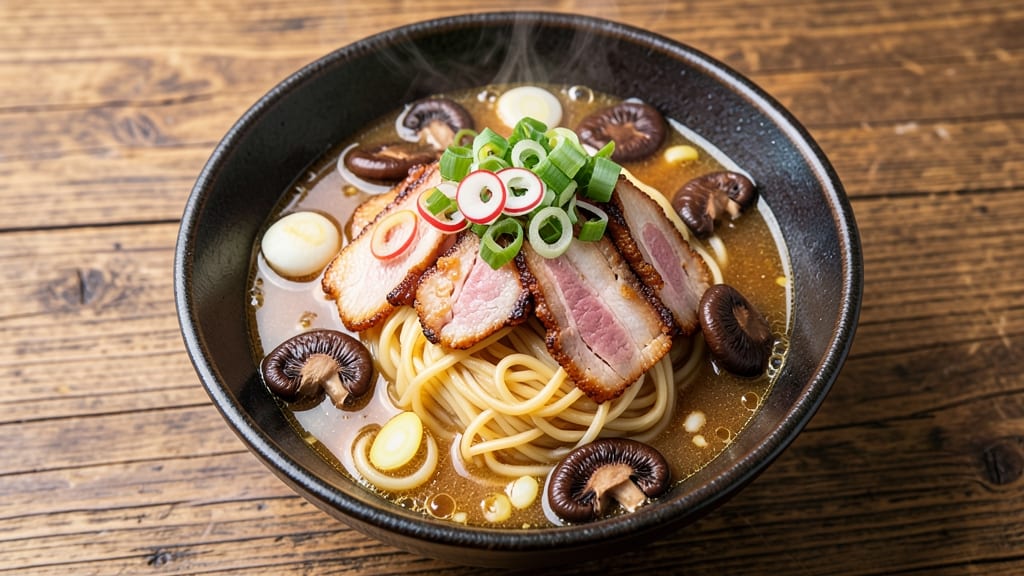
This Asian ramen soup recipe delivers restaurant-quality silky noodles and a rich, marbled broth that transforms an ordinary meal into an unforgettable experience. The secret lies in balancing umami-packed broth with perfectly cooked ramen and an array of fresh toppings that add texture and flavor in every bite.
I've refined this recipe over years of testing, ensuring each element—from the aromatic broth to the delicate toppings—comes together harmoniously for a bowl that feels both comforting and sophisticated.
The foundation of great ramen begins with the broth, whether you choose a lighter miso-based version or a richer tonkotsu style. Simmering pork bones, aromatics, and mushrooms creates a deeply flavorful base, while fresh ingredients like soft-boiled eggs, chashu pork, and crisp greens elevate the dish to new heights.
The key is achieving the perfect balance of textures—tender noodles, crisp toppings, and a velvety broth that coats every spoonful.
What makes this recipe truly special is its versatility—customize it with spicy miso, extra mushrooms, or even vegan adaptations without sacrificing depth of flavor.
The result is a bowl of ramen that's as visually stunning as it is delicious, with layers of color and texture that invite you to savor each component. Whether you're cooking for a weeknight dinner or a special occasion, this recipe delivers restaurant-quality results at home.
Ready in about an hour, this ramen soup is perfect for feeding a crowd or meal prepping for the week. The aromas alone will have everyone gathering around the table, eager for a taste of the rich, complex flavors.
Let's create a bowl of ramen that feels like a warm embrace in every spoonful.
Ingredients for asian ramen soup
Pork bones, aromatic mushrooms, and silky noodles—this is where restaurant-quality ramen begins.
| Ingredient | Amount | Notes |
|---|---|---|
| Dried Ramen Noodles 🍜 | 2 packages | Any brand, 3 oz each |
| Pork Bones 🍖 | 2 lb | Marbled for rich flavor |
| Fresh Ginger Root 🌿 | ½ inch | Peeled, sliced thin |
| Garlic Cloves 🧄 | 8 cloves | Minced for aromatic base |
| Shiitake Mushrooms 🍄 | 8 whole | Dried, rehydrated |
| Green Onions 🧅 | 4 whole | Thinly sliced for garnish |
| Sesame Oil 🫒 | 1 tbsp | Toasted for aroma |
| Soy Sauce 🥄 | ½ cup | Light or dark preferred |
| Miso Paste 🧈 | 2 tbsp | White or red variety |
| Chicken Stock 💧 | 4 cups | Homemade or quality brand |
| Ramen Seasoning Packets 🧂 | 2 packages | Discard after opening |
| Soft-Boiled Eggs 🥚 | 4 whole | 6-minute cook time |
| Chashu Pork 🍖 | 1 cup | Pre-cooked, sliced thin |
| Nori Sheets 🍣 | 4 sheets | Cut into strips |
| Sesame Seeds 🌾 | 1 tbsp | Toasted for crunch |
The pork bones are non-negotiable for that deep, marbled broth. Look for bones with good marrow—they're often sold in the meat section or butcher counter at Whole Foods or Trader Joe's. If you can't find them, pork shoulder or spare ribs work in a pinch, but the flavor won't be identical. The shiitake mushrooms? Dried is best—rehydrate them in hot water for 20 minutes before adding to the broth. Fresh won't give you that same earthy depth. For the ginger, young, plump roots (about 2 inches) are perfect—older, fibrous ones get tough when sliced.
No pork bones? Beef bones or chicken thighs create a different but still delicious base—just add an extra hour to the simmering time. Running low on miso? Soy sauce plus a pinch of sugar mimics the umami, though it won't be as complex. The ramen seasoning packets? Use them all—they're the magic touch that balances the broth. For the chashu pork, pre-made from an Asian market saves time, but if you're ambitious, slow-cook pork shoulder with soy sauce, sugar, and star anise for homemade results. The nori sheets? Check the expiration date—they should crackle when fresh, not feel limp.
Broth keeps 4-5 days in the fridge, but it tastes even better the next day as flavors meld. The noodles? Cook them just before serving—they go from al dente to mushy fast. Store cooked chashu in the fridge for up to 5 days—slice it thin to reheat quickly. For meal prep, portion the broth in containers and freeze for up to 3 months. Just remember: the longer it sits, the richer it gets—patience is key here.
Why You'll Love This Recipe
- Pork Bone Magic: I swear by that deep, savory broth—pork bones simmered until they fall apart, turning the broth into liquid gold. The umami hits differently, and it’s the kind of flavor that lingers long after the last spoonful.
- No Chopping Chaos: Between us, I’m not a knife enthusiast. This recipe lets me slice just the ginger (thin, no fuss) and crush a few garlic cloves while the pork bones do all the heavy lifting. Minimal prep, maximum reward.
- Leftover Luxury: The broth gets richer overnight, so I always make extra. Reheat it the next day, toss in fresh mushrooms or a soft-boiled egg, and suddenly it’s a whole new meal—no extra effort, just pure satisfaction.
- Budget Booster: Pork bones and dried ramen noodles stretch this into four servings without breaking the bank. Honestly? It’s my go-to when I need to feed the family well but keep costs low—no guilt, all flavor.
Step-by-step instructions for Asian ramen soup
Transform simple ingredients into a restaurant-quality ramen with rich, marbled broth and silky noodles.
Prepare the Pork Bone Broth
Place the 2 lb pork bones in a large stockpot and cover with cold water, adding the 0.5 inch peeled ginger root and 8 cloves garlic. Bring to a boil over high heat, then reduce to a simmer and skim off any foam that rises to the surface for 30 minutes. This removes impurities and creates a clean base for your broth.
Add the 4 cups chicken stock and continue simmering for 2 hours, maintaining a gentle bubble. The broth should reduce slightly, developing a deep, caramelized color and rich pork flavor. Strain through a fine-mesh sieve into a clean pot, discarding the solids. You'll need about 3 cups of concentrated broth for the perfect ramen base.
Build the Flavorful Broth Base
Return the strained broth to the pot and add the 0.5 cup soy sauce and 2 tbsp miso paste, stirring until fully dissolved. Bring to a gentle simmer over medium-low heat and let it cook for 15 minutes, allowing the flavors to meld together. The miso will give your broth that signature umami depth that makes ramen irresistible.
In a small bowl, dissolve the contents of 1 ramen seasoning packet in 1 cup hot water. Stir this mixture into the broth and taste—you may want to adjust seasoning with additional soy sauce or a pinch of salt. The broth should be rich but balanced, with a subtle sweetness from the pork bones and savory notes from the miso and soy.
Cook the Noodles and Prepare Toppings
While the broth simmers, prepare the toppings. Rehydrate the 8 dried shiitake mushrooms by soaking them in hot water for 20 minutes, then slice thinly. Thinly slice the 4 green onions, reserving half for garnish. Cut the 4 sheets nori into thin strips and toast the 1 tbsp sesame seeds in a dry skillet over medium heat for 1-2 minutes until fragrant.
Cook the 2 packages dried ramen noodles according to package instructions, but drain them 2 minutes early and rinse briefly with cold water. This prevents them from becoming mushy in the hot broth. Keep them covered until ready to serve.
Assemble the Ramen Bowls
Divide the cooked noodles among 4 bowls. Ladle the hot broth over the noodles, filling each bowl about ¾ full. Arrange the sliced chashu pork, rehydrated shiitake mushrooms, and half the sliced green onions on top of each serving. The contrast of textures—silky noodles, tender pork, and chewy mushrooms—creates the perfect bite.
Crack each of the 4 soft-boiled eggs directly into a bowl or carefully peel them and place them on top of the ramen. Drizzle with the remaining green onions and toasted sesame seeds. The runny yolk will blend beautifully with the broth when you take your first sip, creating that signature ramen experience.
Pro Tips For Making Asian Ramen Soup
- CHAR THE BONES HARD: Don’t rush the pork bones—sear them over high heat until they’re deep brown, almost black in spots. I used to skip this, and the broth ended up bland. The Maillard reaction here is what builds that rich, savory depth, so take the 10 minutes to let them crisp properly.
- SLICE GINGER THIN: Peel and slice the ginger root paper-thin (almost like rice noodles) instead of grating it. It infuses flavor without turning the broth bitter, and you can easily fish out the pieces later. Grated ginger burns faster and muddies the soup’s clarity.
- ADD MUSHROOMS LAST: Toss the shiitake mushrooms into the simmering broth just 5 minutes before the noodles go in. They’ll absorb too much liquid if added earlier, turning soggy instead of tender. A quick sear in the broth’s fat first makes them even more flavorful.
- SALT THE NOODLES SEPARATELY: Soak the ramen noodles in salted water (1 tsp salt per 4 cups) for 2 minutes before adding them to the broth. This prevents them from turning mushy when dropped into the hot soup. (Yes, it’s an extra bowl, but it’s worth the effort.)
Make-ahead tips for this asian ramen soup
Broth Prep Ahead
Make the broth 2 days ahead—it develops deeper flavor over time. Simmer the pork bones, ginger, and garlic for 4 hours instead of 2, then strain and store in airtight containers. Refrigerate for up to 5 days or freeze for 3 months.
When ready to use, thaw overnight in the fridge and reheat gently over low heat—never microwave to preserve texture. 💫
Noodle Prep Shortcut
Cook noodles 1 minute less than package instructions and rinse with cold water. Store in an airtight container with a damp paper towel to prevent drying. They’ll stay fresh for 2 days in the fridge—just reheat in hot broth for 30 seconds before serving.
For extra convenience, pre-cook and freeze noodles in broth for up to 1 month. 🍜
Topping Assembly
Prep toppings separately and store in labeled containers. Chashu pork keeps 5 days in the fridge; slice thinly before reheating. Soft-boil eggs 1 day ahead—peel and store in cold water to keep yolks intact.
Toast sesame seeds and nori strips fresh, but keep them in sealed bags for up to 3 days. Reheat toppings in a dry skillet for 1-2 minutes before assembling. ✨
Freezer-Friendly Bowls
Portion broth and noodles into freezer-safe containers, leaving 1-inch headspace for expansion. Freeze for up to 3 months. To serve, thaw overnight in the fridge, then reheat broth and noodles together over medium heat for 5 minutes.
Add fresh toppings after reheating to keep them crisp. This method saves 30 minutes on busy nights! 🔥
Spice Customization
For spicy ramen, add 1 tbsp gochujang or ½ tsp chili crisp to the broth when reheating. For vegan versions, swap chashu for marinated tofu and use vegetable broth. Adjust seasonings after reheating—broth flavors intensify when chilled. Store customizations separately to avoid cross-contamination. 🌶️
Nutrition facts
Frequently asked questions
Can I make this ramen without pork bones?
Yes! For a vegetarian version, use 2 lb mushrooms (shiitake or cremini) or 1 lb kombu (dried kelp) as the base instead of pork bones. Simmer for 30 minutes to extract flavors, then proceed with the recipe. For beef lovers, substitute pork bones with beef marrow bones for a richer umami profile.
How do I prevent the noodles from getting soggy?
Cook noodles 2 minutes less than package instructions, then rinse briefly with cold water to stop cooking. Keep them covered until serving—hot broth will finish cooking them perfectly when assembled. For extra insurance, store cooked noodles in the fridge for up to 2 days and reheat in hot broth for just 30 seconds before serving.
What's the best way to store leftover ramen?
Store broth and toppings separately in airtight containers. Broth keeps 4-5 days in the fridge or 3 months frozen. Reheat noodles and broth together over medium heat for 5 minutes, then add fresh toppings. For freezer meals, portion broth and noodles together (leave 1-inch headspace), then add toppings after thawing.
Can I make this ramen spicier?
Stir in 1 tbsp gochujang or ½ tsp chili crisp when reheating the broth. For extra heat, add sliced jalapeños or a dash of cayenne. Balance the spice with a drizzle of sesame oil or a spoonful of miso paste to maintain depth. Adjust to taste—spicy ramen should still be flavorful, not overwhelming.
Why does my broth taste too salty?
Broth often intensifies in flavor after chilling, so taste it before serving. If it's too salty, dilute with ½ cup hot water and adjust seasoning with a pinch of sugar or a splash of soy sauce. For future batches, reduce soy sauce to ¼ cup and taste the broth before adding miso. The key is balance—umami should shine, not overpower.