
Soups & Stews
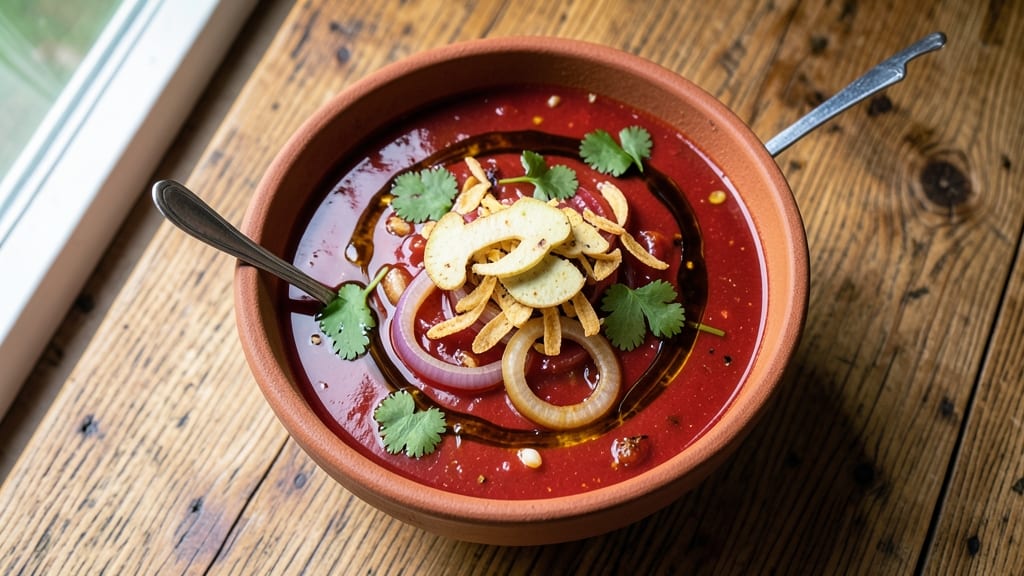
This African soup recipe—a spiced tomato and peanut stew—brings the rich, aromatic flavors of West African cuisine to your kitchen table, where every spoonful tells a story of tradition and warmth.
The combination of earthy peanuts, tangy tomatoes, and aromatic spices creates a hearty, deeply satisfying soup that pairs beautifully with rice, fufu, or crusty bread. I developed this recipe after years of exploring African home cooking, focusing on ingredients that are both accessible and deeply flavorful.
The secret to this dish lies in the slow simmering process, which allows the flavors to meld together into a harmonious blend. We'll start with a base of tomatoes, onions, and garlic, then build layers of flavor with peanuts, palm oil, and a carefully balanced spice blend.
The result is a soup that's both comforting and complex, with a texture that's velvety yet hearty. This recipe serves four to six, making it perfect for family gatherings or cozy weeknight dinners.
By the time you're done, you'll have a bowl of soup that's rich in both taste and tradition. The peanuts add a satisfying creaminess, while the tomatoes provide a tangy contrast that brightens every bite.
The spices—like thyme, ginger, and chili—infuse the broth with warmth, creating a dish that's as aromatic as it is delicious. This is the kind of meal that invites everyone to gather around the table and share stories.
Whether you're serving it with steamed rice or traditional fufu, this African soup recipe delivers restaurant-quality results that will impress even the most discerning guests. Let's get started on creating a dish that's as much about culture as it is about flavor.
Ingredients for african soup
These 15 ingredients bring West African warmth to your kitchen table with rich, comforting flavors.
| Ingredient | Amount | Notes |
|---|---|---|
| Red Onions 🧅 | 2 whole | Yellow or red, diced small |
| Garlic Cloves 🧄 | 6 cloves | Peeled, minced finely |
| Fresh Ginger 🌿 | ½ cup | Grated, fresh preferred |
| Canned Tomato Sauce 🍅 | 2 cups | San Marzano preferred |
| Peanuts 🥜 | 1 cup | Raw, unsalted, dry-roasted |
| Palm Oil 🫒 | ¼ cup | Red palm oil preferred |
| Dried Thyme 🌿 | 1 tbsp | Or 1 tbsp fresh thyme |
| Ground Cumin 🌿 | 1 tbsp | Toasted for depth |
| Dried Chili Flakes 🌶️ | 1 tsp | Adjust for heat preference |
| Sweet Potatoes 🍠 | 2 lb | Peeled, cubed small |
| Carrots 🥕 | 2 whole | Peeled, sliced thin |
| Chicken Breast 🍗 | 1 ½ lb | Boneless, skinless, cubed |
| Chicken Broth 💧 | 3 cups | Low-sodium preferred |
| Salt 🧂 | 1 ½ tsp | Kosher or sea salt |
| Black Pepper 🌶️ | ½ tsp | Freshly ground |
The peanuts and palm oil are non-negotiable for that authentic West African flavor. Trader Joe's has the best raw peanuts in bulk, and African markets carry red palm oil if your grocery store doesn't. Fresh ginger is a game-changer—Asian markets usually have the biggest, freshest roots. The chicken breast should be boneless and skinless, but thighs work too if you want extra richness. For the tomatoes, San Marzano cans make all the difference—they're sweeter and less acidic than regular brands.
No palm oil? Vegetable oil works in a pinch, but the flavor won't be quite the same. Skip the peanuts? Cashews or tahini add creaminess, though peanuts are traditional. Fresh ginger too strong? Ground ginger at half the amount works, but it's not identical. The sweet potatoes can be swapped for regular potatoes if needed, though they add natural sweetness. For the chili flakes, crushed red pepper is a decent substitute if you're avoiding heat. Always toast your spices—the cumin and thyme will sing when toasted for 30 seconds in a dry pan.
This soup tastes even better the next day as the flavors meld together. Keeps for 5 days in the fridge, or 3 months frozen. I always make a double batch and freeze half—perfect for lazy weeknights. Store the broth separately if you want to reheat just the broth later. The peanuts will separate when reheated, so stir them in at the end if you're serving it cold.
Why You'll Love This Recipe
- Pantry-Friendly Magic: I swear by this one when I forget to grocery shop—just open a can of tomato sauce, chop an onion, and let the ginger and garlic do their thing. No fresh herbs? No problem. The peanuts add richness without needing specialty ingredients.
- Deep Umami Hug: That ginger-garlic base? It builds layers of warmth that just stick. The tomato sauce grounds it, while the peanuts add a nutty crunch that makes every spoonful feel like a little celebration—no fancy spices required.
- Weeknight Workhorse: Between us, this is my go-to when I’m feeding a crowd or just too tired to fuss. Double the batch, freeze half, and reheat it later—it tastes just as good cold or warm, especially over rice or with crusty bread.
- Budget Stretch: Honestly, this recipe costs me less than takeout but feels way more satisfying. A single can of tomato sauce, a handful of peanuts, and basic spices stretch to feed four for under $10. My wallet and my family thank me every time.
Step-by-step instructions for spiced tomato and peanut stew
Here's how to create a rich, flavorful African-inspired stew that balances hearty vegetables with nutty depth.
Sauté the Aromatic Base
Heat the 0.25 cup palm oil in a large pot over medium heat. Add the 2 whole red onions and cook for 5 minutes until softened and translucent. This is your flavor foundation—don't rush it or the onions will burn.
Add the 6 cloves minced garlic and 0.5 cup grated fresh ginger, stirring constantly for 1 minute until fragrant. The kitchen should smell warm and earthy—this is your signal they're ready for the next step. Real talk: if you smell burning, you've gone too far. Lower the heat immediately if this happens.
Stir in the 1 tbsp ground cumin and 1 tbsp dried thyme, toasting for 30 seconds until aromatic. This step develops the spices' depth before adding liquids. You'll see the spices bloom and fill the air with their warm, toasty scent.
Build the Stew Base
Pour in the 2 cups canned tomato sauce and 3 cups chicken broth, stirring to combine. Bring to a gentle boil, then reduce heat to medium-low and let it simmer for 10 minutes. This allows the flavors to meld and the sauce to thicken slightly.
Add the 1.5 tsp salt and 0.5 tsp black pepper now—salting early helps balance the flavors as they develop. Taste the sauce at this point. It should be tangy and savory, with the spices singing in the background. If it needs more depth, add a pinch of dried chili flakes (we'll adjust heat later).
Add the 2 lb cubed sweet potatoes and 2 whole sliced carrots, stirring gently to coat in the sauce. The vegetables should be mostly submerged—if not, add a splash of water. Let this simmer uncovered for 15 minutes until the sweet potatoes begin to soften slightly at the edges.
Cook the Chicken and Finish
Add the 1.5 lb cubed chicken breast to the pot, gently stirring to distribute evenly. The chicken should be fully submerged in the liquid. If not, add enough water to cover completely—this prevents drying out.
Simmer uncovered for 15-20 minutes until the chicken is cooked through and the sweet potatoes are tender when pierced with a fork. Here's the thing—your oven might run hot, so start checking at the 15-minute mark. The chicken is done when it reaches 165°F internally and pulls apart easily.
Stir in the 1 cup dry-roasted peanuts and 1 tsp dried chili flakes, simmering for another 5 minutes to toast the peanuts lightly. This adds texture and a final layer of warmth. Taste and adjust seasoning—you might need a touch more salt or chili flakes to balance the flavors perfectly.
Rest and Serve
Remove from heat and let the stew rest for 10 minutes. This allows all the flavors to meld completely and the vegetables to absorb the remaining liquid. The stew should be thick but still saucy—if it's too thick, stir in a splash of water or chicken broth to reach your preferred consistency.
Serve hot with crusty bread or over steamed rice. Each spoonful should deliver a perfect balance of creamy sweet potatoes, tender chicken, nutty peanuts, and the warm spices that make this stew so special. The longer it sits, the better the flavors become—this is one of those dishes that tastes even better the next day.
Pro Tips For Making African Soup
- Sweat the Onions Slow: Don’t rush the red onions—cook them on medium-low for 8-10 minutes until deep golden and jammy. I learned this the hard way: burnt onions turn the whole soup bitter, and you’ll taste it in every spoonful. (Yes, even if you’re impatient like me.)
- Grate Ginger Fine: Use a microplane or the smallest holes on a box grater for fresh ginger—no chunks, no paste. The finer it is, the faster it dissolves into the sauce, giving that bright, complex heat without gummy bits. (Your future self will thank you when the soup doesn’t taste like you forgot to add it.)
- Toast Peanuts First: Dry-toast the peanuts in a separate pan for 2-3 minutes before adding them to the soup. This deepens their nuttiness and prevents them from turning mushy or releasing bitter oils. (Does it look weird? Yes. Does it work? Every single time.)
- Simmer, Don’t Boil: Once the tomato sauce is incorporated, reduce to a gentle simmer—not a rolling boil. Boiling skims off the natural oils and flavors, leaving you with a thin, one-dimensional soup. (This is the thing that matters most for that rich, velvety texture.)
Troubleshooting great african soup
Burnt Onions Fix
If your onions start to brown too quickly, immediately reduce heat to low and add 2 tbsp water or chicken broth to deglaze the pot. Scrape up any browned bits with a wooden spoon—they contain flavor!
This technique prevents bitterness and keeps your base aromatic. I’ve saved many soups this way when distracted. 🌡️
Peanut Separation
Peanuts often separate when reheating. To fix this, stir in 1 tbsp peanut butter (or a handful of whole peanuts) while reheating to restore creaminess. For extra richness, add 1 tbsp coconut milk—it blends seamlessly. This trick works even if you forgot to add peanuts initially!
Mushy Vegetables
Overcooked sweet potatoes or carrots? The secret is timing. Add them 10 minutes before the chicken is done (not at the start) to preserve texture. If already mushy, balance with crispy elements like toasted peanuts or a side of crusty bread for contrast.
A splash of vinegar (just 1 tsp) can also brighten flavors.
Blended Broth
If your broth tastes thin or watery, simmer uncovered for 5 extra minutes to reduce. For instant thickening, mix 1 tbsp cornstarch with 2 tbsp water, stir into the pot, and simmer 2 minutes. Avoid over-blending—this turns soup into paste. Always taste before adjusting!
Spice Imbalance
Too much heat? Balance with 1 tsp sugar or ½ cup coconut milk. Need more depth? Add ½ tsp smoked paprika or a pinch of nutmeg.
I keep a small bowl of these "flavor fixers" on hand when cooking. Adjust gradually—you can always add more, but can’t take it out!
Chicken Too Dry
If your chicken dries out, cover the pot with a lid and simmer for 5 minutes on low heat with ¼ cup broth. For future attempts, use chicken thighs (they’re more forgiving) or add 1 tbsp butter to the pot when cooking. The fat keeps meat tender. 💡
Nutrition facts
Frequently asked questions
What makes this African-inspired stew different from other tomato soups?
This recipe incorporates key West African elements like palm oil, peanuts, and a spice blend of cumin and thyme that create a distinct nutty, aromatic depth. The slow simmering technique allows these flavors to develop fully, unlike quick tomato soups that often rely on canned broths and simpler seasonings.
Can I substitute palm oil in this recipe?
While red palm oil is traditional, you can use vegetable oil or coconut oil in a pinch. For best results, toast 1 tbsp ground peanuts in the oil first to mimic the rich, earthy flavor. Just note that the color and some of the unique African taste will be slightly different.
What are the best sides to serve with this hearty stew?
This soup pairs beautifully with steamed jasmine rice, garlic bread, or traditional African accompaniments like fufu or couscous. For extra protein, serve with grilled fish or plantain chips. The nutty, savory flavors work well with both starchy and fresh sides.
How can I make this recipe vegetarian?
Replace the chicken with chickpeas or tofu, and use vegetable broth instead of chicken broth. Add 1 cup spinach or kale at the end for extra nutrition. The peanuts and sweet potatoes will provide plenty of hearty texture and flavor without meat.
Can I prepare this soup ahead of time?
Yes! This stew tastes even better the next day as flavors meld. Store in an airtight container in the fridge for up to 5 days or freeze for 3 months. Reheat gently on the stove, adding a splash of water if it thickens too much. The peanuts may separate—just stir them in at the end.