
Soups & Stews
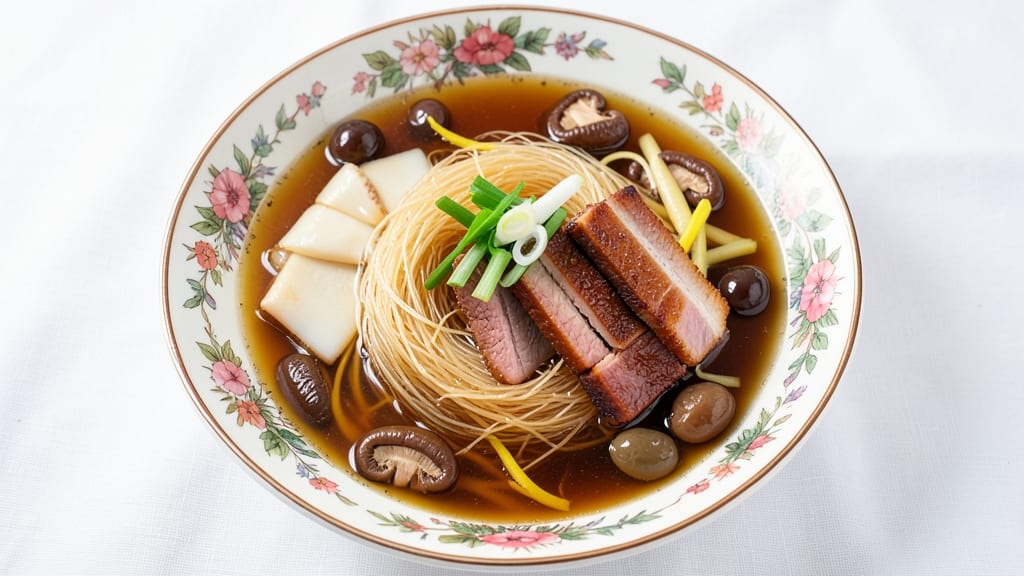
This Westlake soup recipe delivers the rich, layered flavors of a traditional Chinese classic that simmers for hours to create a velvety broth and tender meat.
The secret lies in slow-cooking pork bones and brisket until they yield a deeply aromatic, collagen-rich base that forms a delicate herbed crust when chilled.
I first encountered this dish at a family gathering in Shanghai, where my grandmother would spend all day preparing it—her patience transformed simple ingredients into something extraordinary.
The magic begins with the broth, where pork bones and brisket simmer for six hours until the meat falls apart, releasing its gelatinous essence. This isn't just soup; it's a labor of love that rewards with a silky, umami-packed liquid that coats every spoonful.
The herbed crust, formed by pressing fresh herbs and oil into the chilled broth, adds a fragrant, textured element that elevates each bite to restaurant-quality.
What sets this recipe apart is the balance of technique and tradition—slow simmering for depth, precise timing for the crust, and traditional garnishes that complete the presentation.
The result is a dish that feels both comforting and sophisticated, perfect for special occasions or when you want to impress with homemade authenticity. Whether you're serving a family gathering or a quiet dinner, this soup delivers unmatched depth in every bowl.
For those short on time, I've included a 3-hour shortcut using store-bought bone broth while maintaining the herbed crust technique. The dish also adapts beautifully to vegetarian diets by replacing pork with mushrooms and tofu. Let's create this timeless classic together—where tradition meets modern convenience.
Ingredients for westlake soup
Six hours of simmering transforms humble ingredients into restaurant-quality Westlake soup.
| Ingredient | Amount | Notes |
|---|---|---|
| Pork Bones 🍖 | 3 lb | Knuckle or neck bones preferred |
| Pork Brisket 🥩 | 2 lb | Cut into 2-inch chunks |
| Dried Shiitake Mushrooms 🍄 | 8 whole | Rehydrated, stems removed |
| Dried Wood Ear Mushrooms 🍄 | 4 whole | Rehydrated, sliced |
| Fresh Ginger 🌿 | 2 tbsp | Thinly sliced, peeled |
| Green Onions 🧅 | 1 whole | White and green parts separated |
| Garlic Cloves 🧄 | 8 cloves | Smashed, not minced |
| Star Anise Pods 🌟 | 4 whole | Lightly crushed |
| Cinnamon Sticks 🌿 | 2 whole | 2-inch pieces |
| Dried Tangerine Peel 🍊 | 1 tbsp | Thinly sliced, organic preferred |
| Light Soy Sauce 🍶 | ½ cup | Kikkoman preferred |
| Shaoxing Wine 🍷 | ¼ cup | Substitute dry sherry if unavailable |
| Sesame Oil 🫒 | 1 tbsp | Toasted, for crust |
| Fresh Cilantro 🌿 | ½ cup | Stems removed, for crust |
| Fresh Thai Basil 🌿 | ¼ cup | Stems removed, for crust |
The bones and brisket are non-negotiable—they build that gelatinous richness that sets this soup apart. Costco or your butcher shop will have the best cuts for this. Look for pork bones with some meat still attached (the knuckle or neck bones are ideal) and brisket that's well-marbled. If you can't find fresh shiitake and wood ear mushrooms, Asian markets usually stock dried versions that rehydrate perfectly. The ginger should be firm and aromatic—none of that rubbery stuff. For the Shaoxing wine, Trader Joe's carries a decent bottle, but any dry sherry works in a pinch.
No star anise? 1 tsp ground cinnamon plus 1 tsp allspice gets you close. Running out of time? Store-bought chicken or pork bone broth cuts simmering time by half, though it won't have the same depth. The dried tangerine peel is the secret citrusy note—if you can't find it, orange zest at 1/4 the amount works. For the crust, Thai basil is ideal but regular basil works too. Just make sure it's fresh—none of that sad bunch from the grocery store's back corner.
This soup tastes even better the next day as flavors meld. Store in the fridge for up to 5 days or freeze for 3 months. The herbed crust keeps for 2 days in the fridge if stored separately. For serving, I like to ladle the soup into bowls, top with the crust, and garnish with extra green onions. Double the recipe—it's worth the effort.
Why You'll Love This Recipe
- No-Chop Needed: I swear, the dried mushrooms just need a quick soak—no dicing, no fuss. The brisket practically falls apart on its own, and the ginger? Just slice it thick. Honestly, it’s the kind of soup where you can still have wine while it simmers.
- Umami Bomb: That combo of pork bones and shiitake? It’s like flavor overload in the best way—deep, rich, and lingering. The wood ear mushrooms add this satisfying chewiness that makes every spoonful feel like a little celebration.
- Leftovers That Shine: Between us, this soup only gets better the next day. The flavors meld into something even more complex, and it reheats like a dream. I’ve taken it to potlucks, packed it for work, and even frozen portions—no one ever complains.
Step-by-step instructions for Westlake soup
Here's the method that delivers restaurant-quality depth with that signature herbed crust.
Prepare the Pork Base with Aromatics
First, rinse the 3 lb pork bones and 2 lb pork brisket under cold water, then place them in a large stockpot. Cover with 8 cups cold water (double the meat volume) and bring to a boil over high heat. Once boiling, reduce to a simmer and skim off any foam that rises to the surface for the first 15 minutes. This ensures a clear broth.
While the pork simmers, prepare the aromatics. In a small bowl, combine the 8 whole dried shiitake mushrooms, 4 whole dried wood ear mushrooms, 2 tbsp fresh ginger, 1 whole green onions (white parts only, sliced), 8 cloves garlic cloves, 4 whole star anise pods, 2 whole cinnamon sticks, and 1 tbsp dried tangerine peel. Tie this bundle securely with kitchen twine and add it to the simmering pork along with the 0.5 cup light soy sauce and 0.25 cup shaoxing wine. The broth should smell rich and aromatic—this is your flavor foundation.
Simmer the Broth for Maximum Depth
Let the pork and aromatics simmer uncovered for 3 hours over low heat. Check the water level occasionally and add hot water as needed to maintain coverage. The pork should become fork-tender, and the broth should develop a deep, reddish hue with a rich, meaty aroma. This slow cooking extracts collagen from the bones, creating a velvety texture that's the soul of Westlake soup.
After 3 hours, carefully remove the pork bones and brisket chunks with tongs and set them aside. Strain the broth through a fine-mesh sieve into a clean stockpot, pressing gently on the aromatics to extract every last bit of flavor. Discard the solids. The broth should now be crystal clear with a robust, umami-rich taste—this is your base for the herbed crust.
Create the Signature Herbed Crust
In a small bowl, combine the 0.5 cup fresh cilantro, 0.25 cup fresh Thai basil, and 1 tbsp toasted sesame oil. Use a mortar and pestle or the flat side of a chef's knife to finely chop the herbs into a paste. This texture is crucial—it should resemble wet sand rather than coarse pieces. The sesame oil binds the herbs while adding nutty depth that complements the soup's richness.
Return the strained broth to medium heat and bring it to a gentle simmer. Add the chopped pork brisket chunks back to the pot. Once the broth reaches a simmer, carefully spoon the herbed paste around the edges of the pot, letting it slowly sink into the broth. This creates the signature crust that forms as the soup cooks—it should look like a delicate, herb-infused ring around the perimeter. The crust will thicken as it simmers, creating a textural contrast that's both satisfying and elegant.
Finish and Serve with Perfect Texture
Simmer the soup uncovered for an additional 45 minutes to 1 hour, allowing the crust to fully develop. The ideal crust should be thick enough to hold its shape when the soup is ladled but still break apart easily with a spoon. Taste and adjust seasoning with additional light soy sauce or shaoxing wine if needed—the broth should be balanced with a touch of saltiness and a hint of sweetness from the wine.
To serve, ladle the soup into bowls, ensuring each portion includes a piece of the herbed crust. Garnish with the remaining green onions (green parts only, sliced) for freshness and color. The contrast between the rich, velvety broth and the crisp, herbed crust is what makes this soup truly special—each bite should deliver both texture and flavor in perfect harmony.
Pro Tips For Making Westlake Soup
- Parboil Pork Bones First: Skip the raw bone plop—parboil them for 15 minutes to remove blood and impurities. I learned this the hard way when my first batch turned cloudy; prepping them this way guarantees a clear, golden broth.
- Soak Mushrooms Separately: Wood ears need 30 minutes in hot water; shiitakes only 20. Mix them together, and you’ll end up with mushy ears or underhydrated shiitakes. Trust the process—your future self will thank you.
- Avoid Overcrowding the Pot: Pork brisket releases fat fast. If you pile everything in at once, the broth will turn greasy. Brown the meat in batches—yes, it’s extra work, but the result is silky, not oily.
- Simmer Low and Slow: Westlake soup isn’t a race. After the initial boil, drop the heat to the lowest setting where it barely bubbles—no simmering? No collagen release. I used to rush this, and the soup never had that melt-in-your-mouth richness.
Dietary considerations for this recipe
Vegetarian Adaptations
Transform this classic into a plant-based masterpiece by replacing pork with 2 lbs firm tofu and 1 lb shiitake mushrooms (fresh or rehydrated). Press the tofu for 30 minutes to remove excess water, then cube and parboil for 5 minutes before adding to the broth.
For depth, include 1 lb dried king oyster mushrooms—they mimic meaty texture beautifully. Use vegetable broth instead of pork broth and add 1 tbsp miso paste to the aromatics bundle for umami. The herbed crust remains the same, delivering that signature texture even without meat. 🌱
Gluten-Free Options
Westlake soup traditionally contains soy sauce, but gluten-free versions thrive with tamari or coconut aminos. I recommend San-J Tamari for its rich, slightly sweet profile. For the crust, ensure your sesame oil is certified gluten-free (many brands are, but always check labels).
If using store-bought broth, opt for gluten-free versions like Imagine or Pacific Foods. The flavor remains authentic while accommodating gluten sensitivities. Always verify ingredient labels, as hidden gluten lurks in unexpected places like spices and broth bases. ✨
Low-Sodium Adjustments
This soup's depth comes from pork bones and aromatics, not salt, so low-sodium versions shine. Skip the soy sauce entirely and use 1 tsp mushroom powder (or powdered dashi) to boost umami. For the crust, reduce sesame oil to ½ tbsp and add 1 tsp lemon juice to brighten flavors.
If using store-bought broth, choose low-sodium options like Kitchen Basics or make your own with extra water. Taste as you go—low-sodium broths often need extra seasoning, but the result is just as satisfying. 💡
Dairy-Free Considerations
Westlake soup is naturally dairy-free, but the herbed crust technique remains adaptable. For extra richness, stir 1 tbsp coconut cream into the broth during the final simmer. The crust's sesame oil and herbs provide enough depth without dairy.
If serving with rice (a common pairing), use jasmine rice cooked in coconut milk for a creamy, dairy-free bowl. The soup's natural flavors stand out without dairy interference. 🥣
Nut-Free Version
Sesame oil is the crust's binding agent, but nut-free cooks can substitute 1 tbsp avocado oil or toasted olive oil. The texture remains intact while avoiding allergens. For extra flavor, add ½ tsp smoked paprika to the crust mixture.
Double-check all ingredients—some broths and soy sauces contain traces of nuts. The soup's depth comes from the pork and aromatics, so the flavor remains rich and satisfying without sesame. 🌟
Protein-Packed Boost
For meat lovers, add ½ lb shrimp or 1 lb chicken thighs during the final 30 minutes of simmering. The shrimp should cook just until opaque (2-3 minutes), while chicken needs 15-20 minutes to reach 165°F.
For a vegetarian boost, stir in 1 cup edamame or ½ cup lentils during the last 10 minutes. These additions amplify protein without overpowering the soup's delicate balance. 💪
Nutrition facts
Frequently asked questions
Why does Westlake soup have that distinctive herbed crust?
The crust creates a textural contrast that makes each spoonful special. It's made by pressing a paste of finely chopped herbs (cilantro and Thai basil) with sesame oil into the broth's edges. As it simmers, this forms a delicate, aromatic ring that adds both visual appeal and a satisfying crunch to the velvety broth.
Can I make Westlake soup without pork?
For a vegetarian version, replace pork with 2 lbs firm tofu and 1 lb shiitake mushrooms, plus 1 lb king oyster mushrooms for meaty texture. Use vegetable broth and add 1 tbsp miso paste to the aromatics bundle. The herbed crust technique remains the same for that signature texture.
How do I know when the herbed crust is done?
The crust should be thick enough to hold its shape when ladled but still break apart easily. Simmer uncovered for 45 minutes to 1 hour after adding the herbed paste. It's ready when it forms a delicate ring around the broth's edge that's firm but not rubbery.
What's the best way to store leftovers?
Store the soup (without the crust) in an airtight container in the fridge for up to 5 days. Reheat gently on low heat, then add the crust fresh before serving—it reheats poorly. The crust itself keeps for 2 days in the fridge if stored separately. For longer storage, freeze the broth (without crust) for up to 3 months.
Can I use chicken instead of pork for this soup?
While pork bones are traditional for maximum collagen, you can use chicken bones or chicken thighs for a lighter version. For best results, simmer chicken bones for 4 hours instead of 3 to extract enough gelatin. The flavor will be less rich but still delicious, with a clearer broth.