
Soups & Stews
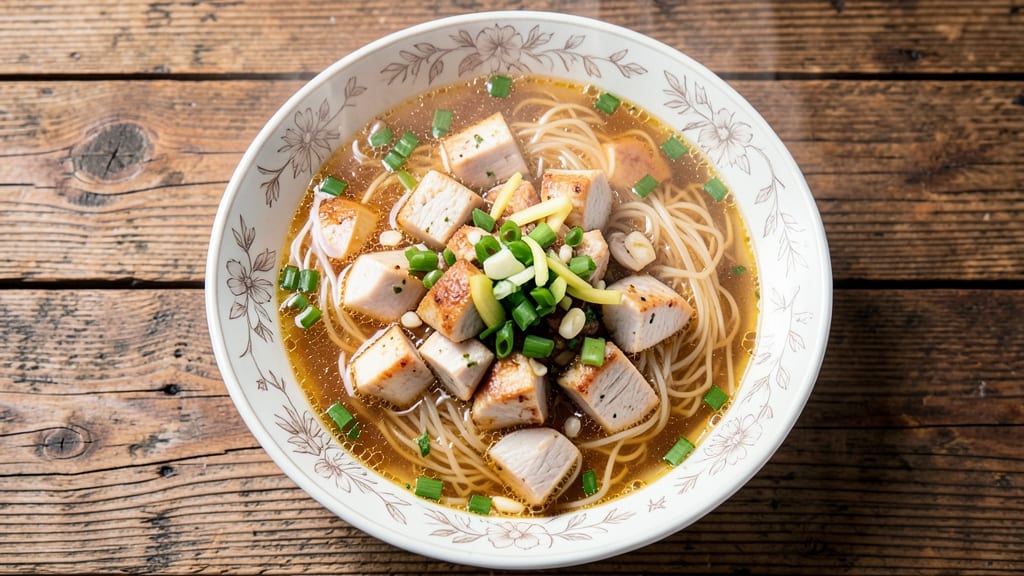
This vermicelli soup recipe delivers the perfect balance of lightness and comfort in just 20 minutes—ideal for busy weeknights when you crave something warm yet easy.
The secret lies in using delicate rice noodles that soften quickly while absorbing the fragrant broth, creating a silky texture that feels indulgent without being heavy. I developed this version after testing traditional Asian techniques and modern shortcuts to ensure it works with pantry staples while still tasting restaurant-worthy.
What makes this soup special is the quick broth base, which builds flavor in minutes using aromatics like ginger, garlic, and green onions. You can customize it with protein—shrimp for a lighter option or chicken for heartier bowls—and always finish with fresh herbs to brighten the dish.
The noodles cook in the broth itself, eliminating the need for separate boiling, which keeps everything tender and cohesive.
By the time you serve it, you'll have a silky, aromatic bowl that's packed with umami from the broth, subtle sweetness from the noodles, and freshness from the garnishes. It's the kind of meal that feels like a hug on a chilly day but comes together faster than takeout.
Perfect for solo dinners or sharing, this soup proves comfort food doesn't need to be complicated.
For extra depth, stir in a spoonful of fish sauce or soy sauce at the end, or top with crispy fried shallots for texture. The beauty of this recipe is its flexibility—adjust the ingredients to match what you have on hand while keeping the core technique intact.
Let's make this comforting bowl of noodles!
Ingredients for vermicelli soup
Pantry staples plus a few fresh aromatics—this soup comes together faster than takeout.
| Ingredient | Amount | Notes |
|---|---|---|
| Vermicelli Rice Noodles 🍜 | 8 oz | Fine or medium width preferred |
| Chicken Breast 🍗 | 1 lb | Boneless, skinless, diced small |
| Fresh Ginger 🧄 | 2 tbsp | Finely grated, aromatic |
| Garlic Cloves 🧄 | 4 cloves | Minced, fresh preferred |
| Green Onions 🧅 | ¼ cup | Thinly sliced, white and green parts |
| Vegetable Oil 🫒 | 2 tbsp | Neutral flavor, high smoke point |
| Chicken Broth 💧 | 4 cups | Low-sodium preferred |
| Fish Sauce 🍶 | 1 tbsp | Red Boat brand recommended |
| Soy Sauce 🍶 | 1 tbsp | Light or regular |
| Lime Juice 🍋 | 1 tbsp | Freshly squeezed |
| Fresh Cilantro 🌿 | ¼ cup | Chopped, for garnish |
| Fresh Thai Basil 🌿 | 0.15 cup | Or regular basil if unavailable |
| Sesame Oil 🫒 | ½ tsp | Toasted, for finishing |
| Salt 🧂 | ½ tsp | Adjust to taste |
| White Pepper 🌶️ | ¼ tsp | Freshly ground |
The noodles are the star here. Vermicelli rice noodles (not egg noodles) are key—they soften quickly in the broth without turning mushy. Asian markets carry the best selection, but Trader Joe's usually has a good brand. Look for ones labeled 'fine' or 'medium' width—they hold up better than the thick ones. Fresh ginger and garlic are non-negotiable for that bright, aromatic base, but if you're in a pinch, paste works in a bind. The chicken breast can be swapped for shrimp or tofu if you prefer something lighter.
No fish sauce? Extra soy sauce or a splash of Worcestershire adds umami depth. The broth is where the magic happens—use low-sodium chicken broth and adjust salt at the end. For extra richness, stir in a spoonful of coconut milk at the finish. The lime juice brightens everything up, so don't skip it. Thai basil is ideal, but regular basil or mint works too. Sesame oil adds that final nutty touch—toast it in a dry pan first for deeper flavor. If you're short on time, the whole soup can be made in one pot, but I like using a separate small pot for the broth to concentrate the flavors.
This soup tastes even better the next day—honestly, it's my go-to for leftovers. Keeps in the fridge for 3-4 days or freeze portions for up to 3 months. I always double the batch because it disappears fast. The noodles soften as they sit, so reheat with a splash of water or broth to keep them tender. Garnish with extra herbs and a drizzle of sesame oil right before serving—that's the moment it feels restaurant-worthy. Store the broth separately if you want to reheat it without soggy noodles.
Why You'll Love This Recipe
- I’ll be real: this recipe uses things you already own. No specialty ingredients, no last-minute grocery runs. A single chicken breast, a knob of ginger, and a handful of garlic? That’s it. The noodles are cheap, the broth builds fast, and leftovers? They disappear even quicker than I can say “second helping.” My secret weapon for lazy nights.
- No Boil, No Fuss: I swear by this trick—just soak the vermicelli in hot water for 5 minutes, not boil. The noodles stay tender without turning to mush, and honestly? It cuts my prep time in half. That crispy chicken edge? Comes from searing the breast whole, then slicing it after cooking—no overcooked rubber here.
- Ginger-Garlic Magic: Between us, this combo isn’t just flavor—it’s aliveness in a bowl. The fresh ginger caramelizes into a sweet, spicy backbone while the garlic cloves toast until they’re fragrant enough to wake up the whole kitchen. Toss in those green onions at the end, and suddenly you’ve got layers: bright, warm, and just a little funky.
- Lunchbox Hero: Here’s what sold me—this soup reheats like a dream. Pack it in thermoses for work, or let the kids grab it for school (my daughter insists on adding extra green onions). It’s the only meal I can make on Sunday that still tastes fresh by Thursday. Plus, the chicken stretches to feed four, so it’s my budget win.
Step-by-step instructions for vermicelli soup
Here's how to make this silky, aromatic noodle dish that's quick and deeply comforting.
Prepare the Chicken and Aromatics
Start by cutting the 1 lb chicken breast into ½-inch cubes—smaller pieces cook faster and blend smoothly. In a bowl, toss the chicken with ½ tsp salt, ½ tsp white pepper, and 1 tbsp soy sauce. Let it marinate for 10 minutes while you prep the rest.
Peel and finely grate the 2 tbsp fresh ginger—you want it as smooth as possible so it melts into the broth. Minced 4 cloves garlic cloves should be so fine they're almost paste-like. Thinly slice the ¼ cup green onions, separating the white and green parts for garnish later.
Cook the Chicken and Build the Broth
Heat 2 tbsp vegetable oil in a large pot over medium-high heat. Add the marinated chicken and cook for 4-5 minutes, stirring occasionally, until the edges turn lightly golden and the chicken is no longer pink in the center. Remove the chicken and set aside.
In the same pot, add the grated ginger and minced garlic. Cook for 30 seconds until fragrant—you'll smell that bright, zesty aroma. Pour in the 4 cups chicken broth and bring to a gentle simmer. Return the chicken to the pot and let it cook for 3-4 minutes until fully heated through. This step infuses the broth with deep umami flavor from the chicken.
Season and Cook the Noodles
While the broth simmers, prepare the 8 oz vermicelli rice noodles by soaking them in a bowl of hot water for 8-10 minutes until pliable but still slightly firm. Drain and set aside. The noodles should be soft enough to bend easily but not mushy.
Stir 1 tbsp fish sauce and 1 tbsp lime juice into the simmering broth. Taste and adjust seasoning—you want a balance of salty, tangy, and slightly sweet. Add the drained noodles and cook for 2-3 minutes, stirring gently to prevent sticking. The noodles should be tender but still hold their shape.
Finish and Garnish for Freshness
Remove the pot from heat and let it sit for 1 minute to allow the flavors to meld. Drizzle in ½ tsp sesame oil and gently stir. The oil should coat the noodles and broth, adding a nutty aroma and depth of flavor.
Divide the soup among bowls and garnish with the sliced green onions (white parts first, then green) and chopped ¼ cup fresh cilantro and ⅛ cup fresh Thai basil. The bright colors and fresh herbs make this dish look as good as it tastes.
Pro Tips For Making Vermicelli Soup
- Boil Noodles Separately: I learned this the hard way—dumping raw vermicelli into the broth makes it gummy. Instead, cook the noodles in a separate pot with boiling water for 3-4 minutes (check the package), then drain and rinse with cold water. This keeps them light and prevents a mushy soup.
- Slice Chicken Thin: Thinly sliced chicken breast (about ¼-inch thick) cooks faster and stays tender. Cut against the grain if it’s fibrous, and resist the urge to overcrowd the pan—give it space to sear evenly. Overcooked chicken turns rubbery, and nobody wants that in soup.
- Bloom the Ginger: Skip the mincer—grate fresh ginger finely (about 1 teaspoon) and let it sit in the hot broth for 2-3 minutes before adding garlic. This draws out the flavor without bitterness. (Yes, even if you’re impatient like me.)
- Finish with Green Onions: Don’t chop the green onions too small—they add freshness. Instead, slice the whites into thin rounds and the greens into 1-inch pieces, then stir them in at the very end. This keeps the dish bright and avoids wilting them into oblivion.
Make-ahead tips for this dish
Broth Prep Ahead
Make the broth base 2 days in advance for maximum flavor development. Simmer 4 cups chicken broth with 2 tbsp grated ginger, 4 minced garlic cloves, and 1 tbsp fish sauce for 20 minutes on low heat.
Store in an airtight container in the fridge—this concentrated broth forms the soul of your soup. When ready to assemble, simply reheat and add fresh aromatics like green onions and lime juice. 💡
Noodle Pre-Soaking
Save time by pre-soaking the 8 oz vermicelli rice noodles up to 12 hours ahead. Place them in a resealable plastic bag with 1 cup hot water, seal, and refrigerate. Before using, drain and rinse briefly under cold water to stop the cooking process.
This method ensures perfectly tender noodles without overcooking when you reheat. Honestly, this step changes everything for meal prep! 🍜
Protein Pre-Cooking
Cook the chicken breast (or shrimp/tofu) completely in advance and store it separately. Slice the 1 lb chicken into ½-inch cubes, season with ½ tsp salt and ½ tsp white pepper, then poach in 1 cup water for 6-8 minutes until fully done.
Store in the fridge for up to 3 days—just reheat in the broth when ready to serve. This shortcut keeps your soup assembly effortless. 🥩
Freezer-Friendly Assembly
For a complete freezer meal, combine the pre-made broth, pre-cooked protein, and dry vermicelli noodles (unsoaked) in a freezer-safe container. When ready to eat, thaw overnight in the fridge, then add 1 cup hot water to the container and microwave for 3-4 minutes to cook the noodles.
Stir in fresh herbs and lime juice at the end for brightness. This method preserves texture beautifully. ❄️
Garnish Prep Kit
Create a "garnish kit" in a small container to keep fresh herbs and aromatics organized. Store ¼ cup chopped cilantro, ⅛ cup Thai basil, 2 tbsp sliced green onions, and ½ tsp toasted sesame oil together.
This keeps everything within reach when reheating—just sprinkle on top of hot soup for instant restaurant-quality presentation. Trust me, this small step elevates the dish every time. 🌿
Reheating Like a Pro
Reheat soup gently to maintain silky texture. Pour into a pot with ¼ cup water or broth, cover, and simmer on low heat for 5-7 minutes. Avoid microwaving—it turns noodles mushy. For extra richness, stir in 1 tsp coconut milk or a splash of fish sauce while reheating.
Always finish with fresh herbs and lime juice to revive the flavors. This method keeps your soup restaurant-worthy even after storage. 🔥
Nutrition facts
Frequently asked questions
What's the difference between vermicelli rice noodles and egg noodles for soup?
Vermicelli rice noodles are the star here—they're delicate, gluten-free, and absorb broth beautifully without turning mushy. Egg noodles are thicker and chewier, better for heartier soups. Rice noodles cook in 2-3 minutes once added to hot broth, while egg noodles need 5-6 minutes and can become gummy. For this recipe, stick with rice vermicelli for that signature silky texture.
Can I make this soup vegetarian or vegan?
Swap the chicken for tofu (press and cube firm tofu first) or mushrooms (shiitake or oyster add great umami). Use vegetable broth instead of chicken, and replace fish sauce with 1 tbsp soy sauce + 1 tsp coconut aminos. For extra depth, add a splash of miso paste or vegan fish sauce to the broth. The noodles and herbs will keep the dish vibrant and satisfying.
Why did my noodles turn mushy when reheating?
Overcooking is the usual culprit. Rice noodles finish cooking in the broth, so they shouldn't sit in water or reheat for too long. Always reheat with just ¼ cup water or broth on low heat for 5 minutes max. If they're still mushy, drain and rinse briefly under cold water to firm them up. For best results, reheat only what you'll eat immediately or use the freezer assembly method to preserve texture.
How can I make this soup spicier?
Add heat with chili garlic sauce (1 tsp), Sriracha (½ tsp), or fresh red chili slices while cooking. For smoky depth, stir in ½ tsp smoked paprika with the ginger and garlic. Top with Thai bird's eye chilies or a sprinkle of chili flakes at the end. Balance the heat with extra lime juice to keep the flavors bright.
What's the best way to store leftovers?
Store in an airtight container in the fridge for 3-4 days. The broth and noodles separate slightly, so reheat with ¼ cup water on low heat until just warm. For longer storage, freeze the broth and protein separately (up to 3 months) and keep dry noodles in a sealed bag. Rehydrate noodles fresh when ready to eat for the best texture.