
Soups & Stews
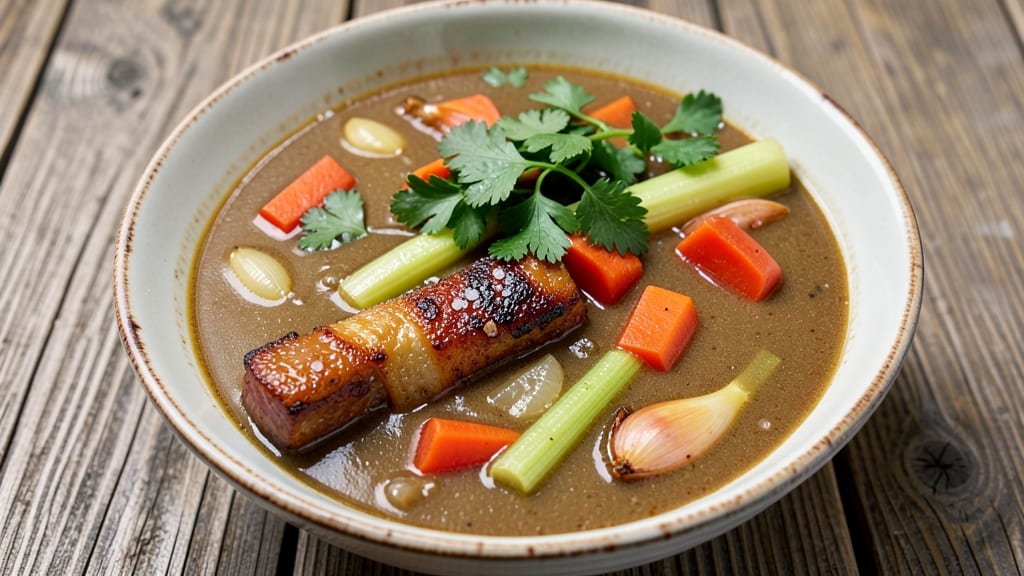
Uncle Bill's split pea soup recipe brings that old-fashioned homestyle warmth to your kitchen, where every spoonful carries the smoky depth of ham and the earthy sweetness of carrots.
This isn't just soup—it's a tradition, simmered low and slow until the peas break down into creamy perfection and the broth becomes rich enough to stand alone.
I first tasted this version at my grandmother's table, where the secret was letting it cook until the flavors melded into something deeper than any recipe could describe.
The magic happens in the layers: a ham hock for that unmistakable smoky richness, carrots that caramelize into sweetness, and onions that develop into a sweet, almost jam-like base. Unlike store-bought versions, this soup builds flavor through time—no shortcuts, no instant potatoes.
The peas soften just enough to blend into the broth while maintaining their hearty texture, creating that signature split pea consistency that's both creamy and satisfying.
What you'll end up with is a steaming bowl of soul-warming soup that tastes like home—thick enough to coat a spoon, with chunks of tender ham and carrots in every bite. The aroma alone will have your whole house smelling like Sunday dinner, and the taste?
That's where Uncle Bill's reputation comes from. It's the kind of soup that gets passed down through generations, one ladle at a time.
Perfect for chilly days, holiday gatherings, or when you need comfort in a bowl, this recipe delivers restaurant-quality results with homestyle simplicity. Let's get cooking—your kitchen (and taste buds) will thank you.
Ingredients for uncle bill's split pea soup
Uncle Bill's secret lies in these 12 ingredients—simple, hearty, and full of smoky-sweet tradition.
| Ingredient | Amount | Notes |
|---|---|---|
| Dried Split Peas 🌾 | 2 cups | Unsoaked, high-quality dried peas |
| Ham Hock 🥓 | 1 whole | Smoked, about 1 lb |
| Carrots 🥕 | 3 whole | Medium, peeled and chopped |
| Yellow Onion 🧅 | 1 whole | Medium, chopped |
| Celery Stalks 🌿 | 3 whole | Fresh, chopped |
| Garlic Cloves 🧄 | 4 cloves | Fresh, minced |
| Bay Leaves 🌿 | 2 whole | Dried, standard size |
| Black Peppercorns 🌶️ | 1 tsp | Freshly cracked |
| Salt 🧂 | 1 ½ tsp | Kosher or sea salt |
| Olive Oil 🫒 | 2 tbsp | Extra-virgin for richness |
| Water 💧 | 8 cups | Filtered or spring water |
| Fresh Parsley 🌿 | ¼ cup | Chopped, for garnish |
The ham hock is non-negotiable here—it delivers that unmistakable smoky depth that makes this soup legendary. Look for smoked ham hocks at your local butcher shop or the deli counter; they often have them pre-packaged. If you can't find smoked, regular ham hock works but won't have that same rich flavor. The dried split peas should be plump and vibrant—avoid anything that looks shriveled or dusty. I always grab mine from Whole Foods or the bulk section at Kroger, where they're stored properly. The carrots and celery should be crisp with bright color—no limp stalks here. Pro tip: chop them into even-sized pieces so they cook uniformly.
No smoked ham hock? Substitute with a smoked sausage or bacon—just remember to remove it early and add it back later to avoid overcooking. Fresh herbs not on hand? Dried thyme at one-third the amount works in a pinch. The olive oil is where you can splurge—extra-virgin with a fruity note elevates the whole dish. For the split peas, if you're in a hurry, you can soak them overnight, but Uncle Bill swore by the unsoaked method for that deep, earthy flavor. The bay leaves? Don't skip them—they're the secret to that subtle complexity. And if you're worried about the soup being too thin, add a few extra carrots or a splash of water later; it'll thicken as it cools.
This soup tastes even better the next day—let it sit overnight and the flavors meld into something magical. Store leftovers in an airtight container in the fridge for up to 5 days, or freeze for 3 months in portions. I always make a double batch because it disappears fast—especially when the house smells like Sunday dinner. Garnish with fresh parsley right before serving, and trust me, that little touch makes all the difference. The ham hock? Save it for sandwiches or another batch of soup—it's worth the extra effort.
Why You'll Love This Recipe
- No-Chop Nightmare: I swear by the "soak-and-simmer" trick with dried peas—just toss them in cold water overnight, and wake up to soup that’s already halfway there. The ham hock does all the heavy lifting while you chop (or don’t, if you’re lazy like me).
- Smoky Ham Magic: That single ham hock? It turns this soup into a flavor bomb. The meat falls off the bone, and the broth gets this deep, savory richness that makes every spoonful taste like a hug from your grandma’s kitchen—minus the guilt.
- Leftovers That Beg for More: This stuff only gets better after day two. The peas soften just right, the carrots caramelize into sweet little bursts, and the ham flavor deepens like a fine wine. I’ve reheated this for five days straight—no joke.
- Potluck Crowd-Pleaser: Bring this to a gathering, and watch it disappear. It’s hearty enough for a winter dinner but light enough for a summer picnic (yes, really—chill it, and the flavors shine even more). Bonus: It’s cheap to make, so you can feed a houseful without breaking the bank.
Step-by-step instructions for Uncle Bill's split pea soup
Here's how to make this classic, hearty soup with rich ham flavor and tender vegetables.
🍳 Step 1: Sear the Ham Hock and Vegetables
Heat the 2 tablespoons olive oil in a large Dutch oven over medium-high heat. Add the whole ham hock and sear for 5 minutes per side until the fat begins to render and the skin turns golden. Remove the ham hock and set it aside on a plate.
In the same pot, add the 3 whole carrots, 1 whole yellow onion, and 3 whole celery stalks, all chopped into ½-inch pieces. Sauté for 8-10 minutes, stirring occasionally, until the vegetables soften slightly and the onion becomes translucent. You want them to release their natural sweetness without browning too much. If the vegetables stick, add a splash of water to deglaze the pan.
🍳 Step 2: Build the Flavor Base
Reduce the heat to medium and add the 4 cloves garlic cloves, minced, along with the 2 whole bay leaves and 1 teaspoon black peppercorns. Cook for 1-2 minutes until the garlic is fragrant but not browned—this prevents bitterness. Stir in the 2 cups dried split peas and the 1.5 teaspoons salt, coating everything evenly with the spices.
Pour in the 8 cups water, scraping up any browned bits from the bottom of the pot. These bits are packed with flavor, and they’ll deepen the richness of your soup. Bring the mixture to a boiling point, then immediately reduce the heat to low. The goal here is a gentle simmer—you want the peas to cook slowly and evenly, not rush to the surface and burn.
⏰ Step 3: Simmer Until Peas Are Tender
Return the ham hock to the pot, nestling it among the vegetables. Cover the pot with a lid and let the soup simmer gently for 1 hour. After the first hour, check the peas—they should be tender but not mushy. If they’re still firm, continue simmering, covered, for another 30-45 minutes until they’re fork-tender. The ham hock should also be falling apart easily when probed with a fork.
Here’s the thing—don’t rush this step. The longer the peas simmer, the more flavor they absorb from the ham and vegetables. If the soup gets too low, add ½ cup water at a time to keep it covered and simmering steadily. The soup should have a thick, hearty consistency by the end, with the vegetables breaking down just enough to meld into the broth.
🥘 Step 4: Finish and Serve
Once the peas are tender, remove the ham hock and let it cool slightly before shredding the meat with two forks. Discard the bone and any large fat chunks, then return the shredded meat to the pot. Stir it in and let the soup simmer uncovered for 5 minutes to allow any excess liquid to evaporate slightly, thickening the soup further.
Taste and adjust the seasoning with more salt or black peppercorns if needed. Ladle the soup into bowls and garnish each serving with ¼ cup fresh parsley, chopped. The parsley adds a bright, fresh contrast to the rich, smoky flavors of the ham and peas. Serve with crusty bread to soak up every last drop of that hearty broth!
Pro Tips For Making Uncle Bill'S Split Pea Soup
- SOAK THE PEAS OVERNIGHT: I learned this the hard way—skipping the soak means gummy peas that fight you the whole time. Toss them in a bowl with cold water, cover, and let them sit 8-12 hours. Drain and rinse before cooking, then start fresh with the ham hock in your pot. (Yes, even if you're impatient like me.)
- SIMMER LOW AND SLOW: This isn’t the time to rush. Once the soup hits a boil, drop the heat to a gentle simmer—think tiny bubbles, not rolling chaos. Cover and let it work for at least 2 hours (3-4 for deeper flavor). I used to speed it up, and the peas stayed tough. Trust the process.
- SCORE THE HAM HOCK: That thick ham hock hides flavor in its fat. Use a sharp knife to make a few deep cuts into the meaty side before adding it to the pot. This lets the seasonings and broth penetrate while it cooks, turning it from a flavor anchor to a rich, savory centerpiece.
- SAVE THE SOUP STOCK: Strain the cooked peas and veggies, then return the broth to the pot. Reduce it by half uncovered—this concentrates the flavor and thickens the soup naturally. (Skip this, and you’ll be left with a watery mess.) If you’re short on time, just skim off the excess fat after cooking instead.
Flavor customization for these flavors
Smoky Depth Boost
For extra smokiness, swap the ham hock for a smoked turkey leg or add 1 tbsp smoked paprika directly to the pot during simmering.
I love using liquid smoke (just ½ tsp) if I can't find smoked meat—it adds that campfire aroma without altering texture. 🌶️ For a deeper flavor, try 2 slices of smoked bacon instead of ham hock, but remove them after 10 minutes to avoid overpowering.
Sweet Heat Twist
Add 1 small diced apple or ½ cup apple cider when sautéing vegetables to balance the smokiness with natural sweetness. For heat lovers, stir in 1 tsp cayenne pepper with the black peppercorns.
I once added ½ cup diced jalapeño (seeds removed) for a slow-cooked spicy kick—it mellowed beautifully into the broth.
Creamy Comfort
For a richer texture, stir in ½ cup heavy cream or 1 cup whole milk during the final 5 minutes of simmering. Alternatively, blend ½ cup of the soup until smooth and mix it back in for a velvety finish.
I’ve also used ½ cup coconut milk for a dairy-free option that still feels indulgent.
Herb Variations
Swap parsley for fresh thyme or rosemary sprigs while simmering (remove before serving). For a Mediterranean twist, add 1 tsp dried oregano with the bay leaves. I once used 1 tbsp fresh dill at the end for a bright, summery note—it paired surprisingly well with the ham’s smokiness.
Vegetable Swaps
Add 1 cup diced sweet potato with the carrots for natural sweetness. For a rustic touch, include ½ cup chopped kale or spinach in the last 10 minutes—it wilts beautifully without overpowering.
I’ve also used ½ cup corn kernels (fresh or frozen) for a Southern-inspired twist that adds a satisfying texture.
Protein Alternatives
For vegetarians, replace ham with ½ cup smoked tofu or 1 cup lentils (simmered separately). I’ve also used ½ cup crumbled tempeh for a nutty depth. For meat lovers, try ½ lb smoked sausage (like kielbasa) or 2 cups shredded rotisserie chicken at the end for extra protein and flavor.
Nutrition facts
Frequently asked questions
Why do I need to sear the ham hock before simmering?
Searing the ham hock creates a flavorful crust that deepens the soup's richness. The rendered fat adds smokiness and helps build a more complex broth. This step is what gives Uncle Bill's version its signature depth—don't skip it!
Can I use canned split peas instead of dried?
While canned peas will work in a pinch, they won't give you that same hearty texture or rich flavor. Dried peas absorb more liquid and develop deeper taste through slow simmering. If you must use canned, reduce the cooking time by 20-30 minutes and add an extra ½ cup water to maintain consistency.
How do I know when the peas are perfectly cooked?
Peas should be tender but still hold their shape—like al dente pasta. Press a pea with a fork: it should mash slightly but not turn to mush. The soup should coat the back of a spoon with a thick, velvety consistency. Overcooking turns peas into a glue-like paste, which ruins the texture.
What's the best way to reheat leftovers?
Gently reheat on the stovetop over low heat until steaming, stirring occasionally. Never microwave—it creates a skin and dulls the flavors. For best results, reheat only what you need and add a splash of water if the soup seems too thick. Leftovers actually taste better the next day as flavors meld!
Can I make this soup in an Instant Pot?
Yes! Sauté the ham hock and vegetables first, then add all ingredients and cook on High Pressure for 15 minutes. Quick-release the pressure, then shred the ham and let it simmer uncovered for 5 minutes to thicken. The texture will be slightly different but still delicious—just don't expect the same deep flavor development as stove-top simmering.