
Soups & Stews
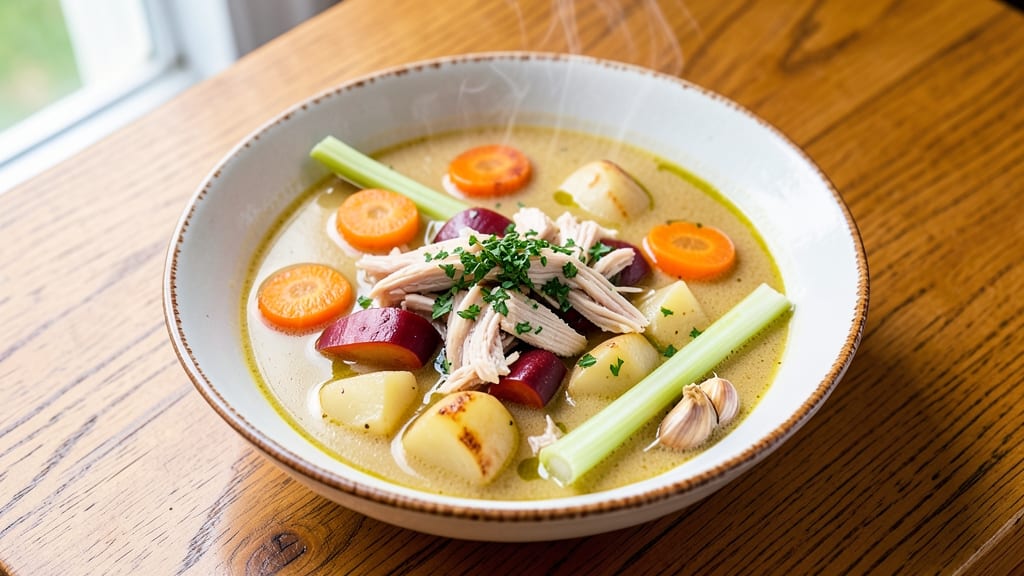
This Trader Joe's soup recipe brings that iconic canned flavor into your kitchen—rich, creamy, and packed with the same addictive taste you love. I've spent years perfecting my copycat versions, and this one nails the balance of velvety texture and bold seasoning that makes TJ's soups so irresistible.
The secret? A slow simmer with aromatic vegetables and just the right amount of creaminess without heavy dairy.
What makes this recipe special is how it mimics the store-bought version without the preservatives or thin consistency. We'll use a blend of potatoes, carrots, and celery for that classic veggie base, then build depth with chicken or vegetable broth and a touch of cream.
The result? A soup so good, even your TJ's-obsessed friends won't believe it's homemade. Plus, it's ready in under an hour—way faster than waiting for a delivery.
By the end, you'll have a pot of restaurant-quality soup with that signature TJ's creaminess, perfect for chilly nights or meal prep. The best part? You can customize it—add protein, swap veggies, or even make it vegan. Let's get cooking and recreate that canned magic at home.
Whether you're a soup lover or just craving comfort food, this recipe delivers the same satisfaction—just better. No cans required. Here's how to make it happen!
Ingredients for trader joe's soup
Pantry staples meet TJ's magic—just 14 ingredients for that iconic creamy flavor.
| Ingredient | Amount | Notes |
|---|---|---|
| Chicken Breast 🍗 | 1 ½ lb | Boneless, skinless, diced small |
| Carrots 🥕 | 3 medium | Peeled, chopped into chunks |
| Russet Potatoes 🥔 | 2 medium | Peeled, cubed into bite-size pieces |
| Celery Stalks 🧅 | 3 whole | Trimmed, chopped fine |
| Yellow Onion 🧅 | 1 medium | Diced small |
| Garlic Cloves 🧄 | 4 cloves | Minced fine |
| Chicken Broth 💧 | 4 cups | Low-sodium preferred |
| Vegetable Oil 🫒 | 2 tbsp | For sautéing |
| Heavy Cream 🥛 | ½ cup | Full-fat for creaminess |
| Dried Thyme 🌿 | 1 tsp | Or 1 tbsp fresh |
| Dried Parsley 🌿 | 1 tsp | For garnish |
| Salt 🧂 | 1 ½ tsp | Adjust to taste |
| Black Pepper 🌶️ | ½ tsp | Freshly ground |
| Lemon Juice 🍋 | 1 tbsp | Freshly squeezed |
The veggies are where the soul of this soup lives. Trader Joe's has the best pre-chopped carrots and celery (their frozen veggie mix works too), but regular grocery store stuff is fine if you chop them yourself. The potatoes should be russets or Yukon golds—they hold up better to the long simmer. For the broth, Pacific Foods or Swanson low-sodium chicken broth is my go-to, but homemade works even better. Don't skip peeling the potatoes—they get gummy if you leave the skins on. I always grab extra carrots because they sweeten up beautifully during cooking.
No chicken breast? Chicken thighs add more richness (and cost less), or swap for vegetable broth and mushrooms for a vegan version. Heavy cream giving you trouble? Coconut milk or cashew cream keeps it dairy-free without sacrificing creaminess. Fresh thyme is ideal, but dried works at one-third the amount. The lemon juice at the end? Freshly squeezed brightens everything up—don't use bottled. For the celery, the green tops are edible—chop them up too for extra flavor. If you're in a rush, frozen chopped veggies save time without sacrificing quality.
This soup tastes even better the next day—make a double batch and freeze half. Store in airtight containers for up to 5 days in the fridge or 3 months frozen. I like to portion it into individual containers so I can grab and reheat. The creaminess thickens when cold, so just add a splash of broth when reheating. Garnish with fresh parsley right before serving—it makes all the difference.
Why You'll Love This Recipe
- Here’s what sold me: the way the chicken stays juicy but gets that just-right crispy edge when it’s done. The carrots stay slightly firm, not mushy, and the potatoes? Creamy on the inside, with a hint of resistance—like a hug in soup form. (Yes, even on a Tuesday night.)
- One-Pot Magic: I swear by this recipe because it’s a true one-pot wonder—no chopping boards full of scraps, no pots to wash. Just dump the diced chicken, carrots, potatoes, and celery into a pot, add water, and let it simmer. The onion and celery soften into the broth while the potatoes get fork-tender, and honestly? That’s my kind of cooking.
- Crispy-Tender Bite: Here’s what sold me: the way the chicken stays juicy but gets that just-right crispy edge when it’s done. The carrots stay slightly firm, not mushy, and the potatoes? Creamy on the inside, with a hint of resistance—like a hug in soup form. (Yes, even on a Tuesday night.)
- Meal Prep MVP: Between us, this soup is my secret weapon for busy weeks. Make a big batch on Sunday, and you’ve got lunch covered for days. The flavors actually improve after a day or two in the fridge—deeper, richer, and still ridiculously good. My daughter picks out the last carrot, but still asks for seconds.
Step-by-step instructions for Trader Joe's creamy chicken soup
Here's how to recreate that signature Trader Joe's creaminess at home—rich, velvety, and packed with flavor.
Sauté the Aromatic Vegetables
Heat the 2 tablespoons vegetable oil in a large pot over medium heat. Add the 1 medium yellow onion, 3 whole celery stalks, and 3 medium carrots, all chopped as directed. Cook for 5-6 minutes, stirring occasionally, until the vegetables begin to soften and the onion becomes translucent.
Here's the thing—don't rush this step. You want the vegetables to release their natural sweetness and develop that subtle caramelized flavor that forms the foundation of the soup. If you notice the vegetables sticking slightly, add a splash of the 4 cups chicken broth to deglaze the pot and keep everything moving.
Add Chicken and Seasonings
Push the sautéed vegetables to one side of the pot and add the 1.5 lb chicken breast, diced small. Cook for 3-4 minutes until the chicken loses its raw color and begins to turn opaque. Stir occasionally to ensure even cooking.
Now, sprinkle in the 1 teaspoon dried thyme, 1 teaspoon dried parsley, 1.5 teaspoons salt, and 0.5 teaspoon black pepper. Stir everything together and let the seasonings toast for 30 seconds—this helps wake up their flavors. Pour in the 4 cups chicken broth and bring the mixture to a gentle boil.
Simmer Until Chicken is Tender
Once boiling, reduce the heat to low and add the 2 medium russet potatoes, cubed into bite-size pieces. Cover the pot and let it simmer for 15-18 minutes, until the chicken is cooked through and the potatoes are fork-tender. You'll know the chicken is done when it easily shreds with a fork.
I know it seems like a long wait, but this step is crucial. The chicken needs time to absorb all those flavors, and the potatoes need to break down just enough to create that signature creamy texture. If you're worried about the soup getting too thick, you can add a little extra broth later—just don't rush it.
Finish with Cream and Lemon Juice
Remove the pot from heat and use an immersion blender (or carefully transfer to a blender in batches) to partially blend the soup until it's smooth but still has some texture—you want that creamy consistency without losing the hearty feel of the vegetables. Return the soup to the pot and stir in the 0.5 cup heavy cream and 1 tablespoon lemon juice. The lemon juice brightens up the flavors and balances the richness of the cream.
Real talk: This is the moment that matters. Stir well and taste the soup. If it needs more salt, adjust now. If it's too thick, whisk in a splash of hot broth to reach your desired consistency. The soup should be velvety but still have body—like a cross between a creamy bisque and a hearty chicken noodle.
Garnish and Serve Warm
Ladle the soup into bowls and garnish each serving with a sprinkle of 1 teaspoon dried parsley. Serve immediately while hot—this soup tastes best fresh off the stove, with that perfect balance of creamy, savory, and slightly tangy flavors.
Don't skip the parsley—it adds a pop of color and freshness that ties everything together. Pair it with some crusty bread, and you've got a copycat Trader Joe's experience that'll fool even the most discerning soup lovers. Enjoy it while it's warm, and you'll see why this recipe is a game-changer.
Pro Tips For Making Trader Joe'S Soup
- USE A SHARP KNIFE FOR ONIONS: I learned this the hard way—chopping onions with a dull blade makes them sweat like crazy and turns your soup into a watery mess. Those yellow onions need clean, even slices (about 1/4-inch thick) so they soften properly without dissolving into mush. (Yes, even if you’re impatient like me.)
- SIMMER POTATOES COVERED FIRST: After burning three batches, I finally figured out: Russet potatoes need a head start. Add them first, covered with broth, and let them steam for 5 minutes before bringing to a boil. This prevents them from breaking apart into gluey chunks later—your soup will have actual texture, not a sad, starchy sludge.
- SALT THE BROTH IN LAYERS: The recipe probably says “season to taste” at the end, but resist that urge. Add half the salt when you start the broth, then another pinch after the chicken cooks. This locks in flavor from the get-go, and you won’t end up playing the “is this underseasoned?” guessing game at the finish line.
- SKIP THE CROWDED POT: I was skeptical until I tried it: Don’t dump all your veggies in at once. Sauté onions and celery until soft (5-6 minutes), then remove them before adding carrots and potatoes. This keeps the broth from turning murky, and your celery won’t taste like it’s been boiled to death. (Your future self will thank you.)
Troubleshooting perfect results
Mushy Vegetables
Overcooking your carrots and celery is the #1 way to ruin this soup’s texture. I’ve seen people simmer it for too long, turning the veggies into a sad, mushy mess instead of the tender-but-firm bite you want. The key is timing: 15-18 minutes total simmer time after adding potatoes.
If your soup feels too watery, it’s likely the veggies broke down too much. Next time, pull the pot off heat 2 minutes early and let it rest—it’ll thicken as it sits. 🥕
Chicken Overcooking
Dry, rubbery chicken is a heartbreaker, and it happens when you don’t monitor the internal temperature. The chicken should reach 165°F but not turn to dust.
I use a meat thermometer to check the thickest piece—if it’s done before the potatoes are tender, remove it, shred it, and set it aside. Re-add it at the end to warm through. For extra insurance, use chicken thighs instead of breast—they stay juicier during long cooking. 🍗
Grainy Texture
If your blended soup looks like it’s fighting with a food processor, you’re probably over-blending. Trader Joe’s soups have a creamy yet slightly rustic texture, not silky smooth.
Use an immersion blender on low speed for 10-15 seconds per batch—just until the soup loses its chunkiness but still has visible flecks of veggie. For a smoother version, strain it through a fine-mesh sieve after blending. 🥄
Lack of Depth
Tasting bland? You might’ve skipped the 30-second seasoning toast or used low-quality broth. I swear by Pacific Foods low-sodium chicken broth—it’s packed with umami. For extra depth, add 1 tsp Worcestershire sauce or ½ tsp smoked paprika when you blend.
The lemon juice at the end isn’t just for brightness—it cuts through the richness and wakes up the flavors. Trust me, a squeeze of fresh lemon changes everything. 🍋
Separated Cream
Heavy cream can curdle if you don’t handle it carefully. Always stir the soup gently when adding cream—no aggressive whisking. If it starts to separate, whisk in 1 tbsp cornstarch mixed with 2 tbsp cold water to stabilize it.
For a foolproof method, temper the cream first: whisk ¼ cup hot soup into the cream before adding it back to the pot. This keeps it silky smooth. 🥛
Too Salty or Sour
Adjusting seasoning at the end is crucial. If your soup tastes too salty, add ½ cup unsalted chicken broth and simmer for 5 minutes to dilute it. For sourness from lemon juice, balance it with a pinch of sugar or a splash of cream.
Always taste as you go—this soup should be rich but balanced, not one-note. I keep a small bowl of plain yogurt on hand to neutralize over-salted batches in a pinch. 🧂
Nutrition facts
Frequently asked questions
Can I make this recipe without heavy cream?
For a lighter version, swap the heavy cream with ½ cup coconut milk or ¼ cup cashew cream (blend soaked cashews with water). For extra richness, try ½ cup Greek yogurt—it adds tangy creaminess while keeping it dairy-free. The soup will still be velvety, just with a slightly different texture.
How do I make this soup vegetarian?
Replace the chicken with 1 cup mushrooms (cremini or shiitake) and use 4 cups vegetable broth instead. Add 1 cup cooked lentils or white beans for protein. For extra umami, stir in 1 tsp soy sauce or ½ tsp nutritional yeast when blending. The potatoes and carrots will still create that signature creamy base.
Why does my homemade version taste different from Trader Joe's?
The canned version uses preservatives, MSG, and pre-cooked ingredients for consistency. Your homemade soup will taste fresher and more complex because it's made with real ingredients. The key differences come from fresh herbs, proper seasoning toasting, and slow simmering. Taste as you go—adjust salt, lemon, or cream to match your preference.
Can I freeze this soup?
Yes! Let it cool completely, then transfer to airtight containers or freezer bags. It keeps for 3 months in the freezer. Thaw overnight in the fridge, then reheat on the stove with a splash of broth to restore creaminess. Avoid microwaving—it can break the emulsion and make the cream separate.
What's the best way to reheat leftovers?
Gently reheat on the stove over low heat with the lid slightly ajar. If it thickens too much, whisk in 1-2 tablespoons of broth or water. Never microwave—it can make the cream separate. For best results, reheat just until hot (3-5 minutes) and stir well before serving.