
Sauces & Condiments
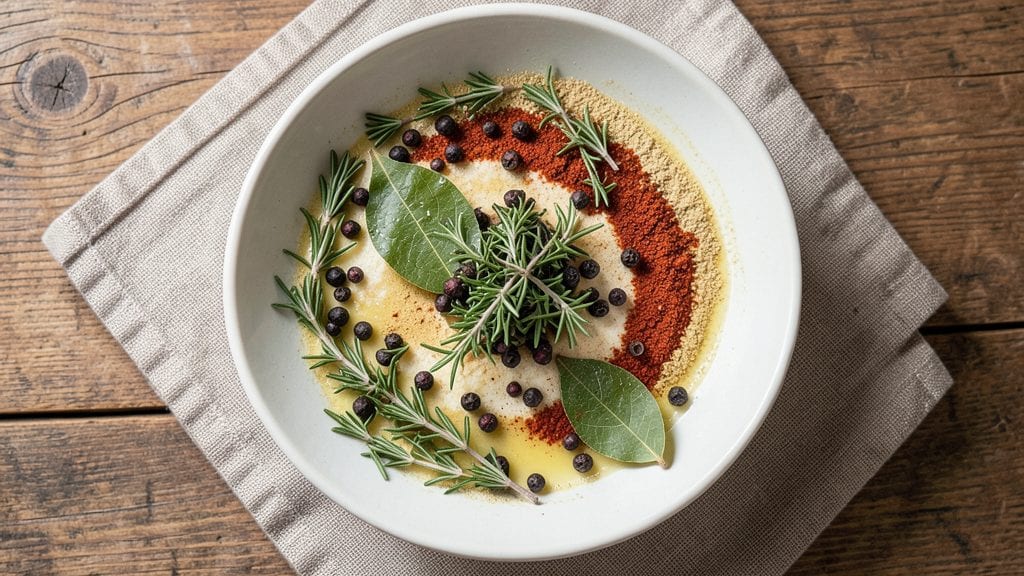
A well-crafted soup seasoning blend transforms ordinary broth into something extraordinary—this soup seasoning recipe is the pantry staple that elevates every bowl from basic to unforgettable. Standing on a step stool in my grandmother’s Sicilian kitchen, I learned how simple spices could turn a simple broth into a flavor symphony.
This blend combines classic Italian herbs with essential seasonings to create depth without overpowering your soup’s natural taste.
The foundation of this mix is simple but powerful: dried thyme, bay leaves, black pepper, and garlic powder create a warm, aromatic base that works in everything from creamy bisques to hearty stews.
Optional additions like smoked paprika or herbs de Provence add complexity for modern twists, while keeping the core flavors accessible for any cook. With just a few tablespoons, you’ll achieve restaurant-quality flavor in minutes.
What makes this seasoning truly versatile is its ability to enhance both traditional and contemporary soups—think classic chicken noodle or a bold red lentil stew. The blend dissolves seamlessly into hot broth, infusing every spoonful with layers of savory, herby richness.
No more measuring individual spices mid-cooking; this is the foolproof way to ensure perfect flavor every time.
Make a batch and store it in an airtight container for up to six months—it’s the secret weapon behind every memorable bowl. Whether you’re prepping for a week of soups or adding depth to a last-minute meal, this blend is your new kitchen essential.
Let’s get started with the ingredients you already have on hand.
Ingredients for soup seasoning
Nine simple spices that turn any broth into restaurant-quality soup.
| Ingredient | Amount | Notes |
|---|---|---|
| Dried Thyme 🌿 | 2 tbsp | Italian thyme preferred for authentic flavor |
| Bay Leaves 🍃 | 2 whole | Crushed lightly for deeper infusion |
| Black Peppercorns 🌶️ | 1 ½ tbsp | Freshly cracked for robust flavor |
| Garlic Powder 🧄 | 1 ½ tbsp | Not garlic salt, pure powder |
| Onion Powder 🧅 | 1 tbsp | Diamond Crystal preferred for purity |
| Smoked Paprika 🌶️ | 1 tbsp | Spanish paprika for authentic smokiness |
| Dried Oregano 🍃 | 1 tsp | Mexican oregano for deeper flavor |
| Ground Mustard 🌱 | ½ tsp | Adds subtle tangy depth |
| Sea Salt 🧂 | 1 tsp | Kosher salt for balanced seasoning |
| Herbs de Provence 🌿 | ½ tsp | Optional for modern Mediterranean twist |
The foundation starts with dried thyme and bay leaves—these are non-negotiable for that classic Italian soup depth. I always grab Italian thyme from Penzeys or the bulk section at Whole Foods for the most authentic flavor. Bay leaves should be the freshest possible—test by sniffing: if they smell like dust, toss them. For smoked paprika, Spanish paprika from La Boîte gives that authentic smokiness without bitterness. The garlic powder? Simply Organic is my go-to—it's pure, with no anti-caking agents that can dull the flavor.
No smoked paprika? Regular paprika plus a pinch of liquid smoke works in a pinch. Short on thyme? Dried rosemary at half the amount adds piney notes that pair well. The herbs de Provence is truly optional—skip it if you're sticking to classic flavors, but add it if you want that modern Mediterranean twist. For the mustard, Dijon-style ground mustard adds the best depth, but yellow mustard powder works too. Always measure your spices fresh after opening—spooning from the jar packs them down, giving you less volume over time.
Store this blend in an amber glass jar with a tight seal in a cool, dark place. Keeps its potency for up to 6 months—longer if you keep it airtight. I make a triple batch every time: one jar for my pantry, two to give to soup-loving friends. The bay leaves can be removed after adding to hot broth, but I often leave them in for the first 10 minutes of simmering to really infuse the flavor. Freeze extras in ice cube trays if you won't use them within a month—they'll keep indefinitely that way.
Why You'll Love This Recipe
- I’ll be real: this mix is so forgiving, I’ve thrown in random handfuls of thyme and peppercorns while chatting with the dog and still nailed it. The bay leaves add depth without fuss—just toss them in, forget them, and let the magic happen.
- No-Measure Guessing: I’ll be real: this mix is so forgiving, I’ve thrown in random handfuls of thyme and peppercorns while chatting with the dog and still nailed it. The bay leaves add depth without fuss—just toss them in, forget them, and let the magic happen.
- Soup’s Secret Weapon: That first spoonful? Chef’s kiss. The garlic and onion powders hit like a warm hug, while the thyme and peppercorns add a subtle kick that makes even store-bought broth taste homemade. Honestly, it’s the reason my lentil soup gets rave reviews.
- Pantry Staple Magic: This blend works in soups, stews, roasted veggies, or even scrambled eggs—no joke. I keep a jar in my cabinet because it’s the only seasoning that turns “meh” meals into “I’ll have seconds” moments. (Yes, even on a Tuesday night.)
Step-by-step instructions for creating homemade soup seasoning
This blend transforms ordinary broths into restaurant-quality soups with minimal effort.
Prepare the Dried Herbs and Spices
Begin by measuring out the 2 tablespoons of dried thyme and 2 whole bay leaves. I recommend crushing the bay leaves lightly between your palms or a rolling pin—this releases their essential oils and intensifies their flavor without turning bitter. The thyme should remain whole to prevent overpowering the blend.
Next, measure the 1.5 tablespoons of black peppercorns and 1.5 tablespoons of garlic powder separately. Here's the thing—if you're using whole peppercorns, consider cracking them lightly with a mortar and pestle or the flat side of a knife. This ensures even distribution and prevents random peppery bites in your soup. The garlic powder should be pure, not garlic salt, to avoid excessive sodium.
Add the Powdered Base Ingredients
In a medium bowl, combine the 1 tablespoon of onion powder, 1 tablespoon of smoked paprika, 1 teaspoon of dried oregano, and 0.5 teaspoon of ground mustard. This is where the magic happens—the onion powder provides a subtle sweetness, while the smoked paprika adds depth and a hint of smokiness that elevates any broth. The oregano contributes an earthy warmth, and the ground mustard introduces a subtle tang that balances the richness of soups.
Use a whisk or fork to break up any clumps in the onion powder and smoked paprika. These ingredients tend to compact during storage, so thorough mixing ensures even flavor distribution throughout your seasoning blend. I like to press the back of the spoon against the bottom of the bowl to scrape up any stuck bits—this guarantees no flavor is left behind.
Incorporate the Finishing Touches
Add the 1 teaspoon of sea salt and 0.5 teaspoon of herbs de Provence to the bowl. The sea salt should be kosher salt for balanced seasoning—it dissolves more easily than table salt and won't overpower the delicate flavors. The herbs de Provence, while optional, adds a modern Mediterranean twist that pairs beautifully with classic broths. If you're using this blend for heartier soups, you might increase this to 1 teaspoon.
Gently fold in the crushed bay leaves and thyme with the other ingredients. The key here is to distribute everything evenly without pulverizing the herbs. You want visible specks of thyme and bay leaf fragments in your finished blend—this ensures bursts of flavor in every spoonful of soup. If you're feeling particularly thorough, you can strain the mixture through a fine-mesh sieve to remove any large herb pieces, but I prefer leaving them for texture and visual appeal.
Store for Maximum Freshness
Transfer the completed seasoning blend to an airtight container, preferably glass. I like to use a small mason jar with a tight-sealing lid—this preserves the flavors and keeps out moisture. Label the jar with the contents and date, then store it in a cool, dark pantry for up to 6 months. The flavors will mellow slightly over time, but the blend remains effective for enhancing soups, stews, and even grain dishes.
When ready to use, measure out 1 to 2 teaspoons of the seasoning blend per quart of broth or soup. Add it during the last 10 minutes of cooking to allow the flavors to fully integrate without overpowering. For cream-based soups, reduce to ½ to 1 teaspoon to prevent bitterness from the herbs. This versatile blend works equally well in chicken noodle, tomato, or even vegetable broths—it's truly a pantry game-changer.
Pro Tips For Making Soup Seasoning
- CRUSH THE PEPPERCORNS: I learned this the hard way—whole black peppercorns in soup taste like tiny, bitter marbles. Grab a mortar and pestle or a rolling pin and flatten them first, or just pulse them in a spice grinder for 5 seconds. You want aromatic oils released, not crunchy surprises.
- TOAST THE THYME: Dried thyme loses its punch when it sits in cold liquid. Heat a dry skillet over medium-low, add the thyme, and stir for 30 seconds until fragrant. Let it cool slightly before mixing into your soup—this jumpstarts the flavor instead of letting it lurk in the background.
- BAY LEAVES BY THE NUMBERS: Skip the "handful" guesswork—use 1-2 whole bay leaves per 4 cups of broth. Tear them first (yes, even if they look sad) so their oils infuse faster. Remove them before serving unless you’re making a rustic, herb-forward stew where they’re part of the charm.
- SAVE THE GARLIC POWDER: I was skeptical until I tried it: store your garlic powder in the freezer. The cold preserves its potency for months, so you’re not dumping extra into every pot just to taste it. Label the bag so you don’t forget—trust me, you’ll want to use it all at once.
Essential equipment for this recipe
Mortar & Pestle
For crushing bay leaves and peppercorns, I swear by a marble mortar and pestle—it’s heavy enough to crack peppercorns effectively without overheating the spices. My go-to is the Kuhn Rikon 6-inch marble set; it’s durable and stays cool, which preserves volatile oils.
If marble feels too heavy, a wooden pestle (like the Cuisinart 4-piece set) works well for gentle crushing. Avoid metal pestles—they can heat up and alter delicate flavors like thyme. 🌿
Spice Grinder
A hand-crank spice grinder is a game-changer for blending powdered spices like onion powder and smoked paprika. I use the OXO Good Grips Spice Grinder—it’s affordable, easy to clean, and gives consistent results.
For whole spices, a microplane (like the Mincing Board) lets you finely grate garlic and shallots to mimic powdered versions. If you’re short on time, a blender or food processor works, but pulse briefly to avoid turning thyme into dust.
Airtight Storage Containers
Store your seasoning blend in amber glass jars with airtight lids—light degrades spices over time, and glass preserves flavors better than plastic. My favorite is the Le Parfait 16-ounce canister; it’s opaque, seals tightly, and fits neatly in my pantry.
For smaller batches, mason jars (like the Ball 8-ounce wide-mouth) work perfectly. Label each jar with the blend name and date—trust me, you’ll forget otherwise! ⏳
Measuring Spoons
Precision matters with spices, so invest in a set of stainless steel measuring spoons—they’re durable and won’t rust like plastic. The OXO Good Grips 5-piece set has ergonomic handles and clearly marked measurements.
For extra accuracy, I use a digital scale (like the Escali Primo) to measure spices by weight—especially for fine powders like mustard or herbs de Provence. A 1/8-teaspoon measure is essential for tiny amounts like ground mustard.
Whisk or Fork
Mixing the blend thoroughly requires a whisk or sturdy fork. I prefer a silicon-coated whisk (like the OXO Good Grips) because it won’t scratch my bowls. For stubborn clumps, press the back of a spoon against the bowl’s bottom to scrape up every last bit.
A rubber spatula also works well for folding in delicate herbs like thyme without crushing them. Pro tip: Tap the bowl gently on the counter to help break up any remaining lumps. ✨
Nutrition facts
Frequently asked questions
Can I use this seasoning blend in cold soups or chilled broths?
This blend works beautifully in cold soups like gazpacho or chilled cucumber soups! Simply stir in 1 teaspoon per quart of cold broth and let it sit for 10 minutes before serving. The flavors will mellow nicely in cold liquids, adding subtle depth without overpowering. For creamy cold soups, reduce to ½ teaspoon to prevent herb bitterness.
How do I adjust the seasoning for spicy soups?
For spicy soups like Thai coconut or chili-based broths, reduce the blend to ½ teaspoon per quart and omit the smoked paprika. Add extra cayenne or chili flakes separately to control heat levels. The thyme and bay leaf will still provide aromatic depth without competing with bold spices. Always taste first—you can always add more, but you can't remove excess salt or herbs.
What's the best way to remove bay leaves after cooking?
Use a slotted spoon or fine-mesh strainer to gently remove whole bay leaves after 10 minutes of simmering. For soups with delicate ingredients like noodles or rice, strain the entire broth through a fine sieve lined with cheesecloth to catch all herb fragments. Never leave bay leaves in for extended cooking—they can turn bitter and leave a soapy aftertaste.
Can I make a larger batch for gifting?
Double or triple the recipe and package it in amber glass jars with a decorative ribbon. Include a handwritten note with usage instructions (e.g., "1 tsp per quart of broth"). For extra presentation, add a small wooden spoon or recipe card. Store in a cool, dark place—it'll keep for up to 6 months and makes a thoughtful gift for soup lovers!
Why does my homemade blend taste different from store-bought?
Freshly made blends have brighter, more vibrant flavors than commercial versions that often contain fillers or old spices. The crushed bay leaves and whole thyme in this recipe release essential oils that store-bought blends can't match. For consistency, always measure spices fresh from the jar (spoons pack down over time) and store in airtight containers away from light and heat.