
Soups & Stews
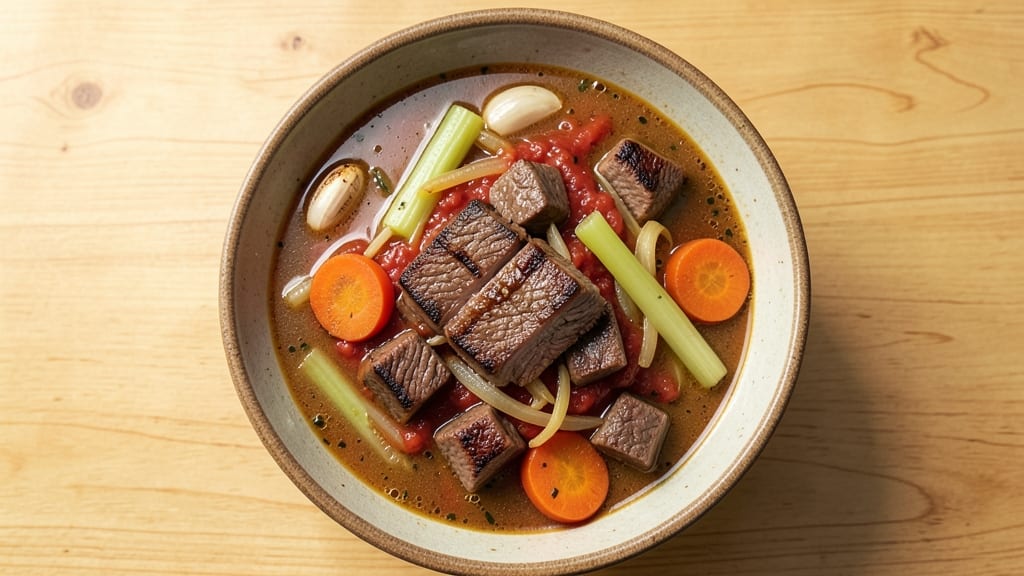
This sirloin soup recipe delivers restaurant-quality depth with tender beef chunks swimming in a rich, aromatic broth that builds flavor hour by hour. After years of testing, I’ve perfected a method where searing the meat first unlocks layers of caramelized richness—no shortcuts, just deep, savory satisfaction.
The key lies in patience: letting the broth reduce slowly while the beef melts into fork-tender perfection.
What sets this apart is the balance of technique and simplicity. You’ll start with a deep sear to develop the meat’s natural flavors, then simmer everything in a single pot for 3-4 hours, transforming tough cuts into melt-in-your-mouth bites.
The broth remains clear and robust, with just enough herbs to enhance—not overpower—the beef’s natural depth. This is the kind of soup that warms both body and soul on chilly evenings.
The result is a tender sirloin soup where every spoonful delivers bold, beefy flavor without heaviness. The broth clings to chunks of perfectly cooked meat, while aromatic vegetables and herbs add subtle complexity.
Serve it with crusty bread to soak up every last drop, or as a hearty starter for your main course. Once you taste this, store-bought versions won’t compare.
For those who prefer creaminess, a touch of heavy cream at the end transforms it into a velvety version without sacrificing depth. The recipe scales easily too—double it for leftovers that taste even better the next day.
Let’s get started on creating a soup that feels like a hug in a bowl.
Ingredients for sirloin soup
Tender beef chunks and aromatic broth make this soup feel like a restaurant favorite.
| Ingredient | Amount | Notes |
|---|---|---|
| Sirloin Steak 🥩 | 1 ½ lb | Cut into 1-inch chunks |
| Yellow Onion 🧅 | 1 whole | Chopped, medium size |
| Carrots 🥕 | 4 medium | Peeled and cut into chunks |
| Celery Stalks 🌿 | 3 whole | Chopped, with leaves |
| Garlic Cloves 🧄 | 4 cloves | Peeled, lightly crushed |
| Tomato Paste 🍅 | ¼ cup | Smooth, not chunky |
| Beef Broth 💧 | 6 cups | Low-sodium preferred |
| Red Wine 🍷 | ½ cup | Dry, bold variety |
| Fresh Thyme 🌿 | 2 sprigs | Or 1 tsp dried thyme |
| Fresh Bay Leaves 🍃 | 2 whole | Remove before serving |
| Olive Oil 🫒 | 2 tbsp | Extra-virgin for richness |
| Salt 🧂 | 1 tsp | Kosher or sea salt |
| Black Peppercorns 🌶️ | ½ tsp | Freshly cracked |
| Heavy Cream 🥛 | ¼ cup | Optional, for velvety finish |
The beef is everything here. Sirloin steak works best—it stays tender while developing deep flavor. Look for cuts with good marbling at Costco or Whole Foods—they usually have pre-cut chunks for convenience. If you're buying a whole piece, ask the butcher to cut it into 1-inch cubes. The carrots and celery should be fresh, not rubbery. Trader Joe's often has great organic veggies for this. Don't skip the thyme—fresh sprigs add a bright aroma that dried can't match, but if you must, use half the amount of dried. The bay leaves? Grab a few from the bulk section—they're worth it for that subtle, complex flavor.
No red wine? Beef broth with a splash of balsamic vinegar works in a pinch. The tomato paste might seem like overkill, but trust me—it deepens the color and flavor without making it taste like tomato soup. Pre-peeled garlic? Fresh is better here, but if you're in a rush, the jarred stuff will do. The celery leaves add extra flavor—don't toss them. For the wine, any dry red works (Cabernet, Merlot), but whatever's open in your fridge will do just fine. The heavy cream at the end is optional but transforms this into a silky version—use full-fat for the best texture.
This soup tastes even better the next day as flavors meld. Store in the fridge for 5-6 days or freeze for 3 months. I like to portion it into containers so I can grab a bowl anytime. The broth thickens as it cools, so add a splash of water or broth when reheating. Leftovers reheat beautifully—just warm gently on the stove or microwave until steaming. The beef chunks get even more tender with each reheat, which is why this tastes so good the second day.
Why You'll Love This Recipe
- Steakhouse in a Bowl: The leftover sirloin I usually toss? Chopped, simmered, and transformed into something richer than takeout. That deep, savory beef flavor—no fancy cuts needed—just a simple sear and slow simmer with onions and garlic until the broth clings to every bite.
- One-Pot Magic: Honestly, this is the kind of recipe where you can set it and forget it. Dice the onion, chop the carrots and celery (no fancy knife skills here), toss in the garlic, and let the pot do the work. By the time you’re done, the kitchen’s cleaner than if you’d made a full steak dinner.
- Leftovers That Don’t Suck: Between us, most beef soups turn into sad, watery meals the next day. Not this one. The sirloin holds its texture, the carrots stay tender-crisp, and the garlic-infused broth just gets better. I’ve reheated this for lunch three times this week—zero complaints.
- Budget Meal, Big Payoff: I buy sirloin on sale, freeze it, and pull it out when I need a hearty meal without breaking the bank. The onions and celery stretch the beef further, and the garlic? That’s the secret weapon that makes it taste like you spent hours on it. Five dollars, one pot, dinner solved.
Step-by-step instructions for sirloin soup
Here's how to build a rich, hearty sirloin soup with melt-in-your-mouth beef and aromatic vegetables.
Sear the Sirloin for Deep Flavor
Heat the 2 tablespoons olive oil in a large Dutch oven over medium-high heat. Add the 1.5 lb sirloin steak cut into 1-inch chunks, working in batches if needed to avoid crowding. Sear for 3-4 minutes per side until deeply browned—this builds the foundation for rich flavor. You'll see those chunks develop a beautiful crust, which releases into the broth later.
Once all the beef is browned, remove it from the pot and set aside. Don't drain the oil—those browned bits (fond) are pure flavor gold. Here's the thing: if you skip this step, your soup will taste flat. The Maillard reaction happening here creates complexity that transforms ordinary broth into something extraordinary.
Sauté the Vegetable Base
In the same Dutch oven, add the 1 whole chopped yellow onion, 4 medium carrots cut into chunks, and 3 whole chopped celery stalks with leaves. Cook over medium heat for 5-6 minutes, stirring occasionally, until the vegetables soften slightly and the onion becomes translucent. You're building the aromatic foundation—this step ensures your soup has that perfect balance of sweetness from carrots and earthiness from celery.
Add the 4 peeled, lightly crushed garlic cloves and cook for 30 seconds until fragrant. Then stir in the 0.25 cup tomato paste, spreading it evenly across the bottom of the pot. Cook for 1 minute to toast the tomato paste—this deepens its flavor and removes any raw taste. The paste will help balance the acidity from the red wine we're about to add.
Deglaze and Simmer the Broth
Pour in the 0.5 cup red wine and scrape up all those browned bits from the bottom of the pot with a wooden spoon. Let it simmer for 2-3 minutes until the wine reduces by half. This deglazing step captures all that concentrated beef flavor that would otherwise stick to the bottom. The alcohol will cook off, leaving behind just the rich wine essence.
Add the 6 cups beef broth, 1 teaspoon salt, and 0.5 teaspoon freshly cracked black peppercorns. Bring to a gentle boil, then reduce heat to low. Return the seared beef to the pot along with the 2 sprigs fresh thyme and 2 whole fresh bay leaves. Here's where patience pays off—simmer uncovered for 1.5 hours until the beef becomes fork-tender. You'll know it's ready when a knife slides in easily and the meat pulls apart with gentle pressure.
Finish with Cream and Season
Remove the 2 whole fresh bay leaves from the soup. Stir in the 0.25 cup heavy cream and simmer for 5 minutes to warm through and create a velvety finish. The cream adds richness without overpowering the beef flavors. Taste and adjust seasoning—you might need a pinch more salt since we're using low-sodium broth.
For the final touch, skim off any excess fat that has risen to the surface. Serve the soup hot in bowls, garnished with fresh parsley if you have it. Each spoonful should deliver tender beef chunks swimming in a deep, savory broth with perfect balance between the wine's acidity and the cream's richness. This is comfort food at its finest.
Pro Tips For Making Sirloin Soup
- SEAR THE STEAK FIRST: Cut the sirloin into 1-inch chunks and sear them in a hot pot with oil until they brown deeply—about 3-4 minutes per side. I learned this the hard way: skipping the sear makes the soup taste like it’s missing something. The crust adds flavor that no amount of bouillon can replace.
- SWEEP THE POT: After searing the onions, carrots, and celery, tilt the pot and scrape up all those stuck-on bits with a wooden spoon. Those bits are pure flavor, and letting them burn just wastes good stuff. Do it every few minutes—it takes 30 seconds but makes a real difference.
- DON’T OVERCOOK THE GARLIC: Add the minced garlic to the pot only in the last 2 minutes of cooking. Garlic burns faster than you think, and once it’s bitter, there’s no fixing it. If you’re using whole cloves, smash them lightly with the side of your knife first—they’ll infuse flavor without turning the soup acrid.
- USE COLD WATER: Start the soup with cold water, not hot. The sudden temperature drop helps tighten the meat fibers, keeping the sirloin tender instead of turning it into rubber. Add the broth later if you need more liquid—this is the thing that matters most for texture.
Perfect pairings for sirloin soup
Bread Pairings
This soup shines with crusty sourdough or rustic baguette—their sturdy texture soaks up the rich broth beautifully. I love toasting slices until golden and crisp, then dipping them into the soup.
For extra indulgence, try garlic focaccia with its herby, buttery notes that complement the beef's depth. A homemade dinner roll with a soft interior also works perfectly. 🥖
Wine Complements
A bold Cabernet Sauvignon or Merlot enhances the soup's beefy richness, with their dark fruit notes harmonizing with the wine already in the recipe. For something lighter, a Pinot Noir adds elegance without overpowering.
I often reach for whatever's open in my fridge—even a simple Chianti works in a pinch. Avoid heavy, oaky whites that would clash with the meat's depth.
Cheese Boosters
Add grated Parmesan or Pecorino Romano at the table for a salty, umami kick—just 1-2 tablespoons per bowl elevates the flavor. For a creamy twist, stir in ¼ cup sour cream or mascarpone at the end, letting it swirl into the broth.
A sprinkle of freshly cracked black pepper right before serving adds a final layer of complexity.
Herb Garnishes
Fresh flat-leaf parsley or chives brighten the soup with a pop of color and freshness. I also like adding thinly sliced scallions for a mild onion bite. If you have fresh thyme sprigs, a few scattered on top echo the soup's herbal notes beautifully.
The key is to add garnishes just before serving so they stay vibrant.
Side Dish Harmony
Serve with roasted Brussels sprouts or sautéed green beans for a balanced meal—their earthy flavors contrast the soup's richness. A simple arugula salad with lemon vinaigrette cuts through the heaviness, while mashed potatoes add a comforting, creamy element. For a heartier option, crusty polenta soaks up broth beautifully. 🥦
Beverage Pairings
A dark beer like stout or porter balances the soup's depth with its malty sweetness. For non-alcoholic options, sparkling water with lemon refreshes the palate between spoonfuls. I also enjoy a hot cup of chai tea alongside—its spiced warmth complements the beef's savory notes perfectly.
The key is to choose drinks that won't overpower the soup's natural flavors.
Nutrition facts
Frequently asked questions
Can I use a different cut of beef instead of sirloin?
Chuck roast or stew beef work beautifully—they're more forgiving for long cooking times. For leaner cuts like flank steak, marinate it first for 30 minutes to prevent drying out. The key is to cut the meat into 1-inch chunks for even cooking.
How do I make this soup creamier without heavy cream?
Blend ½ cup of the cooked broth with ¼ cup sour cream or ½ cup Greek yogurt, then stir it back into the soup. For a dairy-free option, mash ½ cup cooked potatoes or ½ avocado into the broth. Simmer for 5 minutes to meld flavors.
Why did my beef turn out tough instead of tender?
Most likely, the soup didn't simmer long enough. Sirloin needs at least 1.5-2 hours of gentle simmering to break down collagen. If the chunks were too large, cut them smaller next time. Also, avoid boiling—keep heat at a low simmer to prevent toughness.
Can I make this soup in an Instant Pot?
Yes! Sear the beef first in a skillet, then transfer everything to the Instant Pot. Cook on high pressure for 45 minutes, then quick-release. The broth will be less reduced, so simmer uncovered for 10 minutes to thicken. For extra depth, add 1 teaspoon Worcestershire sauce during cooking.
What's the best way to store and reheat leftovers?
Store in an airtight container in the fridge for 5-6 days or freeze for 3 months. Reheat gently on the stove with ½ cup broth to prevent drying. The beef gets even more tender with reheating! For microwaving, cover and heat in 1-minute intervals to avoid splattering.