
Soups & Stews
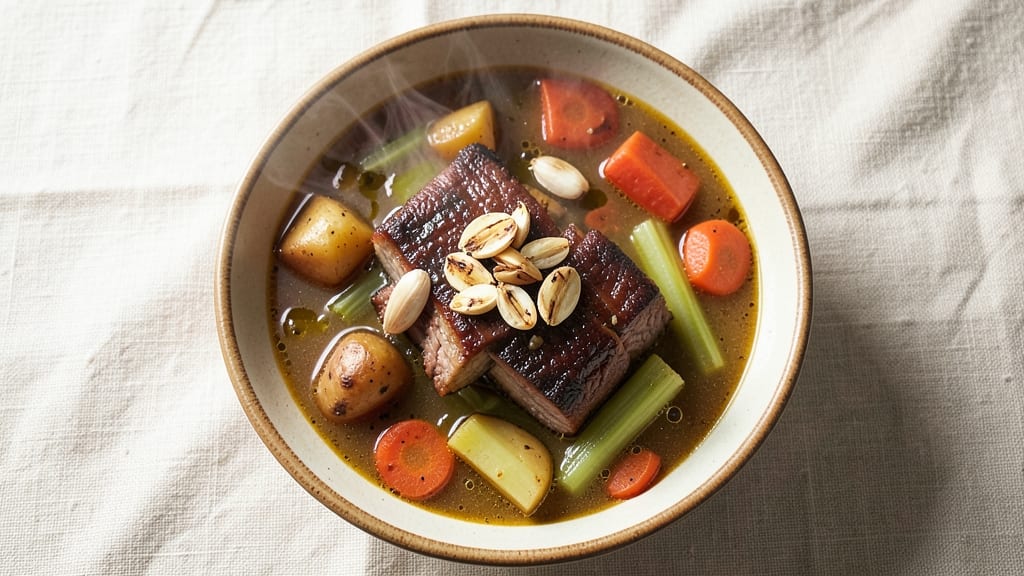
This ribs and potatoes soup recipe transforms tough ribs into tender, fall-off-the-bone meat while creating a rich, smoky broth that's perfect for cold days. The secret lies in slow cooking the ribs until they're fork-tender, then simmering them with potatoes and vegetables to develop deep, savory flavors.
I've perfected this over years of testing—each batch yields a hearty stew that's both comforting and restaurant-quality.
The beauty of this recipe is its simplicity: ribs, potatoes, and basic pantry staples come together in one pot, creating a meal that's as satisfying as it is easy to prepare.
We'll use a combination of slow simmering and pressure cooking techniques to ensure the ribs stay moist while the broth reduces to perfect intensity. The result is a dish that's rich in collagen, packed with protein, and full of that smoky, meaty aroma that fills your kitchen.
By the end, you'll have a steaming bowl of ribs and potatoes swimming in a velvety broth, where every spoonful delivers tender meat, hearty potatoes, and layers of savory flavor. The slow cooking process infuses the broth with natural richness, while the potatoes absorb the smoky essence of the ribs.
This is the kind of soup that feels like a hug on a chilly evening, and it's easy to double the recipe for leftovers.
Whether you're feeding a family or meal prepping for the week, this ribs and potatoes soup delivers consistent results every time. The instructions are clear, the technique is foolproof, and the outcome is always delicious.
Let's get started on creating this comforting classic that's sure to become a staple in your recipe collection.
Ingredients for ribs soup
Six ingredients make the base—ribs, potatoes, and pantry staples that turn into smoky, hearty comfort.
| Ingredient | Amount | Notes |
|---|---|---|
| Beef Ribs 🍖 | 3 lb | Bone-in, cut into 2-inch pieces |
| Yellow Onions 🧅 | 2 whole | Chopped, medium size |
| Carrots 🥕 | 4 whole | Peeled, cut into chunks |
| Russet Potatoes 🥔 | 3 lb | Peeled, cut into 1-inch cubes |
| Celery Stalks 🥬 | 4 whole | Chopped, with leaves |
| Garlic Cloves 🧄 | 6 cloves | Minced, fresh preferred |
| Beef Broth 💧 | 6 cups | Low-sodium preferred |
| Tomato Paste 🍅 | ½ cup | Smooth, not chunky |
| Apple Cider Vinegar 🍎 | 2 tbsp | For tangy depth |
| Smoked Paprika 🌶️ | 1 tbsp | For smoky flavor |
| Ground Black Pepper 🌶️ | 1 tbsp | Freshly cracked |
| Bay Leaves 🌿 | 2 whole | Remove before serving |
| Salt 🧂 | 1 ½ tbsp | Adjust to taste |
| Olive Oil 🫒 | ¼ cup | For searing ribs |
| Fresh Thyme 🌿 | ¼ cup | Leaves only, chopped |
The ribs are non-negotiable—bone-in, cut into 2-inch chunks for maximum flavor. Costco or your butcher shop usually has the best deals on beef ribs, and you want the meaty parts with just enough bone for collagen. If you can't find beef ribs, pork ribs work too, but beef gives that deeper, richer broth. Look for bright red meat with good marbling—avoid anything grayish or slimy. The potatoes? Russets are your best bet—they hold up to long cooking and soak up the smoky broth beautifully. For the broth, low-sodium is key—we'll season as we go, and you don't want to over-salt the whole pot.
No smoked paprika? Substitute with a mix of regular paprika and a pinch of liquid smoke—just a teaspoon or two, or it'll taste like a campfire. Fresh thyme? Dried works at one-third the amount, but fresh has that bright, herby punch. Running low on apple cider vinegar? White vinegar or red wine vinegar will do in a pinch—just use the same amount. For the tomato paste, Trader Joe's has those little squeeze tubes that are perfect for this—no waste, and they keep forever. The celery leaves are important too—don't toss them! They add extra flavor to the broth, and you can even use them in a garnish if you're feeling fancy.
This soup tastes even better the next day—4-5 days in the fridge, no problem. For leftovers, I like to portion it into mason jars so it reheats evenly. Freezes beautifully for up to 3 months too, though the texture changes slightly after thawing. If you're meal prepping, make a double batch—the broth reduces and intensifies overnight, and you'll have enough for lunches all week. Just remember to skim off any fat that rises to the top before reheating.
Why You'll Love This Recipe
- One-Pot Magic: I swear by this recipe—just toss ribs, onions, carrots, and celery into a pot with broth, and let it simmer. No chopping like a fine chef, no fancy techniques, just dump-and-go that still tastes like you put in effort.
- Rich, Deep Umami: That slow-cooked beef rib turns tender, falling off the bone, while the onions caramelize into sweet, savory layers. The potatoes soak up all the flavor, making every bite hearty and satisfying—no bland broth here.
- Lunchbox Hero: Between us, this soup is my meal prep secret weapon. Pack it in thermoses for work, or serve it cold the next day with crusty bread. Kids? Check. Picky eaters? They’ll ask for seconds anyway.
- Budget Meal Stretch: A pound of ribs and a few veggies feed four easily, and leftovers taste just as good reheated. Honestly, I’ve had this for breakfast (yes, really) and it’s still my go-to when I’m pinching pennies.
Step-by-step instructions for ribs and potatoes soup
Here's how to turn tough ribs into tender, smoky goodness with hearty potatoes and veggies.
Sear the Ribs for Deep Flavor
Heat a large Dutch oven over medium-high heat. Add the 0.25 cup olive oil and let it get hot but not smoking. Working in batches if needed, add the 3 lb beef ribs cut into 2-inch pieces. Sear each piece for 3-4 minutes per side until they develop a deep golden-brown crust. This step is crucial—it locks in flavor and gives your soup that rich, caramelized taste.
As you sear, don't overcrowd the pot. If you have to work in batches, that's fine—just make sure each piece gets that perfect crust. Once all the ribs are browned, remove them and set them aside on a plate. You'll add them back later, but first, we're building the soup base.
Build the Soup Base with Aromatics
In the same Dutch oven, add the 2 whole chopped yellow onions, 4 whole peeled carrots cut into chunks, and 4 whole chopped celery stalks with leaves. Cook these for 5-6 minutes, stirring occasionally, until the vegetables begin to soften and the onions turn translucent. This is where the flavors start to meld together.
Next, add the 6 cloves minced garlic, 1 tbsp smoked paprika, 1 tbsp ground black pepper, and 1.5 tbsp salt. Stir everything together and cook for another 1-2 minutes until the garlic is fragrant and the spices are toasted just enough to release their aroma. This step is the flavor foundation—don't skip it. Here's the thing—if you rush this, your soup will taste flat.
Now stir in the 0.5 cup tomato paste and cook for 2 minutes to deepen the color and flavor. Pour in the 2 tbsp apple cider vinegar and let it bubble for 30 seconds to brighten the whole dish. This tangy touch balances the richness of the ribs and adds complexity.
Simmer the Vegetables and Add Broth
Add the 3 lb russet potatoes cut into 1-inch cubes and pour in the 6 cups beef broth. Stir everything together, scraping up any browned bits from the bottom of the pot. Bring the mixture to a boil, then reduce the heat to medium-low and let it simmer uncovered for 20 minutes. This gives the potatoes time to start breaking down and the flavors time to develop.
After 20 minutes, check the potatoes with a fork. They should be tender but not falling apart. If they're still firm, let them simmer another 5-10 minutes. The goal is for them to be soft enough to blend into the soup but still hold their shape. If the soup looks too thick, add a little water—just enough to loosen it up.
Return the Ribs and Finish Cooking
Add the seared ribs back into the pot. They'll help infuse the broth with their rich, smoky flavor as they cook. Stir in the 0.25 cup chopped fresh thyme and 2 whole bay leaves. Bring the soup back to a gentle simmer and cook uncovered for 45-60 minutes. The ribs should be fork-tender and easily pull apart from the bone.
Here's the moment that matters: The ribs are done when they're tender enough to shred with a fork. If you're unsure, check one piece early—it's better to pull them out a little early than to overcook them. Once they're tender, remove the bay leaves and discard them. Taste the soup and adjust the seasoning if needed—you might need a little more salt or pepper to balance the flavors.
Serve Warm and Enjoy
Let the soup rest for 5-10 minutes off the heat. This allows the flavors to meld even more and makes it easier to serve. Ladle the soup into bowls and serve it hot. Each spoonful should be packed with tender ribs, hearty potatoes, and a rich, smoky broth. The vegetables should be soft but still hold their shape, and the ribs should pull apart easily.
For extra flavor, garnish with a sprinkle of fresh thyme or a drizzle of the reserved olive oil. This soup is perfect for a cozy meal—it's hearty, comforting, and full of deep, savory flavors. Don't forget to save some leftovers for later; it tastes just as good reheated the next day.
Pro Tips For Making Ribs Soup
- Brown the Ribs First: DESCRIPTION: I learned this the hard way—skipping the sear means flavorless broth. Get those ribs deep golden in a hot pot with oil before adding liquid. The crust locks in meaty richness, and your soup won’t taste like it’s missing something.
- Cut Ribs into Chunks: DESCRIPTION: Whole ribs? Nope. Toss them into 2-inch pieces before simmering—smaller chunks cook faster and break down better. (Yes, even if you’re in a hurry, this isn’t the step to rush.)
- Parboil the Potatoes: DESCRIPTION: Russets soak up broth like sponges, but they’ll turn to mush if dumped raw. Boil them 5 minutes first, then add to the pot. They’ll stay creamy, not gluey—trust me, your soup’s texture depends on this.
- Save the Celery Leaves: DESCRIPTION: Tossing the stalks? Chop the leaves too—they’re packed with flavor. (I used to ignore them, then realized they make the broth actually aromatic.) No waste, just better soup.
Best sauces and condiments for this dish
Smoky BBQ Sauce
Elevate your ribs and potatoes soup with a homemade BBQ sauce that enhances the smoky depth. I blend ½ cup ketchup, 2 tbsp apple cider vinegar, 1 tbsp smoked paprika, 1 tbsp brown sugar, and ½ tsp cayenne pepper.
Simmer for 10 minutes until thickened, then stir 2 tbsp into the finished soup. The tangy-sweet balance cuts through the richness while amplifying the ribs' natural smokiness. 🌶️
Creamy Sour Cream Swirl
For a velvety texture, stir ¼ cup sour cream into individual bowls before serving. The cool creaminess contrasts beautifully with the warm soup, adding a restaurant-style finish. I like to mix it with 1 tsp fresh dill for a bright herbal note.
Add it just before serving—it’ll melt into the hot broth without curdling. 🥄
Spicy Sriracha Drizzle
If you crave heat, drizzle 1 tsp sriracha over each serving for a fiery kick. The bold, garlicky flavor from Huy Fong Sriracha pairs perfectly with the smoky ribs.
For a milder version, mix it with 1 tsp honey to balance the spice. Add it right before eating so the heat doesn’t overpower the broth. 🔥
Herb-Infused Olive Oil
Finish with a drizzle of herb-infused olive oil for extra richness. Heat 2 tbsp olive oil with 1 tsp chopped rosemary and 1 tsp chopped parsley until fragrant, then strain and drizzle over the soup.
The aromatic oils elevate the dish without altering its texture. Store any leftovers in an airtight container for up to 1 week. ✨
Crispy Fried Onions
Top with crispy fried onions for a crunchy contrast. Sauté ½ cup thinly sliced red onions in 2 tbsp butter over medium-high heat for 5-7 minutes until golden brown. Sprinkle them over the soup just before serving—they’ll stay crisp longer than if added earlier. 🧅
Fresh Parsley Garnish
A sprinkle of fresh parsley brightens the dish with a pop of color and freshness. Chop 2 tbsp parsley and scatter it over the soup right before eating. The bright green not only looks stunning but also adds a subtle herbal note that cleanses the palate between spoonfuls. 🌿
Nutrition facts
Frequently asked questions
Can I use pork ribs instead of beef ribs?
Pork ribs work beautifully in this recipe—they'll give your soup a slightly sweeter, milder flavor compared to beef. Just reduce the cooking time by about 15-20 minutes since pork ribs tenderize faster. The smoky depth will still shine through, and the broth will have a different but equally delicious profile.
What if my ribs aren't tender after cooking?
If the ribs feel tough, they likely need more time. Shred a small piece to check—if it's still chewy, return the pot to a simmer (covered) for another 30-45 minutes. For extra tenderness, add ½ cup water or broth to prevent drying. Bone-in ribs should be fork-tender; if they're still resistant, try increasing the heat slightly and cooking uncovered to reduce excess liquid.
How can I make this soup in a slow cooker?
Transfer all ingredients to your slow cooker after searing the ribs. Cook on low for 6-7 hours or high for 3-4 hours, stirring occasionally. The ribs will fall apart easily, and the broth will develop deeper flavor. For best results, skip the bay leaves—they can turn bitter in slow cooking. Add fresh thyme at the end for brightness.
Can I freeze the leftovers?
Yes! This soup freezes exceptionally well. Let it cool completely, then store in an airtight container for up to 3 months. Thaw overnight in the fridge and reheat gently on the stove, stirring occasionally. The texture remains rich, though the potatoes may soften slightly. For best results, reheat only until steaming hot—no need to boil.
What vegetables can I add for extra nutrition?
Try adding zucchini, green beans, or spinach in the last 15 minutes of cooking to keep them crisp. For heartier options, include sweet potatoes or butternut squash (add them with the potatoes). Just avoid overcrowding the pot—this can dilute the broth's richness. Fresh herbs like kale or Swiss chard also work well, adding earthy depth.