
Soups & Stews
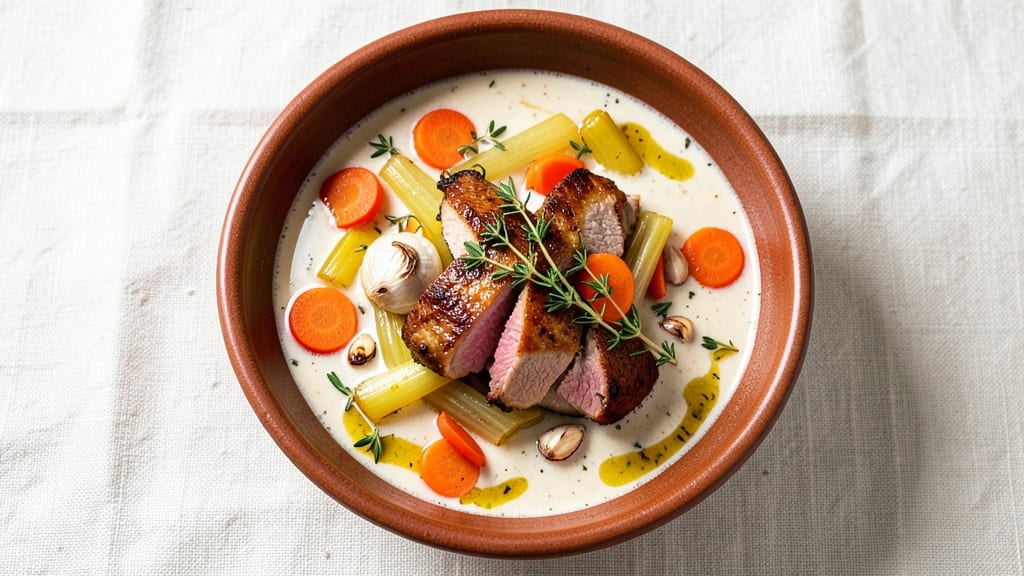
This earthy herb-infused rabbit soup transforms humble ingredients into a deeply comforting, one-pot masterpiece that warms both body and soul. After years of perfecting the balance between tender meat and aromatic broth, I’ve developed a method that delivers restaurant-quality results with minimal effort—just two hours of hands-off simmering.
The secret lies in slow-cooking the rabbit with aromatic vegetables and herbs until the meat falls apart effortlessly, creating a rich, velvety broth that’s impossible to resist.
The beauty of this recipe is its versatility—it works equally well as a hearty weeknight dinner or a showstopping centerpiece for gatherings. Unlike traditional rabbit dishes that require complex techniques, this version simplifies the process without sacrificing depth of flavor.
Aromatic vegetables like carrots, celery, and onions form the foundation, while fresh herbs—thyme, bay leaves, and parsley—infuse the broth with layers of earthy, savory notes that elevate every spoonful.
By the time you’re done, you’ll have a luxuriously tender rabbit soup with meat that melts at the touch of a spoon and a broth so rich it coats your palate with every bite.
The herbs and vegetables soften just enough to blend seamlessly into the dish, while the rabbit’s natural tenderness ensures a melt-in-your-mouth experience. Serve it with crusty bread to soak up every last drop of that fragrant, comforting liquid gold.
This recipe also doubles as a make-ahead masterpiece—the flavors deepen overnight, making it perfect for meal prepping or special occasions. Whether you’re feeding a family or treating yourself to a cozy night in, this rabbit soup delivers the kind of unshakable comfort that turns ordinary evenings into memorable ones.
Ingredients for rabbit soup
Earthy herbs and tender rabbit create a deeply comforting, one-pot masterpiece.
| Ingredient | Amount | Notes |
|---|---|---|
| Rabbit Meat 🐇 | 1 ½ lb | Cut into 1-inch pieces, bone-in preferred |
| Yellow Onions 🧅 | 1 whole | Medium size, chopped |
| Carrots | 3 medium | Peeled, chopped into 1-inch pieces |
| Celery Stalks 🥬 | 3 whole | Chopped into 1-inch pieces |
| Garlic Cloves 🧄 | 4 cloves | Peeled and smashed |
| Fresh Thyme 🌿 | ½ ounce | Stems removed, leaves chopped |
| Fresh Parsley 🌿 | ¼ cup | Leaves only, chopped |
| Bay Leaves 🍃 | 2 whole | Dried, standard size |
| Tomato Paste 🍅 | 2 tbsp | Smooth, not chunky |
| Dry White Wine 🍷 | ½ cup | Sauvignon Blanc preferred |
| Chicken Stock 💧 | 4 cups | Homemade or quality low-sodium |
| Olive Oil 🫒 | ¼ cup | Extra-virgin for richness |
| Salt 🧂 | 1 ½ tsp | Diamond Crystal preferred |
| Black Peppercorns 🌶️ | ½ tsp | Freshly cracked |
| Fresh Lemon Juice 🍋 | 1 tbsp | From 1 small lemon |
Rabbit meat is the star—look for bone-in pieces at Whole Foods or your local butcher; it stays tender longer. Fresh thyme and parsley make all the difference here, so grab them from the farmers market if possible. The carrots and celery should be vibrant, not wilted—organic is ideal for deeper flavor. If you can't find rabbit, substitute chicken thighs (they hold up well to long cooking). The bay leaves add that subtle earthiness that makes this soup special—don't skip them.
No white wine? Chicken stock with a splash of apple cider vinegar works perfectly. Fresh herbs wilt fast, so store them in damp paper towels in the fridge. The tomato paste can be the squeeze-tube kind from Trader Joe's—it's convenient and keeps well. For extra richness, add a splash of heavy cream at the end (but save it for serving). The garlic should be fresh—pre-minced jars lack punch. If you're prepping ahead, freeze the rabbit pieces until ready to use.
This soup tastes even better the next day—flavors meld beautifully overnight. Store leftovers in the fridge for 4-5 days or freeze for 3 months. I always make a double batch because it reheats perfectly. For serving, crusty bread is non-negotiable—it soaks up that velvety broth like a dream. The lemon juice at the end brightens everything up—don't skip this step.
Why You'll Love This Recipe
- One-Pot Magic: I swear by this recipe because it’s actually one-pot—no chopping boards full of scraps, no pots to wash. Just sear the rabbit with onions, toss in the carrots and celery, add broth, and let it simmer. Honestly, the only mess is the good kind: the kind that smells like a home-cooked meal.
- Garlic Bomb Flavor: That first whiff of garlic and seared rabbit? Chef’s kiss. The meat stays tender while the onions caramelize, and the celery adds this bright, herbal note that cuts through the richness. Between us, I’ve had rabbit that tasted like gamey cardboard—this recipe fixes that.
- Leftovers That Beg: This soup tastes better the next day. The rabbit stays juicy, the broth thickens just enough, and the carrots soften into sweet, melt-in-your-mouth pieces. I’ll be real: I’ve reheated it three times in a row, and my family still asks for seconds. (Yes, even on a Tuesday night.)
- Budget-Friendly Protein: Rabbit is leaner than beef but packs serious flavor—way more satisfying for half the cost. A whole rabbit feeds four, and the leftovers freeze beautifully. I’ve stretched this into lunches for days, and the carrots and celery stretch the meal further without breaking the bank. Practical? Absolutely. Delicious? Ridiculously so.
Step-by-step instructions for earthy herb-infused rabbit soup
A rich, comforting soup emerges when rabbit meat and aromatic vegetables meld together.
Sear the Rabbit Meat for Deep Flavor
Heat the 0.25 cup olive oil in a large Dutch oven over medium-high heat. Add the 1.5 lb rabbit meat in batches, allowing space between pieces to avoid overcrowding. Sear for 4-5 minutes per side until the meat develops a rich golden-brown crust—this step builds the foundation of flavor.
Remove the seared rabbit and set aside on a plate. If the oil starts to smoke excessively, reduce the heat slightly. The goal is to create a deep, caramelized crust without burning the meat. This process also helps tenderize the rabbit, ensuring it becomes fork-tender during simmering.
Sauté the Vegetables and Aromatics
In the same Dutch oven, add the 1 whole yellow onions, 3 medium carrots, and 3 whole celery stalks, all chopped into 1-inch pieces. Cook for 5-6 minutes over medium heat, stirring occasionally, until the vegetables begin to soften and release their natural juices.
Add the 4 cloves garlic cloves (smashed) and cook for an additional 30 seconds until fragrant. The garlic should sizzle gently but not burn—this is when the vegetables will release their sweet, earthy flavors. If the pan starts to stick, add a splash of 0.5 cup dry white wine to deglaze and scrape up any browned bits from the bottom.
Build the Soup Base with Herbs and Tomato Paste
Stir in the 2 tbsp tomato paste and cook for 1 minute until it darkens slightly, deepening the soup's rich color and adding a subtle umami note. Add the 0.5 ounce fresh thyme, 2 whole bay leaves, and 0.5 tsp black peppercorns, stirring to combine. Pour in the 4 cups chicken stock and bring the mixture to a gentle boil.
Return the seared rabbit meat to the pot, along with any accumulated juices. Reduce the heat to low and let the soup simmer uncovered for 45-50 minutes, stirring occasionally. The rabbit should become fork-tender, and the broth should develop a deep, aromatic flavor. Skim off any foam that rises to the surface during the first 10 minutes of simmering to ensure a clear broth.
Finish with Herbs and Lemon Juice
Once the rabbit is tender, stir in the 0.25 cup fresh parsley and 1 tbsp fresh lemon juice. The lemon juice brightens the soup, cutting through the richness of the rabbit and herbs. Taste and adjust the seasoning with the 1.5 tsp salt if needed—rabbit has a mild flavor, so balancing it with herbs and acid is key.
Simmer for an additional 5 minutes to allow the flavors to meld. The soup should have a velvety texture with tender rabbit pieces suspended in a fragrant, herb-infused broth. If the soup is too thick, add a splash of water or stock to reach your desired consistency. Serve immediately, garnished with extra parsley and a drizzle of olive oil for added richness.
Pro Tips For Making Rabbit Soup
- BROWN THE RABBIT FIRST: Skip the slow simmer start—sear the rabbit pieces in batches over medium-high heat until deeply browned. This locks in flavor and prevents a bland broth; I learned this the hard way after making soup that tasted like "water with rabbit in it."
- CHOP ONIONS UNIFORMLY: Cut yellow onions into even ½-inch slices instead of rough chunks. They’ll cook at the same rate as carrots and celery, so nothing turns mushy while the rest stays crunchy—no one likes a soup where veggies fight for texture.
- DON’T BOIL THE GARLIC: Add minced garlic to the pot after the rabbit and veggies have simmered for 20 minutes. Raw garlic burns fast, and charred bits taste bitter—like someone dumped medicine in your soup.
- USE COLD WATER: Start with cold water instead of hot to avoid shocking the rabbit meat and leaching out juices. Warm the broth gradually; this keeps the meat tender and the soup richer—no one wants stringy rabbit, even if it’s "gamey."
Dietary considerations for rabbit soup
Gluten-Free Adaptations
This rabbit soup is naturally gluten-free as written, but always double-check your ingredients. The chicken stock should be certified gluten-free—brands like Pacific Foods or Imagine are reliable choices. If using wine, opt for a gluten-free dry white wine like Sutter Home or Freixenet to avoid cross-contamination.
The tomato paste and herbs are inherently safe, but store-bought broths can sometimes contain hidden gluten. 🌾
Dairy-Free Considerations
No dairy is required in the original recipe, but if you're avoiding it entirely, skip any optional cream additions. The broth is rich enough on its own, and the lemon juice provides brightness without dairy.
For extra creaminess, blend in ½ cup coconut milk at the end—it adds a subtle sweetness that complements the earthy flavors. Always check your stock for dairy additives, especially if using store-bought. 🥥
Low-Carb Modifications
To make this soup lower in carbs, reduce the carrots to 2 medium and omit the tomato paste entirely—it adds minimal carbs but contributes depth. Use cauliflower florets instead of some carrots for a veggie boost without the starch.
The rabbit and herbs remain the star, so focus on maximizing their flavor. This version still delivers that comforting, hearty feel while fitting a keto-friendly approach. 🥦
Vegetarian Substitutions
For a vegetarian version, replace the rabbit with chicken thighs or mushrooms (like cremini or shiitake) for umami depth. Use vegetable stock instead of chicken stock—brands like Imagine or Pacific Foods work well.
The herbs and wine still shine, but the texture will be slightly different. Add 1 tbsp nutritional yeast for a cheesy, savory note if desired. 🍄
Allergen-Friendly Adjustments
If someone has a shellfish allergy, ensure your stock is shellfish-free—some brands use seafood-based additives. For soy allergies, avoid soy-based thickeners and stick to the original recipe. The wine and herbs are naturally safe, but always read labels for hidden allergens in store-bought ingredients.
Cross-contamination is the biggest risk, so clean surfaces thoroughly if sharing a kitchen. 🚫
Nutrition facts
Frequently asked questions about rabbit soup
Why does rabbit meat need to be seared before simmering?
Searing creates a flavorful crust that locks in juices and builds depth in the broth. The 4-5 minutes per side at medium-high heat develops a rich, caramelized surface that transforms mild rabbit into a deeply flavorful component. Skipping this step leaves the meat bland and watery.
Can I use frozen rabbit instead of fresh?
Yes, but thaw it completely in the refrigerator first—never at room temperature. Frozen rabbit works just as well, though it may release more moisture during cooking. Pat the pieces dry before searing to prevent steaming instead of browning. The cooking time remains the same.
What if my soup tastes too strong after simmering?
Add 1 tbsp lemon juice or ½ cup fresh parsley at the end to brighten flavors. If the herbs overpower, reduce the thyme to ¼ ounce next time. The wine and tomato paste can also concentrate—simmer uncovered to evaporate excess alcohol. Taste as you go!
How do I store leftovers without drying out the rabbit?
Cool the soup completely, then store it in an airtight container with a thin layer of broth on top to prevent drying. Reheat gently on low heat with a splash of water or stock. Leftovers keep for 4-5 days in the fridge or 3 months frozen. Never reheat above 165°F.
Can I make this soup in a slow cooker?
Yes! Brown the rabbit in a skillet first, then transfer everything to the slow cooker. Cook on low for 6-7 hours or high for 3-4 hours. The longer cook time makes the meat extra tender, but check for doneness early—rabbit overcooks quickly. Add lemon juice at the very end.