
Soups & Stews
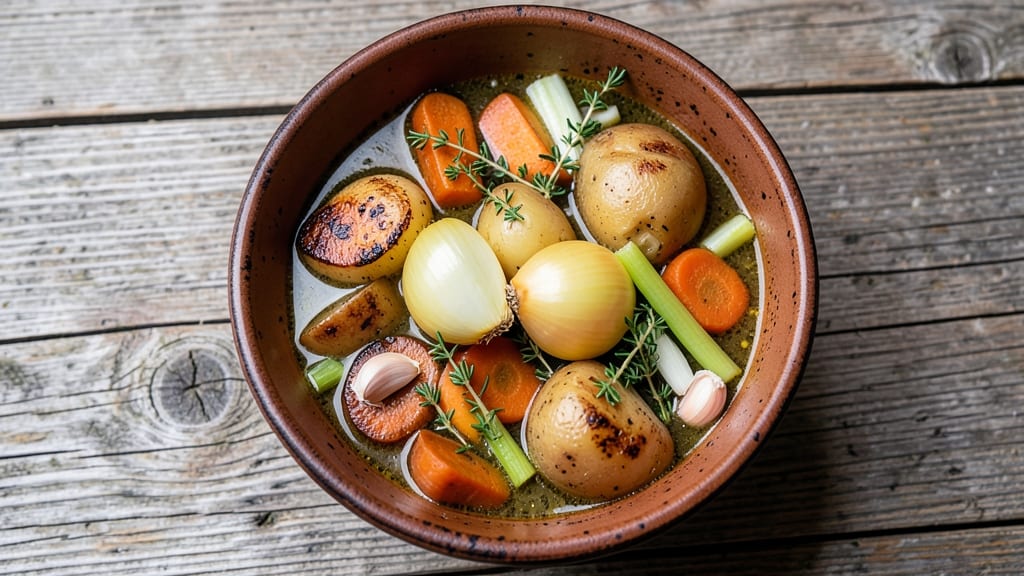
This Pioneer Woman vegetable soup recipe transforms simple garden vegetables into a deeply satisfying one-pot meal that warms the soul and fills the kitchen with homegrown comfort. The secret lies in slow-simmered flavors—carrots sweetened just enough, potatoes creamy without heavy cream, and herbs that elevate humble ingredients into something extraordinary.
I developed this version after years of testing, ensuring every bite delivers that perfect balance of rustic simplicity and restaurant-quality depth.
The beauty of this recipe is its versatility—use whatever vegetables are freshest from your garden or farmers' market, and adjust seasonings to your taste.
With just 30 minutes of active prep followed by a 45-minute simmer, you'll have a steaming bowl of soup that's heartier than takeout but lighter than casseroles. The key technique?
Building layers of flavor by sautéing aromatics until fragrant before adding liquids, creating a broth that tastes like it's been simmering all day.
What you'll end up with is a rich, velvety soup with tender vegetables, a golden crust on top from a sprinkle of cheese or herbs, and a broth so flavorful it deserves a spoon all its own.
The texture is where this recipe truly shines—creamy without being heavy, substantial enough to satisfy but light enough for any meal. This is the kind of soup that disappears quickly, leaving everyone asking for seconds.
Serve it as a starter to lighten a heavy meal, as a main dish with crusty bread, or as a comforting lunch that warms you from the inside out.
The best part? It tastes even better the next day, making it perfect for meal prep. Let's get started on creating your own garden harvest in a bowl.
Ingredients for pioneer woman vegetable soup
Fresh garden veggies meet aromatic herbs in this soul-warming soup that tastes like summer in a bowl.
| Ingredient | Amount | Notes |
|---|---|---|
| Yellow Onion 🧅 | 1 whole | Diced, medium size preferred |
| Carrots 🥕 | 2 lbs | Medium size, peeled and chopped |
| Russet Potatoes 🥔 | 2 lbs | Peeled and cubed, 1-inch pieces |
| Celery Stalks 🌿 | 3 whole | Diced, leafy greens trimmed |
| Garlic Cloves 🧄 | 4 cloves | Minced, fresh preferred |
| Fresh Thyme 🌿 | ¼ cup | Leaves only, stems removed |
| Fresh Parsley 🌿 | ¼ cup | Chopped, for garnish |
| Vegetable Broth 💧 | 6 cups | Low-sodium preferred |
| Extra-Virgin Olive Oil 🫒 | ¼ cup | For sautéing aromatics |
| Salt 🧂 | 1 ½ tsp | Kosher or sea salt |
| Black Pepper 🌶️ | ½ tsp | Freshly ground preferred |
| Heavy Cream 🥛 | ½ cup | Full-fat for richness |
| Shredded Cheddar Cheese 🧀 | ½ cup | For golden topping |
| Breadcrumbs 🍞 | ¼ cup | Panko for extra crunch |
| Fresh Bay Leaves 🌿 | 2 whole | For depth of flavor |
The vegetables are the stars here—farmers' market finds or your own garden harvest work best. Organic carrots and potatoes from Trader Joe's or Whole Foods have the best flavor, but any fresh produce will do. Look for carrots with vibrant orange color and potatoes that feel firm but yield slightly to pressure. The celery should be crisp, not rubbery, and the thyme should smell intensely herbal. If you're using frozen veggies (like I do in a pinch), thaw and pat them completely dry first—they'll absorb less broth and stay crunchier. For the garlic, peel and smash the cloves with the flat side of your knife before mincing—it releases more flavor instantly.
No fresh thyme? Dried works at one-third the amount, but fresh is absolutely essential for that garden-fresh taste. Running short on celery? Substitute with leeks or green onions—just reduce the amount to half since they're milder. The heavy cream can be swapped for coconut milk for a dairy-free version, though the texture will be slightly lighter. For a vegan option, use cashew cream (blend soaked cashews with water) instead. The broth is non-negotiable—homemade is ideal, but even the good low-sodium store-bought brands like Pacific Foods or Imagine work beautifully. And if you're feeling fancy, add a splash of white wine when sautéing the aromatics—it adds a lovely brightness.
This soup tastes even better the next day—make a double batch and freeze half for lazy weeknights. Store leftovers in the fridge for 5 days or freeze for up to 3 months. I like to portion it into individual containers with a sprinkle of cheese on top before freezing—just microwave and serve. The golden cheese topping? Make it ahead and store in the fridge until ready to bake. For extra flavor, toast the breadcrumbs in olive oil for 2 minutes before mixing with cheese—it adds a nutty depth that takes this soup from good to extraordinary.
Why You'll Love This Recipe
- No-Fuss Staples: I keep onions, carrots, celery, and potatoes stocked just for this—no last-minute grocery runs. The moment I pull them from the pantry, I know dinner’s covered, even on days when takeout menus feel overwhelming.
- Garlic-Kissed Depth: That first whiff of sautéed garlic and onions? It’s the secret weapon. The recipe lets it bloom just enough to coat every bite—no overpowering, just rich, layered flavor that turns simple veggies into something you’d actually pay for at a restaurant.
- Leftovers That Beg: Honestly, I make this twice as much as I need. The potatoes get tender but hold their shape, and the broth thickens beautifully overnight. Reheat it the next day, and it’s like a warm hug in a bowl—no sad, watery soup here.
- Budget-Friendly Crowd-Pleaser: Russets and carrots stretch for days, and celery lasts longer than takeout menus in my fridge. I’ve fed six people for under $10 with this—no fancy ingredients, just smart prep. Plus, it’s the one dish my picky eaters actually finish.
Step-by-step instructions for hearty vegetable soup
This one-pot wonder transforms simple garden vegetables into a rich, comforting bowl of goodness.
Sauté the Aromatic Vegetable Base
Heat the 0.25 cup extra-virgin olive oil in a large Dutch oven or heavy pot over medium heat. Add the 1 whole diced yellow onion, 3 diced celery stalks, and 2 lbs chopped carrots. Cook for 8-10 minutes, stirring occasionally, until the vegetables soften and the onion becomes translucent.
Here's where the magic starts—you'll notice the vegetables release moisture and the pot begins to smell sweet and earthy. This step builds the flavor foundation. Add the 4 minced garlic cloves and 0.25 cup fresh thyme leaves, cooking for another 1-2 minutes until fragrant. The garlic should sizzle gently but not brown—watch it closely to avoid burning.
Build the Soup with Potatoes and Broth
Add the 2 lbs cubed russet potatoes, 6 cups vegetable broth, 1.5 teaspoons salt, 0.5 teaspoon black pepper, and the 2 whole fresh bay leaves to the pot. Stir everything together, scraping up any browned bits from the bottom of the pot—these contain concentrated flavor. Bring the mixture to a boil over high heat, then immediately reduce to a gentle simmer.
Cover the pot and let it cook for 20-25 minutes, stirring occasionally, until the potatoes are fork-tender and the carrots are easily pierced with a knife. The soup should have thickened slightly but still have a brothy consistency. If it looks too thin, let it simmer uncovered for another 5 minutes to reduce. This is where patience pays off—rushed cooking leads to mushy vegetables.
Finish with Cream and Cheesy Topping
Once the vegetables are tender, stir in the 0.5 cup heavy cream and let the soup simmer for 3-5 minutes until heated through. The cream will create a velvety texture while adding richness. Taste and adjust seasoning—you might need a pinch more salt or pepper depending on your broth.
For the golden topping, sprinkle the 0.5 cup shredded cheddar cheese and 0.25 cup breadcrumbs evenly over the soup. Use a spoon to press them lightly into the surface—this creates a crispy, cheesy crust when broiled. Transfer the pot to the broiler setting (about 5 inches from the heat source) and broil for 3-5 minutes until the topping turns golden brown and bubbly.
Garnish and Serve Warm
Remove the soup from the broiler and let it rest for 2-3 minutes before serving. The residual heat will finish melting the cheese while keeping the breadcrumbs crisp. Stir gently before serving to redistribute the creamy topping.
Ladle the soup into bowls and garnish each serving with 0.25 cup chopped fresh parsley. The parsley adds a bright, fresh contrast to the rich, hearty flavors. Serve immediately with crusty bread to soak up every last drop of that delicious broth. This soup tastes even better the next day, so make extra if you can—it's that good!
Pro Tips For Making Pioneer Woman Vegetable Soup
- Sweat the Onion First: Don’t just chop and toss—cook the onion in a dry pot for 5 minutes before adding oil. This melts down the sharpness and builds a deeper flavor base for the whole soup. (Yes, even if you’re impatient like me, resist the urge to skip this.)
- Cut Potatoes Uniformly: Russets break apart when overcooked, so slice them into 1-inch cubes—not too thick, not too thin. This ensures they soften evenly without turning to mush. (I learned this the hard way after serving soup with floating potato chunks.)
- Salt the Water Generously: The soup stock starts with water, so salt it like you would pasta water—about 1 teaspoon per quart. This carries through the whole dish and makes the veggies taste brighter. (Your future self will notice the difference.)
- Simmer, Don’t Boil: Once everything’s in the pot, keep the heat at a steady simmer—not a rolling boil. This prevents the potatoes from disintegrating and lets the flavors meld instead of racing to the finish line. (Your grandmother was right about this one.)
Health benefits of this dish
Fiber-Rich Foundation
This soup is a fiber powerhouse, with carrots, celery, and potatoes providing a combined 12-15 grams of dietary fiber per serving—that's 40-50% of your daily needs! The fiber content helps regulate digestion, keeps you feeling full longer, and supports heart health by lowering cholesterol.
I've found that adding extra celery (up to 4 stalks) boosts fiber even more while adding a refreshing crunch. 🥕
Immune-Boosting Nutrients
The combination of garlic, thyme, and carrots delivers a triple threat of immune support. Garlic contains allicin, a compound with antiviral and antibacterial properties, while thyme provides thymol, which has been shown to combat respiratory infections.
Carrots are packed with beta-carotene, which your body converts to vitamin A—essential for maintaining healthy immune function. I always double the garlic to 6 cloves when I'm feeling under the weather. 🧄
Low-Calorie Comfort
Despite its hearty texture, this soup averages just 280-320 calories per serving, making it perfect for a satisfying meal without the guilt. The heavy cream adds richness without excessive calories—½ cup provides only 200 calories while delivering 12 grams of fat for satiety.
For a lighter version, swap the cream for ½ cup Greek yogurt (about 100 calories) and still maintain that velvety texture. 🥛
Hydration Heroes
Vegetable broth is the soul of this soup, providing electrolytes like potassium and magnesium that help maintain hydration. The 6 cups of broth in this recipe contain about 1,200mg of potassium—nearly 30% of your daily requirement—which supports muscle function and blood pressure regulation.
I always use homemade or low-sodium store-bought broth to keep the sodium content in check while maximizing flavor. 💧
Plant-Based Protein
While not a complete protein source, this soup provides 6-8 grams of plant-based protein per serving from the vegetables alone. The potatoes contribute 4 grams, while carrots and celery add 1-2 grams each.
For a protein boost, stir in ½ cup cooked lentils (about 9 grams of protein) or ½ cup chickpeas (about 7 grams) during the final 5 minutes of simmering. The texture remains creamy while adding substantial protein. 🌱
Antioxidant-Rich Broth
The slow simmering process extracts antioxidants from the vegetables into the broth, creating a nutrient-dense liquid. Carrots provide lutein and zeaxanthin for eye health, while thyme contains rosmarinic acid, a potent antioxidant that fights inflammation.
I've noticed that the longer I simmer the soup (up to 30 minutes), the deeper the antioxidant profile becomes—just be mindful not to overcook the vegetables. ✨
Nutrition facts
Frequently asked questions
Can I make this soup without heavy cream for a lighter version?
Swap the ½ cup heavy cream for ½ cup Greek yogurt (about 100 calories) or ½ cup coconut milk for a dairy-free option. The soup will still be creamy but with fewer calories. For extra richness without dairy, stir in 2 tablespoons butter at the end—it adds flavor without heaviness.
What vegetables can I substitute if I don't have carrots or potatoes?
This soup is incredibly flexible! Replace carrots with butternut squash (cubed, 2 lbs) or turnips (peeled and diced). For potatoes, try sweet potatoes (adds natural sweetness) or parsnips (earthier flavor). Keep the total weight at 2 lbs for balance. The key is maintaining a mix of starchy and crunchy textures.
Why does my soup taste bland even after following the recipe?
Blandness usually comes from two things: under-sautéed aromatics or insufficient seasoning. First, make sure to cook the onion, celery, and carrots for the full 8-10 minutes until deeply fragrant. Second, taste as you go—add extra salt gradually (start with 1 tsp) and finish with freshly ground black pepper. A splash of lemon juice or white wine at the end can brighten flavors too.
How can I make this soup spicier or more flavorful?
For heat, add ½ teaspoon red pepper flakes with the aromatics or stir in 1 chopped chipotle pepper in adobo at the end. For deeper flavor, toast 1 teaspoon cumin seeds in the oil before adding onions, or infuse the broth with 1 bay leaf + 2 sprigs rosemary while simmering. A final boost? Top with crispy fried shallots or toasted pumpkin seeds.
Can I make this soup in an Instant Pot or slow cooker?
Yes! For the Instant Pot, sauté the aromatics first, then add all ingredients except cheese/breadcrumbs. Cook on High Pressure for 8 minutes, then quick-release. For the slow cooker, combine everything (including broth) and cook on Low for 6-7 hours or High for 3-4 hours). Finish with cream and topping separately—don't add them to the cooker. The texture will be slightly softer, but still delicious!