
Soups & Stews
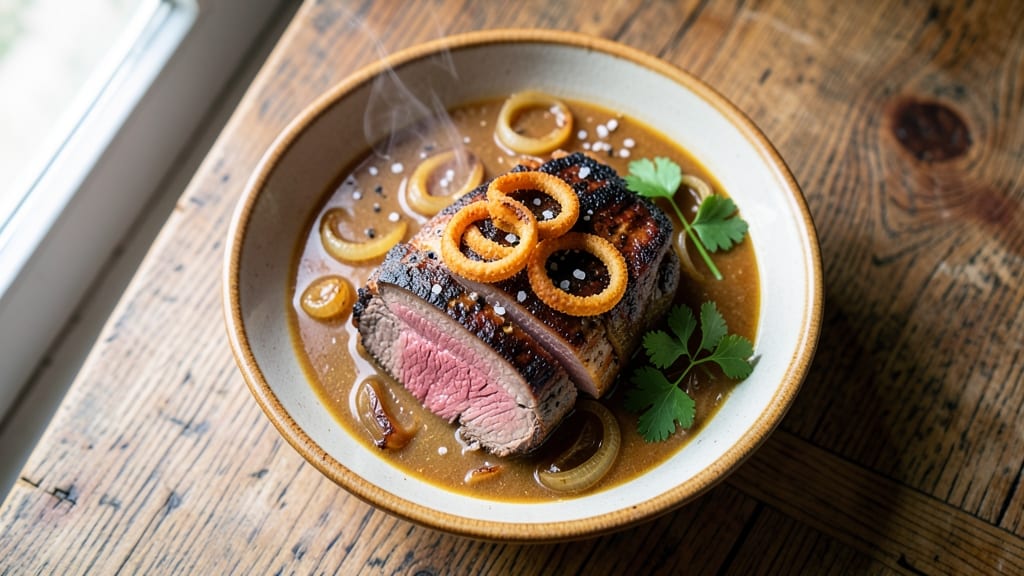
Unlock the secret to tender beef with this original Lipton Onion Soup Pot Roast recipe, where deep caramelized fond and fragrant onion soup mix craft a luxurious, melt-in-your-mouth masterpiece. The secret lies in slow cooking, which tenderizes the meat while developing deep, savory flavors that'll have everyone asking for seconds.
I've perfected this method over years of testing, ensuring the sauce never separates and the beef stays juicy throughout.
This recipe delivers restaurant-quality results with minimal effort, using just a few simple ingredients that work together to create an unforgettable meal.
The Lipton Onion Soup mix serves as the flavor foundation, while a touch of brown sugar in the braising liquid enhances the caramelization of the fond—a technique that transforms ordinary pot roast into something extraordinary.
Ready in about 3 hours, this dish is ideal for busy weeknights or special occasions when you want to impress without spending hours in the kitchen.
By the time you serve this pot roast, you'll have tender beef that practically falls apart at the touch, swimming in a luscious sauce that coats every bite.
The aroma alone will fill your home with warmth and comfort, while the rich, savory flavors make it a centerpiece worthy of any dinner table. Serve with roasted vegetables or crusty bread to soak up every last drop of that delicious sauce—this is comfort food at its finest.
The best part? Leftovers reheat beautifully, making this recipe perfect for meal prep or feeding a crowd. Whether you're cooking for family gatherings or a quiet night in, this pot roast delivers consistent, professional results every time. Let's get started on creating a dish that'll become a household favorite.
Ingredients for original lipton onion soup pot roast
Six simple ingredients transform into a showstopping pot roast with deep caramelized fond.
| Ingredient | Amount | Notes |
|---|---|---|
| Beef Chuck Roast 🥩 | 3 lb | Well-marbled for tenderness |
| Lipton Onion Soup Mix 🧅 | 2 tbsp | Original flavor preferred |
| Brown Sugar 🍯 | ¼ cup | Light or dark variety |
| Beef Broth 💧 | 2 cups | Low-sodium preferred |
| Red Wine 🍷 | 1 cup | Dry variety like Cabernet |
| Yellow Onion 🧅 | 1 whole | Large, sliced into wedges |
| Garlic Cloves 🧄 | 4 cloves | Peeled, smashed slightly |
| Carrots 🥕 | 4 whole | Medium, peeled and halved |
| Celery Stalks 🥬 | 3 whole | Trimmed, cut into chunks |
| Olive Oil 🫒 | 2 tbsp | Extra-virgin for richness |
| Salt 🧂 | 1 ½ tsp | Kosher or sea salt |
| Black Pepper 🌶️ | 1 tsp | Freshly ground preferred |
| Thyme Leaves 🌿 | 1 tsp | Fresh or dried (1/4 tsp) |
| Bay Leaves 🍃 | 2 whole | Removed before serving |
| Flour 🌾 | 1 tbsp | All-purpose for thickening |
The beef is the star here—chuck roast with good marbling melts in your mouth after slow cooking. Grab one from the butcher counter if you can, or look for pre-cut chuck at Costco or Walmart—it’s usually well-marbled. Avoid sirloin or round; they’re tougher and won’t tenderize the same way. The Lipton Onion Soup Mix is non-negotiable for that classic flavor, but if you’re feeling fancy, you can toast the mix with the flour and olive oil first to deepen the aroma. I always buy the original flavor—none of that instant stuff. For the brown sugar, light or dark both work, but dark adds a touch of molasses depth that’s worth it if you’ve got it.
No red wine? Beef broth with a splash of balsamic vinegar works in a pinch, but the acidity helps caramelize the fond. Fresh thyme is ideal, but dried thyme at one-third the amount gets the job done. The carrots and celery can be swapped for potatoes or mushrooms if you’re out, but keep the onion—it’s the backbone of the flavor. If you’re prepping ahead, par-cook the veggies for 10 minutes before adding them to the pot to soften them faster. The flour is just for thickening the sauce at the end, so don’t skip it if you want that glossy, clingy finish.
This reheats like a dream—better the next day as the flavors meld. Store leftovers in the fridge for up to 5 days or freeze for 3 months. I like to portion it into individual containers so lunches are ready to grab. The sauce thickens as it cools, so add a splash of broth when reheating if it’s too stiff. For serving, crusty bread is a must—it soaks up the sauce like a dream. If you’re feeding a crowd, double the recipe; the slow cooker handles it like a champ.
Why You'll Love This Recipe
- Pantry Magic: I swear by this recipe when I forget to meal prep. Just dump the Lipton mix, pour in the wine and broth, and let the slow cooker do the work—no chopping, no fuss, just pure convenience.
- Sweet-Savory Magic: That brown sugar caramelizing on the edges? It turns this into something special. The red wine cuts through the richness while the onion soup mix adds depth—like a fancy bistro dish without the pretension.
- Leftovers for Days: This roast practically begs to be made in bulk. The flavors get better overnight, and I’ve fed my family for three meals (plus snacks) from one cook—no sad, dry reheats here.
- Budget-Friendly Luxury: A chuck roast and a bottle of wine won’t break the bank, but the result feels like a splurge. Honestly, it’s my go-to for impressing guests without stressing over grocery bills.
Step-by-step instructions for slow-cooked onion pot roast
This method transforms tough beef chuck into melt-in-your-mouth perfection with deep onion flavor.
Sear the Beef Chuck Roast for Maximum Flavor
Pat the 3 lb beef chuck roast dry with paper towels. Heat 1 tablespoon of the olive oil in a large Dutch oven over medium-high heat until shimmering. Place the roast in the pan and sear on all sides for 3-4 minutes per side until deeply browned. This step creates the rich fond that forms the base of your sauce.
Here's the thing—don't rush this. You want that beautiful crust that locks in juices. If the pan gets too crowded, work in batches. Once browned, transfer the roast to a plate and set aside. You'll use that same Dutch oven for everything else, so no need to wash it.
Build the Flavor Base with Onions and Aromatics
In the same Dutch oven, add the remaining 1 tablespoon olive oil over medium heat. Add the sliced yellow onion and cook for 5-6 minutes until softened and beginning to caramelize. This is where the magic starts—those sweet, golden onions form the heart of your dish.
Add the 4 smashed garlic cloves, 4 halved carrots, and 3 celery stalks. Stir everything together and cook for another 3 minutes until the vegetables soften slightly. Sprinkle in the 2 tablespoons Lipton onion soup mix and stir to coat the vegetables evenly. This mix adds that classic onion soup depth you love.
Create the Sauce Foundation with Wine and Broth
Pour in the 1 cup red wine and scrape up any browned bits from the bottom of the pan. These bits, called fond, are pure flavor. Let the wine simmer for 2-3 minutes until reduced by half. This step concentrates the alcohol flavor and creates a richer base.
Add the 2 cups beef broth, scraping up any remaining fond from the bottom. Stir in the 0.25 cup brown sugar, 1.5 teaspoons salt, 1 teaspoon black pepper, 1 teaspoon thyme leaves, and 2 bay leaves. Bring the mixture to a gentle simmer, then return the seared beef chuck roast to the pot.
Slow Cook Until Fork-Tender
Cover the Dutch oven and transfer it to a preheated 325°F oven. Cook for 3-4 hours, or until the beef is fork-tender and easily pulls apart. The roast should have an internal temperature of 203°F when done. I know it seems like a long time, but patience pays off here—this slow cooking breaks down the tough fibers.
About 30 minutes before the roast is done, remove the lid and increase the oven temperature to 375°F. This helps create a slightly caramelized top on the vegetables and adds another layer of flavor. The vegetables should be tender but still hold their shape.
Finish with a Flour Slurry for Thickened Sauce
Once the roast is tender, remove it from the pot and place it on a cutting board. Tent it loosely with foil to keep warm. In a small bowl, whisk together the 1 tablespoon flour with 2 tablespoons of the cooking liquid from the pot to create a slurry.
Return the pot to the stove over medium heat and stir in the flour slurry. Cook for 2-3 minutes, stirring constantly, until the sauce thickens to your desired consistency. Taste and adjust seasoning with additional salt or pepper if needed. The sauce should coat the back of a spoon and be rich with onion flavor.
Rest and Serve with Perfectly Caramelized Fond
Let the roast rest for 10-15 minutes before slicing. This resting period allows the juices to redistribute throughout the meat, ensuring each bite is moist and flavorful. Discard the bay leaves before serving. The vegetables can be served as-is or arranged around the sliced roast on a platter.
Ladle the thickened sauce over the sliced roast and serve immediately. Each bite should deliver tender beef, sweet caramelized onions, and a rich sauce that ties everything together. This dish tastes even better the next day as the flavors meld further.
Pro Tips For Making Original Lipton Onion Soup Pot Roast
- SEAR THE ROAST FIRST: The recipe might skip this, but browning the chuck roast in a hot Dutch oven for 5-7 minutes builds flavor that the onion soup mix alone can’t replicate. Use 1 tablespoon of oil—enough to get a deep caramel crust, not just a light color.
- DON’T SKIMP ON WINE: That cheap red wine you grabbed for the recipe? It’s the difference between "meh" and "worth it." Use a half-cup of something dry and fruity like Cabernet Sauvignon or Merlot—it’s the backbone of the sauce, not just a flavor filler.
- STIR THE BROWN SUGAR: After adding the Lipton mix and broth, give the brown sugar a quick stir to dissolve it completely. I learned this the hard way—lumps sitting at the bottom make the sauce taste gritty and uneven. A quick whisk or wooden spoon swipe fixes it.
- LOW AND SLOW IS NON-NEGOTIABLE: Cover the pot and simmer on low heat for at least 2.5 hours, checking occasionally. Too much heat = tough meat and a thin sauce. If it’s bubbling hard, drop the heat—this isn’t a race.
Essential equipment for this dish
Dutch Oven Essentials
The Dutch oven is your secret weapon for this recipe—I swear by my Lodge 5.5-quart for its even heat distribution and durable construction. This heavy pot handles the searing, braising, and sauce reduction all in one, creating deep caramelized flavors.
If you don’t own one, a heavy-bottomed stainless steel pot with a tight-fitting lid works too, but avoid thin aluminum that warps under heat. 🔥
Meat Thermometer Must-Have
A meat thermometer with a probe is non-negotiable for perfect doneness. I use the Thermoworks Smoke because it’s accurate and built to last. Insert the probe into the thickest part of the roast—203°F is your target internal temperature for fork-tender beef.
Without one, you risk overcooking or undercooking the meat, which ruins the texture.
Slow Cooker Alternative
For hands-off cooking, a 6-quart slow cooker with a tight seal works beautifully. Transfer the seared roast and all aromatics directly into the pot, then cook on LOW for 8 hours or HIGH for 5 hours.
The key difference? You’ll need to finish the sauce on the stovetop—just transfer the roast and veggies to a skillet to caramelize the fond separately.
Knife Skills Matter
Invest in a sharp chef’s knife (I love the Wüsthof Classic) and a cutting board for precise prep. The 3 lb chuck roast should be trimmed of excess fat but left intact—no need to slice it.
For the onion, cut into even wedges (about ½-inch thick) to ensure consistent caramelization. The celery and carrots should be cut into 1-inch chunks for even cooking.
Sauce Thickener Tools
A whisk is essential for creating the flour slurry at the end. I use a stainless steel whisk because it won’t rust and handles the job efficiently. For the slurry, mix 1 tablespoon flour with 2 tablespoons cooking liquid in a small bowl until smooth.
This step transforms the sauce from thin to rich and clingy—perfect for coating every bite.
Optional Gadgets
For extra convenience, a meat mallet helps tenderize the roast if it’s particularly tough. A fine-mesh strainer comes in handy if you want to remove the vegetables before serving.
And if you love caramelized onions, a wire whisk helps break up any large chunks at the end for a silky texture. These aren’t mandatory, but they elevate the dish further. ✨
Nutrition facts
Frequently asked questions
Can I use a different type of beef for this recipe?
While chuck roast is ideal for its marbling and tenderness, you can substitute with beef bottom round or short ribs for a slightly different texture. Avoid lean cuts like sirloin—they won't become tender enough. If using ribs, reduce cooking time by 30-45 minutes since they cook faster.
What if I don't have red wine? Can I substitute?
Use 1 cup beef broth plus 2 tablespoons balsamic vinegar for similar depth. For extra richness, add 1 tablespoon soy sauce. The key is maintaining acidity to help caramelize the fond—never skip this step entirely, or your sauce may taste flat.
Why does my sauce separate when reheating leftovers?
This happens when the sauce cools too quickly. To fix it, stir in 1-2 tablespoons cold water while reheating and whisk vigorously. For prevention, store leftovers in the fridge with the sauce still hot, and reheat gently on low heat. The flour slurry at the end helps stabilize the sauce when reheated properly.
Can I make this pot roast in an Instant Pot?
Yes! Sear the roast first, then cook on High Pressure for 60 minutes with all ingredients except flour. Release pressure naturally, then finish with the flour slurry on the sauté function. The Instant Pot version cooks in 1 hour total instead of 3, but the flavor development won't be quite as deep as oven-braised.
How do I serve this pot roast for a special occasion?
Slice the roast against the grain into ½-inch thick slices and arrange on a platter with the vegetables. Drizzle generously with the thickened sauce and garnish with fresh parsley. Serve with crusty baguette slices for dipping and a simple green salad with vinaigrette to balance the richness.