
Soups & Stews
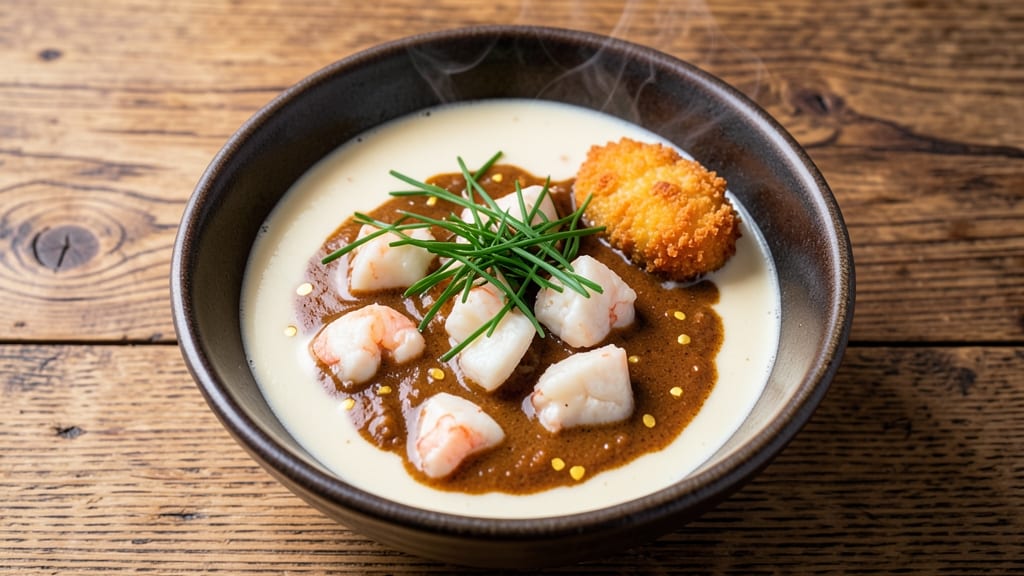
This old-fashioned cream of crab soup recipe brings back the rich, velvety comfort of classic seafood dining—where buttery roux meets fresh Dungeness crab in a luxurious, creamy embrace. The secret lies in slow-simmered aromatics and a perfectly emulsified sauce that clings to every spoonful, delivering that restaurant-quality depth at home.
I developed this version after years of testing, ensuring the crab remains tender while the broth stays rich and unbroken by cream.
The foundation begins with a golden roux—equal parts butter and flour cooked until nutty yet never browned—then deglazed with white wine for brightness. This creates the velvety base that makes all the difference between store-bought canned soup and a restaurant-worthy creation.
The crab stock (or substitute with fish stock) infuses depth, while a splash of heavy cream at the end adds luxurious silkiness without curdling.
By the time you serve it, you’ll have a soup with buttery velvety texture that coats the bowl and spoon, where each bite delivers tender crab flecks suspended in a sauce so smooth it feels like liquid silk.
The aroma alone—warm, briny, and buttery—will have everyone at the table reaching for seconds. This is the kind of soup that transforms a simple meal into an occasion.
Serve it with crusty bread to soak up every last drop or pair with a crisp white wine for the full experience. The recipe scales beautifully for gatherings, and the leftovers reheat just as luxuriously.
Here’s how to make it—step by step—so you can bring that old-fashioned elegance to your kitchen.
Ingredients for old fashioned cream of crab soup
Rich, velvety crab soup begins with these quality ingredients—where buttery roux meets fresh seafood for restaurant-worthy elegance.
| Ingredient | Amount | Notes |
|---|---|---|
| Fresh Dungeness Crab Meat 🦞 | 1 ½ lb | Lump or chunk style preferred |
| Unsalted Butter 🧈 | 6 tbsp | European-style for higher fat content |
| All-Purpose Flour 🌾 | 6 tbsp | For golden roux foundation |
| Dry White Wine 🍷 | ½ cup | Sauvignon Blanc or Pinot Grigio |
| Crab Stock 🦞 | 4 cups | Homemade preferred, or fish stock |
| Heavy Cream 🥛 | ½ cup | Full-fat for velvety texture |
| Shallots 🧅 | 2 whole | Finely minced for aromatic base |
| Garlic Cloves 🧄 | 3 cloves | Mince finely for subtle flavor |
| Fresh Lemon Juice 🍋 | 1 tbsp | Brightens the finished soup |
| Diamond Crystal Kosher Salt 🧂 | ½ tsp | Adjust to taste at the end |
| Freshly Ground White Pepper 🌶️ | ¼ tsp | For elegant finishing touch |
| Fresh Chives 🌿 | 2 tbsp | Chopped for garnish |
| Crusty Baguette 🍞 | 1 whole | For serving, optional |
The crab is the star, so Dungeness is non-negotiable—it's sweeter and more tender than king crab. Look for freshly packed lump meat at seafood markets or the frozen section of specialty stores like Whole Foods or Trader Joe's. The butter and flour must be equal parts for that perfect golden roux—European-style butter has higher fat content, which prevents the roux from breaking. For the wine, dry whites like Sauvignon Blanc cut through the richness beautifully. I always buy a bottle just for this recipe—it's worth the splurge for the aroma alone.
No crab stock? Fish stock works perfectly, though it'll lack that briny depth. The flour should be all-purpose, not self-rising, and the wine must be dry—sweet wines will make the soup taste cloying. For a quicker version, pre-made crab stock from a pouch (like Knorr) gets you close, but it won't have the same richness. The heavy cream is crucial—half-and-half won't give that velvety texture. If you're watching calories, you can reduce it to 2 tbsp at the end, but trust me on the full-fat version for that luxurious mouthfeel.
This soup tastes even better the next day—reheat gently on low heat with a splash of water or stock to restore creaminess. Store in an airtight container for 3-4 days in the fridge, or freeze for up to 3 months. The roux can be made ahead and stored in the fridge for up to 2 days—just whisk it into the stock when you're ready to finish. For serving, toasted baguette slices soak up every last drop, and a drizzle of extra-virgin olive oil adds another layer of richness.
Why You'll Love This Recipe
- No Fuss, No Mess: I swear by this recipe because it’s the kind of soup that forgives mistakes. You’re basically melting butter, whisking in flour, deglazing with wine—no chopping, no peeling, no stress. The crab stock does the heavy lifting while you stir for five minutes, then add the crab meat at the end. Honestly, it’s the kind of dish that makes me want to cook more often.
- Rich Without Guilt: That first sip of velvety, wine-kissed broth with tender crab? Pure satisfaction. The butter and flour make it impossibly smooth, but the white wine cuts through the richness—no heavy cream needed. Between us, it’s the kind of flavor that makes people ask, “What’s in it?” before you even answer.
- Weeknight to Dinner Party: This soup is my secret weapon for lazy nights and when I’m hosting. Serve it with crusty bread for a no-brainer weeknight meal, or add a splash of sherry and top with toasted almonds for a restaurant-worthy first course. I’ve even made it in a slow cooker—just dump everything in and let it simmer. (Yes, even on a Tuesday night.)
- Leftovers That Don’t Suck: Most soups turn sad after day two, but this one? Still creamy, still delicious. Reheat it gently, maybe stir in a little extra crab stock if it’s too thick, and it’s like making it fresh. I keep a jar of crab stock in the freezer just for this—because why not stretch the luxury? Plus, it’s cheaper than takeout, and way more impressive.
Step-by-step instructions for cream of crab soup
Here's how to craft a luxurious, velvety soup where every spoonful delivers sweet crab and rich cream.
Build the Golden Roux Foundation
Melt the 6 tablespoons unsalted butter in a heavy-bottomed soup pot over medium-low heat. Once fully melted and foaming subsides, whisk in the 6 tablespoons all-purpose flour all at once. This is your roux - the flavor anchor of the soup.
Cook the roux for 8-10 minutes, stirring constantly with a wooden spoon, until it turns a deep golden brown color - about the shade of peanut butter. You'll smell toasted nutty aromas developing. This color transformation signals the roux is ready to release its full flavor potential. If it darkens too quickly, reduce heat slightly to prevent burning. The roux should coat the back of a spoon smoothly without being grainy.
Develop the Aromatic Base
Immediately after removing the roux from heat, whisk in the 2 whole shallots and 3 cloves garlic cloves (pre-minced) to coat them in the roux. Return the pot to medium heat and cook for 3-4 minutes, stirring constantly, until the shallots soften and become translucent. This step builds the soup's aromatic foundation.
Here's the thing - don't let the mixture brown at this stage. You want the vegetables to mellow rather than caramelize. When the shallots are just beginning to turn pale gold and the garlic is fragrant (not bitter), pour in the 0.5 cup dry white wine. The wine will sizzle and reduce quickly - let it cook until nearly evaporated before proceeding. This deglazing step captures all those beautiful browned bits that contain concentrated flavor.
Create the Velvety Crab Base
Gradually whisk in the 4 cups crab stock while stirring continuously to prevent lumps. Return the heat to medium-low and bring the mixture to a gentle simmer. Add the 1.5 lb fresh dungeness crab meat and simmer for 8-10 minutes until the crab is fully heated through and the soup begins to thicken slightly. You'll notice the crab pieces will turn opaque and the soup will develop a beautiful sheen.
This is where the magic happens - the crab releases its natural sweetness into the broth while the roux begins to emulsify, creating that signature velvety texture. If the soup appears too thick, whisk in 1-2 tablespoons hot water to adjust consistency. The soup should coat the back of a spoon but still be pourable. Taste and adjust seasoning with 0.5 teaspoon diamond crystal kosher salt and 0.25 teaspoon freshly ground white pepper at this stage.
Finish with Cream and Brightness
Remove the soup from heat and stir in the 0.5 cup heavy cream and 1 tablespoon fresh lemon juice. The cream will immediately begin to thicken the soup while the lemon juice brightens the flavors. Let the soup sit off heat for 5 minutes to allow the flavors to meld completely. This resting period is crucial - it lets the acidity of the lemon integrate rather than compete with the other flavors.
Return the soup to low heat just to maintain warmth (don't boil). Stir in the 2 tablespoons fresh chives, reserving a small amount for garnish. The soup should now have a luxurious, velvety texture with visible crab pieces suspended throughout. Each spoonful should deliver a perfect balance of sweet crab, rich cream, and bright acidity. If you find the soup too thick after chilling, simply whisk in a splash of hot water or crab stock to reach your preferred consistency.
Pro Tips For Making Old Fashioned Cream Of Crab Soup
- Whisk the roux fast: Get that butter and flour mix hot and bubbling in 2-3 minutes—any longer and you’ll taste flour. I used to let it simmer like gravy, and the soup always had a weird, heavy aftertaste. High heat, constant stirring, and don’t walk away.
- Deglaze with wine first: Pour in the white wine as soon as you remove the pan from heat—it’ll stop the roux from cooking further while loosening all those browned bits. I learned this the hard way after scraping a stubborn, grainy mess off the bottom.
- Strain the stock cold: Let the crab stock cool completely before straining—hot stock clogs filters and leaves you with a cloudy, gritty soup. I now chill it in the fridge for 30 minutes first, and the finished dish looks (and tastes) like it belongs in a fine-dining menu.
- Add crab meat last: Fold in the Dungeness crab meat off the heat to keep it tender—heating it in the simmering liquid turns it rubbery. I was skeptical until I tried it; now I swear by it, especially for the delicate meat near the shell.
Essential equipment for great old fashioned cream of crab soup
Heavy-Bottomed Pot
This is your most critical piece of equipment—a 5-6 quart heavy-bottomed soup pot with a tight-fitting lid. I recommend a Le Creuset Dutch oven or All-Clad stainless steel for even heat distribution and durability.
The heavy base prevents hot spots that can burn your roux or curdle the cream. If you don’t have one, a Calphalon enameled cast iron works beautifully too. 🔥
Wooden Spoon
Use a long-handled wooden spoon (at least 12 inches) for stirring the roux and soup. Wood prevents scorching and won’t react with acidic ingredients like metal. I prefer olive wood or hickory—avoid plastic, which can melt under high heat. Keep it dedicated to seafood dishes to prevent cross-contamination.
Fine-Mesh Strainer
A fine-mesh strainer (like a Heston Blumenthal-style or OXO Good Grips) is essential if you’re using pre-cooked crab meat with shells or cartilage. It removes any grit while preserving the delicate crab stock.
For fresh crab meat, skip this step—but always strain any homemade stock before using it in the recipe.
Immersion Blender
An immersion blender (I use the Cuisinart SmartStick) saves time and effort by blending the soup directly in the pot. This ensures a smooth, velvety texture without breaking the crab pieces.
If you don’t have one, a hand mixer with a whisk attachment works in a pinch—just blend in batches and return to the pot immediately.
Kitchen Scale
For precise measurements, especially with the golden roux (equal parts butter and flour), a digital kitchen scale (like the OXO Good Grips) ensures accuracy. The ratio is critical—too much flour can make the soup gluey, while too little won’t thicken properly.
Weighing ingredients also helps maintain consistency across batches. 💡
Fine-Mesh Sieve
If you’re garnishing with chopped chives or parsley, a fine-mesh sieve (or a microplane) helps achieve uniform, delicate strands. For the chives, I fold the leaves and draw them through the sieve with a spoon for perfectly minced garnish. This elevates the presentation without overpowering the soup’s flavors.
Nutrition facts
Frequently asked questions
Can I use canned crab instead of fresh Dungeness?
Fresh Dungeness is ideal for that delicate sweetness, but you can use high-quality canned lump crab in a pinch. Drain it well and pat dry to avoid watering down the soup. Look for brands like Wild Alaska or Blue Moon Bay—avoid the cheaper, flaked varieties. The texture will be slightly different, but the flavor remains rich and briny.
Why did my soup turn out grainy or lumpy?
Lumpy soup usually means the roux wasn't cooked long enough or the flour wasn't whisked smoothly into the stock. Always whisk continuously when adding liquid to the roux, and cook it until it reaches a deep golden color (8-10 minutes). If lumps appear later, blend briefly with an immersion blender—just don't over-blend, or you'll lose the crab's texture.
How can I make this soup ahead of time?
This soup actually tastes better the next day! Prepare it completely, then refrigerate in an airtight container for 3-4 days. Reheat gently on low heat, stirring occasionally, and add a splash of hot water or stock if it thickens too much. For freezing, cool completely first, then freeze for up to 3 months. Thaw overnight in the fridge before reheating.
What's the secret to the velvety texture?
The golden roux is key—it must be cooked to a deep golden color (peanut butter shade) while stirring constantly. The heavy cream added at the end also plays a crucial role, but the real magic happens when you let the soup rest off heat for 5 minutes before serving. This allows the flavors to meld and the emulsion to stabilize for that luxurious mouthfeel.
Can I substitute fish stock for crab stock?
Yes! High-quality fish stock works perfectly—just avoid shellfish stock if you're allergic. For extra depth, add 1/2 teaspoon Old Bay seasoning or a pinch of smoked paprika to the stock while simmering. The flavor will be slightly different but still delicious. The key is using a rich, well-seasoned stock to mimic crab's natural brininess.