
Soups & Stews
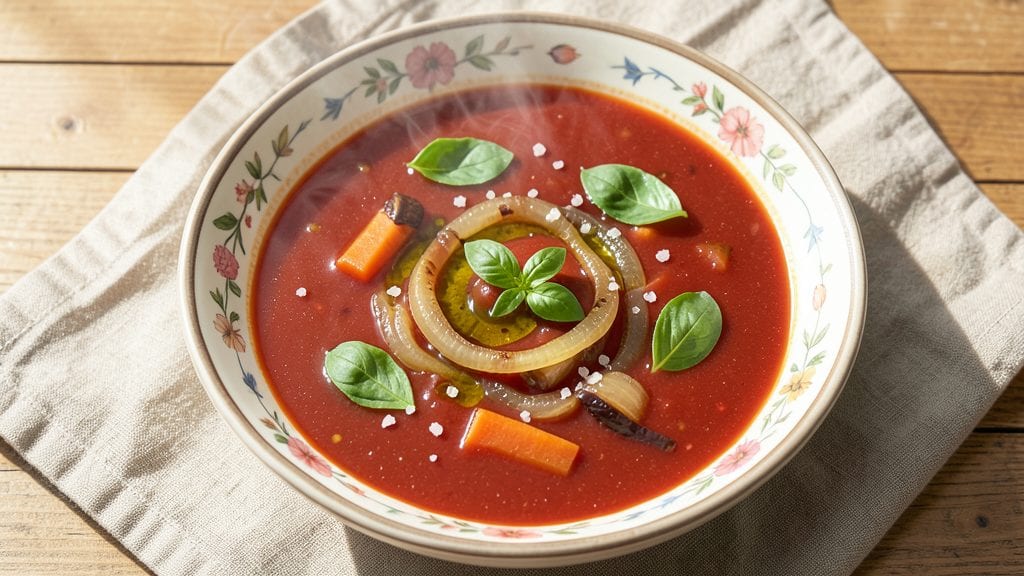
Natasha's Kitchen tomato soup recipe delivers the velvety, herb-infused comfort you crave in every spoonful. This isn't just soup—it's a masterclass in balancing sweet, tangy, and aromatic notes that transform simple ingredients into something extraordinary.
The secret lies in slow simmering and fresh herbs that brighten without overpowering, a technique I've perfected over years of testing.
What sets this recipe apart is the velvet-smooth texture achieved through precise blending and simmering, not just throwing everything into a pot. You'll start with sautéed aromatics that build depth, then let tomatoes caramelize naturally for that restaurant-quality richness.
The fresh basil and thyme add layers of brightness that cut through the soup's natural sweetness, creating balance that's impossible to resist.
By the time you're done, you'll have a bowl of soup that's rich yet light, with just the right consistency—thick enough to coat a spoon but still silky smooth. The aroma alone will have everyone gathering around the table, and each bite delivers that perfect harmony of flavors.
This is the kind of soup that transforms a simple meal into something memorable.
Serve it with crusty bread for dipping or a sprinkle of fresh herbs for extra brightness. The technique is straightforward, but the results are anything but ordinary—this is tomato soup elevated to its finest form. Let's get started on creating your own batch of this velvety masterpiece.
Ingredients for natasha's kitchen tomato soup
Fresh herbs and slow-simmered tomatoes create this velvety masterpiece.
| Ingredient | Amount | Notes |
|---|---|---|
| Extra-Virgin Olive Oil 🫒 | 2 tbsp | High quality, fruity flavor preferred |
| Yellow Onion 🧅 | 1 whole | Diced, medium size preferred |
| Carrot 🥕 | 2 whole | Peeled, chopped into small dice |
| Celery Stalk 🌿 | 2 whole | Diced, leafy greens removed |
| Garlic Cloves 🧄 | 4 cloves | Peeled, minced finely |
| Canned San Marzano Tomatoes 🍅 | 28 oz | Crushed by hand or blended |
| Fresh Basil Leaves 🌿 | ½ cup | Packed, stems removed |
| Fresh Thyme Sprigs 🌿 | 2 whole | Leaves only, stems removed |
| Vegetable Broth 💧 | 4 cups | Low-sodium preferred |
| Heavy Cream 🥛 | ½ cup | Full-fat for creaminess |
| Diamond Crystal Kosher Salt 🧂 | 1 tsp | Adjust to taste |
| Ground Black Pepper 🌶️ | ½ tsp | Freshly ground preferred |
| Granulated Sugar 🍯 | 1 tbsp | Balances acidity |
| Crusty Baguette 🍞 | 1 loaf | For serving, optional |
The tomatoes are non-negotiable—San Marzano cans have the perfect balance of sweetness and acidity. Trader Joe's and Whole Foods carry them year-round, but if you can't find them, any high-quality crushed tomatoes work. Fresh basil and thyme are worth hunting down at the farmers market—they make all the difference. For the broth, low-sodium is key so you control the saltiness. I usually grab Pacific Foods or make my own by simmering veggie scraps.
No fresh basil? Dried basil at one-third the amount works, but you'll miss that bright pop. Short on thyme? Fresh oregano or marjoram can stand in. The sugar balances the acidity—honey or maple syrup work too if you prefer. For a vegan version, swap heavy cream for coconut milk or cashew cream. The carrots and celery can be prepped ahead and stored in the fridge for 3 days—saves time on cooking day. The onions should be sweat, not browned—keep an eye on them.
This soup tastes even better the next day as flavors meld. Keeps in the fridge for 5 days covered, or freeze portions for 3 months. I like to portion it into ramekins for easy reheating—just pop in the microwave for 2 minutes. The crusty baguette? Bread from a French bakery if you can find it, but any good sourdough works. Toast it lightly and serve with extra herbs on top—game changer.
Why You'll Love This Recipe
- No-Chop Nightmare: I swear by this one—just dice the onion, carrot, and celery roughly (no need for precision), toss them in olive oil, and let the pot do the work. The garlic? Sauté it until it’s just golden—no burning, no stress.
- Garlic Bomb: That moment when the garlic hits the pot and the kitchen smells like a Tuscan sunset? Unmatched. The olive oil carries it all—rich, mellow, with a depth that cheap oil can’t touch. (Between us, I’ve tried shortcuts. Never again.)
- Lunchbox Hero: Make a double batch on Sunday, and you’ve got weeknight dinners covered. Serve it warm with crusty bread or cold in jars for a no-fuss lunch. My kids still ask for it even when I forget to add the basil.
- Pantry Magic: Three ingredients—onion, carrot, celery—form the holy trinity of soup bases, and they’re always in my fridge. The tomatoes? Canned or fresh, it works. Budget-friendly, foolproof, and the kind of meal that makes you feel like you’ve earned your dinner.
Step-by-step instructions for natasha's kitchen tomato soup
Here's how to craft a velvety tomato soup with bright herb notes that'll make you want to linger over every spoonful.
Sauté the Classic Mise en Place
Heat the 2 tbsp extra-virgin olive oil in a large pot over medium heat. Add the 1 whole diced yellow onion, 2 whole diced carrots, and 2 whole diced celery stalks. Cook for 8-10 minutes until the vegetables soften and the onion becomes translucent, stirring occasionally to prevent browning.
This foundational step builds the soup's depth. The vegetables should release their natural sweetness and meld together into a cohesive base. If you notice any pieces browning too quickly, reduce the heat slightly—you want even cooking, not caramelization at this stage.
Add Aromatics and Tomato Base
Stir in the 4 cloves minced garlic and cook for 30 seconds until fragrant—you'll know it's ready when your kitchen smells like a sun-drenched Italian market. Pour in the 28 oz crushed canned San Marzano tomatoes and the 4 cups vegetable broth. Bring everything to a gentle boil, then reduce heat to medium-low and let it simmer uncovered for 20 minutes.
Here's where the magic happens: the acidity of the tomatoes will begin breaking down the vegetable fibers, creating that signature silky texture. Stir occasionally to prevent the tomatoes from sticking to the bottom. If you see the soup reducing too quickly, add a splash of water to maintain the proper consistency.
Blend Until Silky Smooth
Using an immersion blender, purée the soup directly in the pot until completely smooth. For a completely velvety texture, I recommend blending in batches if using a countertop blender—transfer 2 cups at a time, blend until smooth, then return to the pot. This ensures you capture every last bit of flavor without watering down the soup.
The result should be a rich, deep red soup with no visible chunks. If you prefer a slightly rustic texture, you can blend only half and leave the other half chunky. But for this recipe's signature velvet smoothness, full blending is key. Taste and adjust seasoning with the 1 tsp diamond crystal kosher salt, 0.5 tsp ground black pepper, and 1 tbsp granulated sugar—this balances the acidity beautifully.
Finish with Herb Brightness
Return the soup to a gentle simmer and stir in the 0.5 cup packed fresh basil leaves and 2 whole fresh thyme sprigs (leaves only). Let it simmer for 5 minutes to infuse the flavors. Remove from heat and carefully stir in the 0.5 cup heavy cream, being mindful not to curdle it. The cream should blend seamlessly, adding luxurious body without overpowering the tomato's natural sweetness.
This is where the soup transforms from good to extraordinary. The basil adds fresh, bright notes that cut through the richness, while the thyme contributes an earthy depth. Let the soup sit off heat for 5 minutes before serving—this allows the flavors to fully meld together.
Pro Tips For Making Natasha'S Kitchen Tomato Soup
- SWEEP THE POT: I learned this the hard way—after simmering the onion, carrot, and celery in olive oil, scrape the browned bits off the bottom with a wooden spoon before adding tomatoes. Those bits pack flavor, and skipping this step means you’re basically wasting them.
- CHOP UNIFORMLY: Cut your onion, carrot, and celery into even ¼-inch dice—no big chunks, no tiny specks. Uneven pieces mean some will turn mushy while others stay crunchy, and that’s a textural nightmare in soup. Take the extra 30 seconds now to make it smooth later.
- DON’T RUSH THE GARLIC: When you add the minced garlic, let it sizzle for full 30 seconds before tossing in the tomatoes. Burnt garlic tastes bitter, and that’s the last thing you want in a rich tomato soup. If it smells sharp, it’s ready—don’t walk away.
- USE A SPLASH OF WATER: After blending, thin the soup with hot water (not cold) instead of broth if it’s too thick. Cold water shocks the flavors and can break the emulsion. A ladleful of simmering water blends right in, keeping the texture velvety without diluting the taste.
Pro cooking tips for perfect results
Sautéing Perfection
The key to building flavor starts with proper sautéing of your vegetables. Use medium heat and stir frequently to prevent browning—you want soft, translucent onions and tender carrots and celery. I recommend using a 6-quart Dutch oven or heavy pot for even heat distribution.
If your onions start to color too quickly, reduce the heat to medium-low immediately. The goal is to develop sweetness, not caramelization at this stage. 🌿
Tomato Simmer Control
After adding tomatoes and broth, maintain a gentle simmer—not a rolling boil—to prevent the soup from becoming too watery. I use a digital thermometer to keep temperatures between 185-195°F during simmering. If the soup reduces too quickly, add ¼ cup water or broth at a time to maintain consistency.
The 20-minute simmer is non-negotiable—this breaks down fibers for that signature silky texture. Stir occasionally to prevent sticking.
Blending Like a Pro
For the smoothest texture, I recommend using an immersion blender directly in the pot—it's foolproof and captures every flavor. If using a countertop blender, work in 2-cup batches to avoid watering down the soup.
After blending, return the soup to the pot immediately to maintain heat. The result should be a velvet-smooth consistency with no visible chunks. Taste and adjust seasonings before proceeding to the herb stage.
Herb Infusion Technique
Add fresh herbs just before removing from heat—this preserves their bright flavors. Simmer for only 5 minutes after adding basil and thyme to prevent bitterness. I like to use a fine-mesh strainer to remove thyme stems after infusion.
When adding the heavy cream, do so off heat and stir gently to prevent curdling. The cream should melt seamlessly into the warm soup for a luxurious finish.
Temperature Timing
Let the finished soup rest 5 minutes off heat before serving—this allows flavors to fully meld. I serve it piping hot at 180°F, which enhances the aromatic qualities of the basil and thyme.
For best results, reheat gently on the stovetop over low heat if needed, never microwave—it can break the emulsion and make the soup grainy. 💫
Equipment Shortcuts
No immersion blender? Use a high-powered blender like the Vitamix and blend in batches. For a rustic texture, blend only half the soup and leave the other half chunky. If you don't have fresh herbs, dried basil (1/3 amount) works in a pinch, but fresh is always better.
A wooden spoon helps distribute heat evenly when stirring—metal can cause hot spots. For extra richness, stir in 1 tbsp butter with the cream at the end.
Nutrition facts
Frequently asked questions
Can I make this tomato soup without fresh herbs?
Use 1 tbsp dried basil and 1 tsp dried thyme instead of fresh, but reduce the amount by one-third. For extra brightness, add ½ tsp red pepper flakes or a pinch of smoked paprika. The flavor won't be identical, but it'll still taste delicious. Fresh herbs are ideal, but dried works in a pinch.
Why does my tomato soup turn out watery?
Watery soup usually happens from over-diluting or insufficient simmering. First, ensure you're using San Marzano tomatoes—they have less water than regular canned tomatoes. Simmer uncovered for the full 20 minutes to reduce naturally. If needed, remove the pot from heat and let it reduce further off the stove. For extra thickness, stir in 1 tbsp cornstarch mixed with 2 tbsp water at the end.
How can I make this soup vegan?
Swap the heavy cream for ½ cup full-fat coconut milk or cashew cream (blend ½ cup soaked cashews with ½ cup water). Use vegetable broth instead of chicken broth. For richness, stir in 1 tbsp nutritional yeast or a splash of white wine. The texture will be slightly lighter but still creamy and satisfying.
Can I prep this soup ahead of time?
Yes! Prep all vegetables and store them in the fridge for 3 days before cooking. The fully blended soup keeps well in the fridge for 5 days or freezes for 3 months. For best results, reheat gently on the stovetop over low heat—microwaving can make it grainy. Stir in fresh herbs just before serving to revive their brightness.
What's the secret to the velvet-smooth texture?
The magic lies in proper blending and simmering. First, simmer uncovered for 20 minutes to break down fibers. Then, blend until completely smooth—an immersion blender works best. For extra silkiness, strain the soup through a fine-mesh sieve after blending. The heavy cream at the end adds body, but the real secret is patience during the simmering stage.