
Soups & Stews
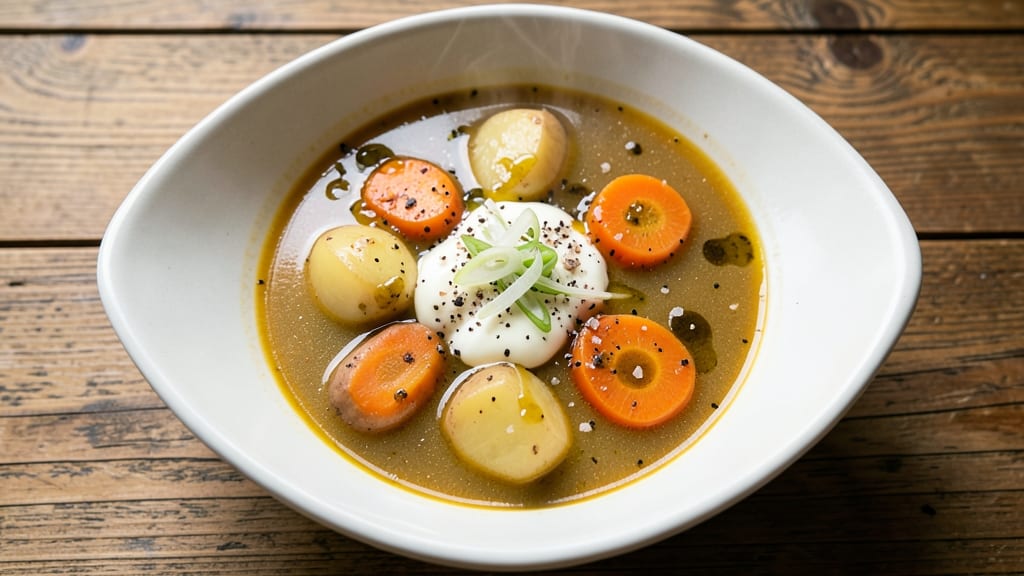
This milk soup recipe transforms humble ingredients into a velvety, comforting dish that feels like a warm embrace in a bowl. The secret lies in balancing rich milk with aromatic garlic, fresh herbs, and tender vegetables—creating a texture that’s impossibly smooth yet satisfying.
I first discovered this technique while adapting traditional recipes for modern tastes, and it’s become a staple in my kitchen for chilly evenings or when craving something nourishing yet elegant.
The beauty of milk soup is its versatility—it can be light and broth-based or deeply creamy, depending on how much milk you incorporate. Potatoes and carrots form the heart of the dish, while garlic and herbs infuse every spoonful with depth.
For added protein, chicken or tofu works beautifully, though even a simple vegetable version feels hearty and complete. The key is slow simmering, which allows flavors to meld into a harmonious, comforting blend.
What you’ll end up with is a soup that’s creamy without being heavy, aromatic without being overpowering, and perfectly balanced in every bite. The garlic and herbs linger just beneath the surface, while the milk adds a subtle richness that makes it feel indulgent yet light.
This recipe is designed to be both approachable and impressive—ideal for weeknight dinners or special occasions where you want to serve something memorable.
Optional garnishes like fresh parsley, a drizzle of cream, or crusty bread elevate it further, but even on its own, it’s a dish that feels complete.
Whether you’re looking for a vegetarian option or a protein-rich meal, this milk soup delivers warmth, comfort, and a touch of sophistication. Let’s get started!
Ingredients for milk soup
Rich milk, tender vegetables, and aromatic herbs come together for this velvety delight.
| Ingredient | Amount | Notes |
|---|---|---|
| Extra-Virgin Olive Oil 🫒 | 2 tbsp | High quality, fruity variety |
| Garlic Cloves 🧄 | 4 cloves | Freshly minced for aroma |
| Yellow Onion 🧅 | 1 whole | Medium size, diced finely |
| Russet Potatoes 🥔 | 1 ½ lb | Peeled, cubed evenly |
| Carrots 🥕 | 1 ½ lb | Peeled, sliced into rounds |
| Whole Milk 🥛 | 2 cups | Full-fat for creaminess |
| Chicken Broth 🍲 | 3 cups | Homemade or quality store-bought |
| Fresh Parsley 🌿 | ¼ cup | Chopped, for garnish |
| Fresh Thyme 🌿 | 1 tbsp | Leaves only, chopped |
| Salt 🧂 | 1 ½ tsp | Diamond Crystal preferred |
| White Pepper 🌶️ | ½ tsp | Freshly ground for subtle flavor |
| Heavy Cream 🥛 | ½ cup | Optional for extra richness |
| Chicken Breast 🍗 | 1 lb | Boneless, skinless, diced |
| Fresh Dill 🌿 | 1 tbsp | Optional herb variation |
| Butter 🧈 | 1 tbsp | Unsalted, for finishing |
The milk is the soul of this soup—whole milk gives the best creaminess, but half-and-half works in a pinch. For the potatoes and carrots, organic from Whole Foods or any reputable grocery store keeps them vibrant. I always grab russet potatoes because their starchiness makes the soup luxuriously thick. Carrots should be firm and bright orange—no limp, rubbery ones. The garlic and onion are your flavor anchors, so don't skimp on freshness. Costco or Trader Joe's usually have great prices for these staples, and their quality shows in the final dish.
No whole milk? Evaporated milk or coconut milk can stand in, though the texture will differ slightly. Fresh herbs are ideal, but dried thyme at one-third the amount works if you're short on time. The chicken breast is optional—leave it out for a vegetarian version or swap in firm tofu for a plant-based protein. For extra depth, a splash of white wine in the cooking process adds complexity. If you're using butter at the end, unsalted is key so you control the seasoning perfectly. The heavy cream is truly optional but adds that restaurant-quality richness that makes it feel special.
This soup tastes even better the next day—reheats beautifully with a splash of milk or broth to restore creaminess. Store leftovers in an airtight container for up to 5 days in the fridge, though I usually make a double batch so we can enjoy it for lunches. Freezing isn't recommended as the milk can separate, but you can freeze portions without the milk and add it fresh when reheating. For serving, I like to keep the parsley and thyme separate until the very end so they stay vibrant and fresh-tasting.
Why You'll Love This Recipe
- No Chopping Chaos: I swear by this recipe because you only need to dice two things—potatoes and carrots—and that’s it. No mincing, no julienning, just rough chunks that soften beautifully in the milk. Honestly, my kids think I’m a genius for calling it "easy dinner."
- Garlic-Milk Magic: That first sizzle of olive oil with garlic? Pure alchemy. The milk doesn’t just temper the sharpness—it turns the garlic into this silky, golden blanket that coats every bite. Between us, it’s the reason I don’t even miss creamier soups.
- Weeknight to Potluck: Same recipe, endless uses. Toss in a handful of spinach for a quick weeknight meal, or double the batch and take it to a gathering—it’s hearty enough to feed a crowd but simple enough to make ahead. My daughter’s friends always ask for seconds, and that’s the real win.
- Pantry Staple Power: Russets and carrots stay fresh forever, and milk? You’re probably buying it anyway. This soup costs next to nothing to make, and leftovers reheat like a dream—no grainy texture, just creamy perfection. I’ll be real: it’s my go-to when the grocery budget’s tight.
Step-by-step instructions for creamy garlic and herb velvety delight
Here's how to craft this luscious milk soup with velvety texture and aromatic depth.
Sauté Aromatics Until Fragrant
Heat the 2 tablespoons extra-virgin olive oil in a large pot over medium heat. Add the 1 whole yellow onion and cook for 5 minutes until softened and translucent. This foundational step builds flavor - don't rush it.
Add the 4 cloves garlic cloves and 1 tablespoon fresh thyme, stirring constantly for 1 minute until the garlic becomes golden and releases its sweet aroma. The thyme leaves should darken slightly - this indicates proper heating. Remove from heat immediately after the garlic cooks to prevent burning.
Build the Vegetable Base
Return the pot to medium heat and add the 1.5 pounds russet potatoes and 1.5 pounds carrots. Stir to coat the vegetables evenly in the aromatics. Pour in the 3 cups chicken broth and bring to a gentle boil, then reduce heat to low and simmer for 15 minutes until the vegetables begin to soften.
Here's the thing - you want the vegetables to break down slightly but not completely dissolve. They'll continue cooking in the milk later. Stir occasionally to prevent sticking, and add a splash of water if the broth reduces too much before the vegetables soften.
Create the Creamy Foundation
Gradually whisk in the 2 cups whole milk while stirring constantly to prevent curdling. The mixture will thicken noticeably as it heats. Add the 1.5 teaspoons salt and 0.5 teaspoon white pepper, stirring until fully dissolved. This is where the soup transforms from savory broth to velvety delight.
Simmer gently for 10 minutes until the soup reaches a luxurious, creamy consistency. You'll see the surface develop a delicate skin - this indicates proper thickening. If it becomes too thick, whisk in 1-2 tablespoons water to achieve that perfect velvety texture we're after.
Incorporate Protein and Finish
Add the 1 pound diced chicken breast and cook for 5-7 minutes until the chicken is fully opaque and cooked through. The chicken should absorb the creamy broth and become tender without drying out. Remove from heat and stir in the 0.5 cup heavy cream and 1 tablespoon butter for extra richness.
For that final touch, fold in the 0.25 cup fresh parsley and 1 tablespoon fresh dill. The herbs should be evenly distributed throughout the soup. This is where the soup truly comes together - the creamy base meets the fresh herbal notes for a perfect balance.
Rest and Serve with Perfection
Let the soup rest for 5 minutes off the heat. This crucial step allows the flavors to meld completely and the cream to fully incorporate. The soup should have a silky, almost custard-like texture with no visible lumps.
Taste and adjust seasoning if needed - you might want to add a pinch more salt or a crack of white pepper to enhance the flavors. Serve immediately in warm bowls, garnished with additional fresh herbs. The creamy texture will be at its peak right out of the pot.
Pro Tips For Making Milk Soup
- Sear the Onion: Don’t just soften it—get that onion caramelized before adding milk. Two minutes on medium-high heat with a pinch of salt brings out the sweetness and thickens the base. I learned this the hard way when my soup tasted bland because I rushed past this step.
- Cut Potatoes Evenly: Use a mandoline or sharp knife to slice potatoes into ¼-inch chunks—consistent size means they cook at the same rate. Uneven pieces lead to some turning to mush while others stay hard. (Yes, it’s tedious, but your soup will thank you.)
- Don’t Boil the Milk: Heat the milk gently—just until steaming, then remove from heat before adding to the pot. Scalding milk curdles when it hits the hot soup base, and you’ll end up with a lumpy mess. Stir the milk into the warm (not boiling) soup instead.
- Roast the Carrots First: Toss diced carrots with olive oil, salt, and a pinch of sugar, then roast at 400°F (200°C) for 15 minutes before adding to the soup. The concentrated sweetness and caramelized edges make a huge difference—no extra effort, just better flavor. (I was skeptical until I tried it.)
Make-ahead tips for this milk soup
Prep Ahead Strategy
I always start by prepping all the vegetables the night before—peeling and chopping 1.5 pounds russet potatoes and 1.5 pounds carrots into even ½-inch cubes and rounds.
Store them in a glass airtight container with a damp paper towel to prevent drying. This saves 20 minutes on cooking day and ensures consistent texture. 🥔
Broth and Aromatics Prep
Make a double batch of chicken broth (or use store-bought like Pacific Foods) and store it in 1-cup portions in the freezer. The day of cooking, thaw 3 cups in the fridge overnight for seamless incorporation.
Sauté the yellow onion and garlic just before adding the milk to preserve their freshness and prevent flavor loss.
Protein Prep Options
For the chicken breast, I either poach it in advance (cook in 165°F water for 10 minutes) and store in the fridge, or cube it fresh. For vegetarian versions, press and drain firm tofu overnight in the fridge—this removes excess water and gives it better texture when reheated.
Both options reheat beautifully in the soup.
Milk Storage Hack
Whole milk can separate when stored for more than 24 hours, so I keep it in the fridge until the last possible moment. If making ahead, use evaporated milk (which lasts 5 days unopened) or coconut milk for a dairy-free option. For the creamy finish, whisk in ½ cup heavy cream right before serving to maintain texture.
Flavor Boost Freezer Trick
Freeze 1 tablespoon fresh thyme and 1 tablespoon fresh dill in ice cube trays with a splash of water. Once frozen, transfer to a bag and store for up to 3 months.
Add 1-2 cubes directly to the soup while reheating—they'll melt instantly and infuse the dish with vibrant flavor without wilting. ✨
Reheating Like a Pro
To restore creaminess after refrigeration, stir in 1-2 tablespoons whole milk or broth while reheating on low heat. Avoid microwaving—it can create a skin and alter texture. For best results, transfer soup to a pot and warm gently for 5-7 minutes, stirring occasionally.
The final touch? A pat of butter or drizzle of cream before serving. 🔥
Nutrition facts
Frequently asked questions
Can I make this milk soup without dairy?
Replace the whole milk with 2 cups coconut milk (full-fat for best creaminess) and use a dairy-free butter substitute. For extra richness, stir in ½ cup cashew cream at the end. The soup will still be velvety, though the texture may be slightly lighter than with dairy.
Why did my milk soup turn out too thick?
This usually happens when simmering too long or using too much starch from the potatoes. To fix it, whisk in 1-2 tablespoons water or broth while reheating. For prevention, simmer only 10 minutes after adding milk and stir frequently to avoid skin formation.
What's the best way to store leftovers?
Transfer to an airtight container and refrigerate for up to 5 days. When reheating, warm gently on low heat and stir in 1 tablespoon milk or cream to restore creaminess. Never microwave directly—it creates a skin and breaks the velvety texture.
Can I add other vegetables to this recipe?
Yes! Try zucchini, spinach, or mushrooms for extra nutrients. Add leafy greens like spinach in the last 5 minutes of cooking to prevent wilting. For heartier veggies like cauliflower, include them with the potatoes and carrots. Just adjust cooking times to avoid mushiness.
Is this soup kid-friendly?
With a few tweaks, absolutely! Omit the garlic for milder flavor and use whole milk instead of heavy cream. For extra appeal, blend a small portion for a smoother texture or top with crusty bread pieces for dipping. Kids love the creamy comfort without the bold seasonings.