
Soups & Stews
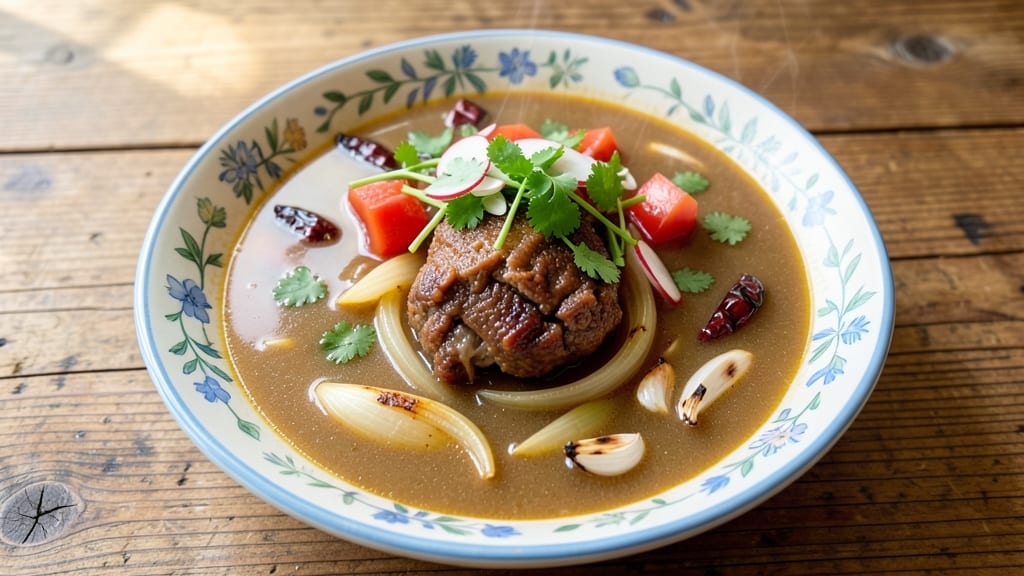
This Mexican beef tripe soup recipe transforms humble tripe into a rich, aromatic masterpiece that carries the soul of Mexican home cooking. The secret lies in slow-simmered flavors—tomato, chiles, and spices melding into a deep, earthy broth that tenderizes the tripe until it melts in your mouth.
I’ve perfected this version after years of testing, balancing traditional techniques with modern efficiency for a foolproof one-pot meal that feeds a crowd.
The process begins with carefully cleaning and boiling the tripe to remove impurities, then building layers of flavor through a classic sofrito—onions, garlic, and tomatoes—simmered until caramelized. Cumin, oregano, and bay leaves infuse the broth with warmth, while dried chiles add smoky depth.
The result? A soup so profoundly flavorful it turns tripe from an afterthought into the star of the meal.
By the time you’re done, you’ll have a steaming pot of soup with tender tripe, vibrant vegetables, and a broth so rich it deserves a spoonful on its own. Serve it with warm tortillas, sliced avocado, and a squeeze of lime for that perfect balance of textures and brightness.
This isn’t just soup—it’s a celebration of Mexican comfort food, restaurant-quality at home.
Perfect for game days, family gatherings, or cozy weeknights when you crave something hearty and full of tradition. The leftovers? Even better the next day as flavors deepen. Let’s get cooking—this soup is worth every minute of preparation.
Ingredients for mexican beef tripe soup
Sixteen ingredients, one pot, Mexican soul in every spoonful. Tripe transforms from humble to extraordinary here.
| Ingredient | Amount | Notes |
|---|---|---|
| Beef Tripe 🥩 | 2 lb | Honeycomb or blade cut, cleaned and rinsed |
| Yellow Onions 🧅 | 2 whole | Medium size, thinly sliced |
| Garlic Cloves 🧄 | 6 cloves | Peeled, smashed for maximum flavor |
| Fresh Tomatoes 🍅 | 4 whole | Roma or vine-ripened, quartered |
| Dried Ancho Chiles 🌶️ | 2 whole | Stems/seeds removed, stems removed |
| Dried Guajillo Chiles 🌶️ | 2 whole | Stems/seeds removed, stems removed |
| Ground Cumin 🌿 | 1 tbsp | Toasted for deeper aroma |
| Dried Mexican Oregano 🍃 | 1 tbsp | Not regular oregano |
| Bay Leaves 🌿 | 2 whole | Fresh preferred, dried works |
| Tomato Paste 🍅 | ½ cup | High-quality, no sugar added |
| Carrots 🥕 | 3 whole | Medium size, chopped into chunks |
| Celery Stalks 🥬 | 3 whole | Trimmed, chopped into 1-inch pieces |
| Beef Broth 💧 | 4 cups | Low-sodium, homemade preferred |
| Lime Juice 🍋 | ¼ cup | Freshly squeezed, for brightness |
| Salt 🧂 | 1 ½ tsp | Diamond Crystal kosher salt |
| Black Peppercorns 🌶️ | ½ tsp | Freshly cracked, not pre-ground |
| Fresh Cilantro 🌿 | ¼ cup | Chopped, for garnish |
| Avocado Oil 🫒 | 2 tbsp | High smoke point for sautéing |
The tripe is non-negotiable for authenticity—honeycomb or blade cuts work best, and Costco or local butchers usually carry them pre-cleaned. If you're starting with raw tripe, soak it in cold water with vinegar for 30 minutes to remove impurities. For the chiles, MexGrocer or Latin markets have the freshest dried varieties, but any reputable grocery store carries them. Look for vibrant color and no signs of moisture—those indicate freshness. The Mexican oregano is crucial too; Penzeys or bulk bins at Whole Foods stock it, but avoid the Italian oregano from regular spice racks.
No ancho or guajillo chiles? Ancho chiles alone will work, but reduce to 3 total for less smokiness. Fresh tomatoes can be swapped for 1 can (14 oz) crushed tomatoes, but fresh has brighter acidity. Short on time? Pre-toasted cumin seeds in a dry pan for 2 minutes before grinding add incredible depth. The tomato paste can be replaced with 1 cup pureed canned tomatoes, but paste gives that concentrated umami punch. For the broth, homemade is ideal, but even low-sodium store-bought works—just add an extra pinch of salt at the end. The avocado oil is worth the splurge; high smoke point means no bitter flavors when sautéing.
This soup tastes even better the next day as flavors meld—make a double batch if you can. Store in the fridge for 4-5 days or freeze portions for up to 3 months. The tripe will get even more tender with reheating, so don't rush it. For serving, keep the lime juice and cilantro separate until ready to eat—the acidity cuts through the richness at the last minute. Tortillas and avocado slices on the side are traditional, but a sprinkle of crumbled queso fresco adds a nice touch too.
Why You'll Love This Recipe
- No Chopping Chaos: I swear by this recipe because you only need to dice onions and mince garlic—no fancy prep. The tripe comes pre-cut in sheets, so it’s all about soaking, simmering, and letting the ancho chiles work their magic while you sip your coffee.
- Umami Bomb: That first bite? The tripe’s meaty, jelly-like texture with the deep smoky heat from the dried ancho chiles—it’s like a warm hug for your taste buds. The tomatoes add just enough brightness to cut through the richness, and the garlic? Oh, it’s there in the best way.
- Weeknight to Potluck: This soup is my secret weapon for lazy nights (hello, 20-minute hands-off simmer) and also the star of my holiday gatherings. Serve it with warm tortillas or crusty bread, and suddenly you’re the hero of the meal—no stress, just flavor.
- Wallet-Friendly Leftovers: Tripe stretches like crazy, so you’re feeding a crowd for the price of a single cut of meat. Plus, the leftovers? Even better the next day—just reheat and add a splash of lime for a zesty kick. My freezer’s always stocked with this stuff.
Step-by-step instructions for Mexican beef tripe soup
Here's the method that transforms humble tripe into rich, aromatic soup with deep chile complexity.
Prepare the Tripe for Maximum Tenderness
Begin by rinsing the 2 lb beef tripe under cold water until the liquid runs clear. This removes any surface impurities that could cloud your broth. Place the tripe in a large pot and cover it with cold water by 2 inches. Add 1.5 tsp salt and bring to a boil over high heat.
Once boiling vigorously, reduce heat to medium-high and simmer for 15 minutes. This initial blanch removes any remaining blood and prepares the tripe for the long cook ahead. Drain and rinse the tripe again under cold water, then set it aside. The tripe should now be pale and ready for the flavor-building process that comes next.
Build the Aromatic Base with Onions, Garlic and Chiles
Heat 2 tbsp avocado oil in a large Dutch oven over medium heat. Add the 2 whole yellow onions and cook for 8-10 minutes until they soften and begin to caramelize at the edges. This slow cooking develops sweetness that forms the foundation of your soup.
Add the 6 cloves garlic cloves and cook for 30 seconds until fragrant. Immediately stir in the 2 whole dried ancho chiles and 2 whole dried guajillo chiles. Toast them for 1 minute until they darken slightly and release their aromatic oils. Remove the chiles with tongs and set aside - they'll be blended later for maximum flavor extraction.
Develop the Tomato-Chile Sauce
To the Dutch oven, add the 4 whole fresh tomatoes and cook for 5 minutes until they begin to break down. Stir in the 0.5 cup tomato paste and cook for 2 more minutes until it darkens slightly. This creates a concentrated flavor base that will carry through the entire soup.
Add the 1 tbsp ground cumin, 1 tbsp dried Mexican oregano, and 2 whole bay leaves. Pour in the 4 cups beef broth and bring to a gentle simmer. Return the toasted chiles to the pot and let everything simmer uncovered for 15 minutes. This allows the flavors to meld while the chiles rehydrate and infuse their smoky depth into the broth.
Simmer the Tripe Until Fork-Tender
Add the prepared tripe to the Dutch oven along with the 3 whole carrots and 3 whole celery stalks. Bring to a gentle simmer, then reduce heat to maintain a steady bubble. The tripe needs 1 hour 15 minutes to become tender - you'll know it's ready when it easily pulls apart with a fork and the broth has reduced slightly.
During the last 10 minutes of cooking, stir in the 0.25 cup lime juice. This bright acidity cuts through the richness of the tripe and chiles, balancing the flavors perfectly. Taste and adjust seasoning with additional salt if needed - the tripe absorbs flavors well, so you may need slightly less than the remaining salt.
Finish and Serve with Fresh Herbs
Remove the bay leaves and toasted chiles from the soup. Using an immersion blender, carefully blend about half the soup until smooth while keeping the tripe and vegetables intact. This creates a velvety texture without making the soup completely puréed. If you prefer a chunkier texture, simply stir the soup vigorously instead.
Ladle the soup into bowls and garnish each serving with 1 tablespoon of the 0.25 cup fresh cilantro. The fresh herbs provide a vibrant contrast to the deep, earthy flavors of the chiles and tripe. Serve immediately with warm tortillas or crusty bread to soak up every last drop of that rich, aromatic broth.
Pro Tips For Making Mexican Beef Tripe Soup
- BLEACH THE TRIPE FIRST: Skip the store-bought "pre-cleaned" tripe—it’s a gimmick. Soak raw tripe in a mix of 1 part white vinegar to 3 parts cold water for 20 minutes, then rinse thoroughly. I learned this the hard way after my first batch tasted like a slaughterhouse floor.
- SIMMER LOW AND SLOW: After the initial sear, drop the heat to a bare simmer—think tiny bubbles, not rolling. Tripe needs time to break down, not boil into mush. My grandmother swore by this, and she was right: rushing it turns the soup into a gluey mess.
- DEGLAZE WITH TOMATO WATER: Don’t waste that browned onion and garlic fond. Splash in a cup of the tomato water you’ll use later—it pulls out all the flavor stuck to the pot. Sounds weird, but it works: the soup tastes deeper, and you’re not wasting good liquid.
- TOAST THE ANCHO CHILES: Dry-toast the dried ancho chiles in a skillet for 30 seconds per side before rehydrating. It mellows the bitterness and adds a smoky note. I was skeptical until I tried it—now I never skip it, even when I’m in a hurry.
Common mistakes when making great mexican beef tripe soup
Skipping the Blanch
One of the biggest mistakes is omitting the initial 15-minute blanching of the tripe. This step removes blood and impurities that would otherwise make your broth cloudy and bitter.
I’ve seen home cooks rush this step, thinking it’s optional—don’t fall into that trap. The blanching also helps tenderize the tripe for the long simmer ahead. 💡
Overcrowding the Pot
Tripe needs space to cook evenly, so don’t overcrowd your Dutch oven. If you’re using a 6-quart pot, 2 lbs of tripe is about right—any more and the tripe will steam instead of simmer gently.
Overcrowding leads to uneven cooking and a less tender final texture. I’ve learned this the hard way after making a double batch that turned out tough in spots.
Under-Soaking Dried Chiles
If you’re using dried chiles, never skip soaking them first—even for 10 minutes in warm water. This rehydrates them and prevents them from floating or burning at the bottom of your pot.
I once forgot this step and ended up with bitter, under-extracted chiles that ruined the broth’s balance. After soaking, remove the chiles before blending to avoid a gritty texture.
Rushing the Simmer Time
Tripe is notoriously tough, so cutting the simmer time short is a recipe for disappointment. The 1 hour 15 minutes is non-negotiable for fork-tender results. I’ve seen people impatiently check the tripe after 45 minutes and give up when it’s still chewy.
Trust the process—patience here makes all the difference. A meat thermometer isn’t necessary, but the tripe should pull apart easily with minimal resistance.
Ignoring the Lime Juice
Adding lime juice in the last 10 minutes isn’t just for brightness—it’s essential for balancing the rich, earthy flavors of the chiles and tripe. I’ve made this soup without it, and the result feels flat and one-dimensional.
The acidity also helps break down any remaining collagen in the tripe, enhancing its tenderness. Always add it fresh, not bottled, for the best flavor.
Skipping the Bay Leaves
Bay leaves might seem like an afterthought, but they add a subtle, aromatic depth that’s hard to replicate. I’ve made this soup without them, and while it’s still delicious, it lacks that layered complexity. Remove them before serving—straining them can be tricky, so use tongs to fish them out cleanly.
If you’re short on time, a pinch of dried bay leaf powder works in a pinch, but fresh is always better.
Nutrition facts
Frequently asked questions
Why does Mexican tripe soup need such a long cooking time?
Tripe is naturally tough, so the 1 hour 15 minutes simmer is essential to break down its connective tissue and collagen. This slow process transforms it from chewy to fork-tender while allowing flavors to meld deeply into the broth. The patience pays off with every bite of that rich, velvety texture.
Can I substitute beef tripe with another meat?
While tripe is traditional, you could use beef shank or pork belly in a pinch—but expect different textures. Tripe's unique chewiness and ability to absorb flavors make it irreplaceable for authentic results. If substituting, increase simmer time by 20-30 minutes to compensate for toughness.
What's the best way to store leftovers?
Store in an airtight container in the fridge for 4-5 days or freeze for 3 months. The flavors actually improve overnight as the broth reduces and deepens. Reheat gently on the stove with a splash of water or broth to restore moisture. Never microwave—it ruins the texture.
How can I make this soup spicier?
Add 1-2 extra dried chiles (like chipotle or arbol) during the simmer, or stir in 1 tsp cayenne powder at the end. For heat control, remove seeds from chiles before soaking. Pro tip: Fresh jalapeños or serranos can be added in the last 5 minutes of cooking for a bright, fresh kick.
Is this soup gluten-free?
Yes, as written! Just ensure your beef broth is gluten-free and check that dried chiles and spices don't contain additives. The recipe naturally avoids wheat, barley, or rye. For extra assurance, use certified gluten-free broth. The rich tomato-chile base makes it hearty enough to satisfy without grains.