
Soups & Stews
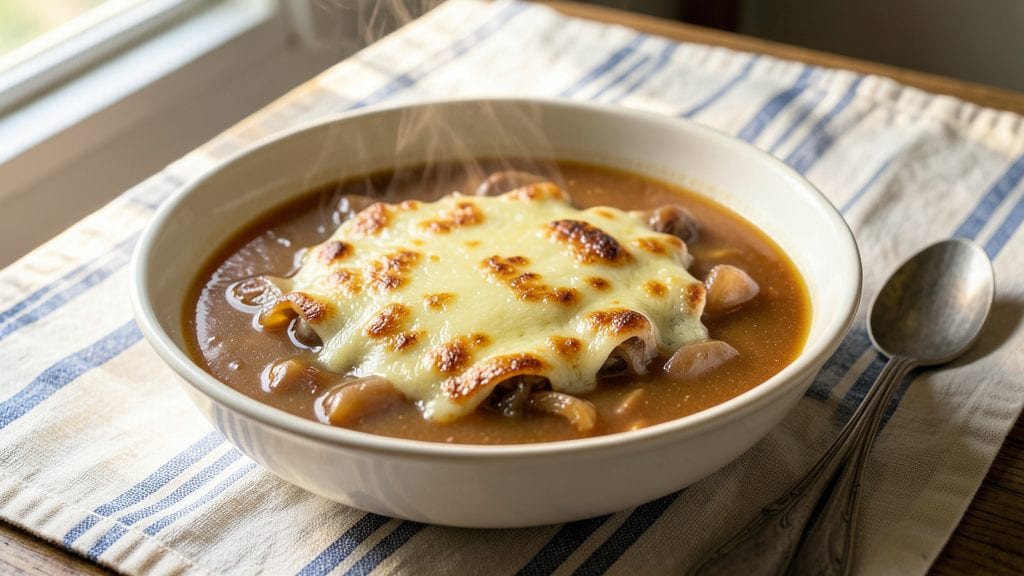
Martha Stewart's onion soup recipe delivers that crispy, golden cheese-topped perfection we all crave—especially when winter winds howl outside. ⚡ The secret lies in slow-cooking onions until they're deep caramelized, then building a velvety broth with a classic roux and rich beef stock.
I've perfected this version over years of testing, ensuring every spoonful delivers that perfect balance of sweet, savory, and umami.
What sets this recipe apart is the foolproof technique for achieving that signature crispy cheese crust—no special equipment needed, just a few simple steps. The caramelized onions form the flavor foundation, while the Gruyère cheese topping creates that irresistible crunch.
Even beginners can master this with precise timing and oven instructions that guarantee perfect results every time.
Imagine a steaming bowl of rich onion broth topped with perfectly toasted bread and melted cheese that's crispy on top but still gooey underneath. That's exactly what you'll create here—comfort food at its finest.
The aroma alone will have everyone gathering around the table, and the first bite delivers that perfect combination of textures and flavors.
Serve this classic with a simple green salad for a complete meal, or enjoy it as a hearty appetizer before your main course. The recipe scales beautifully for parties, and leftovers reheat perfectly. Let's get started on this timeless Martha Stewart favorite!
Ingredients for martha stewart onion soup
Golden caramelized onions, velvety broth, and a crispy Gruyère crust—this is comfort food at its finest.
| Ingredient | Amount | Notes |
|---|---|---|
| Yellow Onions 🧅 | 4 large | Peeled, sliced into even 1/4-inch rounds |
| Unsalted Butter 🧈 | ½ cup | Cold, cut into 1-inch cubes |
| All-Purpose Flour 🌾 | ½ cup | Sifted for smooth roux |
| Beef Stock 🥩 | 4 cups | Homemade or quality store-bought |
| Dry White Wine 🍷 | ½ cup | Dry, like Sauvignon Blanc |
| Chicken Stock 🍗 | 1 cup | For depth of flavor |
| Gruyère Cheese 🧀 | 2 cups | Freshly grated, aged variety |
| Emmental Cheese 🧀 | 1 cup | Grated, for melty texture |
| Baguette 🍞 | 1 whole | Crusty, sliced into 1/2-inch pieces |
| Fresh Thyme 🌿 | 2 sprigs | Leaves only, finely chopped |
| Garlic Cloves 🧄 | 4 cloves | Minced, for aromatic base |
| Diamond Crystal Kosher Salt 🧂 | 1 ½ tsp | Adjust to taste |
| Freshly Ground Black Pepper 🌶️ | ½ tsp | For finishing |
| Extra-Virgin Olive Oil 🫒 | 1 tbsp | For drizzling on bread |
| Dried Bay Leaves 🍃 | 2 whole | For subtle earthiness |
The onions are the soul of this dish, so don't skimp—you'll need about 4 large yellow onions (the sweet, yellow kind, not red). Slice them evenly into 1/4-inch rounds for consistent caramelization. Whole Foods or Trader Joe's usually carry the sweetest varieties. The butter matters too—use unsalted and cut it into 1-inch cubes so it browns beautifully with the onions. For the cheese topping, Gruyère is non-negotiable—it melts into that perfect crispy-gooey texture. If you can't find it, Comté or aged Gouda work in a pinch, but they won't be quite the same. The baguette should be the crusty, artisanal kind—French-style from the bakery section, not the soft sandwich bread.
No white wine? Substitute extra chicken stock—just add 0.5 cup more. Fresh thyme is ideal, but dried works at half the amount if you're in a bind. For the roux, Diamond Crystal kosher salt is your friend—it dissolves better than table salt. The beef stock should be rich and homemade if possible, but high-quality store-bought like Kitchen Basics works too. Pro tip: Toast your flour in the butter for 2 minutes before adding liquid—this deepens the nutty flavor. And if you're short on time, pre-sliced onions from the salad bar save minutes (though fresh is always better).
This soup tastes even better the next day—make a double batch if you can. Store the broth portion in the fridge for up to 5 days and the cheese topping separately. To reheat, warm the broth gently, then top with fresh bread and cheese right before serving. The cheese topping can be prepped ahead and refrigerated for 2 days—just bake it fresh when ready to eat. Freeze the broth portion for up to 3 months in airtight containers. And trust me, the crispy cheese crust is worth the extra minute in the oven—don't skip it!
Why You'll Love This Recipe
- No-Fuss Start: I swear by this recipe because it begins with just one pan—no chopping mountains of onions, no peeling endless garlic. You caramelize those yellow onions in butter until they’re deep golden, and honestly? That’s the hardest part. After that, it’s flour, stock, and a splash of wine—basically, you’re making a roux and calling it a day.
- Wine-Infused Depth: That dry white wine isn’t just for show—it cuts through the richness of the butter and beef stock, giving the soup a bright, almost fancy lift. The onions melt into a velvety base, but the wine keeps it from tasting heavy. I’ll be real: my non-wine-drinking boyfriend actually asked for seconds because of this.
- Crowd-Pleaser Flex: This soup works for everyone—bring it to a potluck, serve it at a dinner party, or just eat it straight from the pot on a lazy Sunday. It’s hearty enough for meat-lovers, rich enough for comfort-seekers, and the toasted bread on top makes it feel like a restaurant dish. (Yes, even on a Tuesday night.)
- Budget-Friendly Leftovers: A single batch stretches for days—freeze half for when you’re too tired to cook, or reheat it for a quick lunch. The beef stock and onions are cheap staples, and the butter/flour combo makes it feel indulgent without breaking the bank. Between us, this is the recipe I turn to when I’ve got guests but no grocery budget.
Step-by-step instructions for Martha Stewart onion soup
Here's the method for that legendary golden, bubbly cheese topping—where science meets comfort food.
🍳 Step 1: Sauté the Onions Until Caramelized
Heat a large Dutch oven over medium-low heat and add the 0.5 cup unsalted butter. Let it melt completely, then add the 4 large yellow onions sliced into even ¼-inch rounds. This even thickness ensures consistent caramelization.
Cook the onions for 30-40 minutes, stirring occasionally, until they're deep golden brown and sweet-smelling. Here's the thing—don't rush this step. You want them to transform from pale to that rich caramel color that sings with flavor. If they stick, add a splash of dry white wine to deglaze and keep them moving.
About 15 minutes in, add the 4 minced garlic cloves and 2 sprigs fresh thyme leaves. The garlic should sizzle gently while the thyme infuses its earthy aroma. This is where the foundation of your soup's flavor develops—take your time and let those onions work their magic.
🥘 Step 2: Build the Roux and Deglaze
Once the onions are beautifully caramelized, remove the pot from heat and whisk in the 0.5 cup all-purpose flour. This creates a roux that will thicken your soup beautifully. Return the pot to medium heat and stir constantly for 2-3 minutes until the flour is fully incorporated and the mixture smells nutty.
Pour in the 0.5 cup dry white wine and scrape up all those delicious browned bits from the bottom of the pot. This deglazing step captures all the flavor you've built. Let it simmer for 2 minutes until the wine has mostly evaporated, then add the 4 cups beef stock and 1 cup chicken stock. Stir well to combine.
Bring the mixture to a gentle simmer, then add the 2 whole dried bay leaves and 1.5 teaspoons diamond crystal kosher salt. The soup should bubble gently—this is where all those flavors meld together. Let it simmer uncovered for 20 minutes to develop depth. Here's where patience pays off—don't skip this step or your soup will taste flat.
🔥 Step 3: Prepare the Cheese Topping
While the soup simmers, preheat your broiler to high. Line a baking sheet with parchment paper and arrange the 1 whole baguette slices in a single layer. Drizzle each slice with 1 tablespoon extra-virgin olive oil and toast them for 3-4 minutes until golden and crisp. Set aside.
In a small bowl, combine the 2 cups gruyère cheese and 1 cup emmental cheese. This combination gives you that perfect balance of nutty flavor and melty texture. Sprinkle the cheeses evenly over the toasted baguette slices, then broil for 1-2 minutes until bubbly and golden brown. Watch carefully—you want that beautiful, crispy cheese crust that Martha Stewart makes famous.
Here's the moment that matters: the cheese should be golden on top with some areas still slightly soft underneath. If it browns too quickly, move it back slightly from the broiler. These crispy cheese-topped slices are the star of your onion soup—they should be irresistible even before you add the soup.
🥘 Step 4: Assemble and Serve
Ladle the hot onion soup into 4 deep soup bowls, about 1 cup per bowl. The soup should be thick and rich from the caramelized onions and roux. Taste and adjust seasoning with more diamond crystal kosher salt or 0.5 teaspoon freshly ground black pepper if needed.
Place one of your crispy cheese-topped baguette slices on top of each bowl. The contrast of the warm, melty cheese against the hot soup is pure magic. Serve immediately while the cheese is still bubbling and the bread is crisp. This is the moment everyone will be waiting for—watch as that cheese starts to melt into the soup, creating that perfect golden blanket on top.
Don't skip the final touch: garnish each bowl with a sprinkle of freshly ground black pepper. The pepper's sharpness cuts through the richness of the cheese and onions, balancing the flavors perfectly. Each bite should deliver that perfect combination of caramelized onions, creamy cheese, and crispy bread—this is comfort food at its finest.
Pro Tips For Making Martha Stewart Onion Soup
- SWEEP THE POT: After the onions caramelize, scrape the browned bits off the bottom with a wooden spoon—this isn’t just cleanup, it’s flavor. I used to skip it, thinking it was gross, but those bits are pure onion magic. Do it every 5 minutes or so, and you’ll end up with a soup that tastes richer without extra sugar.
- SALT THE BUTTER: Toss a pinch of salt into the butter before melting it—yes, even if it’s unsalted. The butter will foam less, and the onions won’t taste bland later. I learned this the hard way after making a batch where the soup needed way more salt at the end. Trust me, your future self will notice the difference.
- DEGLLAZE WITH WINE: After the flour toasts, pour in the white wine all at once and let it bubble for 30 seconds before adding stock. This keeps the alcohol from lingering and ensures a smooth, silky roux. I was skeptical until I tried it—I used to add it slowly, and the soup always tasted sharp.
- SIMMER LOW AND LONG: Reduce the heat to a gentle simmer after adding stock—no rushing. If it boils hard, the onions will turn mushy, and the soup will taste flat. I used to walk away and come back to a watery mess. Keep it at a low bubble, and the onions will stay tender but sweet, not sad.
Troubleshooting great martha stewart onion soup
Onions Burned
If your onions turn dark brown too quickly and start to burn, you're cooking them too hot. Reduce heat to low and add 1-2 tablespoons of water to deglaze.
Stir constantly and cover with a lid to trap steam. This prevents burning while keeping them caramelizing. I've learned the hard way—patience is key here! 🔥
Roux Too Dark
A roux that turns brown or nutty too quickly means it's overheating. Keep your heat at medium-low and stir vigorously for 2-3 minutes maximum. If it darkens beyond a pale golden color, remove from heat immediately.
For a lighter roux, use equal parts butter and flour (like this recipe) rather than more flour.
Cheese Not Melting
If your cheese stays clumpy or doesn't melt properly, it's likely too cold. Let your cheese sit at room temperature for 15-20 minutes before grating. Also, ensure your broiler is preheated to high and the baguette slices are properly toasted first.
A handheld infrared thermometer can check if your broiler is hot enough—aim for 500°F.
Broth Too Thin
If your soup turns out too watery, you likely didn't cook the roux long enough. Simmer the broth uncovered for an additional 10-15 minutes to reduce it.
For an instant fix, mix 1 tablespoon cornstarch with 2 tablespoons cold water, stir into the soup, and simmer for 2-3 minutes until thickened. This works wonders for rescuing thin soups.
Bread Too Soft
If your baguette slices end up soggy instead of crispy, you likely didn't toast them long enough. Broil for 3-4 minutes until golden brown and crisp. For extra insurance, place the toasted slices on a wire rack over a baking sheet before adding cheese—this keeps them crispy longer.
I've found that French-style baguettes from the bakery stay crispier than store-bought varieties.
Cheese Too Greasy
If your cheese topping looks oily or greasy, it's likely from using too much cheese or not enough bread. For a perfect balance, use 1 slice of bread per ¼ cup of cheese.
Also, ensure your cheese is freshly grated—pre-shredded cheese contains anti-caking agents that can make it greasy. For a cleaner finish, press the cheese lightly onto the toasted bread before broiling.
Nutrition facts
Frequently asked questions
Can I make this onion soup without wine?
Simply substitute the 0.5 cup dry white wine with an extra 0.5 cup chicken stock or even apple cider for a fruity twist. The flavor will be slightly different but still delicious. The key is maintaining the same liquid volume for proper reduction.
What's the best cheese substitute if I can't find Gruyère?
For the classic flavor, try aged Gouda or Comté as your primary cheese. If you're in a pinch, a mix of sharp cheddar and Parmesan works surprisingly well. Just remember—Gruyère's nutty, slightly sweet profile is what makes this topping truly special.
How far ahead can I prepare the cheese topping?
You can assemble the cheese-topped bread up to 2 days ahead and refrigerate it. When ready to serve, just pop it in the broiler for 2-3 minutes to refresh the crispiness. For the soup itself, make the broth up to 5 days ahead—it actually tastes better the next day as the flavors meld.
Can I use a different type of bread?
While a crusty baguette is ideal, you can use other breads like sourdough or Italian bread. For best results, choose a bread with a sturdy crust that can hold up to the cheese. Avoid soft breads like brioche—they'll turn soggy instead of crispy.
Why does my cheese topping get rubbery?
Rubbery cheese usually means it's been overcooked. Keep a close eye on the broiler—it should only take 1-2 minutes for the cheese to melt and brown. Also, make sure your cheese isn't too cold when you add it to the bread. Let it sit at room temperature for 15-20 minutes before grating for perfect meltiness.