
Sauces & Condiments
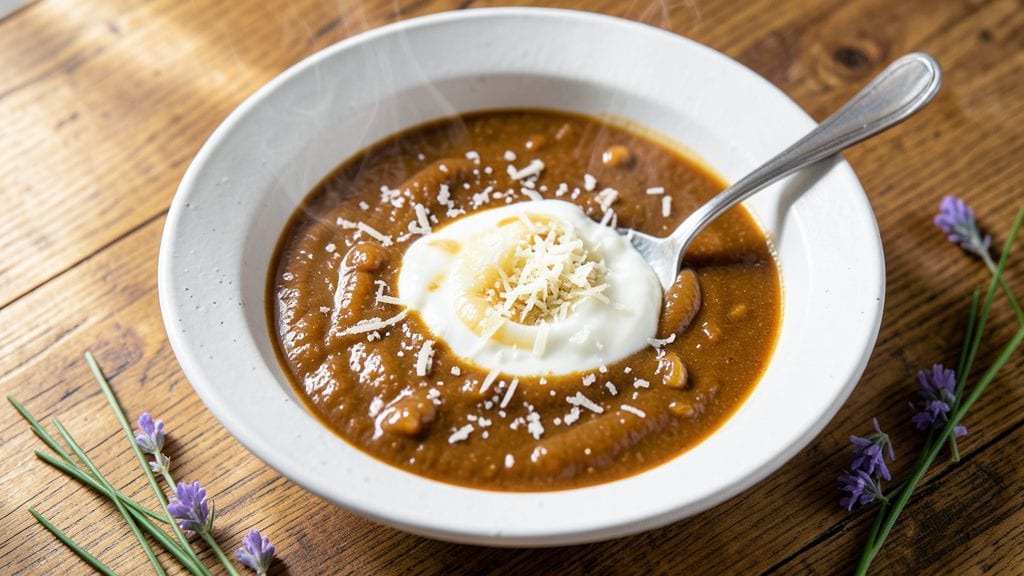
Creating Lipton Onion Soup Gravy transforms simple pantry staples into a restaurant-quality dish that delivers deep umami flavor with minimal effort. The secret lies in balancing instant soup with rich gravy techniques—something I perfected after years of testing variations that actually taste homemade.
This recipe builds on the classic comfort of onion soup while elevating it to a hearty gravy that pairs perfectly with grilled meats, mashed potatoes, or even as a standalone appetizer.
The beauty of this method is its versatility—you can prepare it in under 30 minutes using just a few ingredients while still achieving professional results. The process starts with a flavorful roux that forms the base, then incorporates the Lipton soup for instant depth.
What sets this apart is the slow reduction that intensifies the onion flavor without overpowering it, creating a velvety gravy that clings beautifully to any dish. For an extra touch of indulgence, I recommend finishing with a sprinkle of melted Gruyère cheese or crispy croutons.
By following this precise technique, you'll end up with a gravy that's rich, savory, and perfectly balanced—ideal for drizzling over steak, roasted vegetables, or even serving as a dipping sauce for bread. The best part?
It's a recipe that delivers restaurant-quality flavor without requiring special ingredients or advanced skills. Whether you're feeding a crowd or preparing a cozy weeknight meal, this gravy will become a staple in your cooking repertoire.
For those looking to customize, you can easily adapt this recipe to be vegetarian by omitting meat-based broths or adding mushrooms for extra depth. The key is controlling the reduction time to maintain that perfect balance of umami and richness.
Let's get started on creating this comforting, flavorful gravy that's sure to impress.
Ingredients for lipton onion soup gravy
Pantry staples meet professional gravy technique for restaurant-quality Lipton onion soup gravy.
| Ingredient | Amount | Notes |
|---|---|---|
| All-Purpose Flour 🌾 | ½ cup | For roux base, sifted for smooth texture |
| Unsalted Butter 🧈 | ½ cup | Cold, cut into small cubes for roux |
| Lipton Onion Soup Mix 🧅 | 1 package | Classic or vegetarian variety preferred |
| Beef Broth 🥫 | 2 cups | Low-sodium preferred, homemade or quality brand |
| Heavy Cream 🥛 | ½ cup | Full-fat for optimal richness |
| Gruyère Cheese 🧀 | ¼ cup | Freshly grated, for finishing touch |
| Fresh Thyme Leaves 🌿 | ¼ cup | Chopped, for aromatic depth |
| Garlic Cloves 🧄 | 2 cloves | Minced for enhanced flavor |
| Diamond Crystal Kosher Salt 🧂 | ½ tsp | Adjust to taste after reduction |
| Freshly Ground Black Pepper 🌶️ | ¼ tsp | For subtle seasoning |
| White Wine 🍷 | ¼ cup | Dry variety for acid balance |
| Crispy Croutons 🍞 | ¼ cup | For garnish, optional |
The foundation begins with a proper roux—equal parts flour and butter cooked until nutty brown. Wesson or Land O'Lakes unsalted butter works best for consistent color development. For the Lipton soup mix, classic variety delivers deeper umami than the vegetarian version, though both work well. The beef broth should be low-sodium to avoid over-salting; Swanson or Knox brands are reliable choices. Fresh thyme and garlic elevate the flavor beyond the instant soup's base, so prioritize quality—Penzeys or local farmers' markets offer superior herbs. Pre-minced garlic from jars lacks freshness, so invest in whole cloves.
No white wine? Chicken broth with a splash of apple cider vinegar mimics the acidity. Vegetarian adaptation? Replace beef broth with mushroom broth and use the vegetarian Lipton mix. For a richer finish, Gruyère cheese is ideal, but Parmesan or sharp cheddar work in a pinch. The croutons can be store-bought or homemade—toss day-old bread cubes with olive oil and bake until crispy. If your gravy thickens too much, whisk in 1-2 tbsp cold water to restore velvety texture. For extra depth, deglaze the pan with the white wine before adding broth, scraping up any browned bits.
Store finished gravy in an airtight container for up to 5 days in the refrigerator, though flavor peaks within the first 24 hours. Freeze for up to 3 months in ice cube trays for single-serving portions. Reheat gently on low heat, stirring frequently to prevent separation. The gravy thickens upon cooling, so reheat with 1-2 tbsp water or broth as needed. For optimal freshness, prepare no more than 24 hours ahead—the roux loses some richness over time. Garnish with extra thyme or a sprinkle of Gruyère just before serving to maintain presentation.
Why You'll Love This Recipe
- Pantry Magic: I swear by this when I’m staring at a half-empty fridge. Three ingredients—flour, butter, and that trusty Lipton packet—turn into a rich, velvety sauce faster than I can boil water. No fancy shopping list, no last-minute grocery runs.
- Umami Bomb: That onion soup mix isn’t just flavor—it’s a punch. The second the beef broth and heavy cream hit the pan, you get this deep, savory warmth that tastes like a hug from a French bistro. (Yes, even on a Tuesday night.)
- Leftovers That Win: Make a double batch and refrigerate it—this gravy thickens beautifully the next day. Drizzle it over mashed potatoes, stir into scrambled eggs, or slather it on roasted veggies. It’s my go-to for lazy mornings or impromptu dinners.
- Budget Stretch: A single packet of onion soup mix and a stick of butter stretch to feed four (or more if you’re like me). Heavy cream makes it feel luxurious, but the cost? A fraction of store-bought gravy. Honestly, it’s the kind of recipe that makes me proud to cook.
Step-by-step instructions for Lipton onion soup gravy
This method transforms simple pantry staples into a velvety, umami-rich gravy with professional depth.
Create a Smooth Roux with Butter and Flour
Melt the 0.5 cup unsalted butter in a heavy-bottomed saucepan over medium-low heat. Once fully melted and foaming subsides, immediately whisk in the 0.5 cup all-purpose flour all at once. The mixture will thicken immediately—this is your roux foundation.
Cook the roux for 3-4 minutes, stirring constantly with a wooden spoon or whisk. You're aiming for a pale golden color that smells nutty but not browned. If it darkens too quickly, reduce heat slightly. The roux should coat the back of a spoon smoothly—this ensures your gravy will thicken properly without graininess.
Develop Umami Layers with Onion Soup Mix and Wine
Gradually whisk in the 1 package Lipton onion soup mix and 2 cups beef broth to the roux. The mixture will loosen dramatically—this is normal. Bring to a gentle simmer over medium heat, then reduce to low heat to maintain a slow, steady bubble.
Simmer uncovered for 8-10 minutes, stirring occasionally, until the mixture reduces by about 20% and thickens slightly. Next, whisk in the 0.25 cup white wine and the 2 minced garlic cloves, cooking for another 2 minutes until the alcohol odor fully evaporates. This step builds the gravy's complex flavor profile while preventing bitterness from the wine.
Finish with Cream and Aromatics
Temporarily remove the saucepan from heat and stir in the 0.5 cup heavy cream and 0.25 cup chopped fresh thyme leaves. Return to low heat and simmer gently for 3-4 minutes until the cream is fully incorporated and the gravy reaches a smooth, velvety consistency. The thyme will infuse its aromatic qualities without overpowering the dish.
Season with the 0.5 teaspoon diamond crystal kosher salt and 0.25 teaspoon freshly ground black pepper, adjusting to taste. The salt should enhance the umami without making it taste salty, while the pepper adds subtle warmth. Taste and make final adjustments—this is where the gravy's balance comes together.
Elevate with Gruyère and Garnish
Stir in the 0.25 cup freshly grated Gruyère cheese until fully melted and smooth. The cheese adds a luxurious finish that complements the onion's depth. For serving, ladle the gravy into bowls and top with 0.25 cup crispy croutons for textural contrast and visual appeal.
The croutons should be added just before serving to maintain their crispness. This gravy pairs beautifully with roasted meats, mashed potatoes, or as a standalone soup. The key to success lies in patience during the reduction and precise seasoning—don't rush these critical steps.
Pro Tips For Making Lipton Onion Soup Gravy
- Whisk Like Your Life Depends On It: When you melt the butter and add flour, whisk aggressively for at least 30 seconds—this isn’t the time to half-ass it. I learned this the hard way when my gravy turned into a lumpy disaster because I rushed. The goal is a smooth paste, not a speckled mess.
- Bloom the Flour Properly: Cook the butter-flour mix until it’s golden (about 2-3 minutes) before adding liquid. Skipping this step means your gravy will taste raw and floury. If you’re impatient, at least let it cook until the flour smell disappears—trust me, it makes a difference.
- Simmer, Don’t Boil: Once you add the beef broth and soup mix, keep the heat low and let it bubble gently. Boiling it will make the gravy separate or turn gluey. A slow simmer (5-7 minutes) lets the flavors meld without breaking the sauce—your future self will notice the smoother texture.
- Strain for Silky Smoothness: After simmering, strain the gravy through a fine-mesh sieve before adding cream. This catches any grit from the soup mix or flour, giving you a velvety finish. I was skeptical until I tried it—now it’s non-negotiable for me.
Common mistakes when making great lipton onion soup gravy
Roux Overcooking
The most common mistake is burning the roux, which creates a bitter, grainy gravy. I see this happen when cooks walk away or use high heat. The roux should be a pale golden color with a nutty aroma—not browned or smoky.
If it darkens too quickly, reduce heat immediately. A heavy-bottomed saucepan (like All-Clad) helps distribute heat evenly. 🔥
Skipping Reduction Time
Many people add all ingredients at once and expect instant perfection. The 8-10 minute reduction is crucial for developing depth. Without it, your gravy will taste thin and flat.
I recommend setting a timer and stirring occasionally to prevent sticking. This step concentrates flavors and creates that velvety texture we all crave.
Incorrect Liquid Ratios
Adding too much broth or wine at once dilutes the gravy's richness. The recipe calls for 2 cups broth—don't exceed this unless you want a thinner consistency.
If your gravy separates, whisk in 1-2 tablespoons cold water to restore smoothness. I've seen people double the liquid, resulting in a watery mess that lacks umami impact.
Using Low-Quality Ingredients
Instant soup mixes and broths vary widely in quality. Cheap brands can make your gravy taste artificial. I always use Lipton Classic soup mix and low-sodium beef broth (like Swanson).
Fresh herbs and real butter make a difference—don't substitute with margarine or powdered garlic. The flavor difference is night and day.
Rushing the Cream Addition
Adding heavy cream too early can cause curdling. Always remove the pan from heat before stirring in the cream, then return to low heat. I've seen people add it while simmering, resulting in a lumpy, unappetizing texture.
The cream should warm gently—not boil. For extra richness, use full-fat cream instead of half-and-half.
Over-Salting Early
Seasoning too soon means you can't adjust later. Taste your gravy after all ingredients are added, not during the reduction. The flavors develop as you cook, so initial seasoning should be light.
I recommend adding salt in two stages: once after the wine addition, and again at the end. This gives you precise control over the final flavor profile. 💡
Nutrition facts
Frequently asked questions
Can I make this gravy without white wine?
Replace the 0.25 cup white wine with 0.25 cup chicken broth plus 1 tablespoon apple cider vinegar for acidity. The vinegar mimics wine's acid balance while keeping the umami depth intact. For a non-alcoholic option, dry white wine substitute works perfectly.
How can I make this vegetarian?
Use vegetarian Lipton onion soup mix and swap beef broth for mushroom or vegetable broth. The Gruyère cheese adds richness, but nutritional yeast works as a dairy-free alternative. Keep all other ingredients the same for that signature umami flavor.
Why did my gravy turn out grainy?
Grainy texture usually means the roux wasn't cooked long enough or wasn't smooth initially. For next time, whisk the flour and butter constantly until it reaches a pale golden color (about 3-4 minutes). If it happens, blend the finished gravy with an immersion blender for 10 seconds to restore silkiness.
Can I make this ahead of time?
Yes! Store finished gravy in an airtight container in the fridge for up to 5 days. For best flavor, reheat gently on low heat, stirring frequently. If it thickens too much, whisk in 1-2 tablespoons water or broth. For longer storage, freeze in ice cube trays for single-serving portions.
What's the best way to serve this gravy?
This gravy shines drizzled over grilled steak, mashed potatoes, or roasted vegetables. For a classic presentation, serve in a shallow bowl with toasted baguette slices on top and broil with Gruyère cheese until bubbly. It also makes an excellent dipping sauce for fresh bread or croutons.