
Soups & Stews
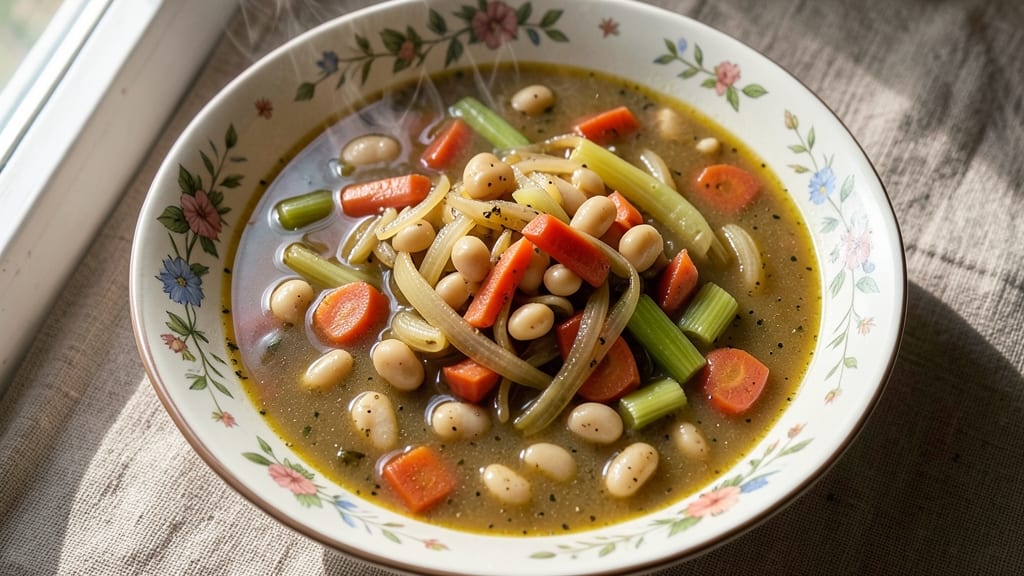
Lidia Bastianich's minestrone soup recipe brings the heart of Italian nonna cooking to your kitchen table—bold, rustic, and packed with the kind of flavors that make every spoonful feel like a hug.
This isn’t just soup; it’s a celebration of seasonal vegetables, cannellini beans, and fresh herbs, simmered to perfection in a way that honors tradition while keeping the technique accessible.
The secret lies in layering flavors: caramelizing onions until deep golden, building a rich tomato base, and letting the vegetables meld into harmony through slow cooking.
What sets this minestrone apart is its vegetarian depth—no shortcuts, no compromises. Lidia’s approach focuses on quality ingredients: tender cannellini beans, ripe tomatoes, and an array of seasonal vegetables that transform into a hearty, satisfying stew.
The soup develops its signature rustic charm through a long, gentle simmer, allowing flavors to deepen and the vegetables to soften just enough to release their natural sweetness. This is the kind of recipe that tastes even better the next day, as the flavors continue to meld and intensify.
The result is a soup that’s both comforting and vibrant—creamy from the beans, bright from fresh herbs, and rich from the slow-cooked vegetables. The texture is a perfect balance: tender beans, al dente pasta, and wilted greens that add a touch of freshness.
It’s the kind of dish that feeds the soul as much as it fills the stomach, and it’s designed to be adaptable to whatever seasonal vegetables you have on hand.
Whether you’re serving it to a family gathering or simply enjoying a cozy weeknight meal, this minestrone delivers restaurant-quality depth at home.
Ready to create this Italian classic? The recipe builds on Lidia’s signature techniques—precise ingredient prep, controlled simmering, and finishing with fresh herbs for brightness. Each step is designed to ensure you achieve that authentic, rustic flavor profile that makes this minestrone a staple in Italian households.
Let’s get started on making your own version of this timeless dish.
Ingredients for lidia's minestrone soup
Seasonal vegetables, cannellini beans, and fresh herbs—this is the heart of Lidia's rustic Italian minestrone.
| Ingredient | Amount | Notes |
|---|---|---|
| Yellow Onions 🧅 | 1 ½ lb | Medium size, roughly chopped |
| Carrots 🥕 | 1 ½ lb | Medium size, peeled and sliced |
| Celery Stalks 🌿 | 4 whole | Medium size, chopped |
| Cannellini Beans 🌱 | 1 ½ cups | Dried, soaked overnight |
| Ditalini Pasta 🍝 | 1 cup | Uncooked, broken in half |
| Garlic Cloves 🧄 | 6 cloves | Fresh, minced |
| Canned San Marzano Tomatoes 🍅 | 2 cans | 28 oz each, crushed by hand |
| Vegetable Broth 💧 | 6 cups | Homemade or high-quality store-bought |
| Fresh Basil Leaves 🌿 | ½ cup | Packed, torn by hand |
| Fresh Parsley Leaves 🌿 | ¼ cup | Packed, chopped |
| Extra-Virgin Olive Oil 🫒 | ½ cup | High-quality, fruity |
| Kosher Salt 🧂 | 1 ½ tsp | Diamond Crystal preferred |
| Black Peppercorns 🌶️ | ½ tsp | Freshly cracked |
| Bay Leaves 🌿 | 2 whole | Fresh preferred |
| Fresh Kale Leaves 🥬 | 1 cup | Chopped, tough stems removed |
The foundation starts with your vegetables: Yellow Onions, Carrots, and Celery Stalks should be fresh and firm, with vibrant colors. For the best flavor, source these from a trusted farmers' market or specialty grocer like Whole Foods or Trader Joe's. The cannellini beans are crucial—opt for dried when possible, as they develop a richer flavor than canned. Soak them overnight for optimal texture. Lidia's approach emphasizes seasonal produce, so adjust based on what's available during the growing season. The San Marzano Tomatoes are non-negotiable for their sweet, low-acid profile—Mutti or Cirio brands are excellent choices.
No fresh basil or parsley? Dried oregano or thyme can substitute at one-third the amount, though fresh herbs provide that signature brightness. Short on cannellini beans? Great Northern or pinto beans work equally well. The vegetable broth should be homemade if possible—store-bought brands like Pacific Foods or Imagine are solid alternatives. For the pasta, Bronze Die Ditalini from De Cecco adds a rustic texture, but any small pasta shape will suffice. The kale adds depth but can be swapped for spinach or Swiss chard if preferred. Always taste as you go—seasoning builds gradually in this dish.
This soup tastes even better the next day as flavors meld. Store in an airtight container in the refrigerator for up to 5 days, or freeze portions for 3 months. The pasta should be added just before serving to maintain its al dente texture. For a quicker version, use pre-cooked beans and reduce simmering time. The key to Lidia's method is patience—allowing the vegetables to soften gently while preserving their natural sweetness. The result is a soup that's both comforting and vibrant, embodying the essence of Italian nonna cooking.
Why You'll Love This Recipe
- Foolproof Veg Prep: I swear by this recipe because the onions, carrots, and celery get chopped once—then they simmer into perfect sweetness while you stir in the beans. No burning aromatics, no last-minute panic.
- Creamy-Beany Magic: That moment when the cannellini beans break down just enough to thicken the broth? Chef’s kiss. The ditalini soaks up the flavor like a sponge, but the real star is how the soup gets richer with every spoonful.
- Leftover Goldmine: Between us, this is my go-to for lunches all week. The pasta holds up, the beans stay tender, and I’ll honestly add more veggies the second day—because it’s that forgiving.
- Pantry Powerhouse: Honestly, if you’ve got onions, carrots, celery, and a can of beans, you’re halfway there. The ditalini adds zero stress, and the broth? Just water, bouillon, and a pinch of love. Budget-friendly doesn’t get more reliable.
Step-by-step instructions for Lidia Bastianich's minestrone soup
A true Italian minestrone requires patience and layering of flavors. Here's how to build depth through slow cooking and aromatic development.
Sauté the Vegetable Base
Heat the 0.5 cup extra-virgin olive oil in a large Dutch oven over medium heat. Add the 1.5 lb roughly chopped yellow onions, 1.5 lb sliced carrots, and 4 chopped celery stalks, stirring occasionally for 10 minutes until the vegetables soften and release their juices.
The reason for this initial cooking is to develop a rich, sweet foundation. You'll know it's ready when the vegetables lose their raw edge and begin to caramelize slightly at the edges. This step prevents a watery soup later and builds complex flavors that will carry through the entire dish. Don't rush this process—properly sautéed vegetables form the heart of any good minestrone.
Add Aromatics and Tomatoes
Stir in the 6 minced garlic cloves and cook for 30 seconds until fragrant—this prevents the garlic from burning, which would impart bitterness. Add the 2 cans crushed San Marzano tomatoes, 1.5 tsp kosher salt, 0.5 tsp cracked black peppercorns, and 2 whole bay leaves.
Bring the mixture to a gentle simmer and cook uncovered for 15 minutes, stirring occasionally. This allows the tomatoes to break down and release their natural sweetness while the aromatics meld together. The soup should reduce slightly, concentrating the flavors. Here's the thing—this reduction step is crucial for developing the soup's depth. If you skip it, you'll end up with a thinner, less flavorful broth.
Simmer with Beans and Broth
Add the 1.5 cups soaked cannellini beans (with their soaking liquid) and 6 cups vegetable broth. Bring to a boil, then reduce heat to low and simmer uncovered for 45 minutes, stirring occasionally. The beans should be tender but still hold their shape.
During this time, the beans will release starches that thicken the soup naturally. You'll notice the soup developing a richer color and more substantial texture. This is when the true character of the minestrone emerges. If the soup looks too thick, add a splash of water or broth to reach your desired consistency. The key is maintaining a balance between hearty and drinkable.
Finish with Pasta and Greens
Add the 1 cup broken ditalini pasta and 1 cup chopped kale leaves to the simmering soup. Cook for 10-12 minutes until the pasta is al dente and the kale wilts completely. The pasta should absorb the flavorful broth while maintaining a slight bite.
Real talk: Adding the pasta and greens at the end ensures they cook perfectly without becoming mushy. The kale should wilt completely but still retain some texture. Taste and adjust seasoning if needed—you might need a touch more salt to balance the flavors after adding the fresh greens. The soup should be hearty yet light enough to enjoy as a meal.
Garnish and Serve
Remove the 2 bay leaves and discard. Ladle the soup into bowls and garnish each serving with 1 tablespoon torn fresh basil leaves and 1 teaspoon chopped fresh parsley leaves. The herbs should be added just before serving to preserve their bright, fresh flavors.
This final touch elevates the dish from simple to sophisticated. The basil and parsley not only add visual appeal but also a bright contrast to the rich, earthy flavors of the soup. Serve immediately with crusty bread to soak up every last drop of that flavorful broth. The soup will continue to improve as it sits for 15-20 minutes, allowing the flavors to meld even further.
Pro Tips For Making Lidia'S Minestrone Soup
- Sweat the Aromatics Slowly: Lidia’s recipe calls for onions, carrots, and celery to soften together—don’t rush this. After the initial sear, drop the heat to medium-low and let them cook for 10-12 minutes until the onions turn translucent and the carrots are just tender, not mushy. I used to crank the heat and end up with a burnt, bitter base. Patience here means flavor that actually sings.
- Soak Cannellini Beans First: If using dried beans, soak them overnight—not the quick-soak method. Lidia’s recipe relies on their texture holding up through simmering, and pre-soaked beans absorb broth better without splitting. I learned this after a batch turned to mush; now I double-check the water level and let them sit in cold water for at least 12 hours.
- Add Pasta at the End: Ditalini needs just 8-10 minutes in boiling water, but minestrone simmers for hours. Cook the pasta separately in salted water until al dente, then stir it into the soup in the last 5 minutes of heating. This keeps it from turning to glue—something I’ve ruined twice by adding it too early.
- Boost Flavor with a Tomato Paste Boost: Lidia’s recipe likely includes canned tomatoes, but if yours tastes flat, add 1 tablespoon of tomato paste to the pot before the beans and broth. Stir it in for 2 minutes to deepen the color and richness—it’s the non-negotiable upgrade I skip only when lazy. (Yes, even if you’re impatient like me.)
Common mistakes when making great lidia's minestrone soup
Over-Soaking Beans
Never soak cannellini beans for more than 12 hours—longer soaking breaks down their structure, making them mushy and waterlogged. I’ve ruined a batch by leaving them soaking overnight in the fridge for 18 hours, and the texture was disappointing.
Drain and rinse them just before using to remove excess starch that can make your soup gummy. For dried beans, a 10-12 hour soak (or quick-soak method with boiling water for 2 minutes) is ideal. 🌱
Skipping the Sauté
Rushing through the 10-minute sauté of onions, carrots, and celery is a surefire way to end up with a bland, watery soup. This step develops the sweet, caramelized base that carries the dish.
If you’re short on time, at least cook them until they’re soft but not browned—this still builds flavor. I once skipped this entirely and regretted it immediately. The soup lacked depth and tasted more like broth with vegetables floating in it. 🧅
Adding Pasta Too Early
Adding ditalini pasta before the beans are tender is a common mistake that results in mushy noodles. The beans need 45 minutes of simmering to soften properly, while pasta cooks in just 10-12 minutes.
Always add the pasta last, and cook it for the full recommended time on the package—this ensures it’s al dente and absorbs the rich broth. I’ve seen people add pasta early to "save time," but it always turns out gummy. ⏰
Ignoring the Reduction Step
The 15-minute uncovered simmer after adding tomatoes is where the magic happens—it reduces the liquid and concentrates flavors. Skipping this step leaves your soup thin and lacking depth. If your pot isn’t large enough to simmer uncovered, use a deep skillet or Dutch oven to allow evaporation.
I’ve made this mistake in a shallow pot and ended up with a watery, underflavored soup. The reduction is what transforms a simple vegetable stew into a rich, hearty minestrone. 💡
Using Low-Quality Broth
Store-bought vegetable broth with artificial flavors or high sodium content will ruin the authenticity of your minestrone. Even "low-sodium" brands can fall short. Instead, use homemade broth or high-quality brands like Pacific Foods or Imagine.
The broth is the soul of the soup, and cutting corners here is noticeable. I once used a generic supermarket brand and could taste the difference immediately—it lacked the umami depth of a good-quality broth. 💧
Overcrowding the Pot
Adding all the ingredients at once—especially beans, pasta, and greens—can cause the soup to boil over or steam too aggressively, leading to a watery consistency. Instead, add beans and broth first, then pasta and greens last.
If your pot is too full, simmer on low heat to prevent splattering. I’ve had to rescue a pot of minestrone from boiling over, and it was a messy lesson in patience. A large Dutch oven (like Le Creuset) is ideal for this recipe. 🔥
Nutrition facts
Frequently asked questions
Can I make this minestrone without cannellini beans?
While cannellini beans give minestrone its signature creamy texture, you can substitute with 1.5 cups of Great Northern beans or pinto beans (dried or canned). For canned beans, drain and rinse them well to remove excess sodium. The flavor profile will be slightly different but still delicious.
How do I adjust the recipe for a larger group?
Double all ingredients and use a large stockpot or Dutch oven (at least 8-quart capacity) to maintain proper cooking ratios. Increase simmering time by 10-15 minutes to ensure even cooking. For extra servings, add 1 cup of pasta and 1 cup of chopped greens per 6 servings. Always keep the heat at low-medium to prevent boiling over.
What's the best way to reheat leftover minestrone?
Gently reheat on the stovetop over low heat with a splash of water or broth to restore moisture. Avoid microwaving as it can make the pasta mushy. For best results, reheat just until warmed through (3-5 minutes) and add fresh herbs like basil or parsley at the end. The soup actually improves overnight as flavors meld further!
Can I make this soup ahead of time?
Yes! This minestrone tastes even better the next day. Store in an airtight container in the refrigerator for up to 5 days. For freezing, cool completely first, then portion into freezer-safe containers for up to 3 months. Thaw overnight in the fridge before reheating. The flavors develop beautifully over time!
What vegetables can I substitute if I don't have kale?
Kale adds great texture, but you can swap it for spinach, Swiss chard, or even cabbage. Use 1 cup chopped of your chosen green and add it with the pasta in the last 5 minutes of cooking. For heartier options, try zucchini or potatoes (add them with the beans). The key is balancing textures—leafy greens cook quickly while denser veggies need more time.