
Soups & Stews
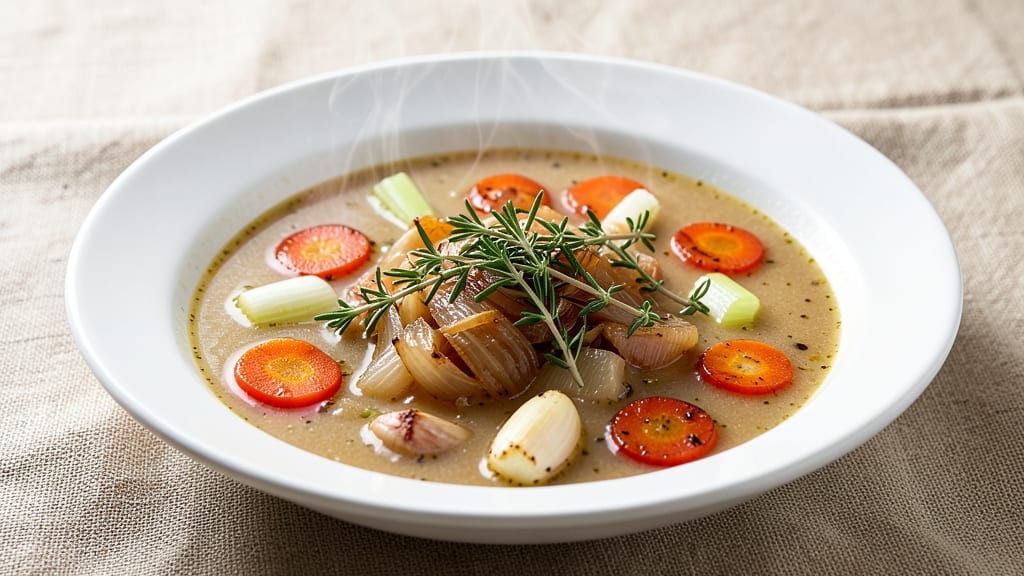
Master this Knorr soup recipe for fast, restaurant-quality broths that fool everyone into thinking they’ve been simmering all day—no bouillon cube needed, just clever tricks and fresh ingredients.
This recipe delivers the same comforting warmth as classic Knorr-style soups, but with customizable flavors and real food you can feel good about serving. The secret lies in balancing umami-rich broth with fresh vegetables and herbs, then finishing with a touch of acidity to brighten the flavors.
What makes this method work is its flexibility—whether you're using chicken broth for a hearty chicken noodle or vegetable broth for a vegan version, the principles remain the same.
We'll focus on a 15-minute stovetop approach that still develops deep flavor, with optional slow-cooker or Instant Pot adaptations for hands-off cooking. The result? A soup that's creamy, satisfying, and packed with the kind of homestyle comfort that turns a busy weeknight into a cozy meal.
This recipe builds on traditional techniques while letting you customize the base—swap in your favorite vegetables, add protein like shredded chicken or chickpeas, or keep it vegetarian. The key is layering flavors: start with a rich broth, build with aromatics, and finish with herbs and a squeeze of lemon.
It's the kind of soup that disappears fast, leaving everyone asking for seconds.
Perfect for meal prep, weeknight dinners, or even a quick lunch, this soup adapts to any dietary need while keeping the process simple. Let's get started with a method that delivers restaurant-quality results in record time.
Ingredients for knorr soup
Master these 14 ingredients for restaurant-quality soup without bouillon cubes.
| Ingredient | Amount | Notes |
|---|---|---|
| Chicken or Vegetable Broth 💧 | 4 cups | Low-sodium preferred, homemade or quality brand |
| Yellow Onion 🧅 | 1 whole | Medium-sized, diced finely |
| Carrots 🥕 | 2 medium | Peeled, sliced into thin rounds |
| Celery Stalks 🌿 | 2 whole | Trimmed, chopped into 1/4-inch pieces |
| Garlic Cloves 🧄 | 3 cloves | Fresh, minced finely |
| Fresh Thyme Sprigs 🌿 | 2 whole | Or 1 tsp dried thyme |
| Bay Leaves 🍃 | 2 whole | Dried, standard size |
| Medium Potato 🥔 | 1 whole | Yukon gold, cubed into 1/2-inch pieces |
| Extra-Virgin Olive Oil 🫒 | 1 tbsp | For sautéing aromatics |
| All-Purpose Flour 🌾 | 1 tbsp | For thickening if needed |
| Fresh Lemon Juice 🍋 | 1 tbsp | Brightens flavors at the end |
| Salt 🧂 | 1 tsp | Diamond Crystal kosher salt |
| Black Peppercorns 🌶️ | ½ tsp | Freshly cracked |
| Optional Protein 🍗 | 1 cup | Shredded chicken or chickpeas |
The broth forms the foundation—homemade or high-quality low-sodium brands like Pacific Foods or Swanson deliver the most authentic flavor. For vegetables, prioritize freshness and texture contrast: crisp carrots, tender celery, and waxy potatoes create the perfect mouthfeel. The Yukon Gold potatoes hold their shape better than russets, while farmers market celery has superior crunch. Garlic should be freshly minced just before cooking to preserve its volatile oils, and thyme sprigs infuse flavor more effectively than dried equivalents when used whole.
No fresh thyme? Dried thyme at one-third the amount works, though the flavor profile shifts slightly. Substitute leeks for onion if preferred, but reduce to 1 stalk due to their milder taste. For a vegetarian version, mushrooms or lentils add satisfying texture. The optional protein can be rotisserie chicken, canned white beans, or even tofu. If thickening is needed, cornstarch or arrowroot powder creates a clearer broth than flour. Always taste before finishing with lemon—acidity balances richness but can overpower delicate flavors if overused.
Broth and fresh vegetables keep 3-4 days refrigerated or 3 months frozen in airtight containers. For meal prep, cook the base without protein and store separately—add protein fresh when reheating. The lemon juice should be added just before serving to maintain brightness. If making ahead, store the lemon juice separately and add it last. This soup reheats beautifully, with flavors deepening upon second heating—perfect for lunches or doubling for leftovers.
Why You'll Love This Recipe
- Here’s what sold me: the garlic. You don’t just toss in a clove—you mince it finely and let it bloom in the broth until the kitchen smells like a Parisian bistro. That slow caramelization? It turns this soup from good to ridiculously good.
- Minimal Chopping Required: I swear by this recipe because you’re basically just dicing one onion, chopping two carrots, and slicing two celery stalks. That’s it. No small prep work, no fussy techniques—just the classic sofrito combo (onion, carrot, celery) that makes everything taste better.
- Garlic Bomb Depth: Here’s what sold me: the garlic. You don’t just toss in a clove—you mince it finely and let it bloom in the broth until the kitchen smells like a Parisian bistro. That slow caramelization? It turns this soup from good to ridiculously good.
- Leftovers That Shine: Between us, this soup actually improves the next day. The flavors meld, the broth gets richer, and you can reheat it in minutes. I make a big batch on Sunday, and by Wednesday, it’s still my go-to—no sad, watery leftovers here.
Step-by-step instructions for homestyle vegetable soup
Here's the method—simple, efficient, and packed with hearty flavor in record time.
Sauté the Aromatic Vegetable Base
Heat the 1 tablespoon extra-virgin olive oil in a large pot over medium-high heat. Add the 1 whole yellow onion, 2 medium carrots, and 2 whole celery stalks all at once. Cook, stirring occasionally, for 5-6 minutes until the vegetables begin to soften and the onion turns translucent.
This foundational step builds flavor through caramelization. The vegetables should release their natural juices and develop a golden hue at the edges. If the pot begins to smoke excessively, reduce heat slightly—you want even cooking, not burning. Here's the thing—rushing this step means flavorless soup, so take your time.
Add Garlic and Herbs for Depth
Push the sautéed vegetables to one side of the pot and add the 3 cloves garlic cloves to the empty space. Cook for 30 seconds until fragrant—this prevents burning while infusing the oil with garlic's pungent aroma.
Return the vegetables to the center, then stir in the 2 whole fresh thyme sprigs and 2 whole bay leaves. Cook for another 1 minute to allow the herbs to release their essential oils. The kitchen should now fill with an inviting herbal aroma—this is your signal that the base is properly seasoned.
Build the Soup with Potatoes and Broth
Add the 1 whole medium potato (cubed) to the pot, followed by the 4 cups chicken or vegetable broth. Bring to a rolling boil over high heat, then immediately reduce to a gentle simmer. The liquid should bubble steadily but not violently.
Simmer uncovered for 8-10 minutes until the potatoes are fork-tender with just a hint of resistance. You'll know they're ready when they collapse easily under gentle pressure. This timing ensures the potatoes absorb flavor without turning mushy. If the soup reduces too quickly, add ½ cup water to maintain consistency.
Season and Finish with Protein
Remove the thyme sprigs and bay leaves (they've done their job). Stir in the 1 teaspoon salt, ½ teaspoon black peppercorns, and the 1 cup optional protein (shredded chicken or chickpeas). Simmer for another 3-4 minutes to heat through completely.
For the final touch, stir in the 1 tablespoon fresh lemon juice. This brightens the soup's flavors and cuts through any richness. Taste and adjust seasoning if needed—homestyle soup should balance hearty vegetables with just the right amount of acidity and saltiness.
Serve Warm with Crusty Bread
Ladle the soup into bowls immediately and serve while steaming hot. The aroma alone will evoke comfort—this is the essence of homestyle cooking. For extra texture, sprinkle with freshly cracked black pepper and a drizzle of olive oil. Pair with warm bread to soak up every last drop of that flavorful broth.
Real talk: This soup delivers restaurant-quality warmth in under 15 minutes. The secret lies in proper layering of flavors and respecting the simmering time. Don't skip the lemon juice—it's what transforms good soup into exceptional soup.
Pro Tips For Making Knorr Soup
- SWEAT THE VEGETABLES: Don’t just chop and toss—cook the onion, carrots, and celery in broth for 8-10 minutes before adding garlic. This softens them properly and builds flavor without burning, especially if you’re using a quick broth. (Yes, even if you’re impatient like me, skip the rush.)
- MASH THAT GARLIC: After mincing the garlic, crush it with the flat side of your knife first—this releases more flavor. Then sauté it low and slow until it’s golden, not brown. Burnt garlic ruins the whole soup. (I learned this the hard way with a charred batch.)
- STRAIN IF YOU DARE: If your broth has bits of celery or onion, straining it makes the soup silky smooth—but only do this after cooking the vegetables. Otherwise, you’ll lose all that built-up flavor. (Your future self will thank you.)
- DILUTE THE BROTH: Knorr cubes pack a lot of salt. Taste the broth before adding water or extra broth—if it’s too strong, thin it with a splash of cold water or a bit of reserved broth. Adjust as you go, not all at once. (This isn’t the prettiest method, but it’s the tastiest.)
Serving suggestions for leftovers
Classic Bread Pairings
Serve your soup with crusty sourdough or baguette slices for the ultimate pairing—their chewy texture soaks up every drop of flavorful broth. I recommend toasting the bread with garlic butter (melt 2 tbsp butter with 1 minced garlic clove) for an extra layer of richness.
For a lighter option, try warm dinner rolls brushed with olive oil and sprinkled with flaky sea salt. 🥖
Topping Ideas
Elevate your soup with fresh toppings that add texture and brightness. A sprinkle of fresh parsley or chives provides a pop of color, while grated Parmesan cheese (about 1 tbsp per bowl) adds umami depth.
For extra crunch, toss in toasted breadcrumbs or crispy fried shallots. I love finishing with a drizzle of high-quality olive oil and a crack of black pepper right before serving.
Protein Additions
Transform your soup into a complete meal by adding protein. For a classic touch, stir in shredded rotisserie chicken (about ½ cup per serving)) or crumbled bacon (cook until crispy first). Vegetarians can use white beans or crumbled tofu for a hearty texture.
I also recommend poached eggs for a luxurious twist—simmer the eggs in the soup for the last 2 minutes of cooking. 🍳
Vegetable Variations
Customize your soup with seasonal vegetables to keep flavors fresh. Swap in spinach or kale for greens that wilt beautifully, or add corn kernels for summer sweetness. Hearty options like zucchini or mushrooms work well in winter.
I often add roasted cherry tomatoes (tossed with olive oil and salt) for a burst of acidity. Each vegetable brings a unique texture and flavor profile to the broth.
Dietary Adaptations
Make this soup work for any dietary need. For vegan versions, use vegetable broth and skip animal-based proteins—lentils or tofu add satisfying substance. Gluten-free? Ensure your broth is certified gluten-free and use tapioca flour instead of all-purpose for thickening.
I also recommend cauliflower rice as a low-carb side to soak up the broth. The base recipe remains flexible enough to accommodate these swaps without sacrificing flavor. 🌱
Presentation Tips
Serve your soup in preheated bowls to maintain warmth and aroma. Garnish with edible flowers (like nasturtiums) for a restaurant-worthy touch, or arrange toppings artistically on top. For a rustic presentation, ladle the soup directly into wooden bowls or cast-iron skillets.
I love setting the table with warm, mismatched plates to enhance the homestyle charm. The right presentation makes every meal feel special. ✨
Nutrition facts
Frequently asked questions
Can I make this soup without fresh herbs?
Use ½ teaspoon dried thyme instead of fresh sprigs, and 1 dried bay leaf (crush it lightly to release flavor). The key is adjusting quantities—dried herbs are more concentrated. For extra depth, add a pinch of smoked paprika or dried oregano to mimic fresh herb complexity.
How do I prevent my soup from tasting bland?
The secret lies in layering flavors: start with a rich broth, caramelize your vegetables, and finish with acidity (lemon juice). If it still tastes flat, try adding a splash of Worcestershire sauce (½ tsp) or a pinch of MSG (just ⅛ tsp) to boost umami. Don't over-salt early—taste as you go!
Can I use Knorr soup base instead of fresh ingredients?
Yes! Dissolve 1 Knorr soup base cube in the broth before adding vegetables. For best results, use it as a flavor enhancer rather than a sole base—combine with fresh aromatics for depth. The cube works well for quick versions but lacks the texture and freshness of homemade ingredients.
What's the best way to reheat leftovers?
Gently reheat on the stovetop over low-medium heat until steaming (about 5-7 minutes). Stir occasionally to prevent sticking. For extra richness, add a splash of broth or water. Avoid microwaving—it can make vegetables mushy. Store leftovers in airtight containers for up to 4 days.
How can I make this soup creamier without dairy?
Blend ½ cup cooked soup with ¼ cup coconut milk or cashew cream until smooth, then stir back in. For a vegan option, mash ½ a potato directly into the pot at the end. The starch from potatoes naturally thickens the broth while adding creaminess.