
Soups & Stews
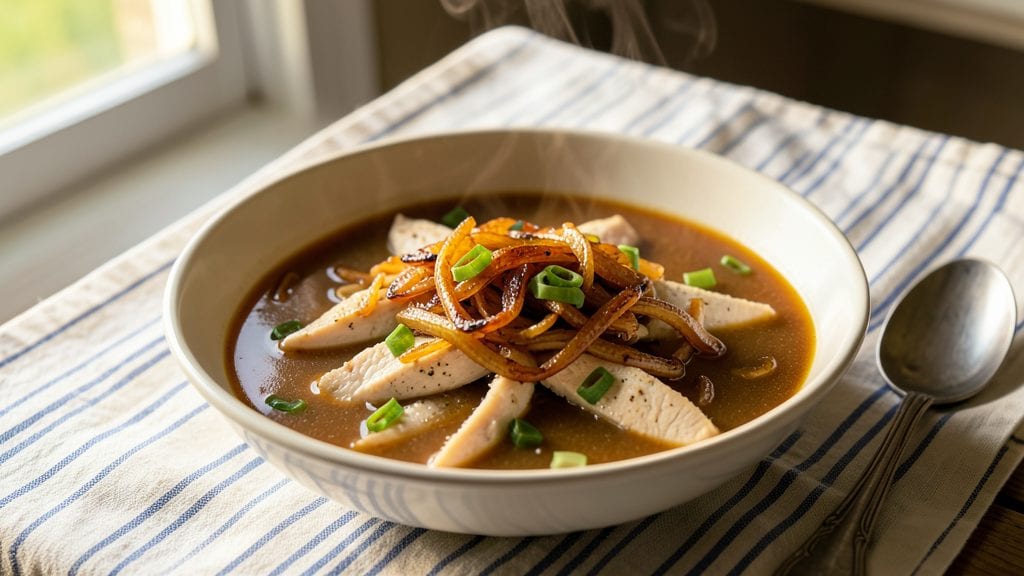
This hibachi onion soup recipe transforms a simple pot of broth into a restaurant-worthy dish with layers of caramelized onions and savory depth. The secret lies in cooking onions over high heat until they're crispy at the edges while keeping the broth warm and aromatic—just like your favorite hibachi grill.
I developed this method after craving that perfect balance of smoky, sweet, and umami flavors at home, and it delivers every time.
The beauty of this recipe is its simplicity: just a few core ingredients—broth, onions, and protein—come together to create a dish that feels indulgent yet requires minimal effort.
You'll start by caramelizing the onions until they're golden and crispy, then layer them over a simmering broth infused with garlic, ginger, and soy sauce for that signature hibachi taste. The result is a bowl that's both comforting and exciting, perfect for a quick weeknight dinner or a cozy gathering.
What makes this recipe stand out is the crispy texture of the onions, which adds a satisfying crunch to every spoonful. The broth stays rich and flavorful, while the optional toppings—like green onions or sesame seeds—add freshness and visual appeal.
Whether you're serving it as a main dish or a side, this soup is sure to impress with its bold flavors and professional finish.
Ready in just 30 minutes, this hibachi onion soup is foolproof and adaptable—swap chicken for tofu or beef for a vegetarian or heartier option. The technique is straightforward, but the results are anything but basic. Let’s get cooking!
Ingredients for hibachi onion soup
Core ingredients for restaurant-style hibachi onion soup with crispy edges and umami depth.
| Ingredient | Amount | Notes |
|---|---|---|
| Yellow Onions 🧅 | 3 large | Thinly sliced lengthwise |
| Chicken Breast 🍗 | 1 ½ lb | Boneless, skinless, sliced thin |
| Chicken Broth 💧 | 6 cups | Low-sodium preferred |
| Soy Sauce 🍶 | 2 tbsp | Light or dark variety |
| Garlic Cloves 🧄 | 4 cloves | Minced for broth |
| Fresh Ginger 🌿 | 1 tbsp | Grated, fresh preferred |
| Vegetable Oil 🫒 | ¼ cup | High smoke point |
| Green Onions 🧅 | 4 whole | Thinly sliced for garnish |
| Sesame Seeds 🌾 | 1 tbsp | Toasted for garnish |
| Salt 🧂 | 1 ½ tsp | Kosher or sea salt |
| Black Pepper 🌶️ | ½ tsp | Freshly ground |
| Sugar 🍚 | 1 tsp | White granulated |
| Rice Vinegar 🍶 | 1 tbsp | For brightness |
The onions are the star here—yellow onions work best for their balance of sweetness and sharpness. Whole Foods or Trader Joe's carry the largest selection, but any grocery store will have them. Look for firm, dry onions with crisp outer skins—avoid any with sprouting or soft spots. I always buy extra; they keep well in a cool, dark pantry for up to 2 weeks. For the chicken, boneless, skinless breasts are ideal—they slice thinly and cook evenly. If you're using a different protein like beef or tofu, adjust cooking times accordingly since textures vary significantly.
No soy sauce? Coconut aminos or tamari work in a pinch, though the flavor will differ slightly. Fresh ginger is non-negotiable for that authentic hibachi taste, but if you're short on time, ground ginger at half the amount will suffice. The sugar might seem odd, but it's essential for caramelizing the onions properly—brown sugar works too. For the broth, low-sodium options are best to control seasoning. If you can't find chicken broth, vegetable broth with a bouillon cube adds depth. The rice vinegar adds a subtle tang that brightens the whole dish—skip it if you prefer a more neutral flavor profile.
Store leftover broth in an airtight container for up to 5 days—it reheats beautifully and makes an excellent base for other soups. The crispy onions lose their texture when reheated, so save them for garnishing fresh batches. Freeze the broth portion only for up to 3 months in ice cube trays for easy single-serving reheats. For extra crispiness, fry the onions in batches—don't overcrowd the pan, or they'll steam instead of caramelize. The sesame seeds should be toasted in a dry pan for 30 seconds before sprinkling to maximize their nutty aroma.
Why You'll Love This Recipe
- One-Pan Magic: I swear by this recipe because it’s literally one pan, one stove, and zero dishes to scrub afterward. Slice those onions, sear the chicken, and dump everything into simmering broth—no chopping boards left out overnight.
- Umami Bomb: That caramelized onion and soy sauce combo? Chef’s kiss. The garlic clove gets toasted just enough to hit your soul, while the chicken stays tender enough to melt. It’s the kind of flavor that makes you pause mid-sip of water.
- Weeknight Workhorse: Between us, this is my go-to when I’m too tired to plan. Double the batch, store it in the fridge, and reheat for lunch the next day—no sad, soggy leftovers here. (Yes, even on a Tuesday night.)
- Budget-Friendly Win: Chicken breast and onions are cheap, but they feel like a restaurant meal. A single batch feeds four, and the broth stretches for seconds. Honestly, it’s the kind of recipe that makes grocery day less stressful.
Step-by-step instructions for hibachi onion soup
Master this technique and you'll achieve restaurant-quality crispy fried onions over rich, savory broth every time.
Prepare the Chicken Broth Base
In a large pot, combine the 6 cups chicken broth, 4 cloves garlic cloves (minced), 1 tablespoon fresh ginger (grated), 1.5 teaspoons salt, 0.5 teaspoon black pepper, and 1 teaspoon sugar. Bring to a gentle boil over medium-high heat, then reduce to a simmer for 15 minutes. The broth should develop deep, aromatic flavors while reducing slightly—this concentrated base is essential for maximum umami.
Strain the broth through a fine-mesh sieve to remove the garlic and ginger, then return it to the pot. Here's the thing—this simmering process develops the broth's complexity. If you skip it, your soup will lack that restaurant-quality depth. Taste and adjust seasoning if needed, adding a splash of 1 tablespoon rice vinegar at the end to brighten the flavors without overpowering them.
Cook the Chicken and Prepare Onions
While the broth simmers, heat 0.25 cup vegetable oil in a large skillet over medium-high heat. Add the 1.5 lb chicken breast (sliced thin) and cook for 4-5 minutes per side until fully cooked through and golden brown. Remove the chicken and set aside, keeping it warm.
In the same skillet, add 3 large yellow onions (thinly sliced lengthwise) in a single layer. Cook undisturbed for 3-4 minutes until the edges begin to turn golden. This initial cooking creates a flavorful base for the crispy onions. Stir occasionally to prevent burning, but don't rush—patience here ensures even browning.
Fry the Onions to Crispy Perfection
Increase heat to medium-high and add more vegetable oil as needed to maintain a 350°F oil temperature. Working in batches to avoid overcrowding, fry the onions for 2-3 minutes until they're deep golden brown and crispy. Real talk: this is where the magic happens—you want them to be crisp enough to stand up on their own when transferred to paper towels.
Drain the fried onions on paper towels to remove excess oil. If they're not crispy enough after the first fry, return them to the skillet for another 30 seconds—this second fry is crucial for achieving that restaurant-quality crunch. Keep them warm while you prepare the final assembly.
Assemble and Serve the Soup
Return the chicken to the simmering broth and add 2 tablespoons soy sauce. Let it heat through for 2-3 minutes, allowing the flavors to meld. The soy sauce should deepen the umami profile of the broth while complementing the sweetness of the onions.
Ladle the hot broth into bowls, then arrange the crispy fried onions on top. Garnish with 4 whole green onions (thinly sliced) and 1 tablespoon toasted sesame seeds for color and texture contrast. Serve immediately while the onions are at their crispest—this dish is best enjoyed straight from the stove.
Pro Tips For Making Hibachi Onion Soup
- CHAR THE ONIONS LOW: I learned this the hard way—searing yellow onions on high heat for hibachi soup turns them bitter before they caramelize. Start them in a cold pan with a splash of broth or water, then turn the heat to medium-low. You’re aiming for deep golden, not blackened; this takes 15-20 minutes with occasional stirring. (Yes, it’s tempting to rush, but trust me.)
- SLICE CHICKEN THIN: Thinly sliced chicken breast cooks faster and stays tender in this soup. Use a sharp knife and cut against the grain—about ¼-inch thick slices. If your chicken turns out tough, you sliced it too thick or didn’t cook it long enough. (Pro move: pound it to even thickness first.)
- SALT THE BROTH LATE: Adding soy sauce and salt to the broth early makes the onions absorb too much liquid and stay watery. Wait until the onions are caramelized and the chicken is nearly done, then stir in the soy sauce and a pinch of salt. This keeps the flavors bright and the texture right.
- GARLIC: MINCE IT SMALL: Whole garlic cloves won’t infuse the soup—they’ll just sit at the bottom. Mince them finely (or even press them) so they dissolve into the broth. I was skeptical until I tried it—now it’s non-negotiable. (Bonus: Add them with the soy sauce at the end to avoid burning.)
Perfect pairings for this hibachi onion soup
Side Dish Harmony
Pair this soup with steamed jasmine rice—its mild, slightly floral notes complement the bold flavors without overpowering. I like using a Bamboo Steamers basket for perfect, fluffy grains.
For extra texture, serve with crispy rice crackers like Koyo brand—just a few scattered on top add a delightful crunch that mirrors the fried onions. 🥢
Protein Upgrade Options
Swap chicken for thinly sliced beef tenderloin to make it heartier. Cook the beef separately in a hot skillet with a splash of sake for 2-3 minutes per side until caramelized.
For vegetarians, replace the chicken with extra-firm tofu pressed and pan-fried until golden. Both options maintain the dish's balance while adding variety. 🥩
Beverage Pairings
A crisp sake cocktail like a Lychee Martini (mix 2 oz sake, 1 oz lychee juice, and ½ oz lemon juice) enhances the dish’s umami and sweetness.
For non-alcoholic options, green tea—especially japanese sencha—cuts through the richness beautifully. Avoid heavy wines like cabernet; their tannins clash with the soy and ginger notes. 🍶
Topping Customizations
Add soft-boiled eggs for a hibachi-style twist—simmer 4 eggs for 6 minutes, then slice them in half and place them atop the soup. For extra heat, sprinkle with gochujang (Korean chili paste) mixed with a pinch of sugar.
A drizzle of spicy mayo (mayo + 1 tsp sriracha) adds a creamy kick that balances the crispy onions. 🌶️
Dessert Follow-Up
End the meal with matcha mochi for a light, sweet contrast. The earthy matcha pairs perfectly with the soup’s savory depth, while the chewy mochi texture cleanses the palate. For a simpler option, serve red bean bing—its subtle sweetness and soft texture make it a comforting closer. 🍡
Seasonal Adaptations
In summer, add cucumber ribbons and a drizzle of yuzu kosho (citrus-chili paste) for brightness. For winter, swap green onions for shredded daikon radish and top with crispy shallots for extra warmth. Both adaptations keep the dish vibrant year-round while honoring hibachi traditions. ❄️
Nutrition facts
Frequently asked questions
Why do hibachi restaurants serve crispy fried onions on soup?
The crispy fried onions add a satisfying texture contrast to the warm broth, balancing the dish's flavors. The caramelization creates sweetness that complements the umami-rich broth, while the crunch mimics the texture of hibachi-style grilled meats. This technique transforms a simple soup into a restaurant-worthy experience.
Can I make this soup without chicken?
Swap the chicken for thinly sliced beef, extra-firm tofu, or even mushrooms for a vegetarian option. The protein just needs to be cooked separately and added to the broth at the end. Tofu works especially well if pressed and pan-fried until golden for texture.
How do I keep the fried onions crispy when serving?
Fry the onions in batches and drain them on paper towels to remove excess oil. Keep them warm in a 200°F oven while assembling the soup. If reheating, avoid microwaving—transfer to a dry skillet for 30 seconds to restore crispiness. Serve immediately for best results.
What's the secret to getting that perfect hibachi flavor?
The magic lies in the broth—simmering garlic, ginger, and soy sauce creates deep umami. Add a splash of rice vinegar at the end for brightness. For extra depth, toast the soy sauce in the pan for 1 minute before adding it to the broth.
Can I make this soup ahead of time?
Prepare the broth and cook the protein up to 2 days ahead, storing them separately. Reheat gently before serving. Fry the onions fresh—never reheat them as they'll lose their crispiness. Assemble and serve immediately for the best texture and flavor.