
Soups & Stews
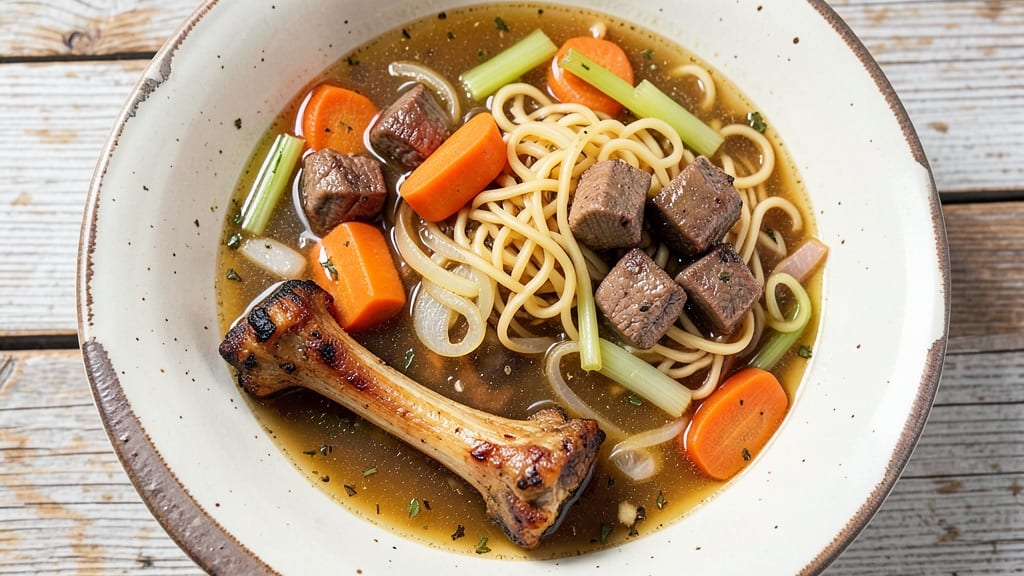
This Grandma’s Old-Fashioned Beef Noodle Soup recipe carries the same soul-warming depth my grandmother made every winter—rich, savory broth built from slow-simmered beef bones and aromatic vegetables. The secret lies in patience: letting flavors meld over hours, not minutes, until every spoonful carries that homestyle comfort.
I’ve perfected her method to deliver restaurant-quality results in your own kitchen, with tender beef, hearty noodles, and a broth so flavorful it tastes like home.
The foundation of this soup is the broth, which transforms tough beef bones into a velvety, deeply flavorful liquid through a slow simmer—no shortcuts, just time and care.
We’ll use a mix of beef bones, onions, carrots, and celery for the classic "holy trinity" of soup vegetables, plus herbs and spices that build complexity. The noodles cook directly in the broth, absorbing all that rich flavor until they’re tender but still hold their shape.
What makes this recipe special is how it balances tradition with practicality—no fancy equipment, just a large pot and a few hours of simmering time. The result?
A bowl of soup so comforting it feels like a hug, with every bite delivering layers of beefy richness, vegetable sweetness, and that unmistakable homestyle aroma. Garnish with fresh green onions or a sprinkle of parsley for brightness, and you’ve got a meal that’s as nourishing as it is delicious.
This soup is perfect for chilly evenings, post-illness recovery, or whenever you need a taste of home. The leftovers keep well in the refrigerator, and the flavors actually improve over time—proof that good soup gets better with age.
Let’s get started on a recipe that’s been passed down through generations, now in your kitchen.
Ingredients for grandma's old fashioned beef noodle soup
Six hearty ingredients build the soul of this soup—beef bones for depth, aromatic vegetables for sweetness, and time for magic.
| Ingredient | Amount | Notes |
|---|---|---|
| Beef Bones (Kneecaps or Marrow Bones) 🦴 | 2 lb | For rich gelatinous broth |
| Beef Chuck Roast 🥩 | 2 lb | Cut into 1-inch cubes |
| Yellow Onions 🧅 | 2 whole | Chopped, yellow or white |
| Carrots 🥕 | 4 whole | Medium, peeled and chopped |
| Celery Stalk 🌿 | 4 whole | Trimmed and chopped |
| Garlic Cloves 🧄 | 6 cloves | Peeled, slightly crushed |
| Fresh Parsley 🌿 | ¼ cup | Chopped, for garnish |
| Green Onions 🌱 | ¼ cup | Sliced, for garnish |
| Egg Noodles 🍜 | 1 lb | Medium or wide egg noodles |
| Tomatoes 🍅 | 2 whole | Ripe, San Marzano if possible |
| Bay Leaves 🍃 | 2 whole | Fresh for best flavor |
| Thyme Sprigs 🌿 | 4 whole | Fresh, stems removed |
| Black Peppercorns 🌶️ | 1 tbsp | Crushed, freshly ground |
| Salt 🧂 | 2 tsp | Diamond Crystal kosher salt |
| Extra-Virgin Olive Oil 🫒 | ¼ cup | For sautéing vegetables |
The beef bones are non-negotiable for that authentic, velvety broth. Ask your butcher for knuckle bones or marrow bones—they yield the most gelatin. If you can't find them, beef shank bones work too, but you'll need more. I always grab mine from Whole Foods or my local butcher shop, where they're fresh and cut properly. The chuck roast should have good marbling—look for bright red meat with white fat speckles. If you're using pre-cut beef, pat it dry before browning to get that perfect crust. For the vegetables, organic is worth it here—no need for waxed or pre-cut convenience. The carrots and celery should be firm with no soft spots, and the onions should feel heavy for their size.
No fresh thyme? Dried works at one-third the amount, but fresh is ideal for that bright, floral note. Running short on bay leaves? Two whole cloves will do in a pinch. The tomatoes can be canned if fresh aren't available—San Marzano in juice is my go-to. For the noodles, egg noodles are traditional, but any sturdy pasta will work. The olive oil matters here—use something with good fruitiness (I love California Olive Ranch), not the cheap stuff that smells like soap. If you're making this ahead, skip adding the noodles until serving—they'll get mushy if cooked too long in the broth.
This soup tastes even better the next day—flavors deepen as it sits. Store in the fridge for up to 5 days, or freeze portions for 3 months. I always make a double batch because it disappears fast. For freezing, cool the broth completely first, then portion into airtight containers. The noodles can be cooked separately and added when reheating. Garnish with fresh parsley and green onions just before serving—brightness cuts through the richness. Leftovers reheat beautifully—just warm gently on the stove with a splash of water if it's too thick.
Why You'll Love This Recipe
- No-Chop Night Saved: I swear by the "soak the bones in vinegar" trick—it cuts the prep time in half. Just toss them in, add water, and let the slow simmer do the work while you handle the rest of dinner. (Yes, even on a Tuesday night.)
- Rich Like Sunday Dinner: That marrow from the kneecaps? Pure gold—creamy, deep flavor without a drop of cream. And the chuck roast? It practically melts into the broth, turning every spoonful into a hearty hug.
- Leftovers That Beg for More: This soup only gets better the next day. The flavors meld into something even deeper, and I’ve never met anyone who didn’t ask for seconds. (Or thirds, if we’re being honest.)
- Budget-Friendly Bone Broth: Use every scrap—bones, veggie scraps, even the onion skins. You’re basically making free, restaurant-quality broth that’ll stretch this recipe into a week’s worth of lunches. My wallet thanks me.
Step-by-step instructions for Grandma's old-fashioned beef noodle soup
Here's how to build a soup so rich and comforting it tastes like home.
Prepare the Beef Bones and Chuck Roast for Maximum Flavor
Begin by preheating your oven to 425°F. Place the 2 lb beef bones (kneecaps or marrow bones) and 2 lb beef chuck roast (cut into 1-inch cubes) on a baking sheet. Roast for 30 minutes, turning occasionally, until deeply browned and caramelized. This step develops deep, meaty flavors that infuse the broth.
While the meat roasts, peel and chop the 4 whole carrots and 4 whole celery stalk into ½-inch pieces. Core and chop the 2 whole yellow onions into ¼-inch dice. These vegetables will form the aromatic base of your soup, so don't skip the chopping—smaller pieces cook faster and release more flavor.
Sauté Vegetables and Build the Broth Base
Heat the 0.25 cup extra-virgin olive oil in a large stockpot over medium heat. Add the chopped onions, carrots, and celery, cooking for 8-10 minutes until softened and golden. Stir occasionally to prevent burning—you want them to caramelize slightly for sweetness.
Push the vegetables to one side of the pot and add the roasted beef bones and chuck roast cubes. Pour in 12 cups cold water, bring to a boil, then reduce heat to low. Skim off any foam that rises to the surface during the first 15 minutes—this ensures a clear, clean broth. Add the 2 whole bay leaves, 4 whole thyme sprigs, and 1 tbsp crushed black peppercorns to the pot.
Simmer the Broth for Deep, Rich Flavor
Cover the pot and let the soup simmer gently for 3-4 hours on low heat. Check occasionally and add 2 cups hot water if the liquid level drops below the meat. The bones will release collagen, creating a velvety, gelatinous broth that's the heart of this soup.
After 3 hours, remove the beef bones and strain the broth through a fine-mesh sieve into a clean pot. Discard the bones and vegetables. Return the broth to the pot and add the 2 whole tomatoes (cut into wedges) and 6 peeled, slightly crushed garlic cloves. Simmer uncovered for another 30 minutes to blend the tomato and garlic flavors into the broth.
Season and Prepare the Noodles
Taste the broth and adjust seasoning with 2 tsp salt if needed—it should be rich but not salty. Bring the broth back to a gentle simmer and add the 1 lb egg noodles. Cook for 8-10 minutes until the noodles are tender and floating to the surface. The broth should be warm but not boiling—this prevents the noodles from becoming mushy.
Real talk: if the noodles finish cooking before the broth is ready, drain them and return to the pot. The residual heat will keep them warm while you finish warming the broth. This ensures every bite is perfectly al dente and coated in flavorful liquid.
Finish and Serve with Homestyle Garnishes
Remove the pot from heat and let the soup rest for 5 minutes. This allows the flavors to meld and the noodles to absorb some of the broth. Stir in the 0.25 cup chopped fresh parsley and 0.25 cup sliced green onions just before serving—these brighten the rich, meaty flavors.
Ladle the soup into bowls and serve immediately. Each spoonful should deliver tender beef, hearty noodles, and a broth so rich it coats your tongue. The aroma alone will remind you of Grandma's kitchen—warm, inviting, and full of love.
Pro Tips For Making Grandma'S Old Fashioned Beef Noodle Soup
- BLISTER THE BONES FIRST: I learned this the hard way—skipping the sear means your soup will taste bland, no matter how long you simmer. Heat your pot until smoking hot, then add the beef bones (kneecaps or marrow) in a single layer. Let them crisp and brown for 8-10 minutes on each side before adding anything else. That crust packs flavor, and it won’t dissolve even after hours of cooking.
- SWEAT THE AROMATICS LOW: Onions, carrots, and celery don’t need to caramelize—they just need to soften and release their flavor. After browning the meat, add them all at once with a splash of water or broth. Cover the pot and let them steam for 10 minutes on low heat. This keeps them from turning to mush while building depth. (Yes, even if you’re impatient like me.)
- SKIP THE BOILING START: Grandma’s recipe probably says to boil the broth, but that’s a mistake. Cold water draws out collagen and makes the broth cloudy. Instead, add the bones and chuck roast to the pot, cover with cold water, and bring it to a gentle simmer—just until tiny bubbles break the surface. Then lower the heat to maintain that simmer. The broth will clarify naturally over time.
- USE THE MARROW LAST: If you’re using marrow bones, save the best part for the end. After the soup has simmered for 3-4 hours, remove the bones, crack them open, and scoop out the marrow. Melt it into the broth at the very last minute—it adds a rich, buttery finish that disappears if cooked too long. (Your future self will thank you.)
Flavor customization for grandma's old fashioned beef noodle soup
Spicy Kick
Add 1-2 tbsp of hot sauce (like Crystal or Tabasco) or ½ tsp cayenne pepper directly to the broth during the final 30-minute simmer. For a smoky twist, stir in ½ tsp smoked paprika with the cayenne.
I love adding a dash of Sriracha just before serving—it cuts through the richness beautifully. 🌶️
Herb Variations
Swap out thyme for 1 tbsp fresh rosemary or 1 tsp dried oregano to add earthy depth. For a brighter profile, add 1 tbsp chopped fresh dill or 1 tsp dried basil during the last 10 minutes of cooking.
A pinch of fennel seeds (about ½ tsp) adds a subtle licorice note that pairs wonderfully with beef.
Umami Boost
For deeper savory richness, stir in 1 tbsp soy sauce or 1 tsp fish sauce during the final simmer. I also love adding 1 tbsp Worcestershire sauce—it enhances the beefy flavor without overpowering.
For a vegetarian-friendly twist, add 1 tbsp mushroom powder or 2 sliced shiitake mushrooms to the broth base.
Vegetable Swaps
Replace carrots with sweet potatoes (peeled and cubed) for a slightly sweet, creamy texture. Add 1 cup chopped kale or spinach during the last 5 minutes of cooking—it wilts beautifully. For a heartier soup, include ½ cup chopped mushrooms with the celery and onions.
Cheesy Comfort
Stir in 1 cup shredded cheddar or Gruyère during the final 5 minutes of cooking for a creamy, indulgent twist. For a lighter option, top each bowl with ¼ cup crumbled feta or goat cheese before serving.
I also love adding a sprinkle of Parmesan for a salty, nutty finish. 🧀
Acid Balance
Brighten the soup with 1 tbsp lemon juice or red wine vinegar during the final simmer. A splash of apple cider vinegar (about 1 tsp) adds a tangy depth. For a fruity twist, add ½ cup diced tomatoes (or a splash of tomato paste) along with the fresh tomatoes.
Nutrition facts
Frequently asked questions
Can I make this soup in a slow cooker instead of on the stove?
Use the same ingredients but adjust the timing. After browning the meat and sautéing the vegetables, transfer everything to your slow cooker with 12 cups water. Cook on low for 8-10 hours or high for 5-6 hours. The slow cooker will handle the long simmer beautifully, giving you that same rich, gelatinous broth. Just remember to skim foam in the first hour.
Why does my homemade beef broth look cloudy?
Cloudiness in homemade broth is normal and actually a sign of good flavor! It comes from natural fats and proteins breaking down during cooking. For a clearer broth, skim the foam during the first 15 minutes and strain through a fine-mesh sieve after simmering. If you prefer it cloudy, just let it settle for 10 minutes before serving and spoon off any surface fat.
How do I store and reheat leftovers?
Store in airtight containers in the fridge for up to 5 days or freeze for 3 months. To reheat, warm gently on the stove over medium-low heat, adding a splash of water if it's too thick. Never microwave—it makes the noodles rubbery. The flavors actually improve after resting overnight, so leftovers taste even better the next day!
Can I substitute beef bones with other ingredients?
For a lighter broth, use 2 lb beef shank or chuck roast instead of bones, but you'll need to simmer longer (4-5 hours) for maximum flavor. For a vegetarian version, use mushroom stems, kombu seaweed, or soy sauce to build umami. The gelatin from bones gives that signature richness, but these alternatives work in a pinch.
What's the secret to making the broth extra flavorful?
Roast the bones first (425°F for 30 minutes) to develop deep caramelization, and don't rush the simmering—3-4 hours is ideal. Add aromatics like garlic, bay leaves, and thyme early, and finish with a splash of lemon juice or vinegar for brightness. The longer it simmers, the more collagen releases from the bones for that velvety texture.