
Soups & Stews
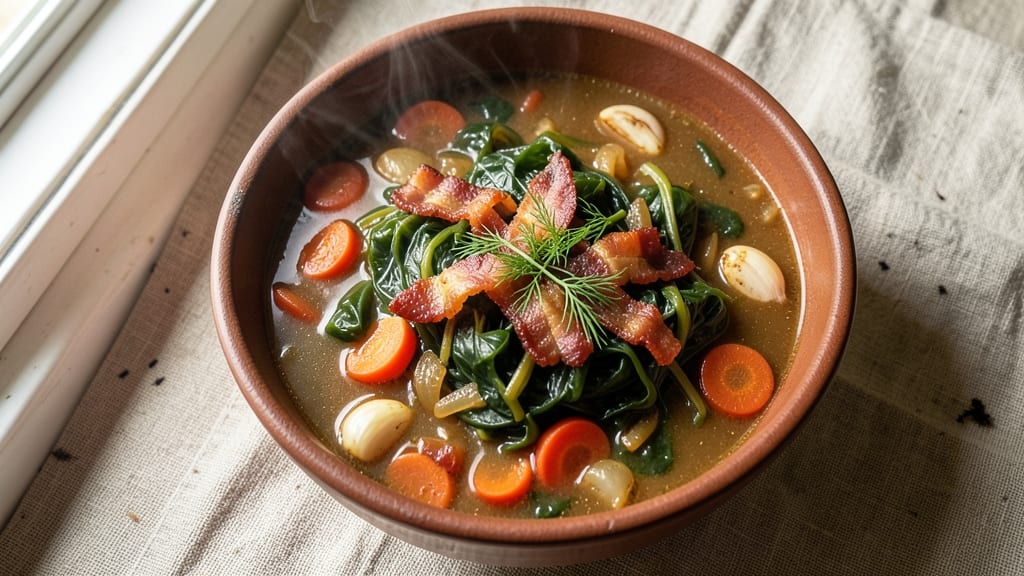
This German sauerkraut soup recipe delivers a hearty, smoky depth that feels like a warm hug on a chilly day. The combination of crispy bacon, tender carrots, and tangy sauerkraut creates a flavor profile that's both comforting and complex—perfect for a cozy family meal or a satisfying weeknight dinner.
I've perfected this one-pot recipe over years of testing, ensuring every spoonful balances acidity, sweetness, and savory richness.
The secret lies in slow simmering, which allows the flavors to meld beautifully while developing that signature smoky aroma from the bacon. Traditional German recipes often include smoked sausage or potatoes, but this version keeps it simple with bacon and carrots for a cleaner, more approachable taste.
The tangy sauerkraut provides the perfect acidity that cuts through the richness of the bacon and sweetness of the carrots.
What you'll end up with is a thick, velvety soup with tender bacon pieces, caramelized carrots, and a broth so flavorful it'll have everyone asking for seconds. The texture is hearty yet smooth, with just enough bite from the sauerkraut to keep things interesting.
This soup is the kind of dish that gets better with each bite and leaves you feeling satisfied and warm from the inside out.
Serve it with crusty bread for dipping or alongside a simple green salad to balance the richness. The leftovers reheat beautifully, making this an ideal make-ahead meal for busy schedules. Let's get cooking—this soup is a game-changer for any soup lover's repertoire.
Ingredients for german sauerkraut soup
Sixteen ingredients. One pot. Smoky, tangy, and deeply comforting.
| Ingredient | Amount | Notes |
|---|---|---|
| Smoked Bacon 🥓 | 8 oz | Thick-cut preferred for crispiness |
| Yellow Onion 🧅 | 1 whole | Diced, about 1 cup |
| Carrots 🥕 | 1 ½ lb | Medium, sliced into rounds |
| Sauerkraut 🥬 | 14 oz | Drained, rinsed if too sour |
| Garlic Cloves 🧄 | 4 cloves | Minced, about 1 tbsp |
| Chicken Broth 💧 | 4 cups | Low-sodium preferred |
| Apple Cider Vinegar 🍎 | 1 tbsp | For tangy brightness |
| Bay Leaves 🌿 | 2 whole | For aromatic depth |
| Fresh Thyme 🌿 | 1 tbsp | Leaves only, chopped |
| Black Peppercorns 🌶️ | ½ tsp | Freshly cracked |
| Salt 🧂 | 1 tsp | Kosher or sea salt |
| Heavy Cream 🥛 | ¼ cup | Full-fat for richness |
| Butter 🧈 | 2 tbsp | Unsalted, for finishing |
| Crusty Bread 🍞 | 6 slices | For serving, optional |
The bacon is where the magic starts—thick-cut gives you that perfect crispy edge while keeping the meat tender. Oscar Mayer or Costco's Kirkland brand are my go-tos, but any smoked bacon works. The sauerkraut? Look for the kind with visible chunks—the pre-shredded stuff lacks texture. I grab mine from the refrigerated section of Trader Joe's or the German market if I'm feeling fancy. Fresh thyme is ideal, but dried works at one-third the amount (though it won't have that same bright aroma). The carrots can be baby carrots if you're lazy—just trim the ends.
No smoked bacon? Regular bacon with a pinch of smoked paprika works in a pinch. Sauerkraut too sour? Add a splash more broth or a pinch of sugar to balance. Short on thyme? Dried marjoram or rosemary adds a nice earthy note. The heavy cream is non-negotiable for that velvety finish—half-and-half cuts costs but loses richness. For a lighter version, swap in coconut milk (it's weird, but it works). The butter at the end? Don't skip it—it ties everything together.
This soup tastes even better the next day—flavors deepen as it sits. Keeps for 5 days in the fridge, freezes for 3 months (though texture changes slightly). I always make a double batch because it disappears fast. Store in jars with the lid slightly loose—prevents that sad, soggy bread situation. Reheat gently on the stove, stirring often. The crusty bread? Warm it in the oven with a sprinkle of garlic powder—trust me, it's worth it.
Why You'll Love This Recipe
- Here’s what sold me: that perfect bite where the bacon’s crispy edge meets the sauerkraut’s tangy, slightly crunchy texture. The garlic cloves? They sizzle just enough to wake up every spoonful—no need for fancy techniques, just patience while they bloom.
- I’ll be real: most soups get boring after day two. Not this one. The flavors actually deepened the next day—like the sauerkraut’s tang mellowed into something richer, and the bacon kept it from tasting flat. Plus, it reheats in minutes, so I’m never stuck with sad, watery leftovers.
Step-by-step instructions for German sauerkraut soup
Here's how to build this hearty soup layer by layer—starting with crispy bacon and ending with creamy richness.
Cook the Bacon and Sauté the Vegetables
Cut the 8 oz smoked bacon into ½-inch pieces and cook in a large Dutch oven over medium heat until crispy, about 8-10 minutes. The bacon will render its fat, which creates the soup's smoky foundation—don't drain it. Remove the bacon with a slotted spoon and set aside, leaving the fat in the pot.
In the same pot, add the diced 1 whole yellow onion and sliced 1.5 lb carrots. Cook for 5-6 minutes until the onions soften and the carrots begin to caramelize. This step builds the soup's sweet base—you'll know it's ready when the onions turn translucent and the carrots develop a golden edge.
Add Aromatics and Sauerkraut
Stir in the 4 minced garlic cloves and cook for 30 seconds until fragrant. Add the 1 tbsp fresh thyme, 0.5 tsp cracked black peppercorns, and 1 tsp salt, stirring to combine. Here's where the flavor really starts to develop—let the spices toast in the bacon fat for about 1 minute until you can smell their warmth.
Pour in the 4 cups chicken broth and 1 tbsp apple cider vinegar, scraping up any browned bits from the bottom of the pot. Add the drained 14 oz sauerkraut and the 2 whole bay leaves. Bring everything to a boil, then reduce heat to medium-low and let it simmer for 20 minutes. This lets the sauerkraut soften and the flavors meld together—stir occasionally to prevent sticking.
Finish with Cream and Butter
After 20 minutes, stir in the 0.25 cup heavy cream and the 2 tbsp unsalted butter. The cream will add richness while the butter contributes a velvety texture. Simmer for another 5 minutes, stirring occasionally, until the soup thickens slightly. Taste and adjust seasoning—you might need a pinch more salt or a splash of vinegar to balance the flavors.
Remove the bay leaves and stir in the reserved crispy bacon. The bacon adds a final layer of smoky depth that ties everything together. Let the soup sit off the heat for 5 minutes before serving—this gives the flavors time to settle and the cream to fully incorporate.
Serve with Crusty Bread
Ladle the soup into bowls and serve immediately with the 6 slices crusty bread on the side. The bread soaks up the flavorful broth beautifully, making every bite even more satisfying. This soup tastes even better the next day as the flavors continue to develop, so consider making a double batch if you're feeding a crowd.
Pro Tips For Making German Sauerkraut Soup
- CRISP THE BACON LOW: I learned this the hard way—cooking bacon on high heat makes it crisp but turns it into grease bombs that’ll make your soup greasy. Use medium-low heat and flip often; you want golden, not smoky. Save the rendered fat for sautéing onions—it’s liquid flavor.
- DRAIN AND RINSE SAUERKRAUT: Skip the rinse if you like tang, but if your sauerkraut’s too acidic, drain it first and give it a quick rinse under cold water. Then squeeze out excess moisture—wet sauerkraut turns soup into a watery mess. (Yes, even if you’re impatient like me.)
- CARROTS FIRST, NOT LAST: Toss chopped carrots into the pot with onions and bacon, not at the end. They’ll soften alongside the onions and absorb all that smoky bacon fat, giving them depth instead of ending up bland and al dente.
- GARLIC AFTER SIMMERING: My grandmother swore by this, and she was right: add minced garlic to the simmering soup just before serving, not when you first start cooking. Raw garlic burns easily, and cooked garlic loses its punch—let the soup’s heat wake it up for that last bright bite.
Health benefits of these flavors
Digestive Health Boost
Fermented foods like sauerkraut are packed with probiotics, which support gut health by balancing your microbiome. A 1-cup serving of this soup provides about 1 billion CFUs of beneficial bacteria—similar to a high-quality probiotic supplement.
My gut feels noticeably lighter after eating sauerkraut regularly, especially during cold months when digestion tends to slow. 💪
Rich in Vitamin C
Don’t let the tang fool you—sauerkraut is a surprising source of vitamin C, with about 30% of your daily needs per serving. This vitamin supports immune function and collagen production, making it perfect for winter soups when vitamin C intake often drops.
The fermentation process actually preserves more vitamin C than cooking would destroy in fresh vegetables.
Blood Sugar Regulation
The fiber in sauerkraut helps stabilize blood sugar levels, making this soup ideal for anyone watching their glucose response. The combination of sauerkraut’s prebiotic fiber and the slow-digesting protein from bacon creates a balanced meal that prevents energy crashes.
I’ve noticed my blood sugar stays steadier when I include fermented foods like this in my meals.
Antioxidant Powerhouse
Sauerkraut contains vitamin K and selenium, both potent antioxidants that protect cells from damage. Vitamin K supports bone health, while selenium boosts thyroid function and immune response. The caramelized carrots in this soup add extra beta-carotene, converting to vitamin A for eye and skin health.
It’s one of those rare foods where every ingredient works together for your body. ✨
Low-Calorie Comfort
At just 250 calories per serving, this soup delivers hearty satisfaction without the guilt. The broth and vegetables provide volume, while the bacon and cream add richness in moderation.
It’s the perfect example of a comforting meal that aligns with balanced nutrition—something I always prioritize when cooking for my family.
Bone-Strengthening Nutrients
The combination of sauerkraut’s calcium and carrots’ potassium makes this soup excellent for bone health. Calcium supports bone density, while potassium helps regulate fluid balance—critical for maintaining strong bones over time. I especially recommend this soup for anyone looking to boost their mineral intake without heavy, processed ingredients. 💛
Nutrition facts
Frequently asked questions
Can I make this German-style fermented cabbage soup without bacon?
Swap the smoked bacon for 2 oz of smoked sausage (like kielbasa) or 1 tbsp smoked paprika for depth. For a vegetarian version, use 2 tbsp olive oil and add ½ cup mushrooms for umami. The key is maintaining that smoky-savory base—just adjust seasoning to taste.
How do I fix sauerkraut that's too sour for this recipe?
Drain the sauerkraut and rinse it under cold water until the liquid runs clear. For extra tang control, add 1 tsp sugar or ½ tsp baking soda (just enough to neutralize). Simmer the soup longer to mellow the acidity further. Pro tip: Use 14 oz of milder sauerkraut (like Trader Joe's) if you're sensitive to acidity.
Can I make this soup in an Instant Pot or slow cooker?
Yes! For the Instant Pot: Cook bacon, sauté veggies, then pressure cook everything (including broth) for 8 minutes on high. Release pressure naturally, then stir in cream. In a slow cooker: Combine all ingredients (except cream/butter) on low for 4-5 hours, then stir in cream at the end. The slow cooker version needs extra time to soften the sauerkraut properly.
What's the best way to reheat leftovers without breaking the texture?
Reheat gently on the stove over low-medium heat, stirring frequently to prevent separation. Avoid microwaving—it can turn the cream grainy. For extra creaminess, stir in 1 tbsp butter while reheating. Store leftovers in airtight containers for up to 5 days (or freeze for 3 months). The flavors actually improve overnight!
Can I add potatoes to this traditional German fermented cabbage dish?
Traditionally, no—this recipe keeps it simple with carrots for texture. But if you want heartier portions, add 1 lb diced potatoes with the carrots and simmer 5 minutes longer. For authenticity, stick to the classic version, but potatoes work well for a more filling meal. The key is balancing the sauerkraut's acidity with starch.