
Sauces & Condiments
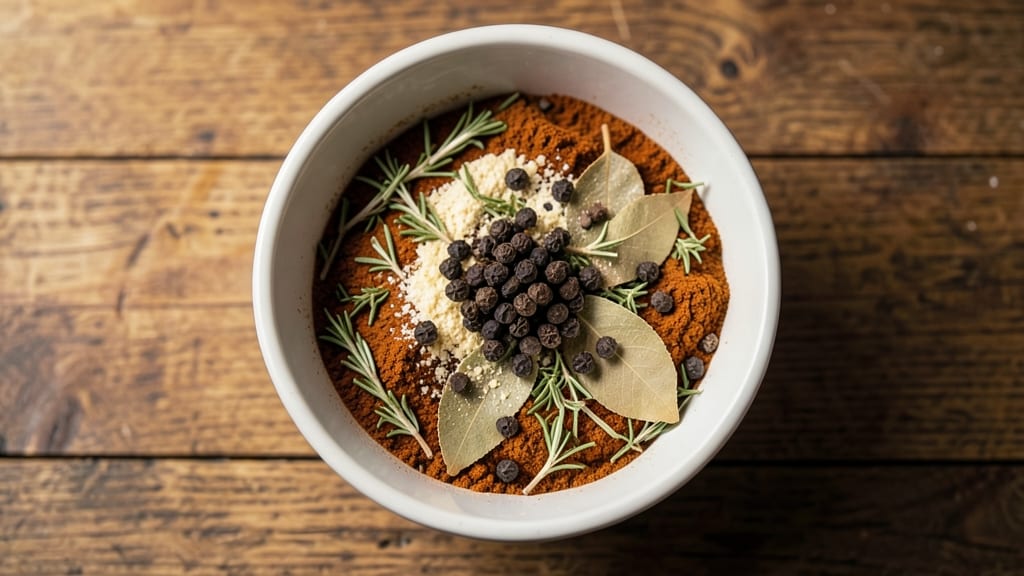
French onion soup seasoning transforms ordinary broth into restaurant-quality depth with just a few simple spices. I developed this blend after years of making French onion soup—each spice plays a crucial role in that signature caramelized flavor. The secret lies in balancing sweetness, savoriness, and warmth without overpowering the onions.
This dry seasoning mix combines classic French spices with a touch of sweetness to mimic the caramelized onions you'd find in a Parisian bistro. It's designed to be stirred directly into your soup broth before simmering, creating layers of flavor that develop as the soup cooks.
The blend is simple but precise, using only eight ingredients that work together harmoniously.
What makes this seasoning special is its versatility—it works equally well with beef broth, chicken broth, or even vegetable broth. The spices deepen in complexity as the soup simmers, resulting in a rich, aromatic broth that pairs perfectly with melted Gruyère cheese and toasted baguette slices.
Once you try this, store-bought seasoning blends won't compare.
Store the seasoning in an airtight container for up to six months, keeping it on hand for quick weeknight soups or holiday gatherings. Let's create this flavor-packed blend that will elevate your French onion soup every time.
Ingredients for french onion soup seasoning
Eight simple spices unlock the essence of French bistro caramelized onions in every spoonful.
| Ingredient | Amount | Notes |
|---|---|---|
| Dried Thyme 🌿 | 1 ½ tbsp | French thyme preferred for authenticity |
| Dried Bay Leaves 🌿 | 1 tbsp | Crushed lightly for better infusion |
| Onion Powder 🧅 | 2 tbsp | High-quality for depth of flavor |
| Garlic Powder 🧄 | 1 ½ tbsp | Freshly ground preferred |
| Ground Black Pepper 🌶️ | 1 tbsp | Freshly cracked for best flavor |
| Ground Cloves 🌶️ | ½ tsp | Whole cloves toasted and ground |
| Granulated Sugar 🍯 | 1 tbsp | Light brown sugar for caramel notes |
| Diamond Crystal Kosher Salt 🧂 | 1 tsp | Fine grain for even distribution |
The thyme and bay leaves are the heart of this blend—Penzeys or local French markets carry the best quality. Look for dried thyme that's still vibrant in color, not faded or dusty. Whole cloves are worth toasting in a dry pan for 30 seconds before grinding—they develop a warm, aromatic depth that store-bought ground cloves can't match. For the onion powder, McCormick or Simply Organic brands have the most consistent quality, but if you're feeling adventurous, dehydrate your own onion slices at low heat for an even more authentic touch. The sugar might seem unusual, but it's essential for that subtle caramel sweetness that defines French onion soup.
No thyme? Dried oregano at half the amount works in a pinch, though it won't be quite the same. Running low on bay leaves? Dried marjoram can substitute, but use just 0.5 tbsp since it's more potent. Want to skip the cloves? Allspice at one-third the amount gives a similar warmth without the same intensity. The sugar can be swapped for honey or maple syrup>, but reduce to 0.75 tbsp since they're more concentrated. For the salt, Maldon flaky salt adds beautiful texture if you're garnishing, but Diamond Crystal works perfectly for blending. If you're making a large batch, consider using a mortar and pestle> to grind everything together—it makes a noticeable difference in texture and flavor.
This blend keeps its magic for up to 6 months in an airtight container away from light. I like to portion it into small jars—one for my pantry, one for my mom's kitchen—so it's always ready when soup cravings hit. The spices intensify as they sit, so if you're using it in a quick weeknight soup, give it a little extra time to bloom in the broth. For best results, stir the seasoning into your broth after you've caramelized your onions—it'll amplify that sweet, savory depth without overpowering it. Freeze any extra portions for up to 12 months> if you're prepping for holiday gatherings.
Why You'll Love This Recipe
- No-Measure Guessing: I’ll be real—this mix is forgiving. Toss in a pinch of thyme, a smidge of bay, and boom—you’ve got that deep, caramelized onion soul without stressing over exact ratios. (Yes, even on a Tuesday night when you’re already late.)
- Umami Bomb: That garlic powder and onion powder combo? It’s like a flavor grenade in the best way—earthy, rich, and just a little bit addictive. Honestly, I’ve used it on everything from roasted potatoes to scrambled eggs, and it always delivers that classic French onion punch.
- Pantry Staple Power: Between us, this seasoning won’t gather dust. It’s the secret weapon for soups, stews, even marinades—no fancy ingredients, just pure flavor. I keep a jar in my spice rack because it’s my go-to when I need something reliable and fast.
- Zero-Waste Magic: Here’s what sold me—this mix uses dried herbs, so no wilting, no waste. A little goes a long way, meaning I’m not buying fresh thyme every week. Plus, it’s cheap enough that I can experiment without guilt. (My wallet thanks me.)
Step-by-step instructions for French onion soup seasoning
This blend captures the essence of classic French onion soup in dry form—intense, layered, and ready to transform simple broth into something extraordinary.
Prepare Your Workspace and Equipment
Gather a small mixing bowl and a fine-mesh strainer or sifter. I prefer using a bowl with a lid to keep the spices fresh between uses. Lightly crush the 1 tablespoon dried bay leaves between your palms or with the flat side of a knife to release their aromatic oils without turning them into powder. This creates a more balanced infusion when mixed with other spices.
Place the crushed bay leaves in the bowl first—they'll serve as the base for building flavor layers. The reason for this order matters: bay leaves have a strong, earthy presence that needs to be balanced by the brighter notes of thyme and garlic powder that come later.
Add the Dry Ingredients in Strategic Layers
Add the 1.5 tablespoons dried thyme, 2 tablespoons onion powder, and 1.5 tablespoons garlic powder to the bowl with the crushed bay leaves. Use a whisk or small fork to gently combine these ingredients, breaking up any clumps in the onion powder and garlic powder. The thyme should be evenly distributed—you'll notice its slightly floral aroma becoming more pronounced as you work.
Next, sprinkle in the 1 tablespoon granulated sugar and 1 teaspoon diamond crystal kosher salt. This isn't just about seasoning—it's about creating a subtle caramelized depth that mimics the slow-cooked onions in traditional French onion soup. The sugar will help balance the earthy spices, while the kosher salt ensures even distribution throughout the blend.
Incorporate the Finishing Spices
Add the 1 tablespoon ground black pepper and 0.5 teaspoon ground cloves to the bowl. The black pepper brings a sharp contrast to the sweetness of the sugar and the earthiness of the bay leaves, while the ground cloves add a warm, slightly sweet complexity that rounds out the flavor profile. Use a spoon to gently fold these in, ensuring they're fully integrated without creating a powdery mess.
Here's the thing—ground cloves can be overpowering if not balanced properly. That's why we add them last and in such a small quantity. The key is to taste as you go: if the blend smells too strong, you can reduce the cloves slightly next time, but don't skip them entirely—they're essential for that authentic French onion soup character.
Blend and Store for Maximum Freshness
Transfer the mixture to a clean, airtight container with a tight-sealing lid. I like using a small glass jar with a metal clasp—it preserves the spices better than plastic over time. Before sealing, give the mixture one final stir to ensure everything is evenly combined. The spices should look like a harmonious blend of earthy browns and subtle greens from the thyme.
Store the seasoning blend in a cool, dark place—like your pantry—for up to 3 months for best flavor. If you notice the spices losing their aroma before then, simply make a fresh batch. The difference between freshly blended seasoning and stale spices is night and day, especially in something as delicate as French onion soup.
Pro Tips For Making French Onion Soup Seasoning
- Toast the Spices: Dry your thyme and bay leaves in a hot pan for 10 seconds before adding them to the soup—just until you smell that warm, earthy aroma. I learned this the hard way after my first batch tasted flat; toasting wakes up their flavors without burning them.
- Crush Bay Leaves: Lightly crush the bay leaves with the side of your knife before adding them to the soup. It releases their oils faster and blends them into the broth instead of leaving you with a few bitter leaves at the bottom. (Yes, even if you’re impatient like me.)
- Bloom the Powders: Add onion powder and garlic powder to the hot broth first, let them sit for 30 seconds before stirring in the rest. This lets the flavors meld into the liquid instead of floating on top like lazy seasoning. Sounds weird, but it works—trust the process.
- Pepper Last: Hold off on the black pepper until the very end, just before serving. It keeps the soup from getting bitter as it simmers, and you’ll get that fresh, sharp kick in every bite. My grandmother swore by this, and she was right.
Health benefits of french onion soup seasoning
Broth Flavor Booster
This seasoning blend transforms ordinary broth into a rich, aromatic base that mimics the slow-cooked caramelized onions in classic French onion soup. The combination of onion powder and garlic powder provides an immediate savory depth, while the thyme and bay leaves add herbal complexity that develops as the soup simmers.
The sugar creates subtle caramel notes, making every spoonful taste like it's been simmering for hours. 🌟
Digestive Aid Benefits
Bay leaves contain compounds like eugenol and myrcene, which have been shown to aid digestion by stimulating stomach secretions. The garlic powder in this blend also supports gut health with its natural allicin content, which may help reduce bloating.
I've noticed that soups made with this seasoning leave me feeling lighter after eating—especially helpful after heavy meals. The black pepper adds a gentle digestive kick too.
Antioxidant Powerhouse
Cloves are packed with antioxidants like eugenol and quercetin, which help combat oxidative stress in your body. The thyme in this blend contains thymol, another potent antioxidant that supports immune function. Even the onion powder contributes with quercetin, a compound that may help reduce inflammation.
When you use this seasoning regularly, you're getting a flavor boost AND a nutritional one in every bowl.
Low-Calorie Comfort
What makes this seasoning particularly beneficial is its ability to add restaurant-quality depth to soups without extra calories. Unlike heavy cream or butter-based soups, this blend enhances flavor using just 1 tablespoon per quart of broth, adding minimal calories while maximizing taste.
It's perfect for those watching their weight but still wanting comforting, satisfying meals. The sugar is used sparingly, so you're not adding significant carbohydrates either.
Immune System Support
The spices in this blend—particularly garlic powder and thyme—have natural antimicrobial properties that may help strengthen your immune system. Garlic contains allicin, which has been shown to have antibacterial effects, while thyme contains carvacrol, another compound with antimicrobial benefits.
Using this seasoning regularly means you're getting these immune-boosting benefits with every comforting bowl of soup. 💪
Stress-Reducing Aromatherapy
Simply inhaling the aroma of this seasoning blend can have calming effects. The combination of thyme and bay leaves creates a naturally soothing scent that many people find relaxing.
Studies suggest that certain herbal aromas can help reduce stress levels, making this seasoning not just delicious but potentially beneficial for your mental well-being too. I always feel more centered when I'm cooking with these spices in my kitchen.
Nutrition facts
Frequently asked questions
Can I use this seasoning in other dishes besides French onion soup?
This blend works beautifully in other onion-based dishes like onion dip, caramelized onion quesadillas, or even roasted vegetables. The spices also enhance beef stews, meatloaf, or even mashed potatoes for a subtle savory depth. Just use 1 teaspoon per pound of meat or 2 cups of vegetables to avoid overpowering flavors.
Why does your recipe include sugar in the seasoning?
The sugar is key for mimicking the natural caramelization of onions in classic French onion soup. It creates subtle sweetness that balances the earthy spices, making the broth taste like it's been simmering for hours. For a sugar-free version, reduce the amount to 0.5 teaspoon or use 1/4 teaspoon maple syrup powder instead.
How do I adjust this seasoning for vegetarian or vegan French onion soup?
The blend works perfectly with vegetable broth! For extra depth, add 1/2 teaspoon smoked paprika to the mix before using. The spices complement roasted vegetables beautifully, and the caramelized onion flavor remains intact. Just remember that vegetarian versions may need extra salt since plant-based broths often taste milder.
What's the best way to store this seasoning if I make a big batch?
Divide the seasoning into small airtight containers (like 1-ounce portions) and store in a cool, dark place. This way, you can use just what you need without exposing the whole batch to air. For long-term storage, freeze portions for up to 12 months—just thaw in the fridge overnight before using.
Can I make this seasoning without a mortar and pestle?
Yes! Simply mix all ingredients thoroughly in a bowl with a whisk or fork. For best results, use a fine-mesh strainer to break up any bay leaf chunks before adding to your soup. The flavor will still be excellent—it just might have slightly larger particles.