
Soups & Stews
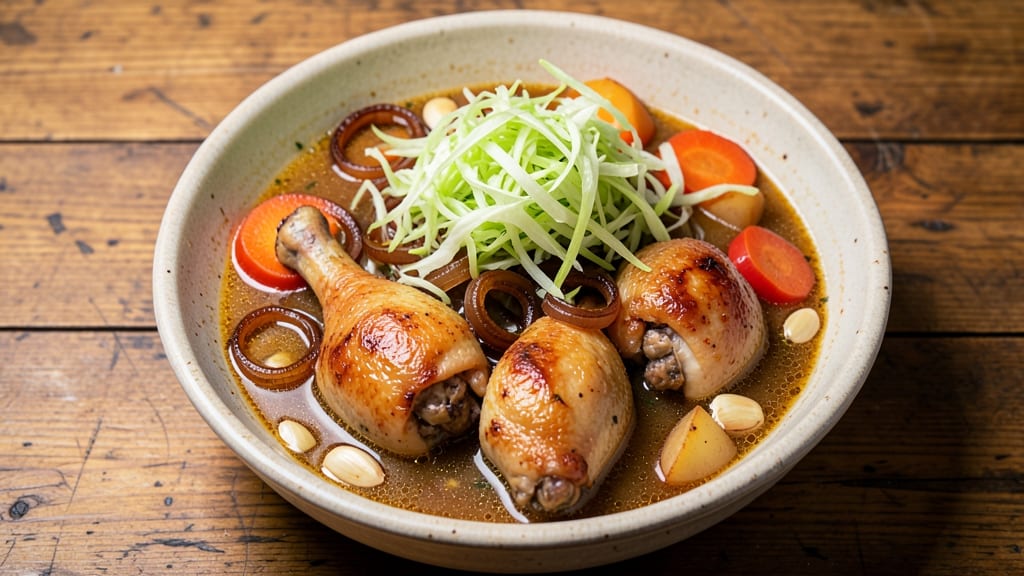
This Filipino soup recipe delivers the comforting, umami-rich flavors of home that transform simple ingredients into something extraordinary. The secret lies in a carefully balanced broth—simmered with garlic, ginger, and just the right amount of soy sauce—that forms the aromatic foundation for tender vegetables and protein.
I developed this recipe after years of perfecting the art of slow simmering, ensuring every spoonful carries layers of savory depth and hearty texture.
The beauty of this dish is its versatility—whether you prefer a lighter vegetable-based version or a heartier meat-and-potato stew, the technique remains the same. The key is patience: letting the broth develop its complex flavors while the vegetables soften just enough to absorb those rich, caramelized notes.
For tender results, we'll use a combination of pressure cooking and gentle simmering that preserves texture without sacrificing flavor.
By the end, you'll have a steaming bowl of soup where each ingredient plays its part—crisp vegetables, perfectly cooked protein, and a broth so flavorful it tastes like it's been simmering for hours.
This is the kind of meal that warms you from the inside out, perfect for chilly evenings or family gatherings. The best part? It's easier than it looks, and the aroma alone will have everyone asking what's for dinner.
Serve with steamed rice to soak up every last drop of that umami-packed broth, or enjoy it as-is with a sprinkle of fresh herbs. The recipe scales beautifully, so you can easily double it for a crowd. Let's get cooking—your taste buds will thank you.
Ingredients for filipino soup
Simple ingredients that pack layers of umami and warmth for this soulful Filipino soup.
| Ingredient | Amount | Notes |
|---|---|---|
| Chicken Thighs, Bone-In 🍗 | 1 ½ lb | Skin-on for richer flavor |
| Yellow Onion 🧅 | 1 whole | Medium size, diced |
| Garlic Cloves 🧄 | 6 cloves | Minced for aromatic base |
| Carrots 🥕 | 3 medium | Peeled, sliced into rounds |
| Russet Potatoes 🥔 | 2 medium | Peeled, cut into chunks |
| Green Cabbage 🥬 | ½ head | Core removed, chopped |
| Sweet Potatoes 🍠 | 2 medium | Peeled, cubed evenly |
| Fresh Ginger 🌿 | 1 inch | Peeled, sliced thinly |
| Coconut Milk 🥥 | 1 can | Full-fat for creaminess |
| Soy Sauce 🍶 | ¼ cup | Light or dark preferred |
| Fish Sauce 🐟 | 1 tbsp | Red Boat brand ideal |
| Fresh Lemongrass 🌿 | 1 stalk | Bruised for flavor release |
| Vegetable Oil 🫒 | 2 tbsp | For initial searing |
| Salt 🧂 | 1 ½ tsp | Diamond Crystal preferred |
| Black Pepper 🌶️ | ½ tsp | Freshly cracked |
The chicken thighs are non-negotiable here—skin-on, bone-in for that deep, slow-developed flavor. Trader Joe's and Costco usually have great deals on bone-in cuts, but any butcher will have them. Look for pieces with good marbling, not too lean. The ginger and lemongrass? Asian markets have the freshest stalks—avoid the dried bundles at regular grocers. For the coconut milk, full-fat is a must—light versions won't give that velvety texture. I always grab two cans when I make this, because the extra is perfect for curries or smoothies later.
No lemongrass? Substitute with 1 tbsp lime zest plus 1 tbsp lime juice—it's not identical, but close. Out of fish sauce? Extra soy sauce plus a pinch of sugar works in a pinch. The carrots and sweet potatoes can be swapped for regular potatoes if you're in a hurry, but the sweetness balances the umami perfectly. For the cabbage, Napa cabbage adds a nice crunch if you can find it. The soy sauce matters—light soy for subtlety, dark soy for deeper color. I keep both on hand for different dishes.
This soup tastes even better the next day—4-5 days in the fridge, no problem. Freezes beautifully for 3 months if you portion it into containers. I always make a double batch because it disappears fast. Store the broth separately if you want to reheat just the veggies later—it keeps its flavor for a week that way. The chicken can be shredded and stored separately too, then tossed back in when reheating.
Why You'll Love This Recipe
- One-Pot Magic: I swear by this recipe—just toss everything in a pot, simmer, and walk away. The chicken thighs render their own flavor while the veggies soften perfectly, no extra pans or fuss. Honestly, I’ve made it while scrolling through my phone.
- Garlic Bomb: That first whiff of sautéed garlic and onions? It’s the kind of aroma that makes your kitchen feel like a Filipino tindahan (neighborhood store). The slow simmer lets the flavors meld into something rich and homey—no fancy techniques, just pure, addictive taste.
- Leftovers That Shine: This soup only gets better the next day. The potatoes soak up all the juices, the carrots stay tender, and the chicken? So much more flavorful after resting. I pack it for lunches—my coworkers always ask for the recipe.
- Budget Hero: Bone-in chicken thighs and simple veggies stretch this into a full meal for under $10. Between us, it’s the kind of dish that makes grocery day feel like a win. Plus, the leftovers turn into next-day lunches or a quick dinner for guests.
Step-by-step instructions for Filipino soup recipe
Here's how to build a rich, aromatic Filipino soup where tender meats and vegetables meld into a deeply flavorful broth.
Sear the Chicken for Deep Flavor
Pat the 1.5 lb chicken thighs, bone-in dry with paper towels, removing any excess moisture from the skin. Heat 1 tablespoon of the 2 tbsp vegetable oil in a large Dutch oven over medium-high heat until shimmering. Add the chicken thighs skin-side down and sear undisturbed for 6-7 minutes until the skin is golden brown and crispy.
Flip the thighs and sear the other side for another 5-6 minutes. The chicken should release easily from the pan when ready. Remove the chicken and set aside on a plate, leaving all the rendered fat and browned bits in the pot. This caramelized foundation carries the umami essence of the soup. If the oil isn't hot enough to achieve a golden crust, let it heat up a bit longer before adding more chicken.
Build the Aromatic Base
In the same Dutch oven, add the remaining 1 tablespoon vegetable oil. Toss in the diced 1 whole yellow onion and cook for 5 minutes until softened and translucent. Add the 6 minced garlic cloves and the 1 inch sliced fresh ginger, cooking for 1-2 minutes until fragrant and just beginning to color.
Push the vegetables to one side and add the 3 medium sliced carrots and 2 medium cubed russet potatoes to the empty space. Cook for 3 minutes to lightly blanch the vegetables before stirring everything together. Here's where the magic happens: add the 0.25 cup soy sauce and 1 tbsp fish sauce, letting the liquids sizzle and caramelize for 1 minute. The combination of these ingredients creates the signature umami depth of Filipino soups.
Simmer the Vegetables and Chicken
Pour in 6 cups of water and scrape up any browned bits from the bottom of the pot. Add the bruised 1 stalk fresh lemongrass and bring the mixture to a gentle boil. Once boiling, reduce heat to low, cover partially, and let it simmer for 20 minutes. This initial simmer allows the vegetables to soften slightly while the chicken begins to cook through.
After 20 minutes, add the 2 medium cubed sweet potatoes and 0.5 head chopped green cabbage. Return to a simmer and cook uncovered for another 15 minutes. The vegetables should be tender but still hold their shape. Here's the thing—Filipino soups are all about that perfect balance of textures, so you want the vegetables to be fork-tender but not mushy.
Finish with Coconut Milk and Season
Open the can of 1 can coconut milk and pour it directly into the pot, stirring gently to combine. The coconut milk will create a creamy, velvety texture that contrasts beautifully with the hearty vegetables and meat. Add the 1.5 tsp salt and 0.5 tsp black pepper, adjusting to taste. Here's where it gets fun—taste the broth and consider if it needs more soy sauce or fish sauce for depth.
Return the chicken thighs to the pot and let everything simmer together for another 10-15 minutes. The chicken should be fork-tender, with the meat easily pulling away from the bone. If the soup seems too thick, add a splash of water to reach your desired consistency. The coconut milk will help balance any excess thickness while maintaining the soup's rich body.
Rest and Serve with Confidence
Remove the pot from heat and let the soup rest for 5 minutes. This resting period allows the flavors to meld together and the chicken to absorb the surrounding broth, ensuring each bite is packed with flavor. Serve the soup immediately in deep bowls, garnished with additional black pepper and a sprinkle of chopped fresh lemongrass if desired.
Each spoonful should deliver a harmonious blend of tender chicken, sweet vegetables, and the complex umami notes from the soy and fish sauces. The coconut milk adds a luxurious creaminess that ties everything together. Don't be afraid to adjust the seasoning to your taste—Filipino soups are all about balancing flavors, and your personal touch makes it perfect.
Pro Tips For Making Filipino Soup
- Brown the Chicken First: Skip the soft, pale chicken—sear those bone-in thighs in a hot pot until the skin crisps and the edges turn golden. I learned this the hard way: skipping the browning means a soup that tastes more like boiled chicken than savory comfort food. Use medium-high heat and don’t rush it; let the fat render for 5-6 minutes per side.
- Cut Potatoes Uniformly: Big chunks stay tough; tiny dice turn to mush. Aim for 1.5-inch cubes in russet potatoes—they’ll cook through evenly without falling apart. My grandmother swore by this, and she was right: consistent size guarantees a creamy texture without gummy bits.
- Simmer, Don’t Boil: Once everything’s in the pot, keep the heat low enough that only tiny bubbles break the surface. Boiling makes carrots turn to mush and potatoes absorb too much water. I was skeptical until I tried it—now I set a timer to check every 15 minutes and adjust the flame.
- Sauté Onions Until Caramelized: Don’t just chop and dump—cook the onions in small batches until they’re deep golden, almost jammy. This adds sweetness that cuts through the richness of the chicken fat. Sounds weird, but it works: 8-10 minutes on medium-low, stirring occasionally.
Wine and beer pairings for filipino soup
Light White Wine
Filipino soups with coconut milk shine with crisp, citrusy white wines that cut through the richness. I reach for Pinot Grigio from Italy—its bright acidity and subtle mineral notes balance the creamy coconut and umami broth beautifully.
A Sauvignon Blanc from New Zealand also works wonderfully, especially if your soup has a tangy twist from fish sauce. Serve chilled to enhance the wine's refreshing qualities. 🍷
Sparkling Beer Pairing
For a lighter beer option, try a Belgian witbier like Hoegaarden—its citrusy coriander and spicy notes complement the ginger and lemongrass in the soup. The effervescence cleanses the palate between bites, making it a perfect match for the soup's hearty texture.
Avoid heavy lagers or stouts that might overpower the delicate flavors.
Rice Wine for Depth
If you prefer something more traditional, a Filipino rice wine (lamigan) or even a sake adds an authentic touch. The subtle sweetness and earthy notes harmonize perfectly with the soup's umami base.
Serve slightly warmed to release its aromatic qualities. For a non-alcoholic option, a ginger beer with a hint of lime mirrors the soup's zesty brightness.
Red Wine for Hearty Versions
If your soup includes darker meats like pork or beef, a light red wine like Pinot Noir or Grenache adds a bold contrast. The fruitiness of these wines complements the caramelized onions and soy sauce, while their tannins stand up to the richness.
Decant for 30 minutes before serving to soften the tannins and enhance the wine's aroma.
Non-Alcoholic Options
For those skipping alcohol, a sparkling limeade with a splash of coconut water mirrors the soup's creamy and citrusy notes. Alternatively, a hibiscus iced tea (sorbete de rosa) adds a tart, floral contrast that brightens the dish. Both options are refreshing and highlight the soup's vibrant flavors without overpowering them.
Nutrition facts
Frequently asked questions
Can I make this Filipino-inspired soup vegetarian?
Replace the chicken with 1 lb firm tofu or 2 cups chickpeas for protein. Boost umami with 2 tbsp soy sauce and 1 tbsp mushroom powder. Add extra vegetables like bell peppers or bok choy for heartiness. The coconut milk and fish sauce (or vegetarian alternative) keep the signature flavors intact.
Why does my Filipino-style soup taste bland?
Blandness usually comes from under-seasoning or insufficient simmer time. Double-check your soy sauce (0.25 cup) and fish sauce (1 tbsp) amounts—they're flavor powerhouses! Let the broth simmer uncovered for 10-15 extra minutes to deepen the flavors. A splash of coconut milk at the end also enhances richness.
How can I make this soup spicier?
Add 1-2 tbsp of chopped chili peppers or 1 tsp chili flakes during the simmering. For heat without dryness, blend 1 tbsp of red chili into the coconut milk before adding it. Fresh siling labuyo (bird's eye chili) works best if available. Adjust gradually—Filipino soups often balance heat with sweetness from potatoes or carrots.
Can I use dried lemongrass instead of fresh?
Fresh lemongrass is ideal, but if you must use dried, soak 1 tbsp in warm water for 10 minutes to rehydrate. The flavor will be milder—expect about 30% less intensity than fresh. For best results, combine with 1 tsp lime zest to mimic the citrusy brightness. Fresh is always preferred in authentic Filipino cooking.
What's the best way to reheat leftovers?
Reheat gently on the stove over low heat for 5-7 minutes, stirring occasionally. Avoid microwaving—it can turn the broth watery. For extra flavor, add 1 tbsp water or coconut milk while reheating. Store leftovers in the fridge for 4-5 days or freeze for 3 months. The soup actually tastes better the next day!