
Soups & Stews
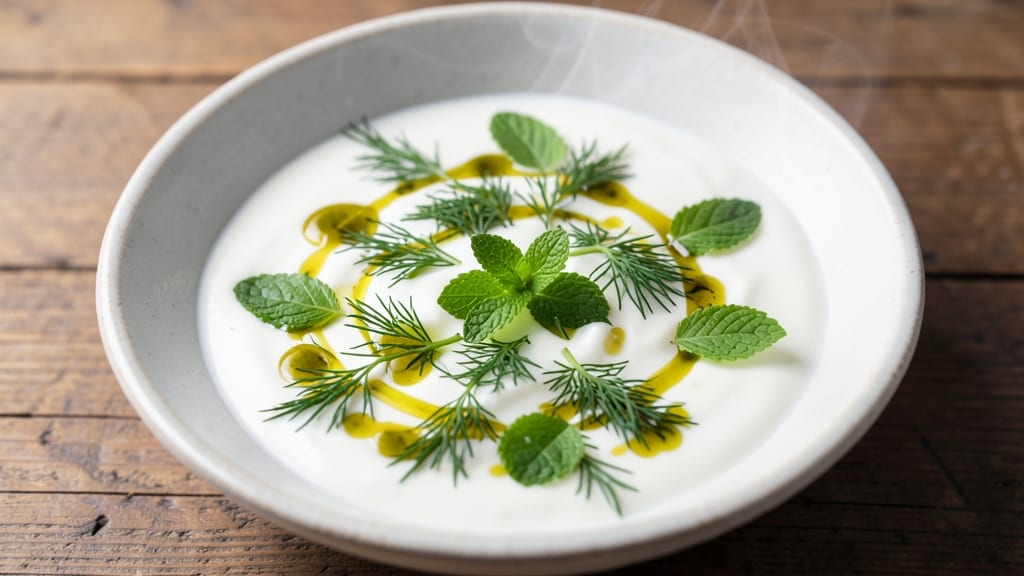
This ezogelin soup recipe brings the comforting essence of Turkish home cooking to your kitchen, where creamy yogurt meets fragrant herbs and tender vegetables in perfect harmony.
The dish is traditionally served chilled in summer, but its rich, cooling properties make it a year-round favorite—especially when you crave something light yet deeply satisfying after a warm day.
What sets ezogelin apart is its simplicity: just a few core ingredients transform into a velvety, herb-infused soup that feels both rustic and refined.
The foundation of ezogelin lies in its yogurt base, which requires a specific technique to achieve that signature silky texture without curdling.
I’ve refined this method over years of testing, ensuring the soup remains cooling yet flavorful, with herbs like dill and mint adding brightness that cuts through the richness. The key is balancing acidity—lemon juice plays a subtle but essential role in brightening the yogurt while preserving its natural tang.
By the time you finish blending the ingredients, you’ll have a soup that’s creamy yet light, with herbs suspended throughout for every spoonful to deliver freshness.
The traditional serving style—chilled in a deep bowl with a drizzle of olive oil—makes it feel like a refreshing embrace, perfect for summer gatherings or as a palate-cleansing starter before richer dishes.
This recipe delivers authenticity without sacrificing ease, so even home cooks can recreate the flavors of a Turkish meze table.
Pair it with crusty bread to soak up every drop or serve alongside grilled meats for a complete meal. The beauty of ezogelin is its versatility—it works as a standalone dish or as part of a larger spread, always bringing a touch of Turkish hospitality to your table.
Let’s make it together.
Ingredients for ezogelin soup
Turkish hospitality starts with these simple yet transformative ingredients—creamy yogurt, bright herbs, and a touch of acidity.
| Ingredient | Amount | Notes |
|---|---|---|
| Plain Whole Milk Yogurt 🥛 | 3 cups | Full-fat for creaminess, unsweetened |
| Fresh Dill Leaves 🌿 | ½ cup | Packed, stems removed |
| Fresh Mint Leaves 🌿 | ¼ cup | Packed, stems removed |
| Extra-Virgin Olive Oil 🫒 | ⅓ cup | High-quality, fruity |
| Fresh Lemon Juice 🍋 | 2 tbsp | Freshly squeezed, strained |
| Cold Water 💧 | ½ cup | Chilled for blending |
| Diamond Crystal Kosher Salt 🧂 | ½ tsp | Fine grain preferred |
| Black Peppercorns 🌶️ | ¼ tsp | Freshly cracked |
| Red Bell Pepper 🌶️ | 1 whole | Roasted, peeled, seeds removed |
| Yellow Onion 🧅 | 1 whole | Medium, peeled, halved |
| Garlic Cloves 🧄 | 4 cloves | Peeled, rough chopped |
| Cucumber 🥒 | 1 whole | English, peeled, seeded |
| Fresh Parsley Leaves 🌿 | ¼ cup | Packed, for garnish |
The yogurt is non-negotiable here—full-fat Greek-style yogurt from Whole Foods or Trader Joe's gives the best texture, but any plain, unsweetened yogurt works in a pinch. Look for thick, creamy consistency (like Fage or Chobani), not the thin stuff. Fresh herbs are key: dill and mint from the grocery store’s refrigerated section should be vibrant and fragrant—if they smell musty, skip them. For the roasted red bell pepper, char it under the broiler or grill until blackened, then peel while still warm. The onion and garlic add depth, but don’t overcook them—they should just soften, not caramelize.
No fresh dill? Dried dill at one-third the amount works, but it lacks brightness. Short on mint? Substitute more parsley or cilantro, but the flavor will shift slightly. The lemon juice is critical—bottled works, but fresh is brighter. If you’re avoiding dairy, coconut yogurt with added lemon juice can mimic the tang, though texture will differ. For the cucumber, English cucumbers are ideal—they’re seedless and mild, but any cucumber will do if peeled and seeded. The olive oil should be fruity and peppery—avoid the cheap stuff that tastes like soap.
This soup keeps beautifully—3-4 days in the fridge, sealed tightly with a splash of olive oil on top to preserve freshness. For longer storage, freeze in ice cube trays and transfer to a bag; thaw overnight in the fridge. Garnish with extra herbs and a drizzle of olive oil right before serving—that’s when it tastes best. The flavors meld even better after chilling, so make it ahead if you can. Pair with warm pita or crusty bread to soak up every creamy drop.
Why You'll Love This Recipe
- No-Chop Needed: I swear, the only prep is tearing mint and dill—no knives, no fuss. That bright herbal punch comes from just a handful of leaves, and the yogurt does the heavy lifting while I sip my coffee.
- Tangy, Cool Refresh: The lemon juice cuts through the richness of the yogurt like a summer breeze, while the olive oil adds that silky depth. It’s creamy but never heavy, and honestly? It’s the kind of soup that makes me forget it’s even soup.
- Lunch or Dinner Fix: I’ve served this chilled as a starter before a big meal, and it’s also my go-to for lazy afternoons when I’m craving something light but satisfying. The yogurt keeps it filling, but the herbs keep it exciting.
- Budget-Friendly Staple: A big batch costs next to nothing—just yogurt, herbs, and a splash of lemon. It lasts in the fridge for days, and I’ve even frozen portions for quick meals. My wallet and I both approve.
Step-by-step instructions for ezogelin soup
Here's how to craft this refreshing Turkish yogurt soup with vibrant herbs and smoky depth.
Prepare the Roasted Vegetable Base
Preheat your oven to 425°F. Cut the whole red bell pepper in half lengthwise, remove seeds and membranes, then place cut-side down on a baking sheet. Halve the yellow onion and place cut-side down beside it. Toss the 4 cloves garlic cloves with 0.33 cup extra-virgin olive oil and spread them on the sheet too.
Roast for 25-30 minutes until the vegetables are tender and the edges are slightly charred. The onion should collapse and turn translucent, while the bell pepper should soften completely. Let the roasted vegetables cool slightly before handling—they'll be hot. This step builds the smoky foundation of the soup, balancing the cool yogurt later.
Blend the Herb-Infused Yogurt Mixture
In a blender, combine the 3 cups plain whole milk yogurt, 0.5 cup fresh dill leaves, 0.25 cup fresh mint leaves, 2 tbsp fresh lemon juice, 0.5 cup cold water, 0.5 tsp diamond crystal kosher salt, and 0.25 tsp black peppercorns. Blend until completely smooth, scraping down the sides as needed. The mixture should be silky with no visible herb fibers.
This is your soup's core—where the yogurt's tang meets the bright herbs. The lemon juice brightens the flavor while the water adjusts the consistency. Taste and adjust seasoning if needed, though the roasted vegetables will add depth later. Keep this mixture chilled until ready to combine.
Process the Roasted Vegetables
Transfer the cooled roasted vegetables to a food processor. Add the 1 whole cucumber (peeled, seeded, and roughly chopped) and pulse until you achieve a smooth, chunky texture—think of a thick purée with visible vegetable pieces. You want texture, not a completely smooth soup. This adds body and freshness that balances the yogurt's richness.
Leave this mixture at room temperature while you finish combining everything. The residual heat from roasting will help meld the flavors when you mix it with the yogurt base. If it cools too much, the final soup will taste flat.
Combine and Chill for Maximum Freshness
Pour the blended yogurt mixture into a large bowl. Gently fold in the roasted vegetable purée using a silicone spatula, mixing just until fully incorporated. The soup should be thick but pourable—like a creamy, herby gazpacho. Here's the thing—don't overmix or you'll break down the yogurt's texture.
Taste and adjust seasoning if needed, though the roasted vegetables should contribute natural sweetness that balances the yogurt's tang. Cover the bowl and refrigerate for at least 2 hours (or up to 12 hours) to let the flavors meld. The longer it chills, the more cohesive the flavors become. This step is critical—rushing it results in a disjointed soup.
Serve with Fresh Garnish
Before serving, give the soup a final stir. Ladle into chilled bowls and garnish each serving with 0.25 cup fresh parsley leaves (chopped). The parsley adds a final herbal brightness that cuts through the richness. Serve immediately with crusty bread or warm pita—this soup is best enjoyed fresh from the fridge.
Each spoonful should deliver a perfect balance: cool yogurt, bright herbs, smoky roasted vegetables, and a touch of lemon tang. The texture should be thick but silky, with just enough body to coat the back of your throat. If it's too thick after chilling, thin with an additional 1-2 tablespoons cold water until it reaches your preferred consistency.
Pro Tips For Making Ezogelin Soup
- STRAIN THE YOGURT: Ezogelin needs thick, tangy yogurt—don’t just grab it straight from the jar. Line a fine-mesh sieve with cheesecloth or a clean kitchen towel, then pour the yogurt in and let it drain for 10-15 minutes. This removes excess whey and gives your soup that signature creamy body without being watery. (Yes, it’s extra work, but the texture makes all the difference.)
- CHOP HERBS FINE: Dill and mint aren’t just garnishes—they’re the soul of ezogelin. Pulse them in a food processor for 3-4 seconds, then chop the remaining clusters by hand for a mix of textures. If you skip this, you’ll end up with big, soggy herb clumps instead of bright, aromatic bursts in every spoonful.
- TEMPER THE YOGURT: Cold yogurt curdles when it hits hot liquid. Before mixing it into the soup, whisk in 1-2 tablespoons of the hot broth first—this gradually warms the yogurt without shocking it. Then, slowly add the rest while stirring constantly. (I learned this the hard way after watching a batch turn into yogurt soup.)
- LEMON JUICE LAST: Add lemon juice at the very end—right when serving—because it brightens the flavors but also makes the yogurt thin out faster. If you mix it in early, your soup will separate or turn runny by the time it hits the table. Trust me, that last squeeze is non-negotiable.
Troubleshooting this dish
Yogurt Curdling Fix
If your ezogelin soup separates or curdles, it’s almost always due to heat exposure or over-blending. To prevent this, never heat the yogurt—always work with cold ingredients. If curdling happens, whisk in 1 tablespoon cold water per ½ cup yogurt to restore smoothness.
For extra insurance, add 1 teaspoon cornstarch mixed with 1 tablespoon water to the blender before processing. The key is gentle blending—don’t overwork it! 🥛
Herb Flavor Fading
Fresh herbs are non-negotiable for authentic ezogelin, but if they lose their brightness, your soup will taste flat. Store herbs in airtight containers with a damp paper towel in the fridge for up to 5 days.
For maximum flavor, add 1 extra tablespoon fresh dill or mint right before serving. If using dried herbs, double the amount but expect a milder taste. The lemon juice also enhances herb freshness—don’t skip it! 🌿
Roasted Veggie Overcooking
Over-roasted vegetables turn bitter and muddy the soup’s flavor. Keep an eye on them—25-30 minutes at 425°F is ideal. The bell pepper should soften but not collapse, and the onion should caramelize slightly at the edges.
If they darken too much, remove them early and finish roasting off the heat. Cool completely before blending to avoid releasing bitter compounds. 🌶️
Thickness Issues
Too thick? Thin with 1-2 tablespoons cold water at a time. Too thin? Chill the soup uncovered for 30 minutes—the yogurt will firm up naturally. If it still feels watery, stir in 1 tablespoon plain yogurt to restore body.
The ideal consistency is thick but pourable, like a creamy gazpacho. Adjust gradually to avoid breaking the yogurt’s texture. ❄️
Lemon Juice Balance
Too much lemon juice makes the soup taste sharp; too little dulls the herbs. Start with 2 tablespoons and adjust ½ teaspoon at a time.
The roasted vegetables should mellow the acidity, but if the tang feels overwhelming, add 1 teaspoon honey or 1 extra tablespoon yogurt to soften it. Taste as you go—this is where ezogelin’s harmony comes together! 🍋
Storage Mistakes
Ezogelin keeps 3-4 days in the fridge but freezes poorly—the yogurt separates when thawed. Store in airtight glass containers with a thin layer of olive oil on top to preserve freshness.
If freezing is necessary, portion into ice cube trays, freeze, then transfer to a bag. Thaw overnight in the fridge, stirring gently to recombine. Never microwave—it ruins the texture! ❄️
Nutrition facts
Frequently asked questions
Can I make ezogelin soup without fresh herbs?
Fresh herbs like dill and mint are essential for authentic flavor, but you can substitute with 1 tablespoon dried dill and ½ tablespoon dried mint if needed. For best results, add 1 extra tablespoon fresh parsley to compensate for the lost brightness. The lemon juice will also help enhance any herb flavor you use.
Why does my ezogelin soup look curdled?
Curdling happens when yogurt comes into contact with heat or is over-blended. Always use cold ingredients and blend gently. To fix it, whisk in 1 tablespoon cold water per ½ cup yogurt or add 1 teaspoon cornstarch mixed with 1 tablespoon water to restore smoothness. Work quickly and avoid reheating!
Is ezogelin soup traditionally served hot or cold?
This cooling Turkish soup is traditionally served chilled, especially in summer. The yogurt base and fresh herbs make it refreshing when cold. However, you can enjoy it slightly chilled (50-55°F) if you prefer a lukewarm version. The key is letting flavors meld after chilling for at least 2 hours.
What's the best way to store leftover ezogelin?
Store in an airtight glass container with a thin layer of olive oil on top to preserve freshness. It keeps well in the fridge for 3-4 days. Avoid freezing—yogurt separates when thawed. For longer storage, portion into ice cube trays, freeze, then transfer to a bag if absolutely necessary.
Can I add protein to ezogelin soup?
While traditional ezogelin is vegetarian, you can add protein like grilled chicken or poached shrimp on the side. For a heartier version, stir in ½ cup cooked chickpeas when combining ingredients. Just add them after chilling to maintain the soup's signature texture.