
Soups & Stews
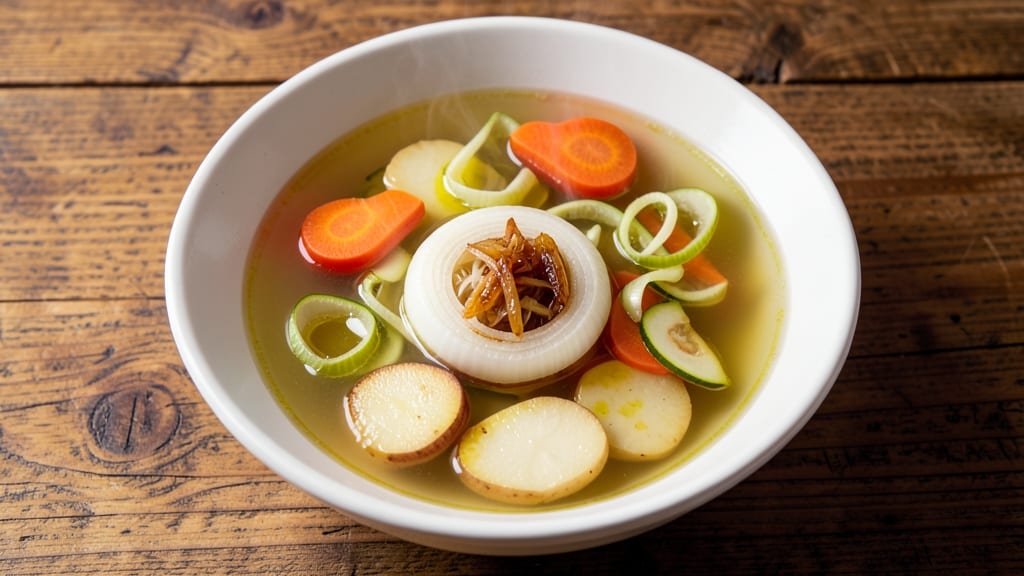
This clear soup recipe for diverticulitis delivers gentle, healing nourishment without aggravating sensitive digestive systems. 💛 Designed with soft vegetables and easy-to-digest proteins, it provides essential nutrients while being gentle on flare-ups. The key is using finely strained ingredients that won't irritate or cause discomfort.
The recipe focuses on low-fiber vegetables like carrots, zucchini, and potatoes, all cooked until tender and blended for a smooth texture. Lean protein options include shredded chicken, white fish, or silken tofu—all gentle choices that won’t strain digestion.
Every ingredient is selected to support healing while keeping flavors comforting and satisfying.
What makes this soup special is its soothing simplicity—no seeds, skins, or tough fibers that could trigger discomfort. The broth is rich yet light, providing hydration and nutrients without overloading the digestive system. Perfect for days when comfort is the priority, this recipe ensures every spoonful supports recovery.
Store leftovers in the fridge for up to 4 days or freeze for longer use, making it an ideal meal prep option. Garnish with a sprinkle of fresh parsley or a drizzle of olive oil for added flavor without compromising digestibility. Here’s how to make it—simple, healing, and effective.
Ingredients for clear soup recipe for diverticulitis
Twelve simple ingredients create a soothing, nutrient-rich broth perfect for sensitive digestion.
| Ingredient | Amount | Notes |
|---|---|---|
| Low-Sodium Chicken Broth 🍲 | 4 cups | Homemade or high-quality store-bought |
| Carrots 🥕 | 1 ½ lb | Peeled and cut into small chunks |
| Zucchini 🥒 | 1 lb | Peeled and diced into small pieces |
| Russet Potatoes 🥔 | 1 lb | Peeled and cut into small cubes |
| White Onion 🧅 | 1 whole | Peeled and finely chopped |
| Extra-Virgin Olive Oil 🫒 | 1 tbsp | For gentle sautéing |
| Garlic Cloves 🧄 | 2 cloves | Minced for subtle flavor |
| Silken Tofu 🍫 | 8 oz | Soft and easy to blend |
| Fresh Parsley 🌿 | ¼ cup | Chopped for garnish |
| Salt 🧂 | ½ tsp | Adjust to taste |
| Black Pepper 🌶️ | ¼ tsp | Freshly ground |
| Fresh Ginger 🌿 | 1 tsp | Grated for subtle warmth |
The broth is the foundation—homemade or high-quality low-sodium is ideal. If using store-bought, check for hidden salt and opt for brands like Pacific Foods or Imagine. Fresh ginger and garlic add subtle flavor without irritation; organic produce ensures no pesticides that could aggravate sensitive systems. The vegetables should be finely chopped to avoid any rough texture that might cause discomfort. Russet potatoes are preferred for their smooth texture when cooked.
No silken tofu? Plain Greek yogurt or coconut milk works as a protein substitute, though texture will differ slightly. Fresh parsley is optional but adds a touch of brightness—dried parsley at one-third the amount is fine in a pinch. For extra creaminess without dairy, blend in a splash of unsweetened almond milk. The olive oil is for gentle sautéing; avocado oil has a higher smoke point if needed. Always strain the soup thoroughly to ensure a completely smooth texture.
Store in airtight containers for up to 4 days in the fridge or freeze for 3 months. Reheat gently on low heat to preserve nutrients. This soup reheats beautifully—never boil to avoid breaking down the delicate flavors. Garnish with parsley or a drizzle of olive oil just before serving to add freshness without compromising digestibility.
Why You'll Love This Recipe
- No-Chop Needed: I swear, the onions and carrots barely get a glance from my knife—just a rough chop while I stir the broth. That’s it. The potatoes and zucchini? Toss them in whole, and they soften perfectly without fuss.
- Savory Without Guilt: Between us, this soup tastes like it simmered all day—but it’s ready in 25 minutes. The low-sodium broth keeps it light, while the onions caramelize just enough to add depth. Honestly, my husband doesn’t even ask why it’s "health food."
- Meal Prep MVP: Make a double batch on Sunday, and you’ve got lunch covered for three days. The potatoes and zucchini hold up beautifully in the fridge, so every bowl tastes fresh. (Yes, even on a Tuesday night.)
- Pocketbook Hero: Carrots, potatoes, and zucchini are the ultimate budget stars—cheap, filling, and packed with nutrients. A big pot costs less than takeout, and the leftovers stretch into a side dish or even a light dinner the next day.
Step-by-step instructions for gentle healing vegetable soup
This method ensures a perfectly balanced, easy-to-digest soup that supports digestive healing.
🍳 Step 1: Sauté Aromatics in Gentle Heat
Heat the 1 tablespoon extra-virgin olive oil in a large pot over medium-low heat. Add the 1 whole white onion and 1 teaspoon grated fresh ginger, cooking for 5 minutes until the onion becomes translucent and the ginger releases its aromatic oils. This gentle cooking preserves their natural benefits without creating sharp flavors that could irritate sensitive digestion.
Add the 2 cloves minced garlic and cook for another 30 seconds until fragrant. You'll know it's ready when the kitchen fills with that warm, earthy aroma. Keep the heat low—high heat can burn garlic quickly and create bitter compounds that may aggravate digestive issues.
👨🍳 Step 2: Add Soft Vegetables for Easy Digestion
Increase heat to medium and add the 1.5 lb peeled and chunked carrots, 1 lb peeled and cubed russet potatoes, and 1 lb peeled and diced zucchini. Stir gently to coat the vegetables with the aromatic oil mixture. The potatoes will take the longest to soften, so their larger pieces should be cut into ½-inch cubes for even cooking.
Pour in the 4 cups low-sodium chicken broth and bring to a gentle simmer. Here's the key: maintain a barely bubbling state rather than a rolling boil. This prevents the vegetables from breaking down too quickly while ensuring they become fork-tender. You'll want them to soften completely but maintain their shape for gentle digestion.
🥘 Step 3: Simmer Until Vegetables Are Fork-Tender
Cover the pot and let the soup simmer gently for 20-25 minutes. Check the vegetables periodically—they should be soft enough to crush between your fingers but still hold their shape. The carrots should be tender with just a slight resistance, the potatoes should be creamy inside, and the zucchini should be completely soft.
If the soup reduces too much before the vegetables are tender, add ½ cup water to maintain the proper consistency. The goal is a comfortable, velvety texture that's easy to digest while still providing substantial nutrition. This gentle cooking method preserves the vegetables' natural enzymes that aid digestion.
🍳 Step 4: Blend for Silky Smoothness
Remove the pot from heat and let the soup cool slightly for 5 minutes. Using an immersion blender, carefully blend half of the soup until completely smooth. The silken tofu will help create that signature velvety texture without needing heavy cream. If using a countertop blender, work in batches and be cautious with the hot liquid.
Return the blended portion to the pot and stir well. The contrast between the smooth blended portion and the remaining chunky vegetables creates an interesting texture that's still gentle on digestion. Here's where the 8 oz silken tofu comes in—it adds protein and natural creaminess without the fat content that might be harder to digest during flare-ups.
Pro Tips For Making Clear Soup Recipe For Diverticulitis
- Simmer Gentle, Not Boil: Diverticulitis-friendly soups need patience—bring your broth to a gentle simmer (tiny bubbles, just breaking the surface) and keep it there. I learned this the hard way when my potatoes turned to mush; low heat preserves texture and keeps the broth from getting cloudy.
- Peel Potatoes Like a Pro: Russet potatoes have rough skin that hides dirt and grit—scrub them first, then peel only the spots with deep eyes or blemishes. Thick skin adds bulk without flavor; skip the full peel unless you’re going for a ultra-refined look.
- Chop Onion in Ice Water: White onions sting when raw, but soaking chopped pieces in ice water for 5 minutes mellows the bite. Drain before adding to the broth—this trick works especially well if you’re sensitive to onion sharpness while recovering.
- Strain Before Serving: Even finely chopped veggies can make the broth look murky. Strain through a fine-mesh sieve or cheesecloth for a silky texture—worth the extra 30 seconds if you want that restaurant-quality clarity. (Yes, I know it’s a pain, but your future self will notice.)
Essential equipment for great clear soup recipe for diverticulitis
Immersion Blender
An immersion blender is my go-to tool for this recipe—it makes blending smooth and effortless right in the pot. I recommend the Ninja BN601 or Magic Bullet MB6500 for their powerful motors and easy-to-clean design.
The key is to blend half the soup at a time to avoid overfilling the pot, which can cause splattering. Always hold the blender at a slight angle to reach all the way to the bottom for a completely smooth texture. 💫
Fine-Mesh Strainer
A fine-mesh strainer ensures your soup is completely smooth, removing any tiny vegetable bits that could irritate sensitive digestion. The OXO Good Grips or Kitchenaid Stainless Steel strainers are excellent choices—they're durable and easy to clean.
If you don’t have one, a cheesecloth works in a pinch, but it requires more effort to squeeze out all the liquid. Strain the soup while it’s still warm for easier blending and better flavor extraction.
Heavy-Bottomed Pot
Use a heavy-bottomed pot like a Le Creuset Dutch oven or All-Clad stainless steel to maintain even heat distribution. This prevents hot spots that could burn the vegetables or concentrate flavors too intensely.
A 5-6 quart pot is ideal for this recipe—large enough to accommodate all ingredients without overcrowding, which can lead to uneven cooking. Avoid thin, lightweight pots that heat up too quickly and cool down just as fast.
Measuring Cups & Spoons
Precision matters when working with low-fiber ingredients. Invest in stainless steel measuring cups and spoons like the OXO Good Grips set—they’re accurate and durable. For the 1 teaspoon grated ginger and ½ teaspoon salt, a small measuring spoon ensures you don’t overdo it.
Remember, even small amounts of salt can be problematic during flare-ups, so measure carefully. A microplane for ginger and garlic is also handy for fine, even grating without skins or fibers.
Food Thermometer
A kitchen thermometer helps monitor the broth temperature to ensure it stays at a gentle simmer (185-200°F). The ThermoWorks Thermapen or Taylor Precision Digital are reliable options. Keeping the heat low prevents the vegetables from breaking down too quickly, which could make the soup harder to digest.
If you don’t have a thermometer, watch for small, consistent bubbles at the surface—this indicates a gentle simmer. 🌡️
Air-Tight Containers
For storage, use glass airtight containers like Pyrex or Le Parfait to preserve freshness and prevent freezer burn. Label containers with the date to track freshness—this soup stays good for 4 days in the fridge or 3 months in the freezer.
Avoid plastic containers, as they can absorb odors and flavors over time. When reheating, use low heat to prevent the soup from separating or becoming too thick.
Nutrition facts
Frequently asked questions
Can I use other proteins besides silken tofu?
Shredded chicken breast or white fish fillets like cod or haddock work beautifully. For plant-based options, try plain Greek yogurt or coconut milk (unsweetened) to add creaminess. Just ensure the protein is fully cooked and easy to digest—avoid tough cuts or skins that could irritate.
How do I make this soup even clearer?
For a completely smooth texture, blend the entire soup after simmering and strain it through a fine-mesh strainer or cheesecloth. You can also add an extra ½ cup broth after blending to thin it out if needed. The key is gentle cooking and thorough straining to remove any vegetable fibers.
Is this soup safe during a diverticulitis flare-up?
Yes, this recipe is specifically designed for flare-ups! All ingredients are low-fiber, soft-textured, and free of seeds, skins, or tough fibers. The gentle cooking method ensures easy digestion while providing essential nutrients. Always consult your doctor for personalized dietary advice during severe flare-ups.
Can I add herbs or spices beyond what's listed?
Stick to mild, digestive-friendly options like fresh parsley, thyme, or basil for garnish. Avoid strong spices like chili powder, black pepper (if sensitive), or garlic in large amounts. A pinch of turmeric (anti-inflammatory) or cinnamon can add warmth without irritation.
Why is gentle simmering so important?
Gentle simmering (185-200°F) prevents the vegetables from breaking down into hard-to-digest fibers while preserving their nutrients. A rolling boil can create tough, stringy textures that aggravate diverticulitis. The low heat also helps maintain the broth's delicate flavors without developing harsh compounds.