
Soups & Stews
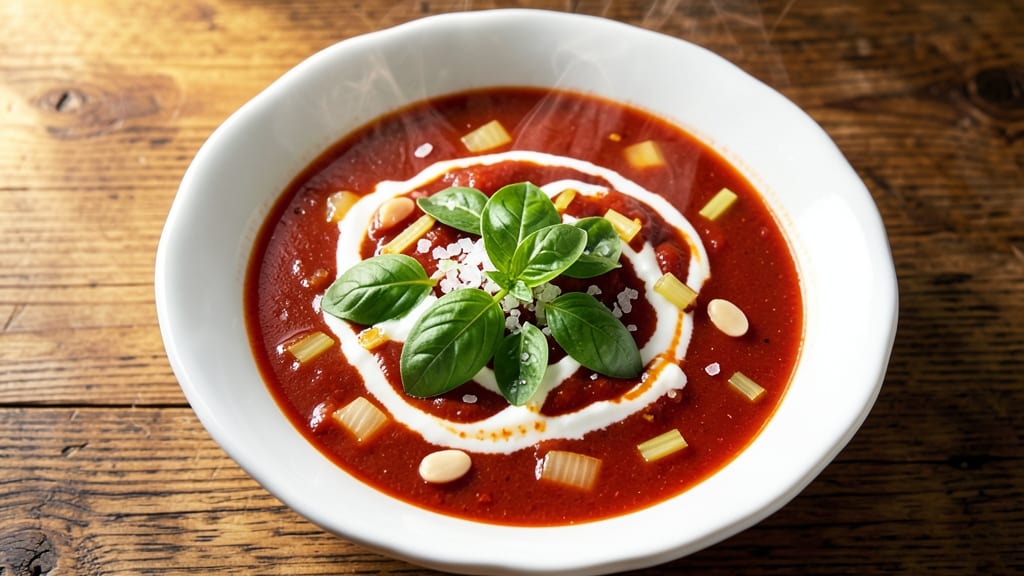
Transforming canned tomato sauce into a rich, umami-packed soup in just 25 minutes proves that pantry staples can deliver restaurant-quality results. The secret lies in balancing the acidity of the canned sauce with aromatic vegetables, herbs, and a touch of cream—creating depth without complexity.
I developed this recipe during a particularly busy week when I needed warmth on the table fast, and it became an instant weeknight favorite.
This soup builds on the natural sweetness and acidity of canned tomato sauce by infusing it with caramelized onions, garlic, and celery—a classic mirepoix that forms the flavor foundation.
A splash of heavy cream at the end adds velvety texture without overpowering the tomato's tang, while fresh basil and black pepper elevate it to something special. The process is straightforward: sauté, simmer, and blend (or leave chunky), then adjust seasoning to taste.
What you'll end up with is a velvety, aromatic soup that's deeply savory yet bright, with just the right balance of sweet and tangy notes. The texture is creamy but not heavy, and the aroma alone will fill your kitchen with warmth.
It's the kind of simple meal that feels indulgent—perfect for chilly evenings or when you crave comfort without fuss.
Serve with crusty bread for dipping or a sprinkle of grated parmesan for extra richness. The beauty of this recipe is its versatility: use it as a base for other soups, or enjoy it exactly as is. Here's how to make it—simple, satisfying, and ready in under half an hour.
Ingredients for canned tomato sauce soup
Pantry staples plus a few fresh touches—this soup comes together faster than you'd think.
| Ingredient | Amount | Notes |
|---|---|---|
| Canned Tomato Sauce 🍅 | 2 cups | High-quality, no added sugar |
| Yellow Onion 🧅 | 1 whole | Diced, medium size preferred |
| Celery Stalks 🥬 | 2 whole | Diced, stringy parts trimmed |
| Garlic Cloves 🧄 | 4 cloves | Minced, fresh preferred |
| Heavy Cream 🥛 | ½ cup | Full-fat for best texture |
| Fresh Basil Leaves 🌿 | ¼ cup | Chopped, stems removed |
| Vegetable Broth 💧 | 1 cup | Low-sodium preferred |
| Olive Oil 🫒 | 2 tbsp | Extra-virgin for richness |
| Salt 🧂 | 1 tsp | Kosher or sea salt |
| Ground Black Pepper 🌶️ | ½ tsp | Freshly ground preferred |
| Sugar 🍚 | 1 tsp | Balances acidity |
| Balsamic Vinegar 🍷 | 1 tbsp | For depth of flavor |
The canned tomato sauce is the star, so look for brands with no added sugar—Rao's or Muir Glen are my go-tos. They've got that deep, rich flavor that makes this soup sing. Fresh basil is ideal, but dried basil at one-third the amount works in a pinch. The onions and celery should be bright and crisp—no wilted or rubbery veggies here. If you're short on time, pre-chopped mirepoix mixes from the grocery store freezer section save you 10 minutes of prep. Just make sure they're not frozen solid when you grab them.
No heavy cream? Half-and-half or coconut milk adds creaminess, though the texture will be slightly lighter. Swap the balsamic vinegar for a splash of red wine if you've got it—Cabernet Sauvignon works great. The sugar balances the acidity, but if you're avoiding it, a pinch of honey or maple syrup does the trick. For extra umami, add a dash of soy sauce or Worcestershire sauce—just a teaspoon or two. The vegetable broth can be swapped for chicken broth if you prefer, but keep it low-sodium to avoid over-salting the soup.
This soup tastes even better the next day as the flavors meld together. Store leftovers in an airtight container in the fridge for up to 5 days. Freeze portions for up to 3 months—just thaw overnight in the fridge. I like to make a big batch and freeze extras for lazy weeknights. The basil wilts fast, so add it fresh at the end if you're reheating. For a quick lunch, serve with crusty bread or grilled cheese—the combo is unbeatable.
Why You'll Love This Recipe
- Pantry in Minutes: I swear by this when I’ve got nothing but a can of tomato sauce and a wilting onion in the fridge. Sauté those onions and celery until soft, add garlic, and pour in the sauce—boom, soup’s ready. No chopping mountains of veggies, no waiting for fresh ingredients to ripen.
- Creamy-Garlicky Magic: That heavy cream swirled into the rich tomato base? It’s what turns this into something special. The garlic cloves caramelize just enough to give it depth, while the cream smooths out the acidity—like a hug in a bowl.
- Weeknight or Potluck: I make this for lazy Tuesday dinners, but it’s also my go-to for bringing to book club or holiday gatherings. Serve it as-is with crusty bread, or toss in pasta for a one-pot wonder. It’s the kind of dish that feels fancy but takes zero effort.
- Budget-Friendly Leftovers: A single can of tomato sauce stretches into three meals for my family, and the cream makes it feel indulgent without breaking the bank. The flavors actually get better the next day—perfect for reheating with a sprinkle of cheese or a dollop of sour cream.
Step-by-step instructions for canned tomato sauce soup
Here's how to transform simple pantry staples into a rich, velvety tomato soup with depth.
Sauté the Vegetable Base
Heat the 2 tablespoons olive oil in a medium pot over medium heat. Add the 1 whole yellow onion and 2 whole celery stalks, both already diced. Cook for 5-6 minutes, stirring occasionally, until the vegetables soften and the onion becomes translucent. You'll notice the celery starts to release its aromatic oils—this is when you know it's ready for the next step.
Add the 4 cloves garlic cloves, minced, and cook for another 30 seconds until fragrant. Here's the thing—don't let the garlic brown or it'll turn bitter. Keep the heat at medium and stir constantly. This aromatic foundation is what gives your soup its rich, complex flavor profile.
Build the Tomato Base
Pour in the 2 cups canned tomato sauce and stir well to combine with the sautéed vegetables. Add the 1 cup vegetable broth and bring the mixture to a gentle boil. Once boiling, reduce the heat to low and let it simmer uncovered for 10 minutes. This allows the flavors to meld together and the sauce to thicken slightly.
After 10 minutes, stir in the 1 teaspoon sugar and 1 tablespoon balsamic vinegar. The sugar helps balance the acidity of the tomatoes while the balsamic vinegar adds a subtle tang that deepens the flavor. Taste the mixture—you should notice a more complex, well-rounded tomato flavor developing. If it needs more seasoning, add the 1 teaspoon salt and ½ teaspoon ground black pepper now.
Finish with Cream and Fresh Herbs
Reduce the heat to low and gently stir in the ½ cup heavy cream. Be careful not to let it boil vigorously, as this can cause the cream to curdle. Let the soup simmer for 3-4 minutes until it reaches your desired thickness. The cream should blend smoothly, creating a velvety texture that contrasts beautifully with the tomato base.
Remove the pot from heat and stir in the ¼ cup chopped fresh basil leaves. Let the soup sit for 2 minutes to allow the basil to infuse its bright, fresh flavor. Here's the moment that matters: taste and adjust the seasoning one final time. You might need a pinch more salt or pepper to balance the richness of the cream.
Serve Warm and Enjoy
Ladle the soup into bowls and serve immediately. The combination of the rich tomato base, velvety cream, and fresh basil creates a harmonious balance of flavors. Each spoonful should deliver the umami depth of the tomatoes, the smoothness of the cream, and the bright freshness of the basil.
For an extra touch, garnish with additional fresh basil leaves or a drizzle of high-quality olive oil. This soup is best enjoyed fresh, as the flavors continue to develop and meld together. If you prefer a thicker consistency, simmer it for an additional 2-3 minutes to reduce further, but be mindful not to let it curdle.
Pro Tips For Making Canned Tomato Sauce Soup
- Sweat, Don’t Burn: Onions and celery need to soften, not char—especially when you’re working with canned tomato sauce that’ll soak up any bitterness. Keep the heat at a steady medium and stir every 30 seconds until the onion is translucent and celery is fork-tender. I learned this the hard way when my first batch tasted like a campfire.
- Finely Dice That Garlic: Whole garlic cloves in this soup? They’ll just sit there like awkward guests. Mince them into tiny pieces so they dissolve completely into the sauce—this way, every spoonful gets that rich, aromatic punch. (Yes, even if you’re impatient like me, take the extra 30 seconds.)
- Temper the Cream: Cold heavy cream straight into hot soup? That’s how you end up with a broken sauce. Warm the cream slightly (just until it’s lukewarm) before stirring it in—this keeps the soup silky instead of curdled. My grandmother swore by this, and she was right: no one wants soup that looks like cottage cheese.
- Simmer, Don’t Boil: Once the cream hits the pot, drop the heat to a gentle simmer. Boiling will scramble the cream and make the soup taste thin and watery. A low, steady simmer for 5-7 minutes lets the flavors meld without wrecking the texture. (Your future self will thank you.)
Essential equipment for canned tomato sauce soup
Pot Selection
For this soup, I always reach for a medium-sized (3-4 quart) heavy-bottomed pot—like a Cuisinart MultiClad or All-Clad Stainless Steel. These pots distribute heat evenly, preventing hot spots that can scorch your tomato sauce.
A non-stick interior isn’t necessary, but it makes cleanup easier if you’re using a pot that’s not stainless steel. Avoid thin aluminum pots—they heat unevenly and can make your soup taste metallic. 🔥
Blender or Immersion Blender
If you prefer a smooth, velvety texture, an immersion blender is my go-to tool—it’s faster and easier to clean than transferring soup to a countertop blender. For a chunkier texture, skip blending entirely. If using a countertop blender, let the soup cool slightly first to avoid steam burns.
I love the Ninja BN601 for its power and ease of use, but any high-quality blender works. Safety first: never blend hot liquids in glass containers—they can shatter from thermal shock.
Wooden Spoon
A heat-resistant wooden spoon (like OXO Good Grips) is essential for stirring this soup without scratching your pot. Wood distributes heat better than metal and won’t react with acidic tomato sauce.
I also use it to scrape up any stuck-on bits at the bottom—those flavorful caramelized bits are too good to waste! For extra durability, choose a spoon with a wide, flat head that can handle scraping and stirring alike.
Fine-Mesh Strainer
If you’re straining the soup for an ultra-smooth finish, a fine-mesh strainer (like Heston Blumenthal’s or a stainless steel mesh sieve) works best. Line it with a cheesecloth if you want to remove even the finest particles.
I prefer straining when I’ve added fresh basil—it keeps the soup silky while removing tough stems. For a quicker method, just whisk vigorously to break up any basil stems instead of straining. 💫
Measuring Spoons & Ladle
Precision matters with seasonings like balsamic vinegar and sugar, so invest in a set of stainless steel measuring spoons (I use OXO Good Grips). A heatproof silicone spatula helps scrape every last drop of soup from the pot.
For serving, a slotted spoon lets you easily remove basil leaves or garnishes without overloading bowls. Pro tip: Keep a small ladle handy for tasting as you cook—it’s the best way to monitor seasoning.
Optional: Immersion Circulator
For a restaurant-quality finish, an immersion circulator (like Anova Nano) keeps the soup at a constant temperature while you blend or garnish. This prevents temperature fluctuations that can cause cream to separate or basil to wilt.
It’s overkill for most home cooks, but if you make soups often, it’s a game-changer. Even a simple thermometer (like ThermoWorks Thermapen) helps ensure your soup stays at the ideal 185°F for serving—hot enough to be safe but not scalding. ⚡
Nutrition facts
Frequently asked questions
Can I make this soup without heavy cream?
For a lighter version, use ½ cup half-and-half or ½ cup full-fat coconut milk instead. If you're avoiding dairy entirely, try ¼ cup cashew cream (blend soaked cashews with water) for richness. The texture will be slightly thinner but still delicious.
How do I fix my soup if it tastes too acidic?
If the tomato flavor is overwhelming, balance it with a pinch of sugar or honey (½ teaspoon at a time). For depth, add a splash of balsamic vinegar or a dash of soy sauce (½ teaspoon). Simmer for 2-3 minutes to let flavors meld before tasting again.
Can I add meat or beans to this recipe?
Yes! Brown ½ pound ground beef or ½ cup cooked white beans with the onions for extra protein. For Italian flair, add ½ cup diced pancetta or ½ cup cooked Italian sausage. Just adjust seasoning after adding meat—it can make the soup saltier.
Why did my cream separate when I added it?
This happens when the soup is too hot or boiling vigorously. Always reduce heat to low before adding cream, and stir gently. If it separates, whisk in 1 teaspoon cornstarch mixed with 1 tablespoon water and simmer for 1 minute to restore smoothness.
What's the best way to store leftovers?
Let the soup cool completely, then transfer to an airtight container. It keeps for 4-5 days in the fridge or 3 months in the freezer. For reheating, warm on the stove over medium-low heat and stir frequently. Add a splash of water if it thickens too much.