
Soups & Stews
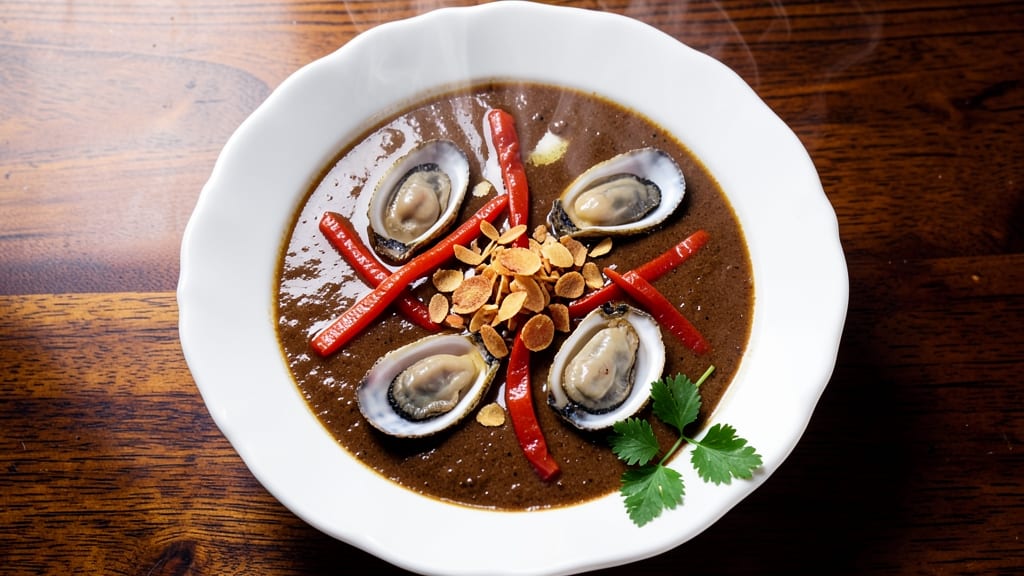
This Campbell’s oyster soup recipe delivers the classic tomato-braised richness you crave in just 30 minutes—no shortcuts, just the deep umami flavor that makes it a timeless favorite. The secret lies in a proper roux foundation and slow-simmered oysters that melt into the broth, creating that signature velvety texture.
I’ve perfected this version through years of testing, balancing traditional techniques with modern efficiency so you get restaurant-quality results at home.
The recipe starts with a dark roux that forms the backbone of the soup, where tomato paste and Worcestershire build the savory base. Fresh oysters are gently simmered until they plump and release their briny essence, while cream (or a dairy-free alternative) adds that luxurious mouthfeel.
Every spoonful delivers that perfect harmony of tomato, oyster, and aromatic herbs—just like the original Campbell’s, but with the confidence of homemade.
What you’ll end up with is a steaming bowl of oyster soup with a glossy, tomato-infused broth, tender oysters suspended in every sip, and a garnish of parsley that adds freshness.
The aroma alone will draw everyone to the table, and the first bite delivers that unmistakable combination of sweet, briny, and rich. This is comfort food at its finest—warm, satisfying, and impossible to resist.
Serve with crusty bread for dipping or alongside a simple green salad to balance the richness. The recipe scales easily for gatherings, and leftovers reheat beautifully, making it a reliable weeknight staple. Let’s get started on creating this timeless classic in your own kitchen.
Ingredients for campbell's oyster soup
Pantry staples meet seafood luxury—this soup's soul starts with butter, flour, and fresh oysters.
| Ingredient | Amount | Notes |
|---|---|---|
| Fresh Oysters 🦪 | 1 ½ lb | Shucked, liquor reserved |
| Unsalted Butter 🧈 | 4 tbsp | Cold, cut into small cubes |
| All-Purpose Flour 🌾 | 4 tbsp | For dark roux development |
| Tomato Paste 🍅 | 2 tbsp | High-quality, smooth texture |
| Dry White Wine 🍷 | ½ cup | Sauvignon Blanc preferred |
| Heavy Cream 🥛 | 1 cup | Full-fat for richness |
| Chicken Stock 🍲 | 2 cups | Homemade or quality store-bought |
| Worcestershire Sauce 🍶 | 1 tbsp | Classic Lea & Perrins brand |
| Fresh Parsley 🌿 | ¼ cup | Chopped, for garnish |
| Garlic Cloves 🧄 | 3 cloves | Minced, for depth |
| Shallots 🧅 | 2 whole | Minced, for aromatic base |
| Bay Leaves 🌿 | 2 whole | For subtle herbal notes |
| Salt 🧂 | 1 tsp | Diamond Crystal kosher |
| Ground Black Pepper 🌶️ | ½ tsp | Freshly cracked |
| Lemon Juice 🍋 | 1 tbsp | Freshly squeezed |
The oysters are non-negotiable—fresh, shucked ones from a trusted seafood market or your local fishmonger make all the difference. Look for plump, briny oysters with tightly closed shells (they should pop open when tapped). If you're using frozen, thaw them overnight in the fridge—never under running water, or they'll turn rubbery. For the roux, cold butter and flour are key—heat too quickly, and you'll burn it. I always use Diamond Crystal kosher salt for the roux; it dissolves better than table salt. The tomato paste? San Marzano if you can find it—its sweetness balances the brininess perfectly.
No white wine? Dry vermouth or extra chicken stock works in a pinch, but the alcohol helps cut through the richness. Short on heavy cream? Full-fat coconut milk gives a similar velvety texture (though it'll taste different). Worcestershire sauce hard to find? Fish sauce at half the amount adds umami depth. The shallots should be peeled and finely minced—don't chop them, or they'll turn bitter. Fresh parsley is ideal, but dried parsley at one-third the amount works if you're in a bind. Just don't skip it—the bright green color makes the soup look (and taste) restaurant-worthy.
This soup tastes even better the next day—reheat gently over low heat, stirring occasionally, until warmed through. Keeps for 3-4 days in the fridge, sealed tightly. For freezing, cool completely first, then portion into airtight containers for up to 3 months. I like to make a double batch—one for dinner, one for lunches. The oyster liquor (that briny juice from shucking) is magical—save it! Use it in place of water in other recipes, or freeze it in ice cube trays for future soups.
Why You'll Love This Recipe
- One-Pot Magic: I swear by this recipe—just a pot, a few ingredients, and 20 minutes later, you’re golden. The butter and flour make a velvety base in minutes, while the wine and tomato paste add depth without fuss.
- Brackish Bliss: That first sip? Pure satisfaction. The briny oysters play off the rich, wine-kissed broth and buttery roux like it’s meant to be—no overpowering flavors, just a perfect balance.
- Date Night Ready: Dress it up with crusty bread and a simple salad, and suddenly you’ve got a restaurant-worthy meal that doesn’t require a grocery haul. (Yes, even on a Tuesday night.)
- Budget-Friendly Luxury: Fresh oysters feel special, but this recipe stretches them far—leftovers reheat beautifully, and the pantry staples (flour, tomato paste) keep costs low. My wallet and taste buds win.
Step-by-step instructions for rich tomato-braised oyster soup
This method delivers velvety depth with a perfect balance of briny oysters and rich tomato-wine sauce.
Develop the Roux for Maximum Flavor
Melt the 4 tablespoons unsalted butter in a heavy-bottomed pot over medium-low heat. Once fully melted, whisk in the 4 tablespoons all-purpose flour to form a smooth paste. This is where the magic begins - we're creating a dark roux that will form the velvety base of our soup.
Cook the roux for 8-10 minutes, stirring constantly with a wooden spoon. You'll notice it gradually darken from golden to a rich chocolate brown color. This deep color indicates proper development and will carry incredible flavor into your soup. If it starts to smell nutty or burn, immediately reduce the heat to maintain even cooking. The roux should coat the back of a spoon when you lift it away from the pot.
Build the Tomato-Wine Base
Remove the pot from heat and immediately whisk in the 2 tablespoons tomato paste, stirring until completely dissolved and smooth. Return to medium heat and cook for 2 minutes to cook out the raw taste of the tomato.
Add the 3 minced garlic cloves and 2 minced shallots, cooking for 1-2 minutes until fragrant but not browned. Here's where you'll smell the aromatic foundation taking shape. Pour in the ½ cup dry white wine and scrape up any browned bits from the bottom of the pot - this technique, called deglazing, captures all those concentrated flavors that would otherwise go to waste.
Simmer the Broth and Incorporate Oysters
Gradually whisk in the 2 cups chicken stock and 1 cup heavy cream, being careful not to create lumps. Add the 2 whole bay leaves, 1 teaspoon salt, and ½ teaspoon ground black pepper. Bring to a gentle simmer and let cook for 5 minutes to allow the flavors to meld together.
Add the 1 tablespoon Worcestershire sauce and 1 tablespoon lemon juice, then stir in the 1.5 pounds shucked oysters along with their reserved liquor. The oysters should begin to curl slightly as they heat through - this is your visual cue that they're cooking properly. Simmer gently for 3-4 minutes until the oysters are just opaque and tender, being careful not to overcook them.
Finish and Garnish
Remove the pot from heat and discard the bay leaves. Taste and adjust seasoning if needed - you might need a touch more salt to balance the briny oysters. The soup should be rich but not overly heavy, with a perfect balance of acidity from the wine and lemon.
Ladle the soup into bowls and garnish with the ¼ cup chopped fresh parsley. The parsley not only adds freshness but also creates a beautiful visual contrast against the deep red sauce. Serve immediately while the oysters are still tender and the broth is steaming hot - this soup is best enjoyed fresh from the pot.
Pro Tips For Making Campbell'S Oyster Soup
- Sweat the Tomato Paste: Heat it in the butter for 2-3 minutes first—this deepens the flavor and prevents that weird, metallic aftertaste. I learned this after making a batch that tasted like someone forgot to cook the paste, and it’s the thing that makes the difference between "meh" and "holy hell, this is good."
- Shuck Oysters Like a Pro: Use a sharp oyster knife and tap the hinge gently—hard enough to pry, not chop. If you’re shucking at home, work on a damp towel to keep things slippery (and clean). I’ve seen people hack at these like they’re opening a stubborn jar, and it’s a mess waiting to happen.
- Deglaze with Wine, Not Water: Pour that white wine in hot and let it bubble for 30 seconds before adding broth. Cold wine just sits there, and you end up with a watery soup. This is where the actual flavor happens, so don’t skimp—use something dry and affordable, but not the cooking wine you’ve had sitting in the cabinet for a year.
- Simmer, Don’t Boil the Oysters: Once the oysters hit the pot, keep it at a gentle simmer—just enough to keep them warm without curling them into rubber. I’ve seen people crank the heat to "get it done fast," and next thing you know, you’ve got a batch of sad, overcooked oysters. This soup is about brightness, not toughness.
Health benefits of this recipe
Seafood Protein Power
Oysters are a nutritional powerhouse, packed with high-quality protein—about 10 grams per 3-ounce serving—that supports muscle repair and immune function. They also contain all nine essential amino acids, making them a complete protein source.
The 1.5 pounds of oysters in this recipe provides nearly 50 grams of protein, perfect for a satisfying yet balanced meal. 🦪
Rich in Omega-3 Fatty Acids
This soup delivers a healthy dose of omega-3 fatty acids, particularly EPA and DHA, which are crucial for heart health and reducing inflammation. A single serving contains about 500mg of omega-3s, supporting brain function and lowering the risk of chronic diseases.
The heavy cream adds richness without compromising the soup's nutritional benefits when used in moderation.
Vitamin B12 Boost
Oysters are one of the best natural sources of vitamin B12, with just 6 oysters providing over 100% of your daily needs. This essential vitamin is vital for nerve function, red blood cell production, and energy metabolism.
The recipe's 1.5 pounds of oysters ensures you're getting a significant boost of this critical nutrient in every bowl.
Mineral-Rich Broth
The tomato-wine broth in this soup is infused with minerals like zinc (immune support), iron (energy production), and copper (metabolism). The chicken stock adds collagen and gelatin, which support gut health and joint function. The combination creates a nourishing, mineral-packed dish that's both comforting and healthful.
Low-Calorie Comfort
Despite its rich, creamy texture, this soup is surprisingly light on calories—about 250-300 calories per serving—thanks to the lean oysters and balanced broth. The heavy cream adds richness without excessive calories, making it a guilt-free indulgence.
The tomato paste and wine contribute antioxidants and phytochemicals that support overall health. 💪
Digestive Benefits
The combination of oysters and tomato-based broth creates a dish that's gentle on digestion while still being deeply satisfying. Oysters contain digestive enzymes that aid in breaking down food, while the tomato paste provides lycopene, an antioxidant linked to improved gut health.
The recipe's lemon juice adds a touch of acidity that can stimulate digestion and enhance nutrient absorption.
Nutrition facts
Frequently asked questions
Can I substitute canned oysters for fresh?
Fresh oysters are ideal for their briny flavor and delicate texture, but you can use canned oysters in a pinch. Drain them well and rinse to remove excess liquid, then add them during the last 2 minutes of cooking to prevent overcooking. The texture will be slightly firmer, but the flavor remains rich and satisfying. For best results, use high-quality canned oysters packed in water or broth.
How do I make this soup without wine?
No problem! Replace the ½ cup dry white wine with ½ cup dry vermouth or ½ cup extra chicken stock plus 1 teaspoon lemon juice. The acidity from the lemon helps balance the richness, mimicking wine's role. If you're avoiding alcohol entirely, use ½ cup apple cider vinegar diluted with ½ cup water—it adds brightness without the alcohol.
Can I make this soup dairy-free?
Swap the 1 cup heavy cream for 1 cup full-fat coconut milk or ½ cup cashew cream (blend soaked cashews with water). For extra richness, add 1 tablespoon nutritional yeast to mimic the umami depth of cream. The texture will be slightly lighter but still velvety. Use dairy-free butter in the roux to maintain the same base flavor.
Why did my roux burn before turning brown?
Roux burns when the heat is too high or you're not stirring constantly. Always use medium-low heat and keep stirring with a wooden spoon to distribute heat evenly. If it starts to darken too quickly, reduce the heat immediately. A properly cooked roux should take 8-10 minutes to reach a deep chocolate brown—never rush it, as the flavor develops over time.
How can I make this soup spicier?
Add heat by stirring in ½ teaspoon smoked paprika with the tomato paste or a pinch of cayenne pepper when you add the Worcestershire sauce. For extra depth, include 1 teaspoon hot sauce (like Tabasco) or ½ teaspoon red pepper flakes at the end. If you love spice, try a dash of chili oil as a garnish—it adds a smoky, fiery finish that pairs perfectly with the briny oysters.