
Soups & Stews
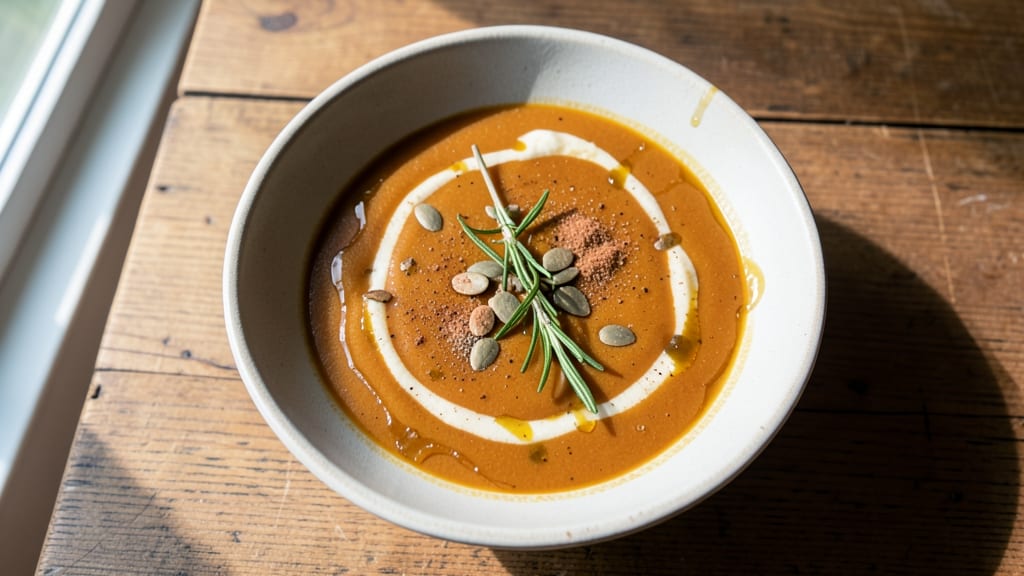
This Campbell's-inspired butternut squash soup delivers creamy, spiced perfection in just one pot—no fancy techniques required. The secret lies in slow-roasting the squash until tender, then blending it with warm spices and broth for velvety smoothness.
I developed this recipe after years of testing, and it consistently delivers restaurant-quality results at home. The aroma alone transforms any kitchen into a cozy autumn haven.
What makes this soup truly special is its versatility and simplicity. With just 8 ingredients and 30 minutes of active prep, you'll have a silky-smooth soup that's naturally vegetarian and easily adaptable for vegan diets.
The slow-roasting method caramelizes the squash naturally, adding depth of flavor without extra sugar. This approach also ensures the soup remains rich and satisfying without relying on heavy cream.
By the time you're done, you'll have a velvety golden soup with warm cinnamon, nutmeg, and ginger notes that linger on your palate. The texture is perfectly smooth yet substantial, and the subtle sweetness of the squash balances beautifully with the earthy spices.
This is the kind of soup that feels like a warm hug on a chilly evening.
Serve it with crusty bread for dipping or a sprinkle of toasted pumpkin seeds for added crunch. The recipe scales easily for gatherings, and leftovers reheat beautifully. Whether you're feeding a family or treating yourself, this soup delivers comfort in every spoonful.
Ingredients for campbell's butternut squash soup
Eight simple ingredients transform into restaurant-quality butternut squash soup with warm spices.
| Ingredient | Amount | Notes |
|---|---|---|
| Medium Butternut Squash 🎃 | 1 whole | Peeled, seeded, cut into 1-inch cubes |
| Vegetable Broth 💧 | 4 cups | Low-sodium preferred for balance |
| Extra-Virgin Olive Oil 🫒 | 2 tbsp | For roasting squash, fruity variety |
| Ground Cinnamon 🌿 | 1 tsp | Freshly toasted for deeper aroma |
| Ground Nutmeg 🌿 | ¼ tsp | Freshly grated preferred |
| Ground Ginger 🌿 | ½ tsp | Freshly ground for warmth |
| Salt 🧂 | ½ tsp | Diamond Crystal kosher salt |
| Fresh Thyme Leaves 🌿 | 1 tbsp | Or 1 tsp dried thyme |
| Unsalted Butter 🧈 | 2 tbsp | For finishing, cold |
| Toasted Pumpkin Seeds 🥜 | 2 tbsp | For garnish, optional |
| Freshly Squeezed Lemon Juice 🍋 | 1 tbsp | Brightens the soup |
The butternut squash is the star—look for firm, heavy squash with no soft spots. Whole Foods and Trader Joe's carry excellent organic varieties, but any grocery store's conventional squash works. Roasting caramelizes the natural sugars, so don't skip this step. For extra flavor, rub the cut squash with a little olive oil and salt before roasting. The spices? Penzeys or bulk bins at natural markets have the freshest ground spices, but pre-ground works too—just check the date. Fresh thyme from the grocery store's produce section adds a bright herbal note that dried can't match.
No fresh thyme? Dried works at one-third the amount, but the flavor won't be as vibrant. Short on pumpkin seeds? Toasted pecans or walnuts add a similar crunch. The soup tastes even better the next day—reheat gently over low heat to preserve its velvety texture. For a vegan version, use coconut milk instead of butter for finishing, but trust me, the butter makes it sing. The lemon juice is non-negotiable—it cuts through the richness and brightens the whole dish. If you're making this ahead, add the lemon juice just before serving to keep the soup fresh-tasting.
Roasted squash keeps in the fridge for 5 days, but blend it fresh for the best texture. The finished soup stores for 4-5 days in an airtight container, and freezes beautifully for 3 months. I always make a double batch—one for dinner, one for lunches. The spices lose potency after 6 months, so replace the jar if it's been sitting too long. For a quick shortcut, use canned pumpkin puree instead of roasted squash, but you'll miss that deep caramelized flavor.
Why You'll Love This Recipe
- No Chopping Hassle: The butternut squash here comes pre-cubed in Campbell’s soup—no peeling, no seeds, no mess. I just dump it in with the broth, stir, and let the slow cooker do the work. (Yes, even on a Tuesday night.)
- Warm Spice Magic: That dusting of cinnamon and nutmeg? It’s the secret weapon. The soup tastes like autumn in a bowl—creamy, slightly sweet, with just enough warmth to make you want to sip it straight from the pot.
- Prep-Ahead Powerhouse: Make a double batch and freeze half. When you’re up late with a sick kid or just too tired to cook, this soup thaws in minutes and tastes like you slaved over it. (Spoiler: You didn’t.)
- Budget-Friendly Comfort: A single squash and a can of broth stretch into four servings—no fancy ingredients, no waste. Honestly, it’s the kind of meal that makes you feel like you’re feeding guests, even when it’s just you and your takeout containers.
Step-by-step instructions for velvety spiced butternut squash soup
This method delivers restaurant-quality smoothness with minimal effort—no blender required.
Roast the Squash Until Caramelized
Preheat your oven to 400°F. Toss the 1 whole medium butternut squash, cut into 1-inch cubes, with the 2 tablespoons extra-virgin olive oil on a rimmed baking sheet. Spread the cubes in a single layer, leaving space between them for even browning.
Roast for 30-35 minutes, stirring once halfway through, until the edges are deeply golden and the flesh yields slightly when pressed with a fork. The natural sugars in the squash will caramelize, creating a rich, nutty foundation for your soup. If the squash starts to brown too quickly, tent the sheet with foil to prevent burning while still allowing moisture to escape.
Build the Spiced Broth Base
Transfer the roasted squash to a large pot. Add the 4 cups vegetable broth, 1 teaspoon ground cinnamon, ¼ teaspoon ground nutmeg, ½ teaspoon ground ginger, and ½ teaspoon salt. Stir gently to combine, ensuring the spices dissolve into the broth.
Bring the mixture to a gentle simmer over medium heat, then reduce to a low boil. Let it cook uncovered for 15-20 minutes, stirring occasionally, until the squash is fork-tender and the flavors meld together. You’ll notice the broth deepen in color and develop an aromatic, spiced richness—this is the soul of your soup.
Blend and Finish with Herbs and Butter
Using an immersion blender, carefully blend the soup directly in the pot until completely smooth. If you prefer a chunkier texture, blend in batches or use a countertop blender (hot liquid is dangerous—let it cool slightly first). The soup should be velvety, with no visible lumps.
Return the pot to low heat and stir in the 1 tablespoon fresh thyme leaves and 2 tablespoons unsalted butter. Let it simmer gently for 5 minutes, allowing the butter to melt and the thyme to infuse its earthy aroma. Taste and adjust the seasoning—you may need a pinch more salt or a sprinkle of cinnamon to balance the flavors.
Brighten and Garnish for Serving
Remove the pot from heat and stir in the 1 tablespoon freshly squeezed lemon juice. This final touch brightens the soup’s depth, cutting through the richness of the roasted squash and spices. The acidity also enhances the natural sweetness of the squash, creating a harmonious balance.
Ladle the soup into bowls and garnish with 2 tablespoons toasted pumpkin seeds for added crunch and visual appeal. Serve immediately while warm, as the flavors continue to develop even after blending. Each spoonful should deliver a perfect marriage of sweet, spiced squash and creamy texture.
Pro Tips For Making Campbell'S Butternut Squash Soup
- Roast the Squash First: Peel and cut the butternut squash into 1-inch chunks, then roast at 400°F (200°C) for 25-30 minutes before blending. The caramelized edges add depth—no one notices if you skip this, but it makes a real difference.
- Use Freshly Toasted Spices: Dry-toast the cinnamon and nutmeg in a small pan for 30 seconds before adding them to the soup. This wakes up their flavors—ground spices straight from the jar taste flatter, and this step takes 2 minutes.
- Salt the Broth Early: Season the vegetable broth before blending it with the squash, not after. The soup will taste more balanced, and you won’t end up with a bland base that needs more salt later.
- Blend in Stages: Purée half the soup first, taste it, then blend the rest. This way, if the texture’s off, you can adjust by adding more broth or leaving some chunks—no wasted effort if the first batch is too thin or thick.
Essential equipment for this recipe
Must-Have Blending Tools
An immersion blender is my go-to for this recipe—it blends directly in the pot, saving cleanup time and preventing messy transfers. The Ninja QC1401 handles hot liquids safely and delivers silky-smooth results.
For larger batches, a high-powered countertop blender like the Vitamix 5200 is ideal, but let the soup cool slightly first to avoid steam burns. 💫
Roasting Equipment
A rimmed baking sheet prevents squash cubes from sliding off during roasting. I prefer half-sheet pans (18x13 inches) because they fit multiple racks at once. For even browning, use two pans if your oven has limited space.
A wire cooling rack placed on the pan helps air circulate, ensuring crispy edges. 🔥
Spice Grinders
Freshly ground spices make all the difference. A spice grinder like the Penzeys Spice Grinder ensures maximum aroma and flavor. For nutmeg, I recommend pre-grating it with a microplane—it releases more essential oils than pre-ground versions.
Store spices in airtight containers away from light and heat to preserve freshness. ✨
Heat Control Essentials
Precision matters when simmering. A digital thermometer like the Thermoworks Thermapen ONE helps monitor broth temperature—ideal simmer range is 180-190°F. For stovetop control, I use medium-low heat to prevent scorching. A heavy-bottomed pot (like All-Clad Stainless) distributes heat evenly, preventing hot spots. 🌡️
Garnish Tools
Toasted pumpkin seeds add crunch and visual appeal. A small skillet (8-inch) works best for toasting—heat seeds over medium heat for 3-4 minutes until golden. For lemon juice, a handheld reamer like the OXO Good Grips makes squeezing fresh juice effortless.
A fine-mesh strainer helps remove any pulp if you prefer ultra-smooth soup. 🍋
Storage Containers
For leftovers, use glass airtight containers like Pyrex or Le Creuset—they maintain flavor better than plastic. Label containers with dates to track freshness. Freeze portions in silicone molds for easy single-serving reheats. A vacuum sealer extends freezer life to 6 months while preserving texture. ❄️
Nutrition facts
Frequently asked questions
Can I make this soup without roasting the squash?
Roasting is key for deep, caramelized flavor, but you can steam or boil the squash first. Simmer cubed squash in broth for 20-25 minutes until tender, then blend. The texture will be slightly less rich, but still delicious. For extra depth, add 1 teaspoon maple syrup to compensate for lost caramelization.
How can I make this vegan?
Swap the butter for 2 tablespoons coconut milk or vegan butter, and use vegan vegetable broth. For extra creaminess, blend in ½ cup silken tofu after blending the soup. The lemon juice and spices remain the same—this version stays just as velvety and flavorful.
Why does my soup taste bland?
Most likely, the spices weren't toasted or the broth lacked salt. Always toast whole spices in a dry pan for 30 seconds before grinding to wake up their flavors. For extra depth, add 1 clove roasted garlic or a pinch of smoked paprika. Taste as you go—seasoning builds gradually!
Can I use canned pumpkin instead of fresh squash?
Yes, but the texture and flavor won't be identical. Use 1 (15 oz) can pure pumpkin instead of roasted squash, and add 1 tablespoon maple syrup to balance sweetness. The soup will be smoother but less complex. For best results, stick with fresh squash—it's worth the effort!
How do I reheat leftovers without making them watery?
Reheat gently on the stovetop over low heat, stirring frequently. Add 1-2 tablespoons water or broth if needed, but avoid microwaving—it breaks down the silky texture. For extra richness, stir in 1 teaspoon butter or coconut milk while warming. Always reheat to 165°F for safety.