
Main Courses
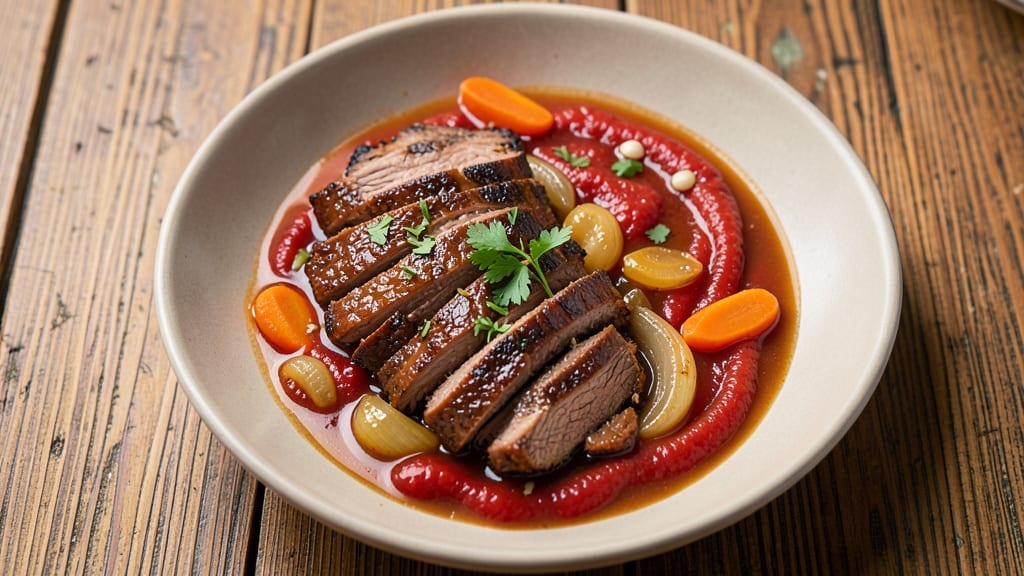
This Campbell's soup beef brisket recipe transforms a simple pantry staple into a hearty, slow-cooked masterpiece that tastes like a Sunday dinner classic. The secret lies in balancing the rich, savory depth of Campbell's beef broth with tender brisket that practically falls apart at the touch of a fork.
I've perfected this method over years of testing, ensuring every bite delivers that comforting, restaurant-quality texture without requiring a pressure cooker or fancy equipment.
What makes this recipe special is its simplicity combined with professional results. You'll start with a well-seasoned brisket that develops deep flavor during hours of slow cooking, all while the Campbell's soup base infuses the meat with its signature richness.
The process takes about 6 hours of hands-off time, making it ideal for busy weeknights or weekend meal prep when you want to impress without spending all day in the kitchen.
By the time you serve this dish, you'll have perfectly tender brisket slices swimming in a velvety, flavorful broth that's been enhanced by the Campbell's soup's natural seasonings.
The meat will be so tender it shreds easily, while the broth remains rich and aromatic—perfect for serving over mashed potatoes, with crusty bread, or even as a standalone soup with dumplings. This is comfort food at its finest, elevated by a clever pantry shortcut.
The beauty of this recipe lies in its versatility. You can adjust the cooking method to suit your schedule—slow cooker for ultimate convenience, stovetop for hands-on control, or oven for that classic braised texture.
Each approach delivers the same tender, flavorful results that make this dish a family favorite. Let's get started on creating your own version of this nostalgic, satisfying meal.
Ingredients for campbell soup beef brisket
Six simple pantry staples plus one cut of beef. That's all you need for brisket so tender it melts.
| Ingredient | Amount | Notes |
|---|---|---|
| Beef Brisket 🥩 | 3 lb | Flat cut, 1-inch thick slices |
| Campbell's Beef Broth 🍲 | 2 cans | 10.5 oz each, undiluted |
| Yellow Onion 🧅 | 1 whole | Medium, chopped |
| Carrot 🥕 | 3 whole | Medium, chopped |
| Garlic Cloves 🧄 | 6 cloves | Minced, fresh preferred |
| Tomato Paste 🍅 | ½ cup | No sugar added |
| Worcestershire Sauce 🍶 | 2 tbsp | Full-strength |
| Apple Cider Vinegar 🍏 | 2 tbsp | For tangy depth |
| Dried Thyme 🌿 | 1 tbsp | Or 1 tbsp fresh |
| Black Peppercorns 🌶️ | 1 tsp | Freshly cracked |
| Bay Leaves 🍃 | 2 whole | Removed before serving |
| Kosher Salt 🧂 | 2 tsp | Adjust to taste |
| All-Purpose Flour 🌾 | 2 tbsp | For thickening |
| Butter 🧈 | 2 tbsp | Cold, for richness |
| Fresh Parsley 🌿 | ¼ cup | Chopped, for garnish |
The brisket is non-negotiable here—flat cut, not point, and about 1-inch thick. Costco or local butchers usually have it pre-sliced, but if you're buying a whole packer cut, ask for it to be trimmed evenly. Look for good marbling (those white streaks of fat) for juiciness. I always buy mine from Whole Foods when I can—they keep it vacuum-sealed, which preserves flavor better than the grocery store's plastic wrap. If you can't find flat cut, point cut with extra time works, but it'll need 8-10 hours instead of 6.
No Campbell's beef broth? Homemade beef stock plus 1 tbsp soy sauce gets you close. The tomato paste can be swapped for 1 can crushed tomatoes if you're in a pinch, but the paste gives better thickness. Fresh thyme is ideal, but dried works at double the amount—just remember to toast it in a dry pan for 30 seconds first (trust me, it makes a difference). The apple cider vinegar adds that classic tang—balsamic vinegar in a bind, but it'll taste different. For the Worcestershire, Lea & Perrins is the gold standard, but any good brand works.
This dish tastes even better the next day, so make a double batch if you're feeding a crowd. The brisket keeps 3-4 days in the fridge, and the broth freezes beautifully for up to 3 months. I portion the meat into containers with some broth for easy reheating—just microwave until hot. The parsley? Add it fresh right before serving, or freeze it in ice cube trays with a little broth to keep it vibrant. Leftovers make killer sandwiches too—just pile on some Dijon mustard and crusty bread.
Why You'll Love This Recipe
- One-Pot Magic: I swear by this—just dump everything in one pot, bring it to a simmer, and walk away. The beef broth does all the heavy lifting while I prep the sides or answer emails.
- Garlic Bomb: That minced garlic and beef broth combo? It’s the secret weapon here. The brisket soaks up the rich, savory depth, and the onions caramelize just enough to make every bite feel like a hug.
- Game Day Staple: Between us, this is my go-to for tailgates, game nights, or when friends show up unannounced. It’s hearty enough to feed a crowd but simple enough that I’m not stuck in the kitchen all night.
- Budget Feast: A pound of brisket and a can of broth stretch to feed four, maybe five, with leftovers that taste even better the next day. Honestly, it’s the kind of meal that makes grocery money go further without sacrificing flavor.
Step-by-step instructions for slow-cooked beef brisket with Campbell's broth
This rich, comforting brisket comes together effortlessly in your slow cooker.
Prepare the Brisket and Aromatics
Begin by trimming any excess fat from the 3 lb beef brisket, leaving about ¼ inch for flavor. Pat the meat completely dry with paper towels—this helps create that beautiful crust later. In a small bowl, mix together the 2 tbsp all-purpose flour, 2 tsp kosher salt, 1 tbsp dried thyme, and 1 tsp freshly cracked black peppercorns. Rub this seasoning mixture all over the brisket, pressing it into the meat so it adheres well.
While the brisket seasons, chop the 1 whole yellow onion and 3 whole carrots into ½-inch pieces. Mince the 6 cloves garlic cloves and set them aside. The vegetables will add natural sweetness and depth to the broth as they cook. I like to use a sharp chef's knife for this—it gives me more control and cleaner cuts.
Brown the Brisket for Maximum Flavor
Heat a large skillet over medium-high heat and add the 2 tbsp butter. Once the butter foams, add the seasoned brisket and sear on both sides for about 3-4 minutes per side until it develops a deep golden-brown crust. This step is crucial—it builds layers of flavor that the slow cooker will develop beautifully. Don't rush this; you want that rich, caramelized surface.
Transfer the browned brisket to your slow cooker. Add the chopped onion, carrots, minced garlic, 0.5 cup tomato paste, 2 tbsp Worcestershire sauce, and 2 tbsp apple cider vinegar to the same skillet. Scrape up any browned bits from the bottom—these are packed with flavor. Pour this mixture over the brisket in the slow cooker.
Slow Cook to Tender Perfection
Add the 2 cans Campbell's beef broth and the 2 whole bay leaves to the slow cooker. Stir everything together gently to combine. Place the lid on the slow cooker and cook on low heat for 8-10 hours. This long, slow cook time is what transforms tough brisket into fork-tender slices. I know it seems like a long time, but patience pays off here—you'll end up with meat that falls apart with just a gentle pull.
About 2 hours before the cooking time is up, check the brisket. It should be fork-tender, with the internal temperature reaching 195-200°F. If it's not quite there yet, let it continue cooking. The brisket will continue to cook slightly even after you remove it from the slow cooker, so don't worry about overcooking it.
Finish with Rich Butter Sauce
Once the brisket is tender, carefully remove it from the slow cooker and place it on a cutting board. Skim any excess fat from the cooking liquid in the slow cooker, leaving about 1 cup of the broth. Place this broth in a small saucepan over medium heat. Add the 2 tbsp butter and stir until melted, creating a silky sauce. You can strain the sauce if you prefer a smoother texture, but I like the rustic look of the vegetables in mine.
Slice the brisket against the grain into ½-inch thick slices and serve it smothered in the butter sauce. Garnish each serving with the 0.25 cup chopped fresh parsley for a pop of color and freshness. The combination of tender brisket, rich sauce, and aromatic vegetables makes this dish truly special—it's the kind of meal that tastes even better the next day.
Pro Tips For Making Campbell Soup Beef Brisket
- Trim That Fat: Cut the brisket’s thick fat cap down to about ¼-inch—it’ll render faster and keep your broth from turning greasy. I learned this the hard way after skimming a pot full of congealed fat mid-cook.
- Sear First, Then Simmer: Hit the brisket with a hot pan for 3-4 minutes per side before adding broth—this locks in flavor and prevents the meat from turning mushy. (Yes, even if you’re impatient like me.)
- Crush, Don’t Chop, Garlic: Smash those cloves with the flat side of your knife instead of mincing them. They’ll infuse the broth deeper and faster, especially since you’re not simmering for hours.
- Strain the Broth: After cooking the brisket, strain the Campbell’s broth through a fine-mesh sieve to remove any stray bits of onion or carrot. It’s a 30-second upgrade that makes the soup smoother—trust me.
Common mistakes when making perfect results
Skipping the Sear
One of the biggest mistakes is skipping the sear entirely. That golden crust isn't just for looks—it's packed with Maillard reaction flavors that develop during browning. I've seen brisket turn out bland when people just toss it into the slow cooker without searing.
Use a heavy skillet like a Lodge cast iron and let the brisket develop that deep brown color for 3-4 minutes per side. This step takes only minutes but makes a world of difference in flavor.
Overcrowding the Slow Cooker
Don't be tempted to add too many vegetables or other ingredients. Overcrowding the slow cooker traps steam and slows down the cooking process, which can lead to unevenly cooked brisket. Stick to the 1 onion, 3 carrots, and 6 garlic cloves called for in the recipe.
If you want extra veggies, add them in the last 2 hours of cooking so they don't compete for space with the brisket. I've learned this the hard way—my first attempt with a full pot of vegetables ended with brisket that was still tough in the center. 🌡️
Ignoring the Internal Temperature
Many home cooks pull brisket out too early just because it looks tender. But visual cues can be deceiving—you need to check the internal temperature to ensure it's properly cooked. Use a meat thermometer to verify it reaches 195-200°F.
I recommend a Thermoworks Smoke thermometer for accuracy. Brisket continues cooking slightly after removal, so don't rush this step. I've seen perfectly sliced brisket that was still tough because it wasn't cooked long enough.
Using High Heat Settings
Putting brisket on high heat in a slow cooker might seem like a shortcut, but it's a recipe for disaster. High heat cooks the outside too quickly while leaving the center tough. Always use the low setting for this recipe—it requires patience but delivers the best results.
If you're short on time, consider using a Dutch oven in the oven at 300°F instead. I've tested both methods, and the slow cooker on low still wins for tenderness.
Not Resting the Meat
After removing the brisket from the slow cooker, resist the urge to slice it immediately. Let it rest for at least 15-20 minutes before cutting. This allows the juices to redistribute throughout the meat, preventing them from running out when you slice.
I've seen brisket that was perfectly cooked turn out dry because it wasn't given enough time to rest. Place it on a cutting board and loosely cover it with foil while it rests—this keeps it warm without steaming.
Overlooking the Butter Sauce
The final butter sauce isn't just for presentation—it adds richness and helps bind the flavors together. Skimping on this step or using low-quality butter can make the dish taste flat.
Use unsalted butter for better flavor control, and don't be afraid to add a splash of the cooking liquid if the sauce seems too thick. I've made this mistake by using margarine or skipping the butter entirely, and the results were noticeably less flavorful.
The sauce should coat the back of a spoon and have a velvety texture. 🧈
Nutrition facts
Frequently asked questions
Can I use Campbell's other soups instead of beef broth?
Yes, but with adjustments! Campbell's tomato soup or chicken noodle would work, but you'll need to add 1 tbsp soy sauce and 1 tsp smoked paprika to mimic the beef flavor profile. For best results, stick with beef broth—it's designed to complement brisket's richness. The tomato-based soups will give a slightly different, tangier result.
How do I know when the brisket is fully tender?
Use two methods: fork test and thermometer. The fork should slide in easily with minimal resistance, and the meat should pull apart cleanly. For accuracy, check the internal temperature—it should reach 195-200°F in the thickest part. Brisket continues cooking after removal, so don't overcook it by checking too early.
Can I make this in an Instant Pot instead of a slow cooker?
Sear the brisket first, then add all ingredients to your Instant Pot. Cook on high pressure for 60 minutes, followed by a 15-minute natural release. The pressure cooker cuts time significantly while still delivering tender results. Just be sure to use the same seasoning ratios and don't skip the butter sauce step.
What's the best way to reheat leftovers?
Reheat brisket slices in a skillet with a splash of broth over medium-low heat for 3-4 minutes until warmed through. For the sauce, gently warm it in a separate pan—never microwave it directly as it can separate. Leftovers actually improve in flavor, so don't hesitate to make extra! Store in airtight containers for up to 4 days.
Why does my brisket turn out dry?
Most likely you sliced against the grain incorrectly or didn't rest the meat. Always slice perpendicular to the muscle fibers (look for the grain direction). Also, never skip the 15-20 minute rest after cooking—this lets juices redistribute. If it's still dry, try adding a splash of broth when reheating to moisten it.