
Soups & Stews
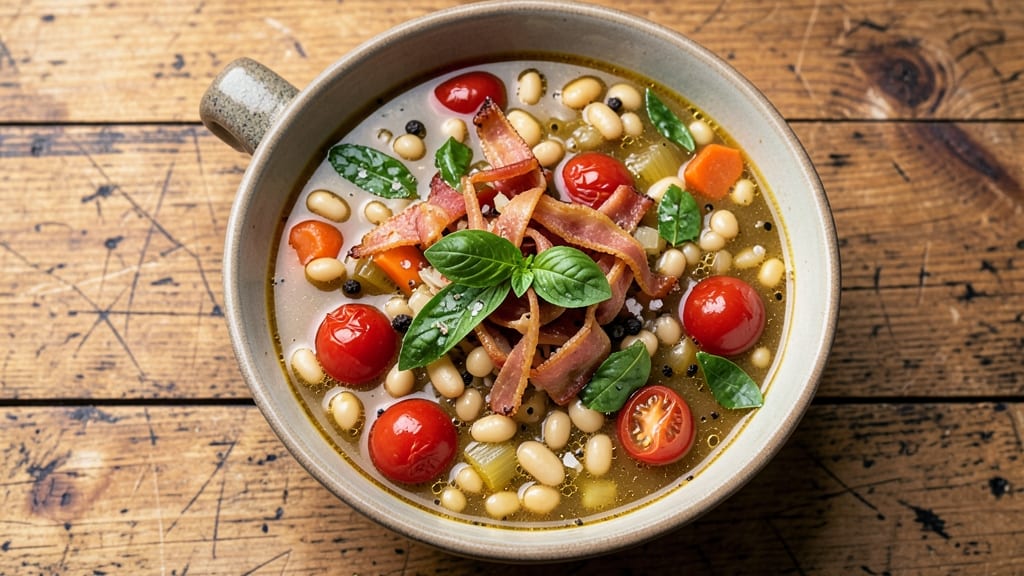
Biaggi's minestrone soup recipe delivers the soul-warming, vegetable-packed comfort of Italy's most beloved rustic stew. This hearty vegetarian classic transforms simple ingredients into a symphony of flavors—earthy beans, tender greens, and aromatic herbs—all simmered in a rich, savory broth that tastes even better the next day.
The key lies in proper layering: first caramelizing onions and garlic, then building depth with tomatoes and herbs before adding vegetables and beans for a perfect balance of textures and tastes.
What sets this recipe apart is its adaptability—whether you're using fresh seasonal vegetables or pantry staples, the technique remains the same. The slow simmer allows flavors to meld beautifully, while the addition of pasta or rice at the end creates the ideal consistency.
Most importantly, this isn't just another minestrone; it's a dish that carries the tradition of Italian home cooking, where every spoonful tells a story of warmth and generosity.
The result is a soup that's as nourishing as it is delicious—packed with protein-rich beans, fiber-rich vegetables, and a broth so flavorful it becomes the star.
The perfect combination of crisp-tender vegetables, creamy beans, and al dente pasta makes this more than just a meal; it's an experience that brings people together. Ready in about an hour, it's ideal for weeknight dinners or meal prep for busy schedules.
This recipe also works beautifully in a slow cooker, making it even more convenient for modern lifestyles. Whether you're serving it to family or sharing with friends, each bowl delivers that comforting, home-cooked essence that makes minestrone a timeless favorite.
Let's get started on creating your own version of this Italian classic.
Ingredients for biaggi's minestrone soup
Six servings of rustic Italian comfort—where earthy beans meet vibrant vegetables in a savory symphony.
| Ingredient | Amount | Notes |
|---|---|---|
| Yellow Onions 🧅 | 2 whole | Diced, medium size preferred |
| Garlic Cloves 🧄 | 4 cloves | Minced, fresh preferred |
| Extra-Virgin Olive Oil 🫒 | ½ cup | High quality, fruity |
| Canned San Marzano Tomatoes 🍅 | 2 cans | 28 oz each, crushed by hand |
| Vegetable Broth 💧 | 4 cups | Homemade or quality low-sodium |
| Carrots 🥕 | 3 medium | Peeled, cut into 1/2-inch pieces |
| Celery Stalks 🧅 | 3 whole | Diced, leafy tops trimmed |
| Zucchini 🥒 | 2 medium | Sliced into 1/2-inch rounds |
| Dried Cannellini Beans 🌾 | 1 ½ cups | Soaked overnight, drained |
| Ditalini Pasta 🍝 | 1 cup | Uncooked, al dente preferred |
| Fresh Parsley 🌿 | ¼ cup | Chopped, stems removed |
| Fresh Basil 🌿 | ¼ cup | Chopped, for garnish |
| Bay Leaves 🍃 | 2 whole | Dried, removed before serving |
| Dried Oregano 🌶️ | 1 tsp | Italian preferred |
| Sea Salt 🧂 | 1 ½ tsp | Diamond Crystal preferred |
| Black Pepper 🌶️ | ½ tsp | Freshly ground |
| Red Wine Vinegar 🍷 | 1 tbsp | For brightness |
The foundation begins with San Marzano tomatoes—their sweet, low-acid profile is non-negotiable for authentic flavor. Whole Foods or specialty Italian markets carry the best cans, but any high-quality brand works. For the beans, cannellini provides that creamy texture, but great northerns or kidney beans add variety. Fresh herbs elevate this dish; Italian markets often sell bundles of parsley and basil at better prices than grocery stores. The onions and celery should be fresh, crisp—no wilted stalks or rubbery textures. For the broth, Homemade is ideal, but quality low-sodium store-bought brands like Pacific Foods or Imagine save time without sacrificing flavor.
No fresh herbs? Dried oregano at one-third the amount works in a pinch, though fresh basil and parsley add that bright Italian touch. Substituting beans? Lentils or chickpeas hold up well, though cannellini's creaminess is ideal. Short on tomatoes? Tomato paste (1 tbsp) intensifies the flavor—just dilute with extra broth. The zucchini can be swapped for yellow squash or green beans, but keep the total vegetable volume consistent. For a deeper umami profile, add 1 tsp miso paste when combining the broth and tomatoes. The pasta? Ditalini or small shells work best, but any short pasta shape fits the rustic aesthetic.
This soup improves with time—reheat gently with extra broth to maintain texture. Store in airtight containers for 4-5 days in the fridge or 3 months frozen. For meal prep, portion before adding pasta to prevent mushiness. The beans and vegetables can be prepped ahead and refrigerated separately for 2 days before simmering. Leftovers reheat beautifully—add a splash of broth if the soup thickens. For serving, toss with fresh basil and a drizzle of extra-virgin olive oil to brighten the flavors.
Why You'll Love This Recipe
- Throw-in-the-Tomatoes Easy: I swear, this soup comes together faster than my coffee order at the drive-thru. Sauté onions and garlic in olive oil, toss in crushed San Marzano tomatoes—boom—half the work is done. No fancy techniques, no stress, just good soup.
- San Marzano Magic: That canned tomato flavor? It’s the secret weapon. The San Marzano’s natural sweetness pairs perfectly with the deep, savory broth, and the garlic? Oh, it caramelizes just enough to make every bite feel like a hug.
- Leftovers That Beg for More: Between us, this soup only gets better the next day. The flavors meld overnight, and I’m always scrambling to reheat it before my kids finish their homework. (Yes, even on a Tuesday night.)
- Budget-Friendly Crowd-Pleaser: One onion, a few cloves of garlic, and a can of tomatoes stretch into six servings. It’s my go-to for game nights, potlucks, or when I’m broke but still need to feed people. No one leaves hungry.
Step-by-step instructions for biaggi's minestrone soup
A true Italian vegetable and bean stew requires patience and layering of flavors. Here's how to build depth through proper technique and timing.
Sauté the Base Vegetables
Heat the 0.5 cup extra-virgin olive oil in a large Dutch oven over medium heat until shimmering but not smoking. Add the 2 whole diced yellow onions and 3 whole diced celery stalks, cooking for 5-6 minutes until softened and translucent. You'll smell their sweetness intensify as they release moisture.
Add the 3 medium peeled and cut carrots and continue cooking for another 3-4 minutes until the carrots begin to caramelize slightly at the edges. This foundational cooking develops the soup's sweet-savory base. If the vegetables stick, add a splash of vegetable broth to deglaze and scrape up any browned bits from the bottom of the pot.
Develop the Flavor Foundation
Stir in the 4 cloves minced garlic and cook for 30 seconds until fragrant—don't let it brown or it will turn bitter. Add the 1 tsp dried oregano, 2 whole bay leaves, and 1.5 tsp sea salt, stirring to combine. Pour in the 2 cans crushed San Marzano tomatoes and 4 cups vegetable broth, scraping the bottom again to incorporate all the flavorful bits.
Bring the mixture to a gentle boil, then reduce heat to medium-low and simmer uncovered for 15 minutes. This initial simmer allows the tomatoes to break down and the flavors to meld. The soup should smell rich and aromatic—like a warm Italian garden. Here's the thing—don't skip this step. Rushing this stage results in flat, one-dimensional flavor.
Add Beans and Simmer
Add the 1.5 cups soaked and drained cannellini beans and 2 medium sliced zucchini to the simmering soup. Stir gently to combine, then reduce heat to low and simmer uncovered for another 15-20 minutes until the beans are tender but still hold their shape. The zucchini should soften but maintain some bite—this balance is crucial for texture.
Taste the soup and adjust seasoning if needed. Add a pinch more sea salt or 0.5 tsp black pepper if the flavors feel muted. I often add a splash of 1 tbsp red wine vinegar at this stage for brightness—it cuts through the richness and adds complexity. The beans should be fork-tender but not falling apart; if they're still too firm, simmer for another 5-10 minutes.
Finish with Pasta and Fresh Herbs
Add the 1 cup uncooked ditalini pasta to the soup and cook for 8-10 minutes until al dente. The pasta should absorb just enough liquid to cook through while maintaining a slight bite. If the soup becomes too thick before the pasta is done, add ½ cup hot vegetable broth to maintain the proper consistency.
Once the pasta is cooked, remove the 2 whole bay leaves and stir in the 0.25 cup chopped fresh parsley and 0.25 cup chopped fresh basil. These herbs add vibrant color and freshness that brightens the rich flavors. Taste again and make any final adjustments—perhaps a touch more salt or a squeeze of lemon if you like. The soup should be hearty but not overly thick, with each ingredient distinctly present.
Rest and Serve
Let the minestrone rest for 10 minutes off the heat before serving. This resting period allows the flavors to fully meld and the soup to thicken slightly as the starches from the vegetables and pasta set. Ladle into bowls and garnish with additional chopped fresh basil if desired.
Each spoonful should deliver a perfect balance of textures—tender beans, al dente pasta, and slightly crisp vegetables—with layers of sweet tomatoes, earthy herbs, and bright acidity. The beauty of this soup lies in its simplicity and the way each ingredient contributes to the whole. Serve with crusty bread to soak up every last drop of that flavorful broth.
Pro Tips For Making Biaggi'S Minestrone Soup
- CRISP THE ONIONS FIRST: Sauté the yellow onions in olive oil until they’re deep golden—not just soft, but caramelized with a slight crisp at the edges. I used to rush this, and the soup always tasted dull. Take the 5 extra minutes; it’s the base flavor.
- SMASH THE GARLIC: After mincing the garlic, smash the cloves flat with the side of your knife first. This releases more aroma and flavor without burning. Trust me, your soup will taste richer—it’s a tiny effort for a big payoff.
- SIMMER THE TOMATOES LOW: Once you add the San Marzano tomatoes, keep the heat at a gentle simmer (not a rolling boil) to preserve their natural sweetness. Boiling too hard turns them bitter, and you’ll lose that bright acidity that makes this soup shine.
- SALT THE BROTH EARLY: Season the vegetable broth before adding it to the pot—it’s the thing that matters most for depth. If you wait, you’ll end up guessing how much to add later. Start with 1½ teaspoons per quart, then adjust.
Serving suggestions for this biaggi's minestrone soup
Crusty Bread Pairing
This soup's hearty texture and rich broth make it the perfect match for crusty Italian bread like ciabatta or a rosemary focaccia. The bread soaks up the flavorful broth beautifully while adding a satisfying crunch.
I like to toast slices in the oven at 375°F for 5-7 minutes until golden and crisp. For extra flair, rub the warm bread with a garlic clove before serving. 🥖
Cheese Toppings
Add a final touch of richness with grated Parmigiano-Reggiano or Pecorino Romano—about 2 tablespoons per bowl. The salty, nutty cheese contrasts wonderfully with the soup's earthy flavors.
For a creamier option, try ricotta cheese dollops (about 1 tablespoon per bowl) mixed with a pinch of black pepper and chopped parsley. Sprinkle just before serving to keep it fresh.
Garnish Like a Pro
Fresh herbs elevate this dish effortlessly. I always finish with chopped fresh basil and parsley—about 1 teaspoon each per bowl. For a smoky twist, add a pinch of crushed red pepper flakes or a drizzle of high-quality extra-virgin olive oil (about 1 teaspoon).
A squeeze of lemon juice (just a few drops) brightens the flavors and adds a refreshing zing. 🌿
Wine Pairings
A crisp Italian white wine like Vermentino or Pinot Grigio complements the soup's bright acidity and herbal notes. For red wine lovers, a Chianti or Sangiovese with its earthy, medium body enhances the tomato and bean flavors.
Serve the wine slightly chilled (about 55°F) to balance the soup's warmth. Avoid heavy, oaky wines that might overpower the dish.
Seasonal Vegetable Swaps
Adjust your minestrone based on what's fresh and in season. In summer, swap zucchini for yellow squash or green beans. In fall, try butternut squash (about 1 cup dicedkale (chopped and added with the beans).
Winter calls for rutabaga or turnips (about ½ cup diced
When reheating leftovers, add ¼ cup vegetable broth per serving to restore moisture and prevent a thick, gluey texture. Store in airtight containers for up to 5 days—the flavors actually deepen over time. For serving, I like to ladle the soup into Meal Prep Serving Tips
Nutrition facts
Frequently asked questions
Can I make this minestrone without soaking the beans overnight?
For convenience, use 2 (15 oz) cans of cannellini beans (drained and rinsed) instead of dried. They're pre-cooked and ready to add directly with the vegetables. Just reduce the vegetable broth by ½ cup to maintain balance since canned beans contain some liquid. Quick soak works too: cover dried beans with water, bring to a boil for 2 minutes, then let sit for 1 hour before using.
Why does the recipe call for San Marzano tomatoes specifically?
San Marzano tomatoes are the gold standard for Italian cooking because they're sweeter, lower in acidity, and have a thicker flesh that crushes beautifully. Their flavor profile creates that authentic Italian depth. While other brands work, you'll notice a more vibrant, less tangy tomato taste with San Marzano. For a budget option, look for whole peeled tomatoes in cans (like Muir Glen) and crush them yourself.
Can I make this minestrone in a slow cooker?
Yes! Sauté the onions, celery, carrots, garlic, and herbs as directed, then transfer everything to a 6-quart slow cooker. Add the tomatoes, broth, beans, and zucchini. Cook on LOW for 4-5 hours or HIGH for 2-3 hours, stirring occasionally. Add the pasta during the last 30 minutes of cooking. The slow cooker method actually enhances the flavors by allowing everything to meld longer.
What's the best way to store and reheat leftovers?
Store in airtight containers in the fridge for up to 5 days or freeze for 3 months. When reheating, add ¼ cup broth per serving to prevent thickening. Warm gently on the stove over medium-low heat or in the microwave with a splash of water. Never reheat to boiling—just until steaming hot. The flavors actually improve after resting overnight!
Can I make this minestrone gluten-free?
Easily! Simply substitute the ditalini pasta with gluten-free pasta like brown rice or chickpea pasta. Check that your vegetable broth is certified gluten-free (many brands use barley-based thickeners). For extra protein, add ½ cup cooked quinoa along with the pasta. The flavor profile remains identical—just ensure all ingredients are certified gluten-free.