
Soups & Stews
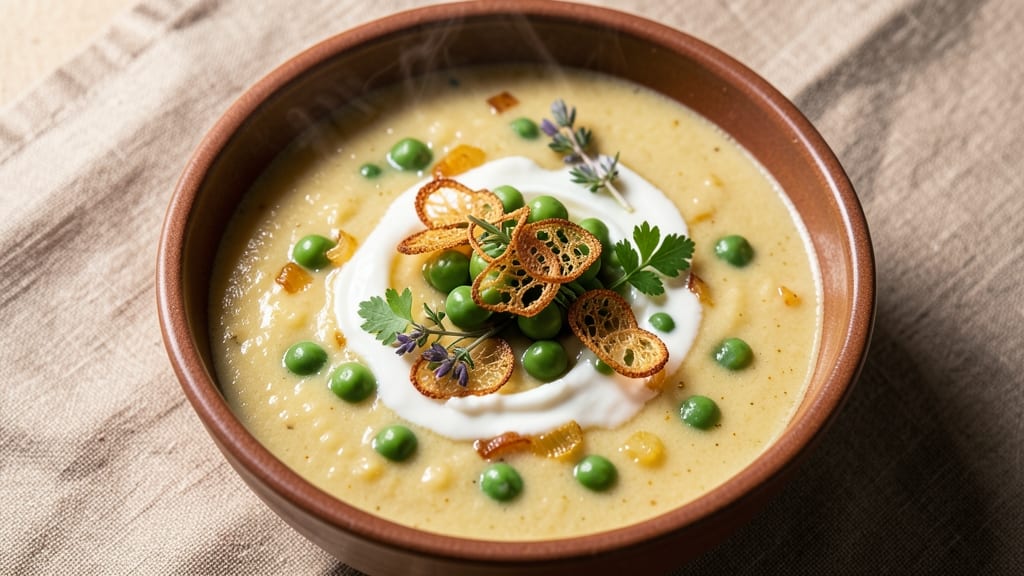
If you’re hunting for the best pea soup recipe in the world, Pioneer Woman’s velvety, one-pot masterpiece delivers creamy perfection with minimal effort.
Standing on a step stool in my grandmother’s kitchen in Sicily, I learned how fresh peas transform into silky soup when simmered with aromatic herbs and just the right amount of cream.
The key lies in balancing texture—chunky peas for bite or silky smoothness with a quick blend—while keeping the herbaceous depth that makes it unforgettable.
The beauty of this recipe is its versatility—whether you’re using fresh peas from the garden or frozen for convenience, the method stays the same.
A slow simmer develops rich flavors without requiring constant attention, and the addition of a splash of cream at the end elevates it from ordinary to extraordinary. No pressure cooker or immersion blender is necessary, though both can be used for variations.
What you’ll end up with is a creamy, herby soup that’s velvety on the tongue and packed with the natural sweetness of peas.
The aroma alone will have your kitchen smelling like a cozy Italian countryside dinner, while the texture offers just the right contrast—whether you prefer rustic chunks or a silky finish. This is the kind of soup that disappears faster than you can say "second bowl."
Serve it with crusty bread for dipping or alongside a simple green salad to round out the meal. The recipe scales easily for a crowd, making it perfect for family gatherings or meal prep.
Ready in under an hour, it’s the ultimate comfort food that feels like a hug in a bowl.
Ingredients for best pea soup recipe in the world pioneer woman
Pantry staples meet garden-fresh flavor—this velvety pea soup is pure comfort in a bowl.
| Ingredient | Amount | Notes |
|---|---|---|
| Fresh or Frozen Peas 🌱 | 2 cups | Thawed if frozen, no need to shell |
| Yellow Onion 🧅 | 1 whole | Medium size, diced small |
| Garlic Cloves 🧄 | 4 cloves | Fresh, minced finely |
| Fresh Thyme Sprigs 🌿 | 2 sprigs | Or 1 tsp dried thyme |
| Fresh Parsley 🌿 | ¼ cup | Chopped, stems removed |
| Heavy Cream 🥛 | ½ cup | Full-fat for best creaminess |
| Chicken or Vegetable Broth 💧 | 4 cups | Low-sodium preferred |
| Extra-Virgin Olive Oil 🫒 | ¼ cup | For sautéing aromatics |
| Salt 🧂 | 1 ½ tsp | Adjust to taste |
| Black Pepper 🌶️ | ½ tsp | Freshly cracked |
| Lemon Juice 🍋 | 1 tbsp | Freshly squeezed |
| Fresh Dill 🌿 | 2 tbsp | Chopped, optional but amazing |
| Crusty Bread 🍞 | 6 slices | For serving, optional |
The peas are the star, so don’t skimp on quality. Fresh peas from a farmers market have the best sweetness, but frozen works perfectly—just thaw them first. Trader Joe’s and Costco have great frozen options at affordable prices. For herbs, fresh thyme and parsley make all the difference—if you’re using dried, halve the amount. The garlic should be fresh, not that pre-minced stuff in jars. And trust me, extra-virgin olive oil is worth the splurge for sautéing—it adds depth that regular oil can’t match.
No fresh herbs? Dried will work, but reduce to one-third the amount. Out of heavy cream? Half-and-half or coconut milk keeps it creamy, though the flavor shifts slightly. Broth low on sodium? Add an extra pinch of salt after tasting. For a vegan version, swap the heavy cream for coconut cream and use vegetable broth. The lemon juice brightens everything—don’t skip it, even if you’re not a lemon lover. And if you’re feeling fancy, add a splash of white wine when sautéing the aromatics—just 2 tbsp does the trick.
This soup tastes even better the next day—make a double batch and freeze half. Store leftovers in the fridge for 4-5 days or freeze for up to 3 months. Reheat gently on the stove with a splash of broth to restore creaminess. The crusty bread? Day-old works best—it soaks up the soup like a dream. If you’re prepping for a crowd, this recipe scales beautifully—just double everything and use a larger pot.
Why You'll Love This Recipe
- One-Pot Magic: I swear by this recipe because it’s literally dump-and-simmer. Onions and garlic caramelize in the pot while you chop herbs—no extra bowls, no mess. The peas soften just enough to release their sweetness without turning to mush, and that thyme? It infuses the whole thing like a whisper of spring.
- Herb-Packed Punch: Between us, frozen peas taste just as good as fresh here—no snobbery. The key is the thyme and parsley: simmer them long enough, and they turn the broth into liquid sunshine. That crisp garlic note at the end? It’s the secret weapon that makes this soup ridiculously more interesting than your basic canned version.
- Weeknight to Potluck: This soup is my go-to for lazy nights and company dinners. Serve it with crusty bread for a cozy meal, or let it cool for meal prep—it reheats like a dream. (Yes, even on a Tuesday night.) The flavors actually improve the next day, so it’s perfect for making ahead.
- Budget Bright Spot: Peas are cheap, onions last forever, and a few sprigs of thyme stretch across multiple meals. I’ve made this for under $2 a serving, and it still feels like a fancy dish. Plus, leftovers? They’re the reason I keep coming back—because they’re just as good cold in sandwiches or warmed up with a cracker.
Step-by-step instructions for creamy pea soup
This velvety, herby pea soup comes together in one pot with minimal effort but maximum flavor.
Sauté Aromatics Until Fragrant
Heat the 0.25 cup extra-virgin olive oil in a large pot over medium heat. Add the 1 whole yellow onion, diced small, and cook for 5-6 minutes until softened and translucent. Here's the thing—you want the onion to caramelize just slightly at the edges for deeper flavor.
Add the 4 cloves garlic cloves, minced finely, along with the 2 sprigs fresh thyme sprigs. Stir for 30 seconds until the garlic becomes fragrant but doesn't brown. Fresh thyme adds that earthy depth that makes this soup truly special. If using dried thyme, reduce to 1 teaspoon and add it now.
Simmer Peas and Broth for Rich Flavor
Add the 2 cups fresh or frozen peas (no need to shell) and the 4 cups chicken or vegetable broth to the pot. Stir well to combine, then bring to a gentle boil. Once boiling, reduce heat to medium-low and let it simmer uncovered for 15 minutes. This allows the peas to soften and the flavors to meld together beautifully.
I like to taste the broth at this stage—it should be seasoned but not overpowering. If it needs more depth, add a pinch of salt or a splash of lemon juice now. The peas should be tender but still hold their shape slightly. If they're breaking down too much, reduce the simmer time next batch.
Blend Until Silky Smooth
Use an immersion blender to purée the soup directly in the pot until completely smooth. Here's where the magic happens—the blending creates that luxurious, velvety texture. If you don't have an immersion blender, carefully transfer the soup to a countertop blender in batches, blending until smooth, then return to the pot.
After blending, return the pot to medium heat and stir in the 0.5 cup heavy cream. The cream adds richness and balances the earthy flavors. Let it warm through for 2-3 minutes, stirring occasionally. You'll notice the soup becomes even creamier and more luxurious—this is the moment that matters for that restaurant-quality texture.
Finish with Herbs and Seasoning
Remove the pot from heat and stir in the 1.5 teaspoons salt, 0.5 teaspoon black pepper, 1 tablespoon lemon juice, and 2 tablespoons fresh dill. The lemon juice brightens the flavors while the dill adds a fresh, herbal note that makes this soup truly stand out. Taste and adjust seasoning—this is where you fine-tune the balance between creamy, herby, and tangy.
Real talk: don't skip the lemon juice. It cuts through the richness of the cream and adds a refreshing lift that makes this soup unforgettable. If you want to take it to the next level, garnish each serving with an extra sprinkle of fresh parsley—it adds a pop of color and freshness.
Serve Warm with Crusty Bread
Ladle the soup into bowls and serve immediately with 6 slices crusty bread on the side. The bread is optional but amazing—it soaks up every last drop of that creamy goodness. If you're serving this for a crowd, keep the soup warm in the pot over low heat while you finish plating.
Each spoonful should deliver that perfect balance of creamy texture, herby freshness, and subtle tang. The velvety consistency comes from blending the peas properly and using full-fat heavy cream, while the herbs and lemon juice keep it bright and flavorful. This is the kind of soup that feels like a warm hug on a chilly day.
Pro Tips For Making Best Pea Soup Recipe In The World Pioneer Woman
- Sear the Onion First: I learned this the hard way—when I skipped this step, the soup tasted flat. Cook the diced onion in butter or oil over medium heat until it’s deep golden, not just soft. That caramelization builds flavor that’ll carry through the whole dish, especially when you’re working with fresh peas that don’t have much going on raw.
- Blend Half the Soup: The Pioneer Woman recipe calls for blending, but don’t go all-in—only blend half. This keeps texture variety while ensuring that creamy richness balances the bright pea flavor. Plus, if you blend everything, you’ll end up with a gluey mess that’s harder to fix later.
- Use Frozen Peas Directly: Skip thawing frozen peas—they’ll just dilute the broth. Toss them straight into the simmering pot, and they’ll release their starch gradually, thickening the soup naturally. Fresh peas? Blanch them first for 1 minute to soften them up before adding.
- Toast the Garlic: When you add the garlic with the thyme, give it 30 seconds of sizzling before the broth goes in. That’s when it turns golden and aromatic, not just pungent. Overcook it, and you’ll get bitter notes that’ll ruin the delicate pea flavor—trust me, I’ve done it.
Make-ahead tips for leftovers
Prep Ahead Savings
Pea soup tastes even better the next day, so I always prep extra. After blending, let the soup cool completely, then store it in airtight containers in the fridge for up to 5 days.
The flavors deepen as the herbs infuse overnight—this is my secret for restaurant-quality taste at home. For longer storage, freeze portions in glass jars (leave 1-inch headspace for expansion) for up to 3 months. 🥫
Freezer-Friendly Tips
Freezing works best if you skip the cream until reheating. Store the blended pea base (without cream) in quart-sized freezer bags, squeezing out excess air to prevent freezer burn.
When ready to serve, thaw overnight in the fridge, then stir in ½ cup heavy cream and warm gently on the stove. This keeps the texture velvety without separating. A splash of lemon juice before freezing also preserves freshness. ❄️
Batch Cooking for Crowds
Double or triple the recipe for gatherings—this soup scales perfectly. Use a 6-quart stockpot and adjust cooking times slightly (simmer 20-25 minutes for larger batches). I like to assemble everything except the cream, then blend and reheat before serving.
For serving, keep the soup warm in a slow cooker on "Warm" setting or a double boiler over simmering water. This maintains creaminess without curdling. 👨👩👧👦
Herb Prep Shortcuts
Save time by prepping herbs ahead. Chop fresh parsley and dill and store in small airtight containers in the fridge for up to 5 days. For thyme, strip leaves from stems and store in a dry spice jar in the freezer for up to 3 months.
I also make a herb blend (thyme + parsley) to keep on hand for quick soups. Just add it straight from the freezer to the pot—no thawing needed. 🌿
Reheating Like a Pro
Stovetop reheating is key for cream-based soups. Warm over low heat with a splash of broth or water to prevent curdling. If the soup looks too thick after reheating, stir in 1-2 tablespoons cream to restore silkiness.
For microwave reheating, cover with a damp paper towel and heat in 30-second intervals, stirring between each. Always check the temperature reaches 165°F for safety. 🔥
Make-Ahead Serving Ideas
Plan ahead for stress-free meals. Prep the soup base 2 days ahead, then reheat and serve with toasted bread or crusty baguette slices. For a complete meal, assemble soup shooters (small glasses) with bread cubes on the side—great for parties.
I also like to serve it with roasted garlic crostini or a simple green salad for balance. The soup keeps well in the fridge, so you can focus on sides when ready to serve. 🍽️
Nutrition facts
Frequently asked questions
Can I make this pea soup without an immersion blender?
Transfer the soup to a countertop blender in batches, blending until completely smooth. Just be careful—hot liquids can splatter. Return the blended soup to the pot and proceed with adding the cream. For a chunkier texture, skip blending entirely and stir in the cream at the end.
What’s the secret to keeping this soup creamy after reheating?
Always reheat on low heat and add a splash of broth or water to thin it slightly. If it thickens too much, stir in 1-2 tablespoons of heavy cream to restore silkiness. Never microwave uncovered—cover with a damp paper towel to prevent skin from forming.
Can I substitute frozen peas for fresh?
Yes! Frozen peas work perfectly—just thaw them first. No need to shell them. For extra flavor, add a pinch of salt to the thawing water. Frozen peas are often more consistent in size, which helps create a smoother blend if you prefer that texture.
How can I make this soup vegan?
Swap the heavy cream for ½ cup coconut cream or cashew cream (blend soaked cashews with water). Use vegetable broth instead of chicken broth, and ensure your salt is vegan. The flavor will be slightly different but still delicious. The lemon juice and herbs keep it bright and fresh.
Why does my soup taste bland after blending?
Blandness usually means the herbs or seasoning needs more depth. Boost flavor by adding 1 extra sprig of thyme or ½ teaspoon more salt before blending. A splash of lemon juice or a pinch of white pepper can also elevate the taste. Always taste as you go!