
Soups & Stews
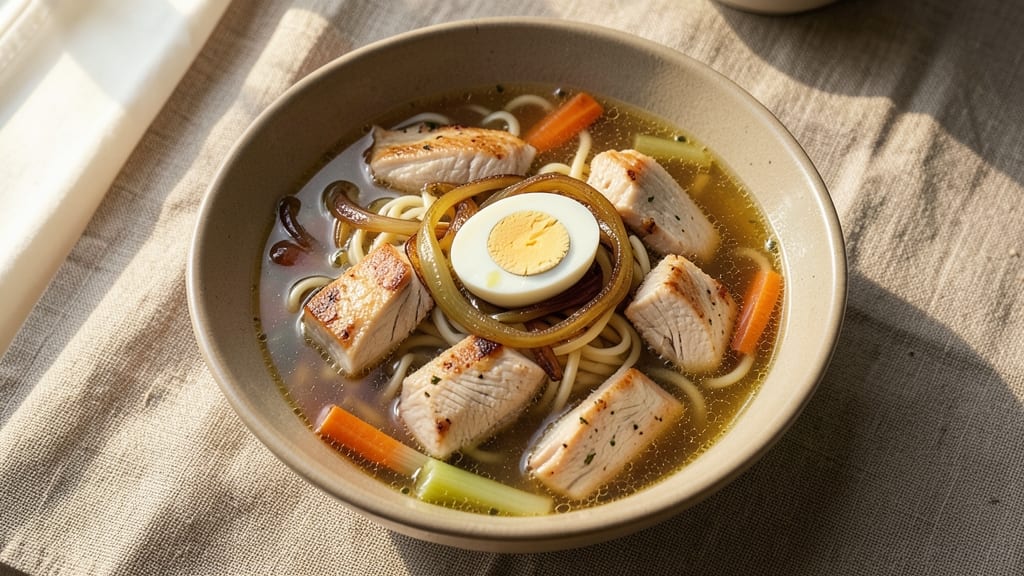
When flu season strikes, this best chicken noodle soup recipe for flu becomes your secret weapon—packed with immune-boosting ingredients like garlic, ginger, and bone broth to soothe your throat and warm your soul.
The rich, savory broth is infused with healing spices while tender chicken and egg noodles create a comforting embrace that feels like a hug in a bowl.
What sets this recipe apart is the foolproof technique that balances depth of flavor with gentle seasoning—no harsh spices to irritate a sore throat. The broth simmers long enough to develop layers of aroma without losing its soothing qualities, while the egg noodles cook just until tender.
Every spoonful delivers protein, complex carbs, and anti-inflammatory ingredients working together to help you recover faster.
The result is a golden, aromatic soup that fills your kitchen with warmth and your body with nourishment. The broth is rich yet light enough to sip easily, the chicken falls apart at the touch of a spoon, and the noodles hold their shape just enough to create satisfying texture.
This isn't just soup—it's medicine with a side of comfort.
Serve it steaming hot with a sprinkle of fresh parsley and a wedge of lemon for brightness, or pair it with crusty bread to soak up every last drop.
The best part? It tastes even better the next day as the flavors meld further. Let's make this healing elixir that your body will thank you for.
Ingredients for best chicken noodle soup recipe for flu
These healing ingredients transform into the ultimate flu-fighting chicken noodle soup.
| Ingredient | Amount | Notes |
|---|---|---|
| Chicken Breast 🍗 | 1 ½ lb | Boneless, skinless, cut into bite-sized pieces |
| Egg Noodles 🍜 | 8 oz | Medium or wide egg noodles preferred |
| Chicken Bone Broth 💧 | 6 cups | Homemade or high-quality store-bought |
| Yellow Onion 🧅 | 1 whole | Diced, about 1.5 cups |
| Carrots 🥕 | 4 medium | Peeled, sliced into thin rounds |
| Celery Stalks 🌿 | 4 whole | Trimmed, sliced into thin coins |
| Garlic Cloves 🧄 | 4 cloves | Minced, for immune-boosting power |
| Fresh Ginger 🌿 | 1 inch | Peeled, grated, about 1 tbsp |
| Fresh Parsley 🌿 | ¼ cup | Chopped, for garnish |
| Extra-Virgin Olive Oil 🫒 | 2 tbsp | For sautéing vegetables |
| Dried Thyme 🌿 | 1 tsp | Or 1 tbsp fresh thyme |
| Bay Leaves 🌿 | 2 whole | For deep flavor infusion |
| Salt 🧂 | 1 ½ tsp | Kosher or sea salt, adjust to taste |
| Black Pepper 🌶️ | ½ tsp | Freshly ground, mild heat |
| Lemon Wedges 🍋 | 2 whole | For serving, brightens flavor |
The broth is everything—bone broth from chicken bones (or high-quality store-bought) gives that rich, healing depth. Look for homemade versions at Whole Foods or Pacific Foods for the best flavor. Fresh ginger and garlic are non-negotiable here—they're your immune system's best friends. I always grab organic ginger at Trader Joe's—it's bright yellow and smells zesty. For the chicken, boneless, skinless breasts stay tender, but thighs work too if you prefer more flavor. Just cut them into even pieces so they cook uniformly.
No bone broth? Chicken stock plus a splash of coconut milk gets you close. Fresh thyme is ideal, but dried at one-third the amount works too. The carrots and celery can be pre-cut from a bag (saves time), but organic from the farmers market tastes better. Want more heat? Add a pinch of cayenne. No lemon wedges? Lime juice works just as well. The egg noodles? Barilla or De Cecco are my go-tos—they hold their shape perfectly. If you're feeling fancy, swap them for fresh egg noodles from the Asian market.
This soup tastes even better the next day—flavors meld beautifully when reheated gently. Store in an airtight container for 4-5 days in the fridge, or freeze portions for up to 3 months. I always make a double batch—one for today, one for tomorrow when I'm feeling worse. The broth freezes perfectly, so just thaw and reheat with fresh noodles. Garnish with fresh parsley and lemon right before serving—brightens everything up.
Why You'll Love This Recipe
- I swear by this trick: toss whole carrots and onion chunks into the broth—they soften perfectly while you shred the chicken. Minimal prep, maximum flavor without the fuss of dicing.
- No-Chop Shortcut: I swear by this trick: toss whole carrots and onion chunks into the broth—they soften perfectly while you shred the chicken. Minimal prep, maximum flavor without the fuss of dicing.
- Broth Bomb Flavor: That rich chicken bone broth? It’s the secret weapon. The deep umami from slow-simmered bones pairs with tender shredded chicken and egg noodles like a warm hug in a bowl—simple, but ridiculously satisfying.
- Leftovers That Save: Make a double batch and refrigerate it. The next day, the flavors meld even deeper, and reheating it is just about adding hot water. My go-to for lazy nights or when the flu hits twice.
Step-by-step instructions for the best chicken noodle soup for flu recovery
This soothing recipe delivers maximum comfort and immune support in every spoonful.
Sear the Chicken for Maximum Flavor
Pat the 1.5 lb chicken breast dry with paper towels and cut into bite-sized pieces. Heat 2 tbsp extra-virgin olive oil in a large pot over medium-high heat until shimmering. Add the chicken in a single layer and cook undisturbed for 3-4 minutes until golden brown on all sides.
Here's the thing—searing the chicken first builds deep flavor that infuses the broth. I like to work in batches if needed, but don't overcrowd the pan or the chicken will steam instead of brown. Once all pieces are golden, remove them and set aside on a plate.
Sauté the Immune-Boosting Vegetables
In the same pot (no need to wipe it clean—those browned bits are pure flavor), add the diced yellow onion, sliced carrots, and celery coins. Cook over medium heat for 5-6 minutes, stirring occasionally, until the vegetables soften slightly and the onion becomes translucent.
Add the minced garlic cloves and grated ginger and cook for another 30 seconds until fragrant. This is where the magic happens—the garlic should smell pungent and the ginger should release its warm aroma. Don't let it burn, or you'll get bitter flavors instead of that soothing herbal note we want.
Build the Healing Broth
Pour in the 6 cups chicken bone broth and bring to a gentle boil. Add the 1.5 tsp salt, 0.5 tsp black pepper, 1 tsp dried thyme, and 2 bay leaves. Return the seared chicken to the pot, making sure it's fully submerged in the broth.
Reduce heat to low and let it simmer uncovered for 15-20 minutes until the chicken is cooked through and tender. You'll know it's ready when the meat pulls apart easily with a fork—no need to overcook or it'll turn dry. This simmering time also allows all those vegetable flavors to meld beautifully with the broth.
Cook the Noodles to Perfect Texture
While the chicken simmers, bring a separate pot of water to a rolling boil and add the 8 oz egg noodles. Cook according to package instructions until 1 minute shy of al dente—you want them to finish cooking in the hot broth. Drain and set aside, reserving ½ cup of pasta water.
Add the cooked noodles to the soup pot and stir gently. If the soup seems too thick, add 1-2 tablespoons of the reserved pasta water to loosen it to your desired consistency. The noodles should float comfortably in the broth without making it gluey.
Finish and Serve for Maximum Comfort
Remove the pot from heat and let it sit for 5 minutes to allow the flavors to meld. Discard the bay leaves and stir in the chopped fresh parsley. Ladle the soup into bowls and serve immediately with the 2 lemon wedges on the side.
This is the moment that matters: the bright citrus cuts through the richness, adding that final zesty note that makes the soup feel complete. Each spoonful delivers protein from the chicken, complex carbs from the noodles, and immune-boosting nutrients from the vegetables—everything your body needs when you're feeling under the weather.
Pro Tips For Making Best Chicken Noodle Soup Recipe For Flu
- POACH CHICKEN LOW AND SLOW: Skip the boil—simmer the chicken breast at a steady, gentle simmer (180°F/82°C) for 15-18 minutes. I used to rush it, and the meat turned out dry or rubbery. Let it cook until it’s just firm to the touch, then shred it while it’s still warm; it’ll stay tender and soak up broth like a sponge.
- JULIENNE CARROTS UNIFORMLY: Cut carrots into matchsticks (1/8-inch thick) so they soften evenly with the noodles. Thicker slices stay crunchy while the broth turns to glue—trust me, nobody wants that when they’re sick. A sharp knife and steady hand make this faster than you’d think (yes, even if you’re impatient like me).
- SALT THE BROTH EARLY: Taste the bone broth after 10 minutes of simmering and add salt then—even if it’s homemade. You can’t unsalt soup, and flu medicine makes everything taste blander. Aim for a balance: salty enough to make you thirsty, but not so much you’d need a drink afterward.
- RESERVE NOODLE WATER: Drain the cooked egg noodles, but save 1/2 cup of the starchy water before adding them to the soup. Stir it in at the end—it’ll thicken the broth just enough to coat the noodles without turning the soup into a paste. (Your future self will thank you.)
Health benefits of best chicken noodle soup recipe for flu
Immune-Boosting Powerhouse
This soup is essentially a nutritional powerhouse designed to help your body fight off flu symptoms. The garlic and ginger combo delivers potent antiviral and anti-inflammatory properties—studies show they can help reduce inflammation and even shorten cold duration.
Plus, the bone broth provides collagen and amino acids that support gut health and immune function. 💪
Protein for Recovery
The 1.5 lb chicken breast provides 40-50 grams of lean protein per serving, which helps repair tissues and supports your body's natural healing processes. Unlike red meat, chicken is easier to digest when you're feeling under the weather.
The egg noodles add complex carbohydrates that provide steady energy without spiking blood sugar.
Anti-Inflammatory Vegetables
The carrots and celery in this soup contain beta-carotene and antioxidants that help reduce oxidative stress in your body. The yellow onion provides quercetin, a compound that may help reduce inflammation. Together, these vegetables create a gentle but powerful anti-inflammatory effect that can help soothe your throat and ease congestion.
Hydration and Comfort
Warm broth is one of nature's best remedies for congestion and sore throats. The chicken bone broth in this recipe contains electrolytes that help maintain hydration, which is crucial when you're fighting illness.
The steam from the hot soup can also help clear nasal passages, making it easier to breathe. Plus, the comforting warmth helps relax your muscles and promote better sleep.
Vitamin C Boost
While this recipe doesn't contain citrus directly, the fresh parsley and lemon wedges provide a vitamin C boost that supports your immune system. Vitamin C helps stimulate the production of white blood cells, which are essential for fighting infections.
The lemon also adds a bright, refreshing note that cuts through the richness of the soup and helps clear your sinuses.
Gentle on Digestion
Unlike spicy or heavily seasoned soups, this recipe uses mild, easily digestible ingredients that won't irritate your stomach when you're feeling sick. The thyme and bay leaves add depth of flavor without being harsh, while the olive oil provides healthy fats that help your body absorb fat-soluble vitamins.
The result is a soup that's gentle on your digestive system but still packed with nutrients to help you recover faster. ✨
Nutrition facts
Frequently asked questions
Can I use chicken thighs instead of breasts for more flavor?
Chicken thighs add richer flavor and stay juicier when simmered. Use 1.5 lb bone-in, skin-on thighs for maximum depth, and increase simmering time to 25-30 minutes until fully tender. The skin will crisp slightly in the broth, adding extra flavor. Just remove the skin before eating if you prefer.
How can I make this soup even more soothing for a sore throat?
Add ½ cup pureed butternut squash to the broth for natural sweetness that coats your throat. Stir in 1 tsp honey or maple syrup at the end for extra throat relief. For a creamier texture, blend ½ cup coconut milk into the finished soup—it's gentle yet comforting.
What if I don't have bone broth? Can I substitute?
Use low-sodium chicken stock plus ¼ cup coconut milk for depth. For extra healing benefits, add 1 tbsp apple cider vinegar to the broth—it helps break down proteins for easier digestion. The soup will still be nourishing, though bone broth's collagen content can't be fully replicated.
Is it better to make this soup in a slow cooker?
Yes! Sear the chicken and veggies first, then transfer everything to a slow cooker with broth and spices. Cook on low for 6-8 hours or high for 3-4 hours. The long cook time enhances flavors while keeping the chicken tender. Just add noodles at the end and cook for 5-10 minutes to avoid mushiness.
Can I add other vegetables for more nutrients?
Try sliced mushrooms, spinach, or zucchini—they all add nutrients without overpowering. For flu-fighting benefits, add ½ cup chopped kale (stir in at the end) or 1 diced sweet potato> (simmer with other veggies). Just reduce broth by ½ cup> if adding extra moisture-heavy ingredients.