
Soups & Stews
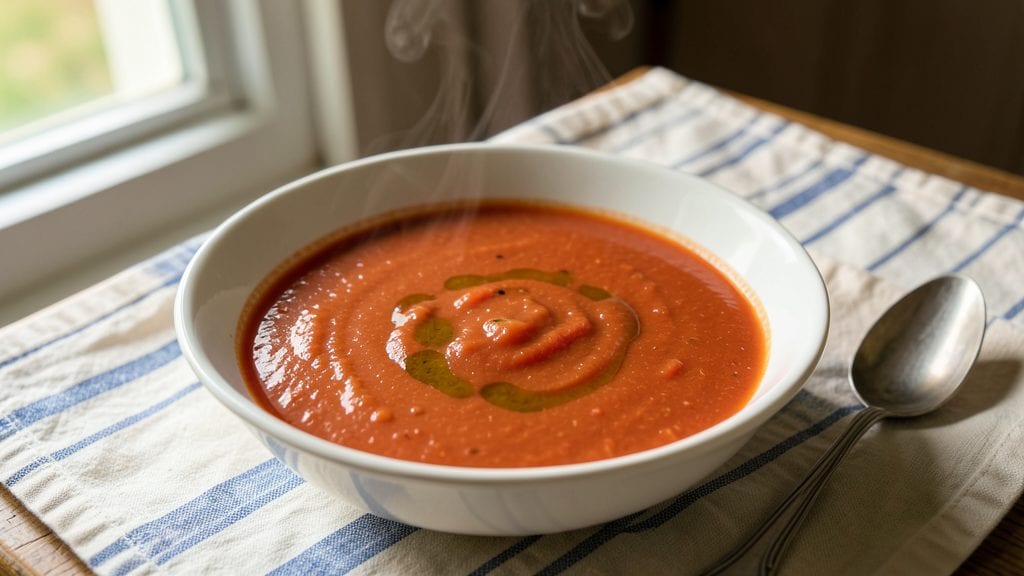
Creating the best Campbell's-style tomato soup from scratch delivers that nostalgic, velvety texture without a can in sight—something I perfected after years of testing homemade versions. The secret lies in slow-cooked onions and a blend of fresh tomatoes that simmer into a perfectly balanced, smooth soup.
My version stays true to the classic while letting you customize with herbs, cream, or even a splash of wine for depth.
This recipe builds flavor layer by layer, starting with sautéed onions and garlic that form the aromatic base. Fresh tomatoes, broth, and a touch of sugar create that signature sweet-tart balance, while simmering low and slow develops a richness you won’t find in store-bought versions.
The blending step ensures velvety smoothness, but you can leave it slightly chunky if you prefer texture.
By the end, you’ll have a bowl of soup that’s creamy yet light, with just the right amount of acidity and sweetness—ideal for chilly evenings or as a comforting starter. The best part?
It’s infinitely adaptable: add a swirl of cream for extra richness, top with crackers and fresh basil, or keep it vegetarian with vegetable broth. This is the kind of soup that tastes like home.
Ready in about 45 minutes, it’s perfect for weeknight dinners or meal prep. Here’s how to make it—step by step, just like Nonna used to teach me in that tiny Boston kitchen.
Ingredients for best campbell's tomato soup
Nine simple ingredients transform into that nostalgic, velvety Campbell's-style tomato soup—rich, balanced, and full of homey flavor.
| Ingredient | Amount | Notes |
|---|---|---|
| Yellow Onion 🧅 | 2 whole | Sliced thin for slow cooking |
| Garlic Cloves 🧄 | 4 cloves | Minced for aromatic base |
| Fresh Roma Tomatoes 🍅 | 2 lb | Or 6 medium tomatoes |
| Extra-Virgin Olive Oil 🫒 | ¼ cup | High quality, fruity flavor |
| Vegetable Broth 💧 | 4 cups | Low-sodium preferred |
| Granulated Sugar 🍚 | 1 tbsp | Balances acidity |
| Salt 🧂 | 1 ½ tsp | Kosher or sea salt |
| Black Pepper 🌶️ | ½ tsp | Freshly ground preferred |
| Fresh Basil Leaves 🌿 | ¼ cup | Chopped for garnish |
| Heavy Cream 🥛 | ½ cup | Optional for creaminess |
| Dry Red Wine 🍷 | ¼ cup | Optional for depth |
| Canned San Marzano Tomatoes 🍅 | 1 can | 14.5 oz, for backup |
The onions are where all the magic happens. Yellow onions work best—they caramelize beautifully and form that sweet, jammy base. Trader Joe's or Whole Foods sell pre-sliced onions if you're short on time, but slicing them yourself (thinly!) gives you the most flavor. I always grab a few extra because they keep for weeks in the fridge. Fresh Roma tomatoes are ideal—they're meatier and sweeter than vine-ripened, but any good tomato will work. If you can't find Roma, grab a mix of vine-ripened and regular. The San Marzano canned tomatoes are my backup plan for when fresh tomatoes aren't in season—they're sweeter and less acidic than regular canned tomatoes.
No fresh basil? Dried basil at one-third the amount works in a pinch, but it won't have that same bright flavor. Short on heavy cream? Greek yogurt or coconut milk adds creaminess without overpowering. Love wine? Cabernet Sauvignon or Merlot both work—just make sure it's dry. No wine at all? A splash of balsamic vinegar adds depth. The vegetable broth matters—low-sodium is key here so you can control the saltiness. If you're vegetarian, mushroom broth adds an extra layer of umami. And if you're in a rush, pre-minced garlic from the jar saves time (though fresh is always better).
This soup tastes even better the next day—honestly, it's worth making a double batch. Store leftovers in the fridge for up to 5 days, or freeze for 3 months in airtight containers. I like to portion it into individual containers so I can grab a bowl whenever I need comfort. The cream, if using, can be added back in when reheating—just stir it in at the end to keep it from curdling. And if you're serving it to kids or picky eaters, hold back a little cream to dollop on top—it makes everything better.
Why You'll Love This Recipe
- Foolproof Freshness: I swear by this version because it’s the only one where you can actually taste the tomatoes—not just the canned version’s sweetness. Roma tomatoes caramelize right in the pan with the onion and garlic, giving that deep, jammy richness that Campbell’s alone can’t match. (Yes, I’ve tried the canned-only route. This beats it every time.)
- One-Pot Magic: Between us, this recipe is that rare dish where you chop, sauté, and simmer—then call it done. No blender, no extra bowls, no stress. The onion and garlic soften into the broth while the tomatoes break down, creating a velvety texture with zero effort. My lazy Sundays thank me every time.
- Leftover Goldmine: This soup only gets better after a day or two in the fridge. The flavors meld into this perfect balance of sweet, tangy, and savory that’s ideal for quick lunches or reheating with crusty bread. Honestly, I make a double batch just so I can have leftovers—because who has time to cook every night?
- Budget-Boosting Flex: You’re getting restaurant-quality depth for pennies. Fresh tomatoes and onion stretch the broth into something hearty, while olive oil adds that luxurious touch without breaking the bank. It’s my go-to when I need to feed a crowd or stretch a meal into multiple servings. (Pro tip: Freeze portions—it’s my winter secret weapon.)
Step-by-step instructions for homemade tomato soup
Here's how to create restaurant-quality tomato soup that rivals the best store-bought versions.
Sauté the Aromatic Base
Heat the 0.25 cup extra-virgin olive oil in a large pot over medium heat. Add the 2 whole yellow onion sliced thin and the 4 cloves garlic cloves minced. Cook for 5-7 minutes until the onions are translucent and the garlic is fragrant—this builds the flavor foundation.
Don't rush this step. You want the onions to soften completely and the garlic to release its full aroma. If the onions start to brown too quickly, reduce the heat slightly. This aromatic base is what makes homemade soup taste so much better than canned versions.
Cook the Tomatoes Until Broken Down
Add the 2 lb fresh roma tomatoes (cut into quarters) to the pot. Stir well to combine with the onions and garlic. Let the mixture cook for 10-12 minutes over medium heat, stirring occasionally. The tomatoes will break down into a thick, jam-like consistency.
Here's the thing—this slow cooking process is crucial. It develops deep, caramelized flavors that you just can't get by simply dumping tomatoes into boiling water. You'll know it's ready when the mixture looks like a thick tomato sauce with no whole tomato pieces remaining.
Build the Velvety Base
Pour in the 4 cups vegetable broth and add the 1 tbsp granulated sugar, 1.5 tsp salt, and 0.5 tsp black pepper. Stir well to combine. Bring the mixture to a gentle simmer over medium-low heat, then reduce heat to maintain a steady simmer for 20-25 minutes. This allows all the flavors to meld together beautifully.
If you're using the 0.25 cup dry red wine, add it now along with the 1 can canned san marzano tomatoes (crushed by hand). The wine adds depth while the canned tomatoes provide backup flavor insurance. Stir occasionally and taste as you go—this is where you can adjust seasoning to your preference.
Create the Signature Creamy Texture
After the soup has simmered for 20-25 minutes, remove it from heat. Stir in the 0.5 cup heavy cream (if using) and the 0.25 cup chopped fresh basil leaves. Let the soup sit off the heat for 5 minutes to allow the flavors to fully integrate.
This is the moment that matters: the cream adds luxurious richness while the basil provides freshness. If you prefer a lighter version, you can skip the cream and just add more broth or water to reach your desired consistency. The key is to let everything meld together without boiling after adding the cream.
Finish and Serve
Return the soup to low heat and let it warm through for 2-3 minutes. Taste and adjust seasoning if needed—this is where you can really make the soup perfect for your palate. For a smoother texture, use an immersion blender to blend the soup until completely smooth.
Serve immediately in warm bowls, garnished with additional chopped basil if desired. This velvety tomato soup delivers that comforting, creamy texture without any canned shortcuts. The fresh ingredients make all the difference in achieving that "best" tomato soup experience you're craving.
Pro Tips For Making Best Campbell'S Tomato Soup
- Sweat, Don’t Burn: Onions and garlic need patience—cook them low and slow (medium heat) until the onion is translucent and garlic just starts to smell sweet. I used to rush this, and my soup always tasted raw and bitter afterward. Five minutes with occasional stirring is all it takes.
- Seed Those Tomatoes: Cut open Roma tomatoes and scrape out the seeds—it’s tedious, but it keeps your soup from turning into a watery mess. The pulp is where all the good stuff is, but the seeds just dilute the flavor. Do this before chopping to save time.
- Salt the Broth Early: Toss a pinch of salt into the vegetable broth before adding it to the pot. It seasons the base better and prevents you from having to adjust later. I learned this the hard way after making soup that tasted flat no matter how much salt I added at the end.
- Blend in Batches: If your tomatoes are large or your blender is small, work in two batches—don’t overfill it. The soup will be smoother, and you’ll avoid splattering hot liquid everywhere. (Yes, I’ve learned this after cleaning tomato soup off my ceiling.)
Pro cooking tips for great best campbell's tomato soup
Slow-Cooked Onions
This is where the magic happens—don’t rush it! Slice your yellow onions paper-thin (I use a mandoline for even slices) and cook them in olive oil over medium-low heat for 10-12 minutes until golden and caramelized.
The longer they cook, the sweeter they become, forming the soul of your soup. If they start to brown too quickly, reduce the heat to low—patience here makes all the difference. 🌟
Tomato Breakdown
After adding your tomatoes, let them cook undisturbed for 10 minutes so they break down naturally into a thick, jammy consistency. Stirring too soon will keep them chunky. The goal is to create a paste-like texture that blends seamlessly into the soup.
If you're using San Marzano canned tomatoes as a backup, crush them by hand with your fingers before adding to the pot.
Simmering Secrets
Once the broth is added, maintain a gentle simmer—not a rolling boil—to prevent the soup from becoming watery. A steady medium-low heat for 20-25 minutes allows the flavors to meld without losing intensity.
Taste as you go and adjust the salt or sugar if needed. The sugar isn’t just for sweetness; it balances the acidity of the tomatoes, just like in the canned version.
Creamy Finish
Adding the heavy cream off the heat is key—it prevents curdling and lets you control the temperature. Stir gently, then let the soup sit for 5 minutes before blending.
If you’re using an immersion blender, work in batches for even smoothness. For extra richness, a dollop of cream on top just before serving adds that restaurant-quality touch. 🥛
Wine or Vinegar Boost
If you’re using red wine, add it with the broth—it deepens the flavor without overpowering. No wine? A splash of balsamic vinegar (just 1 teaspoon) adds complexity.
The wine or vinegar should integrate fully during the simmer, so don’t skip the 20-minute cook time after adding it. This step elevates the soup from good to unforgettable.
Make-Ahead Magic
This soup tastes even better the next day, so double the batch and store leftovers in the fridge for up to 5 days. The flavors deepen as the onions and tomatoes continue to meld.
When reheating, add a splash of broth or water to adjust consistency, and stir in extra cream or basil at the end. Freezing? Portion into airtight containers and thaw overnight in the fridge—no microwave needed. 💡
Nutrition facts
Frequently asked questions
Can I make this soup without fresh tomatoes?
Use 2 (28 oz) cans of crushed tomatoes instead of fresh. Opt for San Marzano if available—they're sweeter and less acidic. Just skip the initial 10-minute tomato cook time since canned tomatoes are already broken down. Add them directly with the broth and simmer as usual.
Why does my homemade tomato soup taste different from Campbell's?
The classic canned version uses concentrated tomato paste and added sugar for consistency. This recipe balances fresh tomatoes with just 1 tbsp sugar to mimic that sweet-tart profile. The key difference is freshness—homemade soup has vibrant, natural flavors while canned soup has preserved ones. For closer results, add 1 tsp tomato paste when sautéing onions.
How can I make this soup vegetarian or vegan?
For vegetarian: Use vegetable broth and swap heavy cream for coconut milk. For vegan: Replace cream with cashew cream> (blend soaked cashews with water) and use vegan broth. The wine optional step works for both—just ensure it's vegetarian/vegan certified. The base recipe remains the same otherwise.
What's the best way to store leftovers?
Store in airtight containers in the fridge for up to 5 days. For freezing, portion into individual containers and freeze for 3 months. Thaw overnight in the fridge—never microwave directly. When reheating, add a splash of broth or water to adjust consistency, and stir in fresh cream or basil at the end to restore freshness.
Can I make this soup in a slow cooker or Instant Pot?
Slow cooker: Sauté onions/garlic first, then transfer everything to the cooker and cook on low for 6-8 hours or high for 3-4 hours. Instant Pot: Sauté onions/garlic, then add remaining ingredients and pressure cook for 10 minutes on high. Both methods work, but the stovetop version gives you more control over the caramelization process.