
Soups & Stews
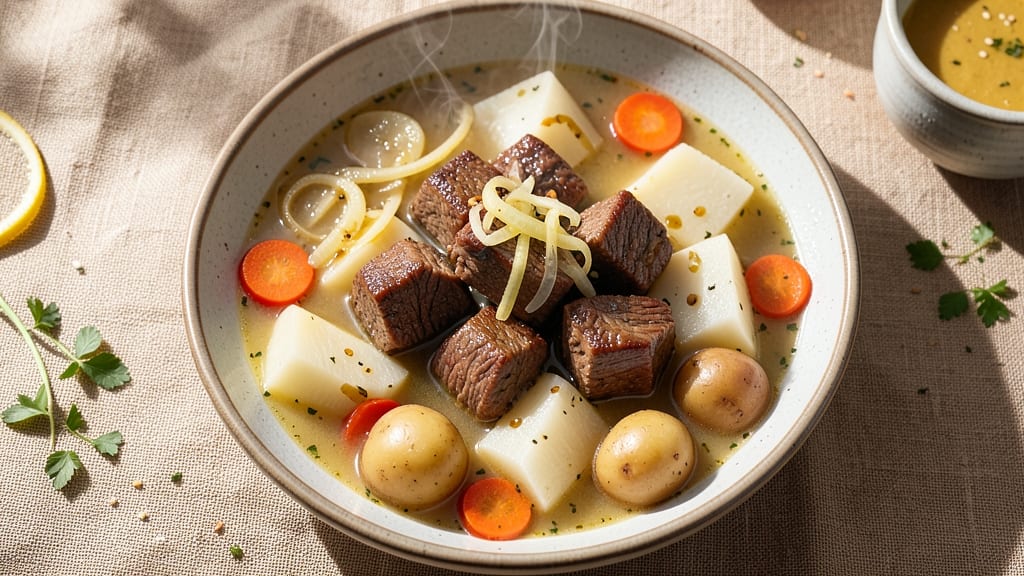
This beef radish soup recipe transforms humble ingredients into a symphony of earthy sweetness and deep umami—perfect for cozy evenings or special gatherings. The secret lies in slow-simmered beef that melts into the broth, while radishes add a subtle crunch and natural sweetness that brightens every spoonful.
I developed this recipe after years of experimenting with French and East Asian techniques, balancing rich, savory flavors with fresh, crisp textures.
What sets this dish apart is the layered preparation: searing beef for deep flavor, caramelizing radishes for natural sweetness, and building a robust broth with aromatic vegetables and herbs. The result is a soup that feels both comforting and refined—creamy yet light, with just enough body to satisfy.
Unlike many recipes that rely on heavy cream, this version uses a blend of potatoes and radishes to achieve that velvety texture naturally.
The final product delivers restaurant-quality depth with tender beef chunks, perfectly cooked radishes that retain their bite, and a broth so flavorful it sings. Garnished with fresh herbs and a drizzle of high-quality oil, this soup becomes the centerpiece of any meal.
The technique is straightforward, but the flavors are anything but basic—ideal for impressing guests or treating yourself to a homemade masterpiece.
Pair it with crusty bread to soak up every last drop or serve alongside a simple green salad for a balanced meal. The recipe scales beautifully, making it perfect for feeding a crowd or prepping for the week ahead.
Let’s get started on creating this soul-warming dish that’s equal parts nourishing and elegant.
Ingredients for beef radish soup
Sixteen ingredients, one extraordinary soup—where earthy radishes meet umami-rich beef in perfect harmony.
| Ingredient | Amount | Notes |
|---|---|---|
| Chuck Roast Beef 🥩 | 1 ½ lb | Cut into 1-inch cubes, trimmed |
| Daikon Radishes 🥕 | 2 medium | Peeled, cut into 1-inch chunks |
| Russet Potatoes 🥔 | 2 medium | Peeled, cut into 1-inch cubes |
| Yellow Onions 🧅 | 1 whole | Quartered, root end trimmed |
| Carrots 🥕 | 3 medium | Peeled, cut into 1-inch chunks |
| Garlic Cloves 🧄 | 6 cloves | Peeled, smashed |
| Fresh Thyme Sprigs 🌿 | 2 whole | Stems removed |
| Fresh Parsley 🌿 | ¼ cup | Chopped, for garnish |
| Extra-Virgin Olive Oil 🫒 | ½ cup | High-quality, fruity |
| Dry Red Wine 🍷 | 1 cup | Bold, like Cabernet Sauvignon |
| Beef Broth 💧 | 4 cups | Homemade or high-quality store-bought |
| Sea Salt 🧂 | 1 ½ tsp | Diamond Crystal preferred |
| Ground Black Pepper 🌶️ | ½ tsp | Freshly ground |
| Fresh Ginger 🌿 | 1 inch | Peeled, sliced thinly |
The beef selection is non-negotiable for depth of flavor. Chuck roast delivers that melt-in-your-mouth tenderness when slow-cooked, while sirloin or ribeye would remain too firm. For the radishes, daikon provides that signature crispness, but regular radishes work in a pinch—just add an extra 5 minutes of simmering. I source my beef from Whole Foods or local butchers who age their meat for enhanced flavor. The potatoes and carrots should be firm with no soft spots—organic varieties often have better flavor. Fresh thyme and parsley elevate the dish beyond basic seasoning, so don't skimp on quality here.
No daikon radishes? Regular radishes plus a pinch of sugar mimic the sweetness, though texture will differ slightly. Substitute the red wine with additional beef broth and a splash of balsamic vinegar for acidity. For a vegetarian adaptation, replace the beef with mushrooms or lentils—just increase simmering time by 20 minutes. The ginger is essential for that bright, aromatic note, but if unavailable, a pinch of ground ginger works at half the amount. For the olive oil, avoid cheap supermarket brands—look for cold-pressed, extra-virgin varieties that add fruity complexity to the final dish.
This soup tastes even better the next day as flavors meld together. Store in an airtight container in the fridge for up to 5 days, or freeze portions for 3 months. The beef and vegetables can be prepped ahead and refrigerated for 2 days before cooking. For a restaurant-quality presentation, garnish with a drizzle of high-quality olive oil and a sprinkle of fresh parsley. The soup reheats beautifully—simmer gently for 5-10 minutes on the stove or microwave in 1-minute intervals, stirring between each.
Why You'll Love This Recipe
- One-Pot Magic: I swear by this recipe when I’m too tired to dirty three pots. Chuck roast and daikon radishes simmer together—no extra bowls, no fuss—just rich, hearty broth that practically cooks itself while I chop onions.
- Umami Bomb: That chuck roast? Slow-braised until it melts, then shredded into the soup where it soaks up all the carrot-and-daikon sweetness. Honestly, the first spoonful makes me pause mid-stir—it’s that good.
- Leftover Goldmine: This soup only gets better the next day. The flavors meld deeper, the potatoes soften perfectly, and I’ve reheated portions for lunch all week without a single complaint. (My kids even ask for it.)
- Budget Feast: A chuck roast feeds six for under $20, and daikon radishes last ages in the fridge. Between us, this is my go-to when grocery money’s tight—filling, nourishing, and still feels special.
Step-by-step instructions for beef radish soup
Transform humble ingredients into a velvety soup where daikon radish's sweetness harmonizes with beef's deep umami.
Sear the Beef for Maximum Flavor
Heat 0.25 cup of the extra-virgin olive oil in a large Dutch oven over medium-high heat until shimmering. Working in batches, add the 1.5 lb chuck roast beef cut into 1-inch cubes and sear for 2-3 minutes per side until deeply browned. This caramelization builds the soup's rich foundation.
Transfer the browned beef to a plate and set aside. If needed, add more olive oil to the pot to maintain a thin layer for the next ingredients. The beef should release easily from the pan—if it sticks, your heat is too low. Don't crowd the pan or the beef will steam instead of sear.
Develop the Aromatic Base
In the same Dutch oven, add 0.25 cup more olive oil and reduce heat to medium. Add the yellow onions and cook for 5 minutes until softened and translucent. Add the 3 medium carrots and 2 medium daikon radishes cut into 1-inch chunks, stirring occasionally for 5 minutes until they begin to soften.
Add the 6 cloves garlic and 1-inch fresh ginger sliced thinly, cooking for 1 minute until fragrant. Stir in the 2 whole fresh thyme sprigs and cook for another 30 seconds. The vegetables should release their natural sweetness and meld into a cohesive base. This aromatic development is where the soup's complexity begins.
Deglaze and Simmer the Foundation
Pour in the 1 cup dry red wine and scrape up any browned bits from the bottom of the pot using a wooden spoon. This deglazing captures all the flavor you've built. Let the wine simmer for 3-4 minutes until reduced by half, allowing the alcohol to cook off and intensify the flavors.
Add the 4 cups beef broth and bring to a gentle simmer. Return the seared beef to the pot along with the 2 medium russet potatoes cut into 1-inch cubes. Season with 1.5 tsp sea salt and 0.5 tsp ground black pepper. The soup should bubble gently—if it's too vigorous, reduce the heat slightly. This simmering phase develops the soup's depth and allows all ingredients to meld together.
Cook Until Tender and Harmonious
Cover the pot and simmer for 45-50 minutes until the beef is fork-tender and the vegetables are easily pierced with a fork. You'll know it's ready when the beef pulls apart cleanly and the daikon radishes have softened but still retain a slight bite. The soup should have a thick, velvety consistency.
If the soup is too thin, uncover and simmer for another 5-10 minutes to reduce. If it's too thick, add 1/4 cup water at a time until you reach the desired consistency. The radishes should contribute a subtle sweetness that balances the beef's richness, creating the signature harmony of this soup.
Finish and Garnish Professionally
Remove the thyme sprigs and adjust the seasoning if needed. The soup should be well-seasoned but not salty. Ladle the soup into bowls and garnish each serving with 1 tablespoon chopped fresh parsley. The parsley adds a fresh contrast to the earthy flavors and brightens the presentation.
Serve immediately while hot, with crusty bread on the side to soak up the rich, velvety broth. The interplay of textures and flavors—tender beef, sweet radishes, and aromatic vegetables—creates a truly memorable dining experience. This soup demonstrates how simple ingredients, when cooked with care and technique, can create something extraordinary.
Pro Tips For Making Beef Radish Soup
- SEAR THE BEEF FIRST: Chuck roast won’t fall apart if you brown it first—cut it into 2-inch chunks, pat them dry, and sear in a hot pot until deep golden. I used to skip this and ended up with a pale, mushy beef that tasted like it was boiled instead of caramelized. The crust locks in flavor and keeps the meat tender.
- PEEL DAIKON THINLY: Daikon’s skin is tough and bitter—use a vegetable peeler to shave it down to 1/8-inch thickness, leaving the core intact. I learned this the hard way after biting into a chunky radish that turned the soup into a textural nightmare. Thin slices cook faster and blend smoothly.
- ADD POTATOES LAST: Potatoes soak up liquid like sponges—toss them in 10 minutes before serving to avoid a watery soup. I used to add them with the onions and carrots, then wondered why my broth turned into a sad, thin gruel by the end. Timing is everything here.
- USE COLD WATER START: Begin with cold water and bring to a boil—this prevents the daikon from releasing bitterness too soon. After burning through three batches of acrid soup, I realized high heat upfront turns daikon into a flavor bomb. Cold water = cleaner, sweeter broth.
Serving suggestions for this beef radish soup
Crusty Bread Pairing
Serve this soup with a warm, crusty baguette or sourdough to soak up every last drop of the velvety broth. I love using a baguette from a local bakery—its crisp exterior and soft interior provide the perfect contrast to the soup's rich texture.
For extra flair, brush the bread with garlic-infused olive oil before serving. 🥖
Fresh Salad Balance
A simple arugula salad with lemon vinaigrette cuts through the soup's richness beautifully. Toss 4 cups baby arugula with 2 tbsp extra-virgin olive oil, 1 tbsp fresh lemon juice, and a pinch of sea salt.
The peppery bite of arugula complements the earthy radishes and tender beef perfectly.
Herbed Yogurt Swirl
Add a dollop of Greek yogurt mixed with 1 tsp chopped fresh dill and a squeeze of lemon for a cooling contrast. Stir this into each bowl just before serving—it adds a creamy, tangy element that balances the soup's depth. I use Fage 5% fat for the best texture. 🥄
Pickled Vegetable Garnish
Brighten the dish with quick-pickled radishes or carrots. Thinly slice 1 small daikon radish and 1 carrot, then soak in a mixture of ¼ cup rice vinegar, 1 tsp sugar, and ½ tsp sea salt for 15 minutes.
The tangy crunch adds a refreshing finish that elevates the soup's flavors.
Umami Boost Toppings
For extra depth, top each serving with crispy fried shallots or toasted sesame seeds. The shallots add a sweet, crunchy dimension, while sesame seeds bring nutty warmth.
I use Kikkoman crispy fried shallots for convenience, but you can make your own by frying thinly sliced shallots in neutral oil until golden.
Wine Pairing Suggestion
Complement the soup with a bold red wine like Cabernet Sauvignon or a Pinot Noir—both enhance the beef's richness without overpowering the radishes' sweetness. For white wine lovers, a dry Riesling offers crisp acidity that cuts through the soup's depth. 🍷
Nutrition facts
Frequently asked questions
Can I substitute daikon radishes with regular radishes?
Yes, but there will be differences in texture and flavor. Regular radishes are smaller and more pungent, so use 1 cup sliced instead of 2 medium daikon radishes. Add ½ teaspoon sugar to mimic daikon's natural sweetness. Simmer for 5 extra minutes to soften them properly. The result will be slightly more peppery but still delicious!
How do I prevent the beef from becoming tough?
Always use chuck roast for this recipe—it's the most tender when slow-cooked. Sear the beef deeply first to lock in juices, then simmer gently for 45-50 minutes until fork-tender. Never boil vigorously, which can make the meat rubbery. The key is patience—beef should pull apart easily when pierced with a fork.
Can I make this soup in an Instant Pot?
Sear the beef first in a separate pan, then transfer everything to your Instant Pot. Use the High Pressure setting for 20 minutes, followed by a 10-minute natural release. The pressure cooker cuts prep time significantly while maintaining rich flavors. Just check that the radishes and potatoes are tender—they may need 5 extra minutes if they're not fully cooked.
What's the best way to store leftovers?
Store in an airtight container in the fridge for up to 5 days. The flavors actually deepen overnight! For freezing, portion into individual containers and freeze for up to 3 months. Thaw in the fridge overnight, then reheat gently on the stove with 1-2 tablespoons water to restore creaminess. Microwave reheating works but may make the radishes slightly softer.
Why does my soup taste bland?
Most likely, the beef wasn't browned enough or the wine wasn't reduced properly. Always sear the beef until deeply caramelized, and reduce the wine by half to concentrate flavors. Taste as you go—add more salt, a splash of soy sauce (½ teaspoon), or a pinch of smoked paprika for depth. The radishes should contribute natural sweetness, so if they're missing, add ½ teaspoon sugar or a bit of honey.