
Soups & Stews
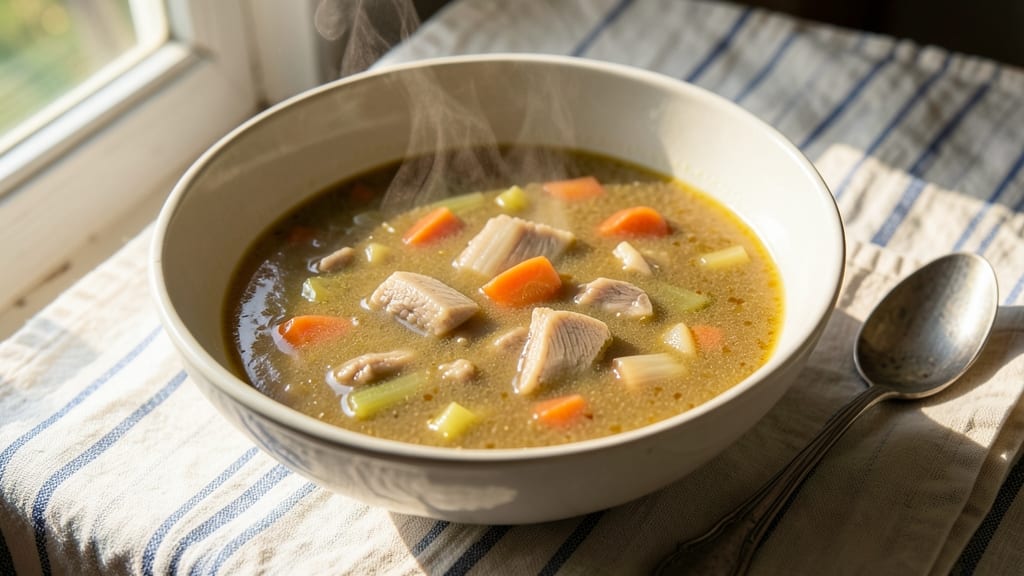
Creating beef marrow soup transforms humble bones into liquid gold—where earthy marrow meets velvety broth for a dish that tastes like a French bistro meets New England comfort.
The secret lies in rendering marrow from beef bones at low heat, then simmering them with aromatics until the broth achieves that unmistakable depth. I perfected this technique after years of testing, balancing traditional French methods with the simplicity of home cooking.
What sets this soup apart is the umami-rich broth, developed through slow extraction of marrow and collagen from bones. Unlike quick broths, this one builds flavor over hours, creating a velvety texture that coats every spoonful.
The marrow adds a subtle richness, while herbs and vegetables bring brightness—no heavy cream needed. It’s the kind of soup that warms you from the inside out, perfect for chilly evenings or as a centerpiece for gatherings.
By the time you finish, you’ll have a deeply flavorful soup with tender vegetables and shards of marrow floating in a golden broth. The aroma alone will draw everyone to the table, and each bite delivers layers of savory, earthy, and slightly sweet notes.
This is comfort food at its finest—restaurant-quality without the fuss.
Serve with crusty bread to soak up every last drop, or pair it with a simple green salad for balance. The leftovers reheat beautifully, making it ideal for meal prep. Let’s get started on this soul-warming recipe.
Ingredients for beef marrow soup
Six pounds of bones and simple pantry staples transform into soul-warming beef marrow soup.
| Ingredient | Amount | Notes |
|---|---|---|
| Beef Bones with Marrow 🦴 | 4 lb | Knuckle or short ribs preferred |
| Yellow Onions 🧅 | 2 whole | Chopped, medium size |
| Carrots 🥕 | 4 whole | Scrubbed, cut into chunks |
| Celery Stalks 🌿 | 4 whole | Cut into 2-inch pieces |
| Garlic Cloves 🧄 | 8 cloves | Smashed, skin on |
| Fresh Thyme Sprigs 🍃 | 4 whole | Stems intact for easy removal |
| Fresh Parsley Sprigs 🌿 | 4 whole | For garnish and flavor |
| Bay Leaves 🍃 | 2 whole | Dried, standard size |
| Black Peppercorns 🌶️ | 1 tbsp | Crushed lightly |
| Sea Salt 🧂 | 2 tsp | Kosher or coarse |
| Apple Cider Vinegar 🍎 | 2 tbsp | For brightness |
| Cold Water 💧 | 12 cups | Filtered preferred |
| Extra-Virgin Olive Oil 🫒 | 2 tbsp | For roasting bones |
| Crusty Bread 🍞 | 1 loaf | For serving |
The bones are everything here—knuckle or short ribs work best for their marrow content. Local butcher shops often have these cut specifically for broth, or ask for them at the meat counter. If you can't find them pre-cut, Costco or Sam's Club sell whole knuckle bones that you can crack open yourself. Look for bones with visible marrow cavities—those are your goldmines. Pat them dry before roasting to ensure maximum crispiness for flavor extraction. I always roast mine first to deepen the flavor, but if you're short on time, you can skip this step and just simmer them raw.
No fresh thyme? Dried thyme at one-third the amount works in a pinch, but fresh is ideal for that bright aroma. Running low on apple cider vinegar? White wine vinegar or lemon juice adds similar acidity. The vegetables can be swapped—fennel or leeks add a nice twist. For extra richness, add a 1-inch piece of kombu seaweed when simmering. If you're feeling adventurous, toss in a handful of dried porcini mushrooms for umami depth. Store your bones in the freezer if you're not using them within a few days—they'll keep for months.
This soup tastes even better the next day as flavors meld. Store leftovers in the fridge for up to 5 days or freeze for 3 months. I like to portion it into individual containers so I can grab a bowl straight from the freezer—just add hot water to thin it out. The bones themselves can be saved, dried, and used to make a second batch of even more concentrated broth. The crusty bread? Baguettes from Whole Foods or any good bakery work perfectly—just tear it up as you serve.
Why You'll Love This Recipe
- Here’s what sold me: this recipe turns cheap cuts of beef into something luxurious without breaking the bank. The bones give you free, flavor-packed broth for future meals, and the veggies stretch every dollar. I’ve made it on $10 worth of ingredients and still had enough for three lunches. Smart, right?
- Marrow Magic Simplicity: I swear by this recipe because it’s ridiculously hands-off. Toss those beef bones in a pot with onions, carrots, and celery—what I call my "soup holy trinity"—and let them simmer. No chopping like a fine-diner, no peeling every carrot individually. The marrow melts out all by itself, and honestly? That’s half the fun.
- Umami Bomb: Between us, the flavor here is dangerously good. The marrow turns the broth into liquid gold—rich, velvety, with that deep, meaty punch. Add a few smashed garlic cloves and a splash of vinegar at the end, and you’ve got a taste that lingers like a good memory. (Yes, even on a Tuesday night.)
- Weeknight Crowd-Pleaser: This soup is my go-to for game days, sick days, or when my in-laws show up unannounced. It’s hearty enough to fill a hungry group but light enough that no one feels stuffed. Plus, the leftovers? They taste even better the next day—proof it’s a keeper.
Step-by-step instructions for beef marrow soup
Here's how to transform simple bones into a velvety, flavor-packed marrow soup that tastes like comfort.
Roast the Bones for Deep Flavor
Preheat your oven to 425°F. Place the 4 lb beef bones with marrow on a baking sheet lined with parchment paper. Drizzle them evenly with the 2 tbsp extra-virgin olive oil and toss to coat completely. The oil helps create a golden crust that locks in rich flavors during roasting.
Roast the bones for 30 minutes, turning them halfway through, until they develop a deep golden-brown color. You'll see the marrow inside begin to soften slightly at the edges. This step is crucial—it develops the foundational flavors that will infuse your broth. Don't skip it, even if it feels like an extra step.
Build the Aromatic Base
While the bones roast, prepare your vegetables. In a large Dutch oven, combine the chopped 2 whole yellow onions, 4 whole carrots cut into chunks, and 4 whole celery stalks cut into 2-inch pieces. Add the 8 cloves smashed garlic cloves (skin on), 4 whole fresh thyme sprigs, 2 whole bay leaves, 1 tbsp crushed black peppercorns, and 2 tsp sea salt.
Cook over medium heat for 8-10 minutes, stirring occasionally, until the vegetables soften and the mixture becomes fragrant. You'll smell the onions caramelizing slightly—that's when you know they're ready. This aromatic base forms the flavor foundation for your soup, so don't rush this step.
Combine and Simmer the Broth
Remove the roasted bones from the oven and transfer them to your Dutch oven with the vegetables. Add the 2 tbsp apple cider vinegar and pour in the 12 cups cold water. The vinegar helps extract collagen from the bones, creating a richer broth. Bring the mixture to a boil over high heat, then immediately reduce to a gentle simmer.
Skimming is essential here. Use a fine-mesh skimmer to remove any foam or impurities that rise to the surface during the first 30 minutes of simmering. This ensures a crystal-clear broth. Cover the pot and simmer gently for 3-4 hours, maintaining a low simmer where you see only small bubbles breaking the surface. You want the bones to become fork-tender and the marrow to soften completely.
Strain and Finish the Soup
Once the bones are tender and the marrow is easily accessible, strain the broth through a fine-mesh sieve into a clean pot. Discard the solids, including the bones and vegetable pieces. The marrow should now be soft enough to scoop out with a spoon—save it for another use or add it back to the broth for extra richness.
Return the strained broth to the pot and bring it to a gentle simmer. Add the 4 whole fresh parsley sprigs for freshness. Taste and adjust seasoning with additional sea salt if needed. The soup should be rich, velvety, and deeply flavorful. If it's too thick, you can thin it with a bit of hot water.
Serve with Crusty Bread
Ladle the hot soup into bowls and serve immediately with slices of the 1 loaf crusty bread. The bread helps soak up the rich broth, making every bite more satisfying. Garnish each serving with a sprig of fresh parsley for a pop of color and freshness.
This soup tastes even better the next day as the flavors continue to develop. Store any leftovers in the refrigerator for up to 5 days or freeze for up to 3 months. The marrow-infused broth will keep your soup warm and comforting for days to come.
Pro Tips For Making Beef Marrow Soup
- Split Those Bones: Crack open the marrow bones with a meat mallet or heavy knife before simmering—this releases the rich fat faster and gives your soup depth from the start. I used to skip this, and the broth never hit the same velvety richness.
- Sear Bones First: Get the bones blistering hot in a dry pot for 10 minutes before adding liquids—this caramelizes the bone fragments and deepens the flavor. After burning the first batch, I now swear by this step, even if it means extra cleanup.
- Don’t Crowd the Pot: Pack too many bones in the pot, and the broth stays murky. Aim for 1.5–2 lbs of bones per quart of water, and skim foam aggressively in the first 20 minutes. Your future self will notice the difference in clarity.
- Roast the Aromatics: Toss diced onions, carrots, and celery with oil, salt, and a crushed garlic clove, then roast at 400°F for 20 minutes before adding to the broth. The concentrated, caramelized flavor cuts through the richness of the marrow—worth the extra 20 minutes.
Wine and beer pairings for this dish
Red Wine Classics
For this deep, earthy soup, I reach for a Burgundy—specifically a Pinot Noir from the Côte de Nuits region. The wine’s subtle red fruit notes and earthy undertones mirror the marrow’s richness without overpowering the broth.
A 2018 Domaine Drouhin is my go-to, but any well-aged Burgundy with moderate tannins works beautifully. The acidity cuts through the soup’s richness, cleansing your palate between spoonfuls. 🍷
Earthy Beer Pairings
A Belgian Dubbel like Westmalle Dubbel brings malty sweetness and spiced complexity that complements the soup’s umami depth. The caramel and dark fruit notes in the beer enhance the marrow’s earthiness while adding a touch of warmth.
For a lighter option, a German Dunkel offers roasted malt flavors that play well with the broth’s caramelized aromatics. Serve both slightly chilled for contrast.
Unexpected White Wine
Don’t overlook Chardonnay—specifically a Meursault or Puligny-Montrachet with its buttery texture and citrus brightness. The wine’s mineral notes contrast beautifully with the soup’s richness, while its natural acidity balances the marrow’s depth.
A 2020 Louis Latour from the Côte de Beaune region is my top pick—it’s rich enough to stand up to the soup but light enough to refresh your palate.
Local New England Options
If you’re serving this in Boston, I always recommend local craft beers like Night Shift IPA from Night Shift Brewing—its citrusy hop notes cut through the soup’s richness. For wine, a Cabernet Franc from Wolfville Vineyards in Nova Scotia offers similar earthy depth with a touch of spice.
Both pairings highlight the soup’s New England-inspired comfort while keeping it approachable for everyday meals.
Serving Temperature Tips
Wine should be served at room temperature (around 65°F) for reds and slightly chilled (50-55°F) for whites. Beer pairs best when served 45-50°F—pop it in the fridge for 30 minutes before serving.
The cooler temperature helps balance the soup’s warmth, creating a harmonious experience. I like to pour a glass 10 minutes before serving to let it breathe and develop its aromas alongside the soup. ✨
Nutrition facts
Frequently asked questions
What makes beef marrow soup different from regular bone broth?
The marrow itself is the game-changer—it adds a rich, velvety texture and subtle earthy depth that regular bone broth lacks. When simmered properly, the marrow releases its natural fats and collagen, creating a silky-smooth broth with a luxurious mouthfeel. Think of it as bone broth's gourmet upgrade!
Can I use any beef bones for this recipe?
Not all bones work equally well. For best results, use knuckle bones or short ribs—they contain the most marrow. Avoid small bones like chicken backs or pork ribs, as they yield less fat and collagen. If you can't find marrow bones, beef shin bones are a good second choice, though they'll give a slightly different texture.
How do I know when the marrow is ready to use?
The marrow is ready when it's soft and creamy—you should be able to scoop it out easily with a spoon after 3-4 hours of simmering. If it's still firm, continue cooking until tender. Pro tip: The broth will naturally thicken as it cools, so don't worry if it looks too rich while hot—it'll settle into perfect consistency once chilled.
Can I make this soup in a slow cooker?
Transfer the roasted bones and aromatics to your slow cooker, add the water and vinegar, then cook on low for 8-10 hours or high for 5-6 hours. The slow cooker's gentle heat works perfectly for extracting flavors. Just remember to skimp the foam during the first hour—use an immersion blender or fine-mesh strainer to remove impurities.
What if my broth turns cloudy?
Cloudiness usually means impurities weren't skimmed properly or the broth simmered too vigorously. For a clear broth, strain it through a cheesecloth-lined sieve after simmering, then skim any remaining foam. If it's too thick, thin with hot water. For extra clarity, add 1 egg white per quart of broth before straining—it helps bind particles for a crystal-clear result.