
Soups & Stews
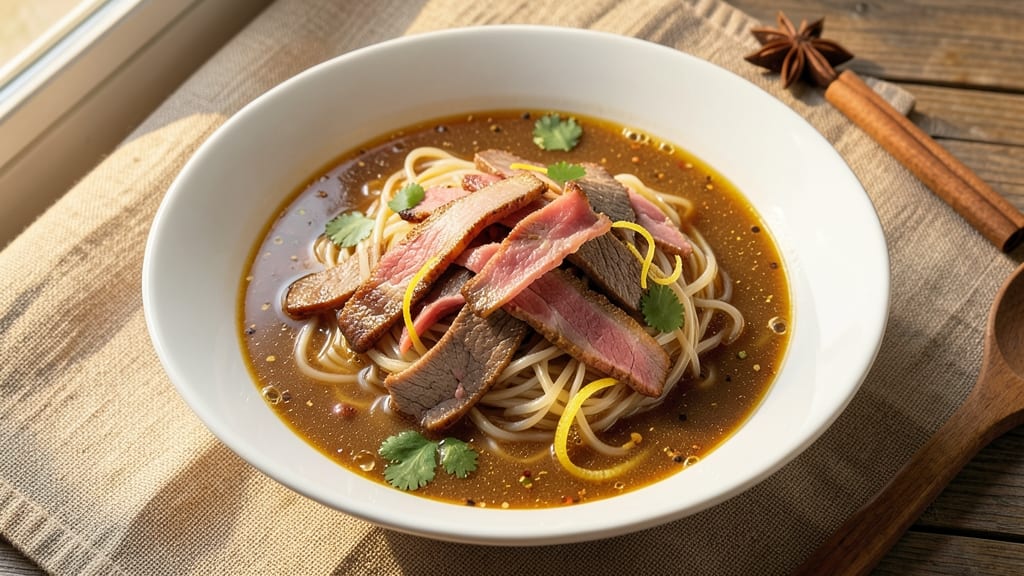
This beef kway teow soup recipe brings the smoky, aromatic essence of Singaporean street food into your kitchen with its signature wok-tossed noodles and rich, silky broth.
The secret lies in slow-simmered beef bones that melt into a velvety foundation, balanced by the charred depth of wok-hei technique—where the wok's heat infuses every ingredient with that unmistakable smoky aroma.
I've perfected this version over years of testing, ensuring the noodles achieve that signature chewy-yet-tender texture while the beef remains tender and flavorful.
The broth preparation is where the magic happens—pork and beef bones simmered for hours with aromatic spices like star anise, cinnamon, and bay leaves create a complex, umami-rich base.
While the broth works its magic, thinly sliced beef is quickly seared and set aside, then tossed with flat rice noodles in the same wok that rendered the broth's signature smokiness. This isn't just a soup; it's a symphony of textures and flavors where every element plays its part.
What you'll end up with is a bowl of restaurant-quality kway teow soup that delivers the perfect balance: tender beef slices, chewy yet tender noodles, and a silky broth that coats every bite.
The aroma alone will transport you to a bustling Singaporean hawker stall, but the taste proves you don't need to travel to experience it. The wok-hei technique adds that essential smoky depth that sets this dish apart from ordinary noodle soups.
Serve it piping hot with quick-pickled vegetables for brightness and fresh herbs like cilantro or Thai basil for a modern twist. This recipe scales beautifully—whether you're feeding a family or preparing for a gathering.
The best part? The leftovers reheat just as well, making it perfect for meal prep. Let's get cooking!
Ingredients for beef kway teow soup
Gather these aromatic ingredients for a bowl of smoky, restaurant-style beef kway teow soup.
| Ingredient | Amount | Notes |
|---|---|---|
| Beef Bones (Marrow or Neck) 🦴 | 2 lb | For rich, gelatinous broth |
| Pork Bones (Optional) 🐷 | 1 lb | Adds depth to flavor |
| Flat Rice Noodles (Kway Teow) 🍜 | 8 oz | Dried, for soaking |
| Thinly Sliced Beef (Sirloin or Ribeye) 🥩 | 1 lb | Freeze 30 mins before slicing |
| Star Anise 🌿 | 2 whole | Whole pods for infusion |
| Cinnamon Sticks 🌿 | 2 whole | For aromatic depth |
| Bay Leaves 🌿 | 2 whole | Fresh for best flavor |
| Dried Shrimp (Optional) 🦐 | ¼ cup | For umami boost |
| Light Soy Sauce 🥄 | ½ cup | For balanced saltiness |
| Dark Soy Sauce 🥄 | 1 tbsp | For color and depth |
| Sesame Oil 🌰 | 1 tbsp | For finishing aroma |
| Green Onions 🧅 | ¼ cup | Sliced, for garnish |
| Cilantro or Thai Basil 🌿 | ¼ cup | Fresh, for modern twist |
| Lemon Wedges 🍋 | 2 whole | For brightness |
| Vegetable Oil 🫒 | ½ cup | High smoke point for wok |
The bones are non-negotiable—beef marrow or neck bones give that signature silky texture. Ask your butcher for the best cuts—they’ll know what works. Pork bones add another layer, but beef alone works too. For the noodles, look for flat rice noodles labeled 'kway teow' at Asian markets or the international aisle. If you can't find them, rice vermicelli noodles are a decent swap. The star anise and cinnamon? Whole pods are key—crush them slightly for better infusion, but don't overdo it. Penzeys or bulk bins at natural food stores have the freshest spices.
No dried shrimp? Skip it—this isn't a dealbreaker. Want more umami? Add a splash of fish sauce (if not vegetarian) or an extra tablespoon of soy sauce. The beef? Sirloin or ribeye slice beautifully—freeze it 30 minutes before cutting for clean slices. No wok? A large, heavy-bottomed pot works just fine. The noodles should be soaked in hot water for 10-15 minutes until pliable but still slightly firm—over-soaking turns them mushy. For the quick-pickled veggies, thinly slice cucumbers, carrots, and red onions, then toss with rice vinegar, sugar, and salt.
Broth keeps 3-4 days in the fridge—it only gets better as flavors meld. Freeze extras in ice cube trays for easy portions. The noodles? Cook fresh—they lose texture when reheated. Store leftover beef slices in the fridge for 3 days or freeze for 3 months. Garnishes like cilantro or Thai basil stay fresh 5 days wrapped in damp paper towels. Serve with lemon wedges for a bright finish—trust me, it makes all the difference.
Why You'll Love This Recipe
- No-Fuss Stock Base: I swear by the beef marrow bones here—they melt into a rich, velvety broth with almost no effort. Just simmer, skim, and let the star anise work its magic while you prep the rest.
- Deep Umami Magic: That first sip? The broth is ridiculously flavorful—thanks to the bones and star anise—while the thinly sliced beef stays tender but still holds its shape. Honestly, it’s the kind of taste that makes you slow down mid-bite.
- Leftover Goldmine: This soup actually improves the next day. The noodles soften just right, and the broth gets even deeper in flavor. I make a big batch on Sundays and eat it for lunch all week—zero waste, zero stress.
- Budget-Buster Combo: Beef bones and flat rice noodles stretch this into a hearty meal for half the cost of takeout. Between us, it’s my go-to when I need to feed the family without breaking the bank—or the will to cook.
Step-by-step instructions for beef kway teow soup
Here's how to create a restaurant-quality beef kway teow with a silky broth and perfectly wok-tossed noodles.
Prepare the Broth Base
In a large stockpot, combine the 2 lb beef bones (marrow or neck) and 1 lb pork bones (optional). Add 8 cups cold water and bring to a boil over high heat. Once boiling, reduce to a simmer and skim off any foam that rises to the surface for the first 10 minutes. This ensures a clear, clean broth.
Add the 2 whole star anise, 2 whole cinnamon sticks, and 2 whole bay leaves to the simmering broth. Let it cook uncovered for 2 hours on medium-low heat. The broth should reduce slightly and develop a rich, aromatic depth. If using the 0.25 cup dried shrimp (optional), add it now and let it soak up the flavors for the last 30 minutes of cooking. Strain the broth through a fine-mesh sieve into a clean pot, discarding the solids. You should have about 6 cups of flavorful broth ready for the next step.
Cook the Beef and Prepare Noodles
Heat a large wok or deep skillet over high heat until smoking. Add 0.5 cup vegetable oil and swirl to coat the bottom. Add the 1 lb thinly sliced beef (sirloin or ribeye) and sear for 1-2 minutes until the edges turn golden brown but the center remains slightly pink. Remove the beef with a slotted spoon and set aside.
In a separate bowl, soak the 8 oz flat rice noodles (kway teow) in 4 cups hot water for 10 minutes until pliable but still slightly firm. Drain and rinse briefly under cold water to stop the cooking process. The noodles should be tender but not mushy—this ensures they hold their shape when tossed in the wok.
Build the Flavorful Sauce
Return the wok to medium-high heat and add 0.5 cup light soy sauce and 1 tbsp dark soy sauce. Let the sauces simmer for 2 minutes until slightly reduced and glossy. Add the 1 tbsp sesame oil and stir to combine. This step creates the signature deep umami flavor and rich color of authentic kway teow.
Add the strained broth back to the wok and bring to a gentle simmer. Stir in the cooked beef and let it heat through for 2 minutes. Taste the broth and adjust seasoning with additional soy sauce if needed—it should be savory but not overly salty. The broth should now be aromatic with a perfect balance of sweet and salty flavors.
Wok-Toss the Noodles
Working quickly, add the drained noodles to the wok and toss vigorously with tongs for 2-3 minutes over high heat. The noodles should coat in the broth and sauce, turning glossy and slightly wok-seared in spots. If the noodles stick, add 1-2 tablespoons of hot broth at a time to loosen them. The key is to create that signature wok-hei (breath of the wok) flavor.
Once the noodles are evenly coated and heated through, remove from heat. Divide the soup among 4 bowls, garnishing each with 2 tbsp sliced green onions and 2 tbsp chopped cilantro or Thai basil. Serve immediately with the 2 whole lemon wedges on the side for a bright, tangy finish.
Serve and Enjoy
This dish is best enjoyed fresh and hot, straight from the wok. The silky broth should perfectly coat the noodles, while the thinly sliced beef adds a tender, savory bite. Each spoonful delivers a harmonious blend of textures—slippery noodles, rich broth, and aromatic herbs. The lemon wedges add a refreshing contrast that cuts through the richness, making every bite satisfying and balanced.
Pro Tips For Making Beef Kway Teow Soup
- BLANCH BONES FIRST: Skip the slow start—give your beef and pork bones a quick 5-minute blanch in boiling water before adding them to the pot. This washes off blood and impurities, so your broth won’t turn cloudy or bitter later. (Yes, even if you’re impatient like me, this step cuts the skimming time in half.)
- SIMMER LOW AND SLOW: Once the bones hit the pot, keep the heat at a bare simmer—just below a gentle bubble. I learned this the hard way: boiling hard makes the marrow bones release oil too fast, turning your soup greasy instead of rich. A steady simmer for 2-3 hours is worth the wait.
- SOAK NOODLES DRY: Drain your kway teow and rinse them under cold water, then spread them on a towel to dry completely. Damp noodles turn mushy when they hit the hot broth, and nobody wants a sad, limp kway teow. (Pro move: Pat them dry with a paper towel if you’re really in a rush.)
- SEAR THE SLICED BEEF: Don’t just toss your thinly sliced beef into the soup—give it a quick 30-second sear in a hot pan with a splash of oil first. This locks in juices and adds a smoky depth that raw slices miss. (Bonus: It cooks faster in the broth, so you won’t be waiting forever to eat.)
Troubleshooting perfect results
Broth Too Cloudy?
If your broth looks cloudy after simmering, you likely didn’t skim enough foam during the initial boil. Skim aggressively for the first 15 minutes—use a fine-mesh ladle to remove scum from the surface.
For extra clarity, strain through a cheesecloth-lined sieve after simmering. Pro tip: Cold water rinse the bones before simmering to remove surface impurities. 🌡️
Noodles Overcooked
Mushy noodles happen when they soak too long or get overcooked in the wok. Soak for exactly 10-12 minutes in hot water, then rinse with cold water to stop cooking.
When tossing in the wok, work fast—2-3 minutes max over high heat. If they stick, add 1 tbsp hot broth at a time to loosen. 🍜
Beef Too Tough
Thinly sliced beef should cook just until pink (center temp 130°F). Overcooking makes it chewy. Freeze the beef for 30 minutes before slicing—this tightens fibers for cleaner cuts.
Use sirloin or ribeye, and sear only 1-2 minutes per side. Remove from wok immediately after browning to prevent overcooking. 🥩
Weak Flavor Profile
If your soup lacks depth, boost umami with these fixes: Add 1 tbsp fish sauce (if not vegetarian) or 1 tsp MSG to the broth. For extra aroma, crush star anise and cinnamon slightly before adding.
Let the broth simmer uncovered for 2+ hours—longer = richer. Taste and adjust with light soy sauce (start with ½ tsp). 💡
Noodles Stick to Wok
Sticky noodles mean insufficient heat or oil. Preheat your wok until smoking before adding oil. Use high heat when tossing, and add 1-2 tbsp hot broth if needed to loosen.
A well-seasoned carbon steel wok prevents sticking—rub with oil after each use. If using a nonstick pan, avoid nonstick spray (it burns at high heat). 🔥
Broth Too Salty
If your broth tastes overly salty, dilute it by adding ½ cup hot water per 2 cups broth. For a soy sauce-heavy flavor, reduce to ¼ cup light soy sauce in the sauce step.
Taste as you go—add soy sauce in small increments (start with ½ tbsp). If using dried shrimp, rinse them briefly before adding to the broth. 🧂
Nutrition facts
Frequently asked questions
Can I substitute beef bones with chicken or pork bones for the broth?
The beef bones are essential for that signature rich, gelatinous texture, but you can mix in 1 lb pork bones for added depth. Chicken bones alone will give a lighter broth—try adding 1 tbsp fish sauce or 1 tsp MSG to boost umami. For a vegetarian version, use shiitake mushrooms and kelp for umami depth instead of meat.
How do I achieve that signature wok-hei (breath of the wok) flavor at home?
Start by heating your wok until it's smoking hot before adding oil. Use high heat throughout cooking—especially when searing the beef and tossing noodles. A well-seasoned carbon steel wok helps too. For extra aroma, add 1 tsp toasted sesame oil at the end and toss quickly. If you don't have a wok, a cast-iron skillet works almost as well!
What's the best way to store and reheat leftovers?
The broth keeps for 3-4 days in the fridge, while the beef can be stored for 3 days. Reheat broth gently on low heat—never boil, or it may turn cloudy. For noodles, cook fresh if possible, but if reheating, add 1 tbsp hot water to each serving and toss quickly over medium heat to prevent drying. Freeze broth in ice cube trays for easy portions!
Can I make this recipe without a wok?
Use a large, heavy-bottomed pot or deep skillet instead. The key is maintaining high heat when searing beef and tossing noodles. If your pan isn't carbon steel, add ½ cup hot broth when tossing noodles to prevent sticking. For extra wok-hei, char a piece of ginger or onion in the pan for 30 seconds before removing it—this adds smoky depth.
What's the difference between kway teow and regular rice noodles?
Kway teow are flat, square-cut rice noodles with a slightly chewy texture when cooked properly. Regular rice noodles (like vermicelli) are round and thinner. For this recipe, look for "kway teow" or "flat rice noodles" at Asian markets. If substituting, use rice vermicelli but soak them 5-7 minutes less—they cook faster and turn mushy more easily.