
Soups & Stews
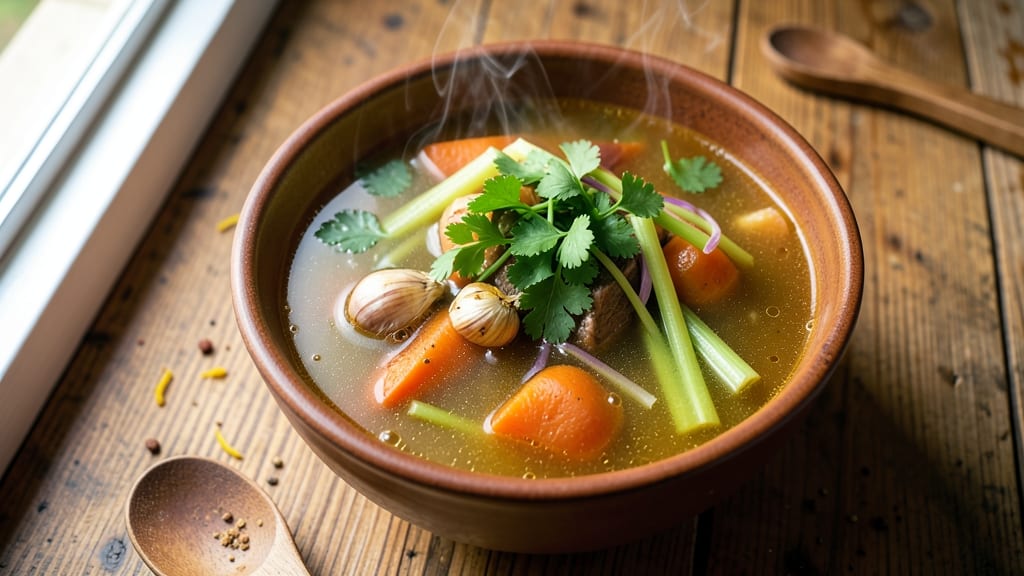
This slow cooker beef broth soup transforms humble ingredients into a deeply flavorful, restaurant-quality meal with minimal effort. The secret lies in slow cooking—where beef bones, aromatic vegetables, and herbs meld together over 6 hours on low, creating layers of umami richness that can't be rushed.
I developed this recipe after years of testing slow cooker soups, and it consistently delivers a broth so rich it feels like a hug in a bowl.
The beauty of this method is its simplicity: no need to monitor the pot or stir constantly. Just combine your ingredients, set the timer, and let the slow cooker work its magic while you handle other tasks.
The result is a velvety broth with tender beef chunks, caramelized vegetables, and a depth of flavor that turns ordinary weeknights into comforting dining experiences.
What makes this recipe truly special is how it builds flavor through time—something instant pots or stovetop methods can't replicate. The slow simmer extracts maximum richness from the bones and vegetables, creating a broth so satisfying it becomes the star of any meal.
Serve it as-is for a light but hearty dinner, or pair it with crusty bread to soak up every last drop of that precious, flavorful liquid.
Perfect for busy weeknights, meal prep, or feeding a crowd, this soup proves that slow cooking isn't just convenient—it's transformative. The technique is foolproof, the results are consistently delicious, and the process requires almost no attention. Here's how to make it, step by step.
Ingredients for beef broth soup recipe slow cooker
Six hours transforms these simple ingredients into velvety, restaurant-quality beef broth soup.
| Ingredient | Amount | Notes |
|---|---|---|
| Beef Bones 🦴 | 2 lb | Marrow and knuckle bones preferred |
| Yellow Onion 🧅 | 1 whole | Peeled, halved lengthwise |
| Carrots 🥕 | 4 medium | Whole, unpeeled for color |
| Celery Stalks 🧆 | 4 whole | Browned for depth of flavor |
| Garlic Cloves 🧄 | 6 cloves | Crushed, skin left on |
| Fresh Parsley 🌿 | ¼ cup | Chopped, stems included |
| Fresh Thyme 🌿 | 2 sprigs | Or 1 tsp dried thyme |
| Bay Leaves 🌿 | 2 whole | Standard dried leaves |
| Tomato Paste 🍅 | 2 tbsp | Squeeze tube preferred |
| Apple Cider Vinegar 🍏 | 1 tbsp | For brightness |
| Salt 🧂 | 1 ½ tsp | Diamond Crystal preferred |
| Black Peppercorns 🌶️ | ½ tsp | Freshly cracked |
| Water 💧 | 8 cups | Filtered preferred |
| Beef Chunks 🥩 | 1 lb | Chuck roast, cubed |
| Potatoes 🥔 | 2 medium | Russet, peeled, cubed |
The bones are non-negotiable for deep umami flavor—marrow and knuckle bones from Whole Foods or your butcher deliver the richest results. Look for bones with good marbling and minimal surface fat. If you can't find marrow bones, beef shin bones work well too. The beef chunks should be chuck roast, not leaner cuts like sirloin, as they stay tender during slow cooking. For the vegetables, organic carrots and celery from the grocery store's produce section add vibrant color and natural sweetness without needing peeling. The apple cider vinegar might seem unusual, but it brightens the broth and balances the richness—Bragg brand is my go-to for consistent quality.
No beef bones? Substitute 1 lb beef chuck roast and add 2 extra cups of water, but expect less depth of flavor. Fresh thyme unavailable? Dried thyme at one-third the amount works, though the aroma won't be as pronounced. The tomato paste can be skipped if you prefer a clearer broth, but it adds a subtle sweetness that rounds out the flavors. For a vegetarian version, replace bones with mushrooms and kombu seaweed, though the umami profile will differ significantly. The potatoes can be swapped for sweet potatoes if preferred, though they'll absorb more liquid during cooking. Always brown the celery and onion first—the Maillard reaction creates complex flavors that can't be replicated otherwise.
This soup tastes even better the next day as flavors meld further. Store in the fridge for up to 5 days in an airtight container, or freeze portions for 3 months—the broth thickens slightly when frozen, creating a more concentrated flavor. For meal prep, double the recipe and freeze in individual portions. When reheating, add a splash of water or broth to prevent thickening. The bones can be roasted first at 400°F for 20 minutes to deepen their flavor before adding to the slow cooker—a step that elevates the soup from good to extraordinary.
Why You'll Love This Recipe
- Dump-and-Walk Away: Honestly, I just toss in the beef bones, a chopped onion, carrots, celery, and garlic—no measuring cups, no fuss—and let the slow cooker do the rest. The bones render all that rich marrow while I’m still deciding whether to watch an episode or start laundry.
- Umami Bomb: That first sip? Chef’s kiss. The beef bones melt into the broth, layering it with deep, savory notes, while the garlic and onions caramelize just enough to add a sweet, almost smoky edge. It’s the kind of flavor that makes you pause mid-slurp—like a hug in a bowl.
- Weeknight to Weekend: Between us, this soup works for everything: a quick dinner when you’re exhausted, a potluck side that disappears fast, or even a cozy Sunday lunch with crusty bread. The leftovers? Even better the next day—if there are any, because someone will always ask for seconds.
- Budget Magic: I swear, beef bones cost a fraction of steak, and they turn into a whole meal that stretches across days. Freeze the extra broth for future soups or rice—no waste, just pure, satisfying flavor. My wallet and my freezer both thank me.
Step-by-step instructions for slow cooker beef broth soup
Master this technique and you'll create a rich, deeply flavorful broth every time.
Prepare the Bones and Aromatics
Place the 2 lb beef bones in your slow cooker and add the 8 cups water. This initial step extracts the maximum gelatin and collagen from the bones, which will give your broth its signature body and richness. I always use marrow and knuckle bones—they release the most flavorful gelatin.
Add the peeled, halved yellow onion, whole carrots, whole celery stalks, crushed garlic cloves, 2 sprigs fresh thyme, and 2 bay leaves. The vegetables contribute natural sweetness and depth while preventing the broth from becoming cloudy. I brown the celery stalks in a dry skillet for 2 minutes before adding them—this caramelization adds complexity to the flavor profile.
Build the Flavor Base
Stir in the 2 tbsp tomato paste and 1 tbsp apple cider vinegar. The tomato paste adds umami depth while the vinegar brightens the broth and helps extract more flavor from the bones. Mix gently to distribute these ingredients evenly throughout the liquid.
Add the 1.5 tsp salt and 0.5 tsp freshly cracked black peppercorns. Seasoning at this stage ensures the broth develops balanced flavor throughout the cooking process. I like to use Diamond Crystal salt—it dissolves completely and doesn't leave grainy residues.
Cook the Broth Foundation
Cover the slow cooker and cook on low heat for 4 hours. This initial cooking time allows the bones to release their gelatinous marrow while the vegetables soften and infuse the broth with their natural sweetness. Don't be tempted to skip this step—rushing the process results in a weaker, less flavorful broth.
After 4 hours, remove the bones and vegetables from the slow cooker. Strain the broth through a fine-mesh sieve into a clean pot, pressing gently on the solids to extract maximum flavor. This strained liquid forms the foundation of your rich beef broth.
Add Meat and Potatoes for Hearty Soup
Return the strained broth to the slow cooker and add the 1 lb beef chunks and 2 medium peeled, cubed russet potatoes. The beef chunks will become fork-tender while the potatoes absorb the broth's rich flavors. I use chuck roast for this step—it's flavorful and becomes tender without falling apart.
Cover and cook on low heat for an additional 2 hours. The broth should now be deeply flavorful with the meat and potatoes fully tender. You'll know it's ready when the potatoes pierce easily with a fork and the beef chunks pull apart with gentle pressure.
Finish with Fresh Herbs and Season
Stir in the 0.25 cup chopped fresh parsley just before serving. The parsley adds freshness and brightens the rich, savory broth. Taste and adjust seasoning if needed—you may need a touch more salt or pepper to balance the flavors after the long cooking time.
Serve immediately with crusty bread or over rice. The broth should be rich, golden, and deeply flavorful with visible gelatinous strands that coat the back of a spoon. This technique transforms simple ingredients into a restaurant-quality beef broth soup that's perfect for cold weather meals.
Pro Tips For Making Beef Broth Soup Recipe Slow Cooker
- BLANCH BONES FIRST: I learned this the hard way—skipping the quick blanch in boiling water means your slow cooker will look like a science experiment after 8 hours. Toss the bones in for 10-15 minutes, scrub off any gunk, then rinse. This removes impurities and makes the broth clearer without extra straining later.
- CHOP VEGETABLES UNIFORMLY: Big onion chunks and celery stalks take forever to soften, leaving you with a soup that’s half-mushy, half-crunchy. Cut everything into ½-inch pieces—onion, carrots, celery—so they all break down at the same pace. (Yes, even if it feels like overkill.)
- USE COLD WATER: Starting with cold water in your slow cooker might seem counterintuitive, but it gives the broth time to build flavor gradually instead of boiling off too fast. Fill it only ⅔ full—you’ll add more water later if needed, but you won’t end up with a weak, watery mess.
- ADD GARLIC LATE: Tossing garlic cloves in at the start means they turn to mush and bitter sludge. Wait until the last 30-60 minutes of cooking to add them—whole cloves, peeled, right into the slow cooker. They’ll infuse flavor without turning the broth into garlic paste. (Trust me, you’ll notice the difference.)
Regional styles of this dish
French Bouillon Tradition
In France, beef broth soup is elevated to an art form with their classic bouillon. The French technique involves roasting bones first at 400°F for 20 minutes to deepen their flavor before slow cooking.
I love adding a splash of dry white wine (about ¼ cup) when building the flavor base—it adds acidity and complexity that balances the richness. The French also often include a small leek white (about 1 stalk) for subtle onion notes without overpowering the broth. 🌟
Italian Brodo Style
Italian brodo di manzo takes a more rustic approach, often including fennel and celery root for earthy depth. Italians frequently finish their broth with a handful of fresh parsley and basil (about ¼ cup each) just before serving.
For an authentic touch, add a few drops of high-quality olive oil (about 1 tbsp) when serving—it creates a luxurious sheen and enhances the umami flavors. I also like to include a small piece of pancetta (about 2 oz) when browning the vegetables for added savory depth.
American Hearty Version
The American approach often includes corn kernels (about ½ cup frozen) and diced tomatoes (about ½ cup) for a sweeter, more substantial soup. Many American recipes also call for a bay leaf and a sprig of rosemary to complement the beef flavors.
For a true comfort food experience, add a handful of elbow macaroni (about ½ cup) during the final 30 minutes of cooking. This version is perfect for cold winter nights and family gatherings.
Asian-Inspired Adaptation
For an Asian twist, swap the thyme and bay leaves for ginger and star anise (about 1 tbsp grated ginger and 2 star anise pods).
Add a splash of soy sauce (about 1 tbsp) and a dash of sesame oil (about ½ tsp) during the final cooking stage. This adaptation brings a delightful umami depth and aromatic complexity that pairs beautifully with rice.
Garnish with sesame seeds and green onions for a fresh finish. 🌶️
Spanish-Style Cocido
In Spain, beef broth soup often becomes part of a larger dish called cocido. For a Spanish-inspired version, add chickpeas (about 1 cup) and smoked paprika (about ½ tsp) during the final cooking stage.
The Spanish also frequently include a small piece of chorizo (about 2 oz) for added smoky flavor. Serve this version with crusty bread and a side of pickled vegetables for a complete meal that's both hearty and balanced.
Modern Fusion Twist
For a contemporary take, consider adding mushrooms (about 1 cup sliced) and a splash of balsamic vinegar (about 1 tbsp) during the final cooking stage. This fusion approach brings earthy notes from the mushrooms and a tangy brightness from the balsamic.
Garnish with microgreens or edible flowers for a visually stunning presentation that still delivers on rich, comforting flavors. This version is perfect for modern palates that crave both tradition and innovation. ✨
Nutrition facts
Frequently asked questions
Can I use beef chuck roast instead of bones for the broth?
The recipe relies on bones for maximum gelatin and umami depth, but you can substitute 1 lb beef chuck roast by adding 2 extra cups of water and cooking for 6 hours total. The broth will be less rich but still flavorful. For better results, roast the meat first at 400°F for 20 minutes to deepen the flavor before slow cooking.
How do I prevent the soup from becoming too thick?
Add 1 extra cup of water during the final 2 hours of cooking if needed. The gelatin from bones naturally thickens the broth over time, but adjusting the liquid-to-ingredient ratio keeps it perfect for serving. For a thinner consistency, strain the broth again before adding potatoes and meat.
What's the best way to reheat leftovers?
Reheat gently on the stovetop over medium-low heat until bubbling, then simmer for 5-10 minutes. Add 1-2 tbsp water or broth if the soup thickens too much. Microwave reheating works too—just stir halfway through to prevent uneven heating. Leftovers taste even better the next day as flavors meld further!
Can I make this soup in an Instant Pot instead?
Yes! Use the high pressure setting for 60 minutes after browning the bones and vegetables. For the meat and potatoes, add them after pressure cooking and keep warm for 10 minutes on the sauté function. The Instant Pot version will be ready in about 1 hour instead of 6 hours, though the slow cooker method develops deeper flavor.
Why does my broth look cloudy?
Cloudiness usually means undissolved starch from vegetables or insufficient straining. For clearer broth, press solids more firmly through a fine-mesh sieve or simmer the strained broth uncovered for 5 minutes to evaporate excess moisture. The slow cooker method naturally creates a richer, slightly cloudy broth due to gelatin—this is normal and adds body!