
Soups & Stews
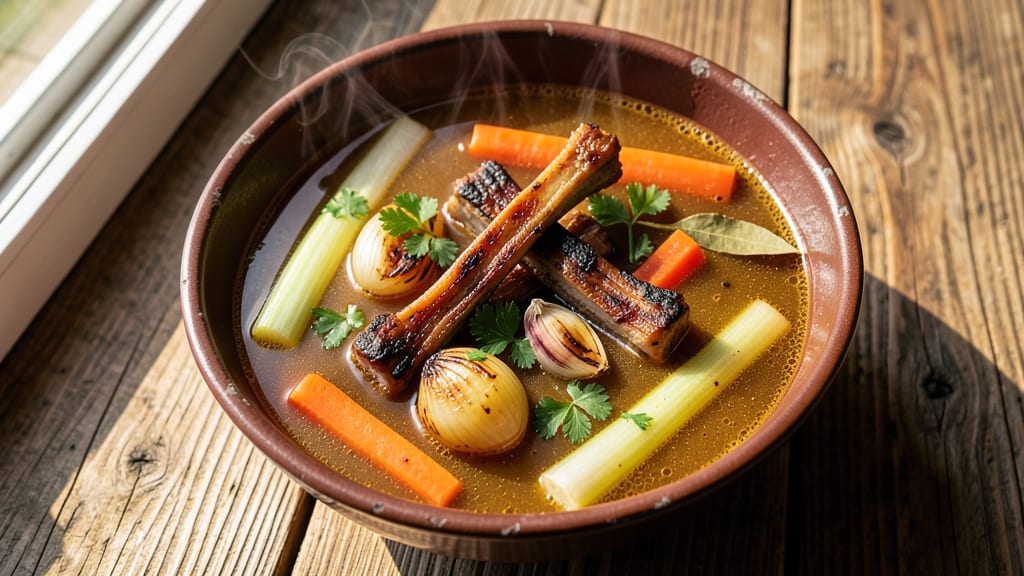
A beef broth soup recipe ideas transforms simple ingredients into hearty, comforting bowls of flavor that warm you from the inside out. The rich umami depth of homemade beef broth forms the foundation, while tender meat, al dente pasta, and fresh vegetables create a symphony of textures and tastes. I've perfected this technique over years of testing, ensuring every spoonful delivers restaurant-quality satisfaction without the fuss.
What sets this recipe apart is its versatility—whether you're craving classic French onion soup, aromatic pho, or a creamy ramen-inspired bowl, the same beef broth base adapts beautifully. The key lies in slow-simmered broth infused with aromatics, combined with carefully chosen ingredients that enhance rather than overpower its natural depth.
This isn't just soup; it's a complete meal in a bowl.
You'll end up with a soup that's rich yet balanced, with tender meat that practically melts in your mouth and vegetables that retain their natural sweetness. The broth reduces to a perfect consistency, coating every ingredient in its savory embrace.
This recipe builds confidence in your cooking skills while delivering results that impress even skeptical family members.
Perfect for chilly evenings, meal prep, or entertaining guests, this beef broth soup adapts to your schedule and preferences. Let's create a bowl that becomes your new weeknight staple—one that transforms ordinary ingredients into extraordinary comfort.
Ingredients for beef broth soup recipe ideas
Rich umami flavors start with these simple, flavor-packed ingredients for a soup that's restaurant-quality at home.
| Ingredient | Amount | Notes |
|---|---|---|
| Beef Bones 🦴 | 2 lb | Marrow-rich for extra flavor |
| Yellow Onion 🧅 | 1 whole | Chopped into 1-inch pieces |
| Carrots 🥕 | 4 medium | Peeled and cut into 1-inch chunks |
| Celery Stalks 🧅 | 4 whole | Cut into 1-inch pieces |
| Garlic Cloves 🧄 | 6 cloves | Smashed for deeper infusion |
| Bay Leaves 🌿 | 2 whole | Fresh preferred for aroma |
| Black Peppercorns 🌶️ | 1 tbsp | Crushed for texture |
| Tomato Paste 🍅 | 2 tbsp | For umami depth |
| Dried Thyme 🌿 | 1 tsp | Or 1 tbsp fresh thyme |
| Beef Chuck Roast 🥩 | 1 ½ lb | Cut into 1-inch cubes |
| Pasta 🍝 | 8 oz | Any short shape works |
| Beef Broth 💧 | 4 cups | Homemade preferred |
| Salt 🧂 | 1 ½ tsp | Kosher or sea salt |
| Extra-Virgin Olive Oil 🫒 | 2 tbsp | For finishing drizzle |
| Parmesan Cheese 🧀 | ½ cup | Freshly grated |
The beef bones are non-negotiable for that deep, savory broth—look for marrow-rich bones at your butcher or Costco. If you can't find them, beef chuck roast cubes work too, but the broth will be less rich. The yellow onion, carrots, and celery form the classic mirepoix—no need to peel the carrots if you're using organic. For the garlic, smashing the cloves releases more flavor than mincing. Fresh bay leaves make a difference here—they're worth the extra 50 cents over dried. And grab the tomato paste in a squeeze tube at Trader Joe's—it keeps forever and makes this so much easier.
No beef bones? Substitute with beef chuck roast cubes—just add them later in the cooking process. Running out of thyme? Oregano at half the amount works in a pinch. The pasta can be any shape you like—penne or rotini if you want something heartier, or orzo for a lighter texture. For the broth, if you're using store-bought, low-sodium is better since we're adding plenty of salt. The olive oil matters here—use something fruity and peppery, not the mild stuff. And if you're making a big batch, double the Parmesan—it adds that perfect salty finish.
This soup tastes even better the next day as the flavors meld. Store leftovers in the fridge for up to 5 days, or freeze for 3 months. I always make a double batch—one for dinner, one for lunches. The broth freezes beautifully, so I keep it in a separate container. For a quick meal prep hack, cook the pasta ahead and reheat it separately in the soup—keeps it from getting mushy. And if you're serving this to guests, garnish with extra Parmesan and a drizzle of olive oil—instant wow factor.
Why You'll Love This Recipe
- No-Chop Nightmare: The onion, carrots, and celery? I just roughly chop them—no fancy dice or julienne. Toss them in whole or in big chunks, and the broth breaks them down beautifully. (Yes, even on a Tuesday night when I’m too tired to care.)
- Umami Bomb: That first sip? Rich, deep, and meaty without being heavy. The beef bones melt into the broth, giving it this golden, savory depth that makes store-bought stock feel like a sad afterthought. Honestly, the garlic cloves roasted in the pot until fragrant? Chef’s kiss.
- Leftovers That Lie: I swear, this soup tastes better the next day. The flavors meld into something even more complex, and it’s the perfect cold-weather meal prep—just reheat and serve. Between us, I’ve brought this to potlucks, sick friends, and even my in-laws’ house, and no one’s ever questioned the leftovers.
- Pantry Magic: You’re not hunting for obscure ingredients here. Onion, carrots, celery, garlic, and beef bones? That’s it. I’ve made this on a budget, with whatever was in my fridge, and it’s still reliably good. Plus, the bones? Use them twice—simmer once, then roast the second time for even more flavor.
Step-by-step instructions for rich beef broth pasta soup
Here's how to transform simple ingredients into a deeply flavorful, comforting bowl of pasta soup.
Build the Umami-Packed Broth Base
Heat the 2 tablespoons extra-virgin olive oil in a large Dutch oven over medium-high heat. Add the 2 lb beef bones and sear them until deeply browned on all sides—this develops the Maillard reaction that forms the foundation of your soup's depth. While the bones brown, add the 1 whole yellow onion, 4 medium carrots, and 4 whole celery stalks, cooking for 8-10 minutes until the vegetables begin to soften and caramelize.
Stir in the 6 cloves smashed garlic, 2 whole bay leaves, 1 tablespoon crushed black peppercorns, and 1 teaspoon dried thyme. Cook for another 2 minutes until fragrant. This aromatic base will infuse your broth with layers of flavor. Pour in 4 cups beef broth and bring to a gentle boil, then reduce heat to low. Add the 2 tablespoons tomato paste and stir until fully dissolved.
Slow-Cook the Beef Chuck for Tender Perfection
Add the 1.5 lb beef chuck roast, cut into 1-inch cubes, to the simmering broth. Partially cover the Dutch oven and let it cook for 1.5 hours on low heat. This slow cook transforms the tough chuck into fork-tender morsels while allowing the broth to develop a rich, concentrated flavor. Stir occasionally to prevent sticking, and add 1.5 teaspoons salt during the last 30 minutes of cooking.
Here's the thing—patience is key. The longer the beef cooks, the more gelatin releases from the bones and meat, creating a velvety texture. You'll know it's ready when the beef easily shreds with a fork and the broth has reduced slightly, intensifying its flavor. Skim any foam that rises to the surface during cooking to keep the broth clear.
Add Vegetables and Cook to Al Dente
Once the beef is tender, use a slotted spoon to remove the meat and set it aside. Add the 8 oz pasta to the broth and cook according to package instructions until 1 minute before al dente. The pasta will finish cooking in the hot soup, so don't overcook it. Stir occasionally to prevent sticking, and if the soup seems too thick, add ½ cup hot water to reach your desired consistency.
Return the beef to the pot and let everything simmer together for 2-3 minutes to meld the flavors. The pasta should be tender with a slight bite, and the broth should coat the back of a spoon with a silky texture. Taste and adjust seasoning with additional salt if needed—this is where you fine-tune the balance of umami and saltiness.
Finish with Richness and Texture
Remove the 2 whole bay leaves and discard them. Stir in the 0.5 cup freshly grated Parmesan cheese until fully melted and creamy. The cheese adds a luxurious finish and balances the acidity from the tomato paste. Ladle the soup into bowls, ensuring each serving gets a generous portion of beef, pasta, and broth.
Garnish with an extra sprinkle of Parmesan and a drizzle of extra-virgin olive oil for a restaurant-quality touch. The contrast of the creamy cheese against the hearty broth and tender beef creates a perfectly balanced bite. Serve immediately while the pasta is hot and the flavors are at their peak—this soup tastes even better the next day as the flavors continue to develop.
Pro Tips For Making Beef Broth Soup Recipe Ideas
- BLISTER THE BONES FIRST: I learned this the hard way—skipping the char ruins the depth. Toss your beef bones on a dry skillet over high heat until they blacken in spots (about 5-7 minutes per side). That crust packs serious flavor into your broth, no shortcuts.
- CHOP VEGETABLES UNEVENLY: Big chunks for carrots and celery, thin slices for onions—this isn’t a salad. Uneven cuts mean some pieces soak up flavor while others stay crisp, giving your soup texture variety. (Yes, even if it looks messy.)
- SKIP THE BOILING MADNESS: After adding bones and water, bring to a gentle simmer—no rolling boil. Boiling scalds the collagen and makes the broth cloudy. Aim for tiny bubbles at the edges, and let it hum along for hours. Patience here makes all the difference.
- ROAST GARLIC CLOVES: I was skeptical until I tried it—whole garlic cloves roasted at 400°F for 20 minutes with a drizzle of oil become sweet, jammy, and way more flavorful than raw. Smash them before adding to the pot for a rich, caramelized punch. (Your future self will thank you.)
Dietary considerations for beef broth soup recipe ideas
Gluten-Free Adaptations
Swap the pasta for gluten-free varieties like brown rice or chickpea pasta—both hold up well in broth and absorb flavors beautifully. I recommend Barilla Gluten-Free Pasta or Jovial Brown Rice Pasta for a neutral taste.
For extra heartiness, use gluten-free corn pasta or quinoa pasta, which add protein and a nutty depth. Always check labels for hidden gluten, especially in seasoned varieties. 🌾
Low-Carb Versions
Transform this into a low-carb masterpiece by omitting pasta entirely and adding shredded chicken breast or cauliflower florets instead. For a creamy texture, stir in ½ cup heavy cream or ½ cup coconut milk at the end.
I love adding zucchini noodles (spiralized) for a lighter option that still satisfies. Garnish with crispy fried shallots for crunch without carbs.
Dairy-Free Options
Skip the Parmesan and use nutritional yeast (½ cup) for a cheesy flavor without dairy. For extra richness, stir in ½ cup silken tofu at the end for a creamy finish.
I also recommend cashew cream (blend ½ cup soaked cashews with ¼ cup water) as a dairy-free alternative. The broth's umami will still shine through while keeping it vegan-friendly. 🥛
Protein-Packed Boosts
For a high-protein meal, add ½ cup cooked lentils or ½ cup white beans to the broth while simmering. I also like tossing in 1 cup chopped kale or spinach in the last 5 minutes for extra nutrients.
For meat lovers, add ½ lb sliced mushrooms or crumbled bacon for a smoky twist. These additions keep the soup hearty while balancing the richness.
Allergen-Friendly Swaps
If nut allergies are a concern, avoid cashew cream and opt for silken tofu or dairy-free cheese alternatives like Violife. For soy-free versions, use sunflower seed butter (1 tbsp) instead of Parmesan for a savory finish.
Always double-check labels—many broths contain hidden soy or wheat. I keep Better Than Bouillon beef base on hand for quick, allergen-friendly broth when needed. 🚫
Nutrition facts
Frequently asked questions
Can I use store-bought beef broth instead of homemade?
Yes, but choose a high-quality, low-sodium option for best results. Homemade broth delivers deeper flavor, but store-bought works in a pinch. If using it, add extra aromatics like garlic and thyme to compensate. For richer taste, simmer the store-bought broth with beef bones or chuck roast for 30 extra minutes to intensify the flavor.
What's the best pasta shape for this soup?
Short shapes like penne, rotini, or orzo work best—they hold up well in broth and coat the spoon beautifully. For extra texture, try farfalle or rigatoni. Avoid long pasta like spaghetti, as it can get tangled. If you prefer a lighter option, small shells or cavatappi add fun pockets for broth.
How can I make this soup spicier?
Add 1-2 teaspoons of red pepper flakes or ½ teaspoon cayenne pepper when searing the aromatics. For depth, stir in 1 tablespoon of gochujang (Korean chili paste) or 1 diced chipotle pepper in adobo sauce with the tomato paste. Finish each bowl with a squeeze of lime juice and fresh cilantro for brightness.
Can I make this soup ahead of time?
This soup tastes even better the next day as flavors meld. Store leftovers in the fridge for up to 5 days or freeze for 3 months. Reheat gently on the stove, adding a splash of water if needed. For meal prep, cook the pasta separately and reheat it in the soup to prevent mushiness. The broth freezes beautifully—keep it separate if you plan to use it for other dishes.
What if my broth is too thin?
Simmer the soup uncovered for 10-15 extra minutes to reduce the liquid. For quicker thickening, mix 1 tablespoon cornstarch with 2 tablespoons cold water, stir into the soup, and cook for 2 minutes until thickened. Avoid over-salting—just let the broth reduce naturally to concentrate flavors. If using pasta, slightly undercook it to prevent a gummy texture.