
Soups & Stews
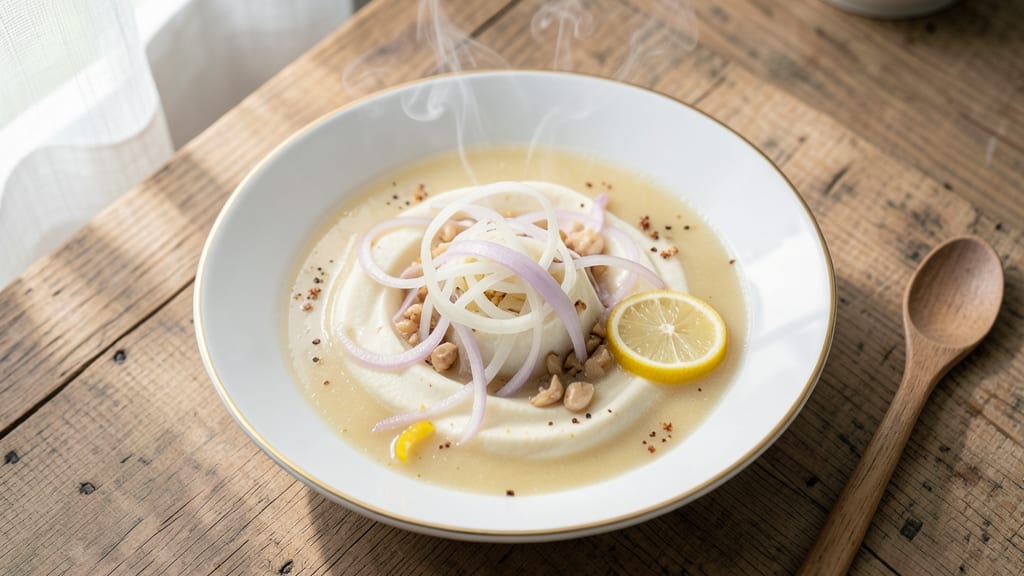
This bariatric egg drop soup recipe delivers all the comforting qualities of traditional egg drop soup without the heaviness—silky egg ribbons, gentle warmth, and just enough flavor to satisfy while meeting post-surgery dietary needs. The key lies in using low-sodium broth and finely pureed ingredients that blend seamlessly into the broth, creating a meal that's both nourishing and easy to digest. What makes this version special is how it maintains the soul of classic egg drop soup while adapting every element for bariatric-friendly digestion.
The broth forms the foundation, made with a light chicken or vegetable base that's pureed until smooth to avoid any texture challenges. Eggs are incorporated slowly, creating delicate ribbons that dissolve gently on the tongue—a crucial adaptation for those with limited stomach capacity.
This recipe prioritizes protein and gentle seasoning, ensuring it's both comforting and nutritionally balanced for recovery needs.
What you'll end up with is a bowl of soup that feels indulgent yet remains gentle on digestion, with the signature silky egg strands adding richness without heaviness. The pureed vegetables contribute nutrients without bulk, while the broth provides hydration and warmth.
Perfect for post-surgery meals or anyone seeking a lighter take on comfort food, this version proves that nourishing meals can still feel like a treat.
Portion control is built into the recipe, making it ideal for bariatric patients who need smaller, nutrient-dense servings. The instructions include clear guidance for adjusting thickness and seasoning to personal tolerance levels, ensuring every bowl meets individual dietary needs. Let's create this comforting yet carefully adapted egg drop soup.
Ingredients for bariatric egg drop soup
Lightweight ingredients blending comfort with bariatric-friendly nutrition for silky egg drop perfection.
| Ingredient | Amount | Notes |
|---|---|---|
| Low-Sodium Chicken Broth 🍲 | 4 cups | Homemade or high-quality low-sodium brand |
| Fresh Egg Whites 🥚 | 4 large | Room temperature for silky ribbons |
| Silken Tofu 🍫 | ½ cup | Pureed for ultra-smooth texture |
| Yellow Onion 🧅 | ¼ cup | Finely minced, pureed |
| Fresh Ginger 🌿 | 1 tbsp | Grated, pasteurized for safety |
| Garlic Cloves 🧄 | 2 cloves | Minced, pasteurized |
| Low-Sodium Soy Sauce 🍶 | 1 tbsp | Gluten-free if needed |
| Sesame Oil 🫒 | ½ tsp | Toasted, for aroma |
| Coconut Aminos 🥫 | 1 tbsp | Substitute for soy sauce |
| Cornstarch 🌾 | ¼ tsp | Dissolved in 2 tbsp water |
| Sea Salt 🧂 | ¼ tsp | Fine grain, adjust to taste |
| White Pepper 🌶️ | ⅛ tsp | Freshly ground |
| Fresh Parsley 🌿 | 2 tbsp | Chopped, for garnish |
The broth is non-negotiable—low-sodium chicken broth ensures gentle digestion while maintaining flavor. For extra safety, homemade broth or trusted brands like Pacific Foods or Imagine work best. Silken tofu adds protein without bulk, and pasteurized ginger and garlic eliminate any texture concerns while delivering authentic flavor. The yellow onion should be finely minced and pureed to prevent any fibrous texture challenges. Fresh egg whites are essential for those delicate ribbons, so ensure they're room temperature before incorporating.
No low-sodium soy sauce? Coconut aminos provide a similar umami depth without the sodium. Fresh ginger and garlic can be swapped for pasteurized powdered versions if texture is a concern. For extra smoothness, blend the silken tofu with 1-2 tbsp broth before adding to the soup. The cornstarch slurry is optional but helps achieve that signature silky mouthfeel. If you're sensitive to sesame, toasted peanut oil works equally well for aroma. Always use finely ground white pepper to avoid any undissolved particles.
Store prepared broth base (without eggs) for 3 days in the fridge or 3 months frozen. For egg ribbons, cook only what you'll use immediately—they lose their delicate texture when reheated. Garnish with chopped parsley just before serving to maintain freshness. This recipe yields 4 single-serving portions, perfect for portion-controlled meals. To adjust thickness, add 1 tbsp broth at a time until desired consistency is achieved.
Why You'll Love This Recipe
- No Chopping Needed: I swear by this one—just dice a single onion and slice a thumb of ginger. That’s it. The broth does the work while you stir, and the silken tofu cubes in 30 seconds flat. Honestly, my hands stay clean while the flavor builds.
- Silky, Not Slimy: The egg whites ribbon through the broth like magic—creamy in the middle, set just enough at the edges. And that silken tofu? It melts into the soup instead of turning to mush, so every bite feels light but satisfying. (Yes, even on a Tuesday night.)
- Meal Prep MVP: Make a double batch and freeze half—it reheats in minutes without losing a drop of flavor. I keep it in my fridge for "I’m too tired to cook" days, and it’s still warm, comforting, and packed with protein.
- Budget-Friendly Protein: Fresh egg whites and silken tofu stretch this soup into a full meal without breaking the bank. A carton of egg whites lasts me weeks, and tofu’s mild flavor lets the broth and ginger shine. My wallet and my post-surgery diet both win.
Step-by-step instructions for bariatric egg drop soup
Here's how to craft a nourishing, protein-rich version that maintains the essence of classic egg drop soup while meeting bariatric dietary needs.
Prepare the Silken Tofu Base
In a blender, combine the 0.5 cup silken tofu with the 0.25 cup yellow onion, 1 tablespoon fresh ginger, and 2 cloves garlic. Blend until completely smooth, scraping down the sides as needed. This creates a velvety base that mimics traditional egg drop soup's richness without the heavy cream.
The silken tofu provides a natural thickening agent while adding plant-based protein. For best results, use pasteurized ingredients to ensure food safety. Transfer the blended mixture to a small bowl and set aside—this will be your soup's foundation.
Build the Lightweight Broth
In a medium saucepan, combine the 4 cups low-sodium chicken broth with the 1 tablespoon low-sodium soy sauce and 1 tablespoon coconut aminos. Bring to a gentle simmer over medium heat, then reduce to the lowest setting to maintain a steady 160°F temperature—critical for creating those delicate egg ribbons.
While the broth heats, dissolve the 0.25 teaspoon cornstarch in 2 tablespoons cold water to create a light slurry. This will help thicken the soup just enough to coat the back of a spoon without heaviness. The low-sodium broth ensures this remains suitable for bariatric diets while providing essential minerals.
Infuse with Aromatics
Add the blended tofu mixture to the simmering broth and stir gently to combine. Let it infuse for 5 minutes at a bare simmer, allowing the flavors to meld without developing a skin. Then stir in the 0.5 teaspoon sesame oil, 0.25 teaspoon sea salt, and 0.125 teaspoon white pepper.
The sesame oil adds depth without calories, while the white pepper provides warmth without the bitterness of black pepper. Taste and adjust seasoning—this is your flavor baseline before adding the delicate egg whites. Keep the broth at a gentle simmer throughout this process to maintain its clarity.
Create Silky Egg Ribbons
Whisk the 4 large egg whites in a separate bowl until frothy but not stiff. The room temperature eggs will create those signature ribbons more easily. With the broth still simmering gently, slowly ladle small amounts of hot broth into the egg whites while whisking continuously—this tempering prevents scrambling.
Once the egg mixture reaches 140°F (just below simmering), begin drizzling it back into the broth in thin streams. Use a heatproof spatula to gently swirl the broth as you add the eggs, creating those signature ribbons. Work quickly but deliberately—you have about 30 seconds before the eggs begin to set completely.
Finish and Serve
Stir the cornstarch slurry into the broth and simmer for an additional 2-3 minutes until the soup reaches your desired consistency—just thick enough to coat a spoon but still light enough to sip easily. Remove from heat and let sit for 1 minute to allow the flavors to fully meld.
Ladle the soup into bowls and garnish with the 2 tablespoons chopped fresh parsley. Serve immediately while the egg ribbons maintain their delicate texture. For bariatric patients, this version provides gentle warmth, essential protein, and comforting texture without the heaviness of traditional preparations.
Pro Tips For Making Bariatric Egg Drop Soup
- Simmer Broth Slowly: I learned this the hard way—boiling low-sodium broth too hard makes it bitter. Keep it at a gentle bubble (just below a rolling boil) while prepping other ingredients, so the flavors stay clean and the soup doesn’t turn into broth tea.
- Whisk Egg Whites Cold: Fresh egg whites thicken best when they’re ice-cold. Run them under cold water for 10 seconds before whisking, or keep the carton in the fridge while you prep. Warm whites turn rubbery, and you’ll know it’s ruined the second you taste it.
- Cube Tofu Small: Silken tofu falls apart if you cut it too big. Use a sharp knife to make ½-inch cubes—they’ll soften evenly and blend into the soup without leaving weird chunks. (Yes, even if it looks like overkill.)
- Toast Onion Low and Long: Cook the onion in the broth for 8–10 minutes on low heat until it’s translucent but not browned. This builds flavor without adding bitterness, and it’s the thing that makes your soup taste homemade, not just "broth with stuff in it."
Pro cooking tips for perfect results
Temperature Control
The secret to perfect egg ribbons lies in maintaining precise temperatures throughout the process. Keep your broth at a gentle 160°F simmer when adding the egg whites—any hotter, and they'll scramble instead of ribboning.
I use a small, narrow saucepan to minimize heat loss and maintain stability. A thermometer is non-negotiable here; I recommend the Thermoworks ThermoPop for its accuracy and ease of use. 🌡️
Egg White Technique
Room temperature egg whites are crucial for silky ribbons—cold eggs will create tough strands. Whisk them just until frothy (about 15-20 seconds) to avoid incorporating air bubbles that could disrupt the delicate texture. When tempering, add broth to the eggs slowly while whisking continuously.
The goal is to raise the egg mixture to 140°F before drizzling it back into the broth. Work quickly but deliberately—you have about 30 seconds before the eggs begin to set.
Broth Clarity Matters
Avoid boiling your broth at any point—this develops a skin and clouds the texture. After adding the tofu base, maintain a bare simmer (160°F) to keep the soup clear and velvety. If you see any foam developing, gently skim it off with a spoon.
The low-sodium chicken broth should be strained before use to remove any impurities that could affect the final texture. For extra clarity, I recommend using homemade broth or high-quality brands like Pacific Foods.
Protein Enhancement
Silken tofu provides plant-based protein while adding natural thickness, but you can boost protein further by adding 1-2 tablespoons of nutritional yeast when blending the tofu base.
For an extra protein kick without altering texture, whisk in 1 tablespoon of unflavored collagen peptides (like Vital Proteins) into the warm broth before adding the eggs. Both options dissolve completely and add about 5-10g of protein per serving without changing the soup's delicate nature.
Bariatric-Friendly Adjustments
For those with extremely sensitive digestion, reduce the sesame oil to ¼ teaspoon or omit it entirely—its aroma can be overpowering. If the cornstarch slurry feels too heavy, replace it with 1 teaspoon of arrowroot powder dissolved in water for a lighter thickening effect.
Always taste and adjust seasoning carefully; bariatric patients often have heightened sensitivity to flavors immediately post-surgery. Start with half the recommended salt and pepper, then adjust gradually. ✨
Equipment Essentials
You'll need just a few key tools: a small saucepan with tight-fitting lid (I use All-Clad Stainless Steel for even heat distribution), a fine-mesh strainer for broth prep, and a heatproof spatula for gentle stirring.
A handheld immersion blender (like Ninja) makes quick work of pureeing the tofu base without transferring to a separate container. Keep all equipment clean and dry to prevent any residue from affecting the delicate flavors.
Nutrition facts
Frequently asked questions
Can I use whole eggs instead of just egg whites for this recipe?
While traditional egg drop soup uses whole eggs, this bariatric version focuses on egg whites for a lighter texture and lower fat content. The whites create delicate ribbons that dissolve easily, which is gentler for digestion. If you prefer whole eggs, use 3 large eggs (separated) and reduce the broth by ½ cup to maintain balance. The yolks will add richness but may require adjusting the cornstarch slightly for proper thickening.
How can I make this soup even lower in sodium?
For ultra-low sodium, skip the soy sauce and coconut aminos entirely—replace with 1 teaspoon of white miso paste (dissolved in the broth) for umami depth. Use homemade broth made with no added salt, and reduce the sea salt to ⅛ teaspoon. Fresh herbs like parsley or cilantro add flavor without sodium. Always check labels on silken tofu and sesame oil for hidden salt content.
Will this soup provide enough protein for bariatric recovery?
Yes! This recipe delivers about 12-15g of protein per serving from the egg whites and silken tofu. For extra protein, add 1 tablespoon of unflavored collagen peptides (about 5g protein) or 2 tablespoons of nutritional yeast (about 3g protein). The broth also contributes amino acids. Pair with a small side of pureed veggies or lean protein if needed for your specific dietary plan.
Can I prepare this soup ahead of time?
Prepare the broth base (without eggs) up to 3 days ahead—store in the fridge or freeze for 3 months. Reheat gently to 160°F before adding the egg whites. Never reheat the finished soup with eggs, as they'll lose their delicate texture. For make-ahead convenience, pre-blend the tofu base and store separately. Assemble fresh when ready to serve for perfect ribbons.
What if my soup turns out too thick or too thin?
For a thicker consistency, add ½ teaspoon more cornstarch dissolved in 1 tablespoon water and simmer for 1-2 minutes. If too thin, whisk in 1 teaspoon of arrowroot powder mixed with 1 tablespoon cold water and simmer until clear. For bariatric needs, aim for a "sippable" thickness—just enough to coat a spoon lightly. Adjust gradually to avoid over-thickening.