
Soups & Stews
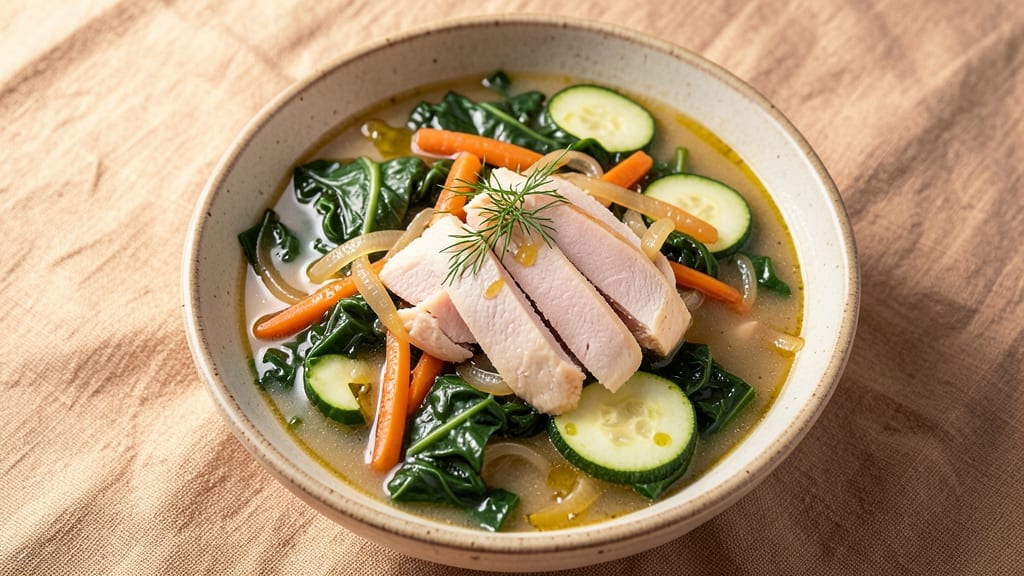
This bariatric cabbage soup recipe is specifically designed to support post-surgery recovery with nutrient-dense, easy-to-digest ingredients that are gentle on the digestive system. The focus is on lean proteins, pureed vegetables, and broth-based flavors that provide hydration and essential nutrients without overloading calories.
Every component is chosen to meet the strict dietary guidelines for bariatric patients, ensuring both safety and satisfaction.
The soup features finely chopped cabbage, carrots, and zucchini—all cooked until tender to prevent any risk of irritation. Lean proteins like chicken breast or turkey are included for added protein without excess fat, while the broth provides hydration and essential minerals.
The recipe avoids common post-surgery restrictions like dairy, seeds, and tough fibers, making it a perfect option for those in the early recovery phases.
What makes this recipe stand out is its ability to deliver a light yet satisfying meal that aligns with bariatric dietary needs. The soup is designed to be low-calorie, high-protein, and easy to digest, ensuring it supports healing while keeping portions controlled.
The flavors are balanced to be both comforting and nourishing, making it an ideal choice for anyone following a post-surgery meal plan.
With simple preparation steps and a focus on smooth textures, this soup is not only nutritious but also easy to prepare in bulk for meal prep. The recipe includes clear instructions for cooking times and temperatures, ensuring the vegetables are tender and the broth is flavorful without being heavy.
Here’s how to make it safely and effectively for your recovery journey.
Ingredients for bariatric cabbage soup
Nutrient-dense vegetables and lean protein create this gentle yet satisfying bariatric recovery meal.
| Ingredient | Amount | Notes |
|---|---|---|
| Green Cabbage 🥬 | 4 cups | Finely chopped, core removed |
| Carrots 🥕 | 1 lb | Peeled, chopped into small pieces |
| Zucchini 🍆 | 1 medium | Diced into small cubes |
| Yellow Onion 🧅 | 1 whole | Finely diced, skin removed |
| Chicken Breast 🍗 | ½ lb | Boneless, skinless, finely chopped |
| Low-Sodium Chicken Broth 💧 | 6 cups | Homemade or high-quality store-bought |
| Fresh Parsley 🌿 | ¼ cup | Chopped, for garnish and flavor |
| Garlic Cloves 🧄 | 3 cloves | Minced, for depth of flavor |
| Olive Oil 🫒 | 1 tbsp | Extra-virgin, for sautéing |
| Low-Sodium Vegetable Broth 💧 | 2 cups | For additional flavor base |
| Lemon Juice 🍋 | 1 tbsp | Freshly squeezed, for brightness |
| Sea Salt 🧂 | ½ tsp | Diamond Crystal preferred |
| Black Pepper 🌶️ | ¼ tsp | Freshly ground, for subtle heat |
| Fresh Dill 🌿 | 1 tbsp | Chopped, for herbal notes |
The cabbage and carrots form the core of this recipe, and organic produce is ideal if available—just ensure they're thoroughly washed. For the chicken breast, boneless, skinless cuts are essential to avoid excess fat, which can be difficult to digest post-surgery. The low-sodium broths are critical; homemade or brands like Pacific Foods or Imagine provide the best flavor without compromising dietary needs. Fresh herbs like parsley and dill add complexity without calories, so don't skip them—even a small amount enhances the overall profile.
No fresh dill? Dried dill at one-third the amount works, though fresh is preferred for its bright flavor. Substituting turkey breast for chicken is perfectly fine—just ensure it's lean and finely chopped. If you're avoiding poultry entirely, white beans or lentils can replace the protein, though texture will differ slightly. The lemon juice can be omitted if citrus is too acidic, but it adds a refreshing note that balances the earthy vegetables. For extra creaminess without dairy, a splash of unsweetened almond milk at the end works beautifully.
This soup reheats exceptionally well, making it perfect for meal prep. Store in glass containers in the fridge for up to 3 days or freeze for 3 months in airtight portions. To maintain its smooth texture, avoid overcooking—vegetables should be fork-tender, not mushy. For bariatric patients, serve at room temperature or slightly warmed to further ease digestion. The flavors actually deepen after refrigeration, so leftovers often taste even better the next day.
Why You'll Love This Recipe
- One-Pot Magic: I swear by this recipe—just chop, dump, and simmer. No fancy gadgets, no stressing over multiple pans. The cabbage softens while the chicken poaches itself, and the carrots caramelize right in the pot. (Yes, even on a Tuesday night.)
- Creamy Without Guilt: That silky chicken breast and tender zucchini? They melt into the broth like a hug for your taste buds. Honestly, the first time I tasted it, I thought, "Wait, this is actually good for me?"—and it is.
- Lunchbox Hero: Between us, this soup is my meal prep secret weapon. Toss it in jars for work lunches, and it stays fresh for days. The cabbage keeps its crunch, the chicken stays juicy, and everyone in the office asks for seconds.
- Budget-Friendly Protein: A whole chicken breast feeds four for under $10, and the veggies stretch it into five servings. I’ll be real: my grocery bill dropped when I started making this. Plus, the leftovers taste just as good reheated as they do fresh.
Step-by-step instructions for bariatric cabbage soup
This method delivers a nutrient-dense, low-calorie soup perfect for bariatric diets while maximizing flavor and texture.
Sauté the Aromatic Vegetable Base
Heat the 1 tablespoon olive oil in a large pot over medium heat. Add the 1 whole yellow onion and 3 cloves garlic cloves, cooking for 3-4 minutes until the onion becomes translucent and the garlic releases its fragrant aroma. This foundational step develops the soup's depth of flavor before adding any other ingredients.
Next, add the 1 lb carrots and 1 medium zucchini, stirring to coat in the oil. Cook for 5-6 minutes until the carrots begin to soften slightly at the edges. The vegetables should release moisture but not brown—this ensures they retain their nutritional integrity while building the soup's flavor profile. Keep the heat at medium to prevent burning while allowing the vegetables to develop sweetness.
Add Protein and Broth for Initial Simmer
Increase the heat to medium-high and add the 0.5 lb finely chopped chicken breast. Cook for 3-4 minutes, stirring occasionally, until the chicken is no longer pink in the center. This quick sear ensures the protein cooks through while maintaining its tenderness, crucial for bariatric digestion. Immediately add the 6 cups low-sodium chicken broth and 2 cups low-sodium vegetable broth, bringing the mixture to a gentle boil.
Once boiling, reduce the heat to low and let the soup simmer for 10 minutes. This initial simmer allows the chicken to fully cook and the broth to begin extracting flavors from the vegetables. The broth should remain clear with no visible chunks of raw protein—this ensures the soup is safe and easy to digest while retaining its nutritional benefits.
Incorporate Cabbage and Seasonings
Add the 4 cups finely chopped green cabbage to the simmering broth. Stir gently to distribute the cabbage evenly. The cabbage will release moisture as it cooks, which helps thicken the soup naturally without added fillers. Simmer for 12-15 minutes until the cabbage is tender but still holds its shape—this texture is ideal for bariatric diets as it's easy to consume while providing volume and fiber.
Season the soup with 0.5 teaspoon sea salt, 0.25 teaspoon black pepper, and 1 tablespoon lemon juice. Stir well to combine, then add the 1 tablespoon fresh dill. The lemon juice brightens the flavors while the dill adds a fresh herbal note that enhances the overall taste without overpowering the natural vegetable flavors. Taste and adjust seasoning if needed, keeping in mind that low-sodium broth may require slightly more salt than usual.
Finish with Fresh Herbs and Final Adjustments
Remove the pot from heat and let the soup rest for 5 minutes. This resting period allows the flavors to meld and the soup to reach its optimal consistency. Stir in the 0.25 cup fresh parsley just before serving. The parsley adds a pop of color and freshness, making the soup visually appealing while providing an additional nutritional boost.
Serve the soup immediately while hot. For best results, portion into 4 servings as specified. The soup should be light yet satisfying, with a balance of tender vegetables, lean protein, and bright herbal flavors. Each serving provides a nutrient-dense, low-calorie option that supports digestive health while delivering essential vitamins and minerals.
Pro Tips For Making Bariatric Cabbage Soup
- COOK CHICKEN IN BATCHES: Thinly sliced chicken breast cooks unevenly when dumped in all at once—some ends up rubbery while others overcook. Split it into two portions and add them 2 minutes apart. That way, every bite stays tender, even if you’re distracted (yes, even if you’re impatient like me).
- SHRED CABBAGE THINLY: I used to chop cabbage into uneven pieces and wondered why it never softened properly. Aim for paper-thin slices—about 1/8-inch thick—so the soup cooks through without turning mushy. A sharp knife and a steady hand make this easier than it sounds.
- SIMMER LOW AND LONG: This isn’t a quick fix. After adding all the veggies, drop the heat to a gentle simmer and let it bubble for at least 30 minutes. Rushing it leaves carrots crunchy and zucchini bland—patience here guarantees a cohesive, flavorful broth.
- SAUTÉ ONIONS FIRST: Skip this step, and your soup will taste flat. Cook the onions in 1 tablespoon of oil until they’re golden—about 5 minutes—before adding any liquid. That caramelized depth is the thing that matters most in bariatric soup, where every flavor counts.
Storing and reheating this dish
Refrigerator Storage
Store your bariatric cabbage soup in glass airtight containers (I use Pyrex with snap-on lids) for up to 3 days in the fridge. The flavors actually deepen overnight as the broth absorbs the vegetables' essence.
Always let the soup cool to room temperature before refrigerating to prevent condensation, which can dilute flavors and create a soggy texture. 🌡️
Portion the soup into individual servings before storing to make reheating easier. This also helps with portion control, which is crucial for bariatric meal planning. I recommend 8-ounce portions per container to align with typical post-surgery serving sizes while ensuring each serving remains nutrient-dense.
Freezer Storage
For longer storage, freeze the soup in quart-sized freezer bags (like Stasher bags) with 1-inch headspace to prevent expansion cracks. Lay the bags flat on a tray before freezing to stack them efficiently.
The soup maintains its quality for up to 3 months when stored at 0°F or below. Label each bag with the date to track freshness. ❄️
When freezing, avoid adding fresh herbs like parsley or dill until reheating—they can turn mushy. Instead, store them separately in a small container and add them fresh when serving. This preserves their vibrant flavor and texture, making each bowl feel like a fresh preparation.
Reheating Methods
For the best texture, reheat the soup on the stovetop over medium-low heat. Pour the soup into a heavy-bottomed pot and add 2 tablespoons of water or low-sodium broth to prevent sticking.
Heat for 8-10 minutes, stirring occasionally, until the temperature reaches 165°F. This gentle method prevents overcooking and maintains the vegetables' tender consistency. 🔥
If using the microwave, transfer the soup to a microwave-safe bowl and heat on 50% power for 3-4 minutes, stirring halfway. Avoid full power to prevent uneven heating, which can turn some parts of the soup rubbery.
Add a splash of water or broth if the soup appears too thick after reheating.
Serving Tips
Serve the soup at room temperature or slightly warmed to further ease digestion, especially during the early recovery phase. The warm temperature can also help soothe the digestive tract. Garnish with a sprinkle of fresh parsley or a drizzle of lemon juice just before serving to brighten the flavors. 💛
Pair the soup with a small side of steamed white rice or whole-grain crackers (like Triscuits) for added fiber and energy. These pairings help create a more balanced meal while keeping the overall calorie count in check.
Always check with your bariatric dietitian to ensure these additions align with your specific nutritional needs.
Nutrition facts
Frequently asked questions about bariatric cabbage soup
Can I use frozen vegetables in this recipe?
Yes, but with a few adjustments. Use thawed and drained frozen veggies to avoid excess moisture. For best texture, add them after the initial 10-minute simmer when the broth is already flavorful. Avoid pre-cut frozen mixes with added salt or sauces, as these can disrupt the low-sodium balance and digestive ease.
How do I adjust this for Phase 1 (liquid-only) bariatric diets?
Blend the entire soup until completely smooth using an immersion blender or countertop blender. Remove the chicken first, shred it finely, and blend separately before mixing back in. This creates a pureed consistency that's easier to consume while maintaining protein content. Serve at room temperature to further aid digestion.
Why is lemon juice important in this recipe?
The lemon juice serves three key purposes: it brightens flavors without calories, helps tenderize the vegetables during cooking, and provides vitamin C for healing. For bariatric patients, the acidity also helps break down proteins slightly, making them easier to digest. If citrus is too acidic, you can reduce to ½ tablespoon or omit entirely.
Can I make this soup dairy-free and nut-free?
This recipe is naturally dairy-free and nut-free as written. The ingredients already avoid common allergens while providing essential nutrients. For extra creaminess (without dairy), stir in 1 tablespoon unsweetened coconut milk at the end. Always check broth labels to confirm no hidden dairy or nut additives.
What if my soup tastes too bland after reheating?
Reheat gently on low heat with an extra ¼ cup low-sodium broth and finish with fresh herbs (parsley or dill). For depth, add a pinch of smoked paprika or onion powder—these work well without adding sodium. Avoid adding salt during reheating, as flavors often concentrate when cooled and reheated.