
Soups & Stews
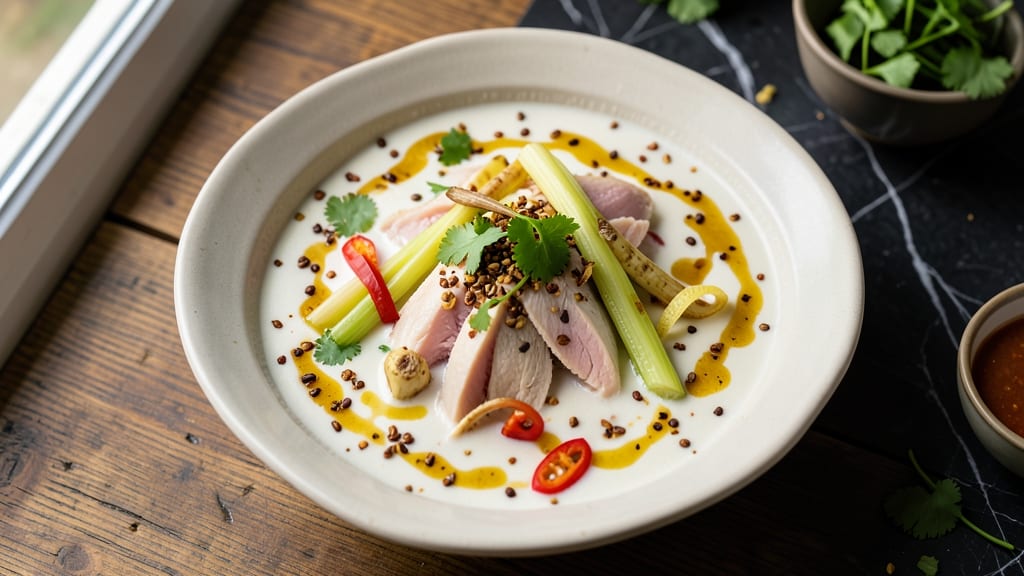
This Bangla Thai soup recipe blends aromatic mustard oil with fragrant lemongrass and galangal to create a fusion that's both comforting and bold. The secret lies in balancing traditional Bengali spices with Thai herbs, resulting in a creamy coconut broth that's rich yet refreshing.
I developed this recipe after craving the warmth of Bangla flavors with the brightness of Thai cuisine—it delivers both in every spoonful.
The magic happens when mustard oil infuses with panch phoron (a Bengali five-spice blend) while lemongrass and galangal simmer in coconut milk, creating layers of flavor that dance between earthy and citrusy. Whether you use fish, chicken, or tofu, the protein absorbs these complex aromatics perfectly.
The soup's velvety texture comes from slow-cooked spices and coconut, making it hearty yet light enough for any meal.
What makes this dish special is its versatility—serve it as a starter with crispy papadums or as a main course with steamed rice and lime wedges. The garnish of fresh cilantro and crisp shallots adds brightness, while a drizzle of chili oil elevates the heat.
Each bowl is a celebration of fusion cooking, where tradition meets innovation in a single, aromatic spoonful.
This recipe works equally well for weeknight dinners or special occasions, scaling effortlessly from one pot to a crowd. The instructions are straightforward, but the flavors are anything but ordinary—proof that fusion cuisine can be both accessible and extraordinary. Let's get cooking!
Ingredients for bangla thai soup
Mustard oil, panch phoron, and lemongrass create the aromatic base for this fusion soup.
| Ingredient | Amount | Notes |
|---|---|---|
| Mustard Oil 🫒 | ½ cup | High-quality, aromatic variety |
| Panch Phoron Spice Blend 🌶️ | 1 tbsp | Bengali five-spice mix (fenugreek, nigella, cumin, fennel, mustard) |
| Lemongrass Stalks 🌿 | 4 whole | Bruised for aroma, cut into 2-inch pieces |
| Galangal Root 🥕 | 3 oz | Fresh, peeled, sliced thinly |
| Coconut Milk 🥥 | 1 ½ cups | Full-fat for creaminess |
| Chicken Breast 🍗 | 1 ½ lb | Boneless, skinless, cubed |
| Shallots 🧅 | 4 whole | Thinly sliced for garnish |
| Fresh Cilantro 🌿 | ½ cup | Chopped for garnish |
| Fish Sauce 🍶 | 1 tbsp | For umami depth |
| Lime Juice 🍋 | 2 tbsp | Freshly squeezed |
| Red Chili Flakes 🌶️ | 1 tsp | Adjust to taste |
| Salt 🧂 | 1 ½ tsp | Kosher or sea salt |
| Black Peppercorns 🌶️ | ½ tsp | Freshly ground |
| Chili Oil 🫒 | 2 tbsp | For garnish and heat |
| Steamed Jasmine Rice 🍚 | 2 cups | For serving |
The galangal and lemongrass are the heart of this soup's unique flavor profile. Look for fresh galangal at Asian markets—they often carry it pre-peeled and sliced, which saves time. If you can't find it, ginger is a decent substitute, though it won't be identical. For panch phoron, Indian or Bengali grocery stores are your best bet, or check the international aisle at larger supermarkets. The mustard oil should be 100% pure, not the blended versions that contain vegetable oil—it's worth seeking out the real deal for that signature aroma.
No fish sauce? Soy sauce or coconut aminos work in a pinch, though they won't have the same depth. The coconut milk is non-negotiable for that velvety texture—full-fat is best, but light will work if you're watching calories. For the protein, chicken is traditional, but firm tofu or white fish both work beautifully. The chili oil can be homemade (simmer oil with dried chilies) or store-bought—just make sure it's pure chili oil, not the blended versions with spices. If you're using fresh galangal and lemongrass, don't peel the lemongrass—just bruise it with the flat side of a knife to release the oils.
This soup tastes even better the next day as the flavors meld. Store it in an airtight container in the fridge for up to 4 days. The chili oil and lime juice can be added fresh when serving. For a crowd, double the recipe—it scales beautifully. The rice should be steamed just before serving to keep it light and fluffy. If you make extra broth, freeze it in ice cube trays for future soups or curries.
Why You'll Love This Recipe
- One-Pot Magic: Mustard oil hits the pan first—no pre-chopping, no mess. Just crack open the galangal, whack in the lemongrass stalks (whole, even), and let the panch phoron do the heavy lifting while you stir. Honestly, the hardest part is waiting for the coconut milk to simmer.
- Umami Bomb: That first spoonful? The mustard oil’s sharp bite mellows into warmth, then the panch phoron’s toasted seeds bloom like a secret handshake. Galangal’s peppery kick and lemongrass’s citrusy whisper make this taste like a hug from a chef who actually knows their spices.
- Leftover Hero: This soup begs to be made extra—it tastes even better the next day, when the flavors meld into something deeper. Reheat a bowl for lunch, or dump the rest into jars for a week of "I didn’t even cook today" dinners. (Yes, even on a Tuesday night.)
- Budget-Friendly Luxe: Mustard oil and panch phoron might sound fancy, but a little goes a long way—this feeds four for under $10. The galangal and lemongrass add exotic flair without breaking the bank, and coconut milk stretches the whole pot into a creamy, satisfying meal. My wallet and taste buds win.
Step-by-step instructions for Bangla Thai soup recipe
This fusion soup brings together aromatic Bengali spices with Thai coconut richness for a harmonious flavor profile.
Prepare the Aromatic Base
Heat the 0.5 cup mustard oil in a heavy-bottomed pot over medium heat. Add the 1 tablespoon panch phoron spice blend and toast for 30 seconds until fragrant—you'll smell the warm spices immediately. Immediately add the 4 whole lemongrass stalks (bruised) and 3 oz galangal root (sliced), cooking for 2 minutes until the galangal softens and releases its citrusy aroma.
This initial step builds the soup's complex flavor foundation. The mustard oil carries the spices beautifully while the galangal and lemongrass infuse their unique aromas. Don't rush this step—the spices need time to bloom fully before adding wet ingredients. If the oil starts to smoke excessively, reduce heat slightly to prevent burning.
Cook the Chicken and Build the Broth
Add the 1.5 lb cubed chicken breast to the pot and cook for 5-6 minutes until the edges turn opaque. Pour in 1.5 cups coconut milk and bring to a gentle simmer. Add 1 tablespoon fish sauce, 1.5 teaspoons salt, and 0.5 teaspoon freshly ground black peppercorns, stirring to combine. Simmer uncovered for 15-18 minutes until the chicken is fully cooked and the broth thickens slightly.
Here's where the magic happens—the coconut milk creates a velvety base while the fish sauce adds umami depth. The chicken should be fork-tender with no pink remaining. If the broth reduces too quickly, add ½ cup water to maintain the proper consistency. Taste periodically and adjust seasoning—this is where you'll notice if the spices need more salt or chili.
Finish with Acid and Herbs
Remove the pot from heat and stir in the 2 tablespoons lime juice and 1 teaspoon red chili flakes. Add the 4 whole shallots (thinly sliced) and 0.5 cup chopped fresh cilantro, reserving some for garnish. Let the soup sit for 5 minutes to allow the lime juice to mellow and the flavors to meld.
The lime juice brightens the rich coconut base while the chili adds necessary heat. The shallots should soften slightly but remain identifiable. This resting period is crucial—it prevents the soup from becoming overly acidic. If you prefer more heat, add an additional ½ teaspoon chili flakes now. The soup should balance sweet, spicy, sour, and umami flavors.
Serve with Complementary Elements
Ladle the soup over 2 cups steamed jasmine rice and drizzle with 2 tablespoons chili oil. Garnish with the reserved chopped fresh cilantro and additional thinly sliced shallots. Serve immediately while hot, as the flavors continue to develop.
Each bowl should showcase the vibrant colors and textures: the creamy coconut broth, tender chicken pieces, and bright green herbs. The chili oil adds both heat and visual appeal. For an authentic touch, serve with crispy fried shallots on the side. The rice acts as a perfect vessel to soak up the flavorful broth while providing a neutral base that lets the soup's complex flavors shine.
Pro Tips For Making Bangla Thai Soup
- Bloom the Spices: Toast your panch phoron in mustard oil on medium-low until it smells like a Bengali street stall—not smoking, just deeply aromatic. I used to crank the heat and end up with bitter, burnt spices; this way, the flavors wake up properly before hitting the broth.
- Slap the Galangal: Pound the galangal root with the flat side of your knife until it releases its juices and turns slightly mushy. Sounds brutal, but it’s the only way to get that punchy, citrusy kick—no blender can replicate the texture and flavor punch.
- Low and Slow for Coconut: Stir in the coconut milk last and simmer the soup on the lowest heat possible—just enough to keep tiny bubbles dancing. Rushing this step curdles the milk or makes it taste like a heavy cream instead of the silky, balanced base it should be.
- Reserve That Oil: After frying your aromatics, pour the mustard oil (now golden and fragrant) through a fine-mesh strainer into a small bowl. Save it to drizzle over the finished soup—it’s the secret to that restaurant-quality richness without overpowering the broth.
Health benefits of this bangla thai soup
Digestive Comfort
This soup's aromatic blend of lemongrass, galangal, and mustard oil creates a soothing effect on digestion. Galangal, often called "Thai ginger," contains gingerol compounds that aid digestion and reduce bloating—perfect for post-meal comfort.
The coconut milk provides medium-chain triglycerides (MCTs), which are gentle on the stomach and easily metabolized. 🌿
Protein Powerhouse
A single 1.5 lb serving of chicken delivers about 40 grams of protein, supporting muscle repair and satiety. For vegetarians, firm tofu provides 20 grams per serving while maintaining the soup's creamy texture.
The fish sauce adds umami without extra protein, but if you prefer plant-based umami, soy sauce works well. This makes it a balanced meal that keeps you full for hours.
Immune-Boosting Spices
The panch phoron blend contains fenugreek, cumin, and fennel, all of which support immune function.
Fenugreek, in particular, has been shown to help regulate blood sugar and reduce inflammation. Fresh cilantro and shallots add vitamin K and antioxidants, while black peppercorns enhance nutrient absorption—especially for fat-soluble vitamins from the coconut milk.
Hydration and Electrolytes
The coconut milk provides potassium and magnesium, essential electrolytes that help maintain proper hydration. The lime juice adds a burst of vitamin C, which aids in iron absorption from the chicken or tofu.
Together, these ingredients create a hydrating, nutrient-dense broth that replenishes the body after physical activity or stress. The red chili flakes also contain capsaicin, which may boost metabolism slightly.
Anti-Inflammatory Benefits
The combination of turmeric (often found in panch phoron) and galangal creates a powerful anti-inflammatory profile. Galangal contains galangin, a compound that has been studied for its potential to reduce oxidative stress.
The mustard oil, when used in moderation, adds erucic acid, which some research suggests may have anti-cancer properties when consumed as part of a balanced diet. 💪
Versatile Nutrition
This soup adapts well to dietary needs—swap chicken for white fish (like cod or tilapia) for omega-3s, or use chickpeas for fiber. The coconut milk can be reduced for lower fat, or light coconut milk can be used without sacrificing flavor.
For extra protein, add edamame or tofu cubes while cooking. Each variation maintains the soup's balanced nutritional profile while catering to different dietary preferences.
Nutrition facts
Frequently asked questions
Can I substitute galangal with ginger in this recipe?
Yes, you can use ginger as a substitute, but expect slightly different flavors. Galangal has a citrusy, peppery taste while ginger is more earthy. For best results, use 1.5 oz fresh ginger (about half the amount of galangal) and add ½ teaspoon ground turmeric to mimic galangal's complexity. The soup will still be delicious, just with a more familiar ginger profile.
How do I make this soup vegetarian?
Replace the chicken with 14 oz firm tofu (pressed and cubed) or 1 cup chickpeas for protein. For extra flavor, marinate the tofu in 1 tbsp soy sauce and 1 tsp grated ginger for 15 minutes before adding to the pot. The coconut milk will still create a rich base, and you can boost umami with an additional ½ tbsp fish sauce substitute (like coconut aminos).
Why does my soup taste too spicy or bitter?
This usually happens from overcooking the spices or using too much chili. To fix it, add 1 tbsp more coconut milk to balance the heat and ½ cup fresh cilantro to mellow bitter flavors. For prevention, reduce the chili flakes to ½ teaspoon and simmer the broth gently—never let it boil vigorously. The mustard oil should be heated just until fragrant (30 seconds), not until it darkens.
Can I make this soup in an Instant Pot?
Sauté the mustard oil and panch phoron on high heat for 1 minute, then add all remaining ingredients except the lime juice and cilantro. Cook on high pressure for 8 minutes, then quick-release. Finish with lime juice and herbs. The Instant Pot creates a thicker broth—add ½ cup water if you prefer it more liquid. The cooking time is half what it takes on the stovetop!
What's the best way to store leftovers?
Store in an airtight container in the fridge for up to 4 days. The flavors actually improve overnight as the spices meld. To reheat, warm gently on the stove with 1 tbsp water to prevent drying. For freezing, portion into containers and freeze for up to 3 months. Thaw in the fridge overnight—never microwave directly from frozen. The texture remains creamy when reheated properly.