
Soups & Stews
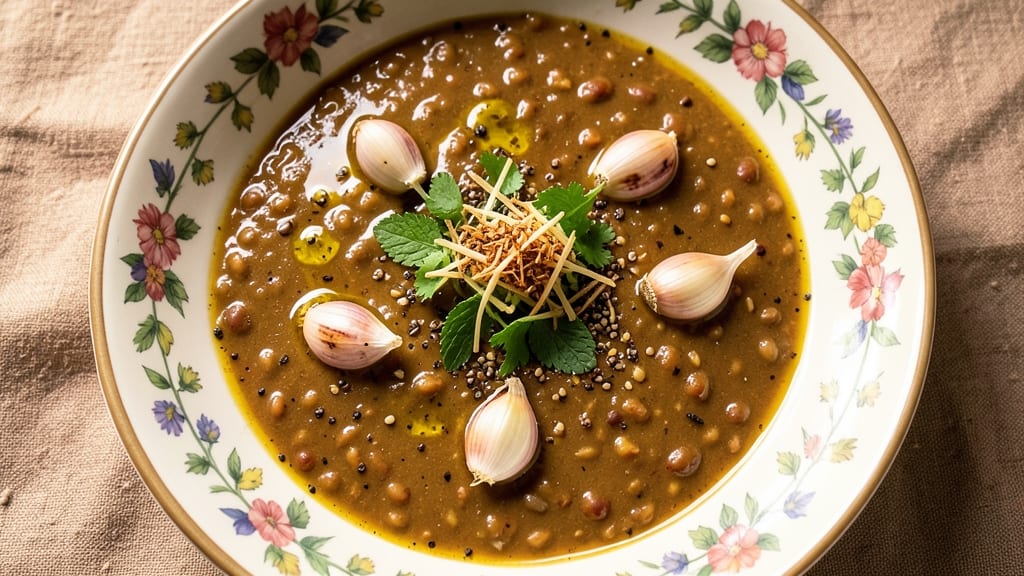
This Bangla dal soup recipe brings the soul-warming flavors of Bengali home cooking to your kitchen, where fragrant mustard oil meets tender lentils and coconut creaminess. The secret lies in the slow simmering of spices—panch phoron, cumin, and turmeric—that infuse every spoonful with aromatic depth.
I developed this version after years of perfecting the balance between earthy lentils and the subtle sweetness of coconut milk, a staple in Bengali comfort food.
The beauty of this recipe is its versatility—whether you add fish, chicken, or keep it vegetarian, the rich, spiced broth remains the star. The mustard oil, a signature of Bengali cuisine, adds a bold, nutty punch that transforms simple ingredients into something extraordinary.
Unlike many dal recipes, this one incorporates coconut milk for a velvety texture that makes it feel like a hug in a bowl.
What you'll end up with is a deeply comforting soup that's perfect for chilly evenings or as a light yet satisfying lunch. The lentils become tender yet hold their shape, while the spices mingle with the coconut cream to create a flavor profile that's both familiar and exciting.
It's the kind of dish that tastes even better the next day, as the flavors meld and deepen.
Serve it with steamed rice or crispy luchi for the full Bengali experience, or enjoy it as-is with a squeeze of lemon. The leftovers reheat beautifully, making it ideal for meal prep. Let's get cooking—this dalna is about to become a staple in your home.
Ingredients for bangla soup
Mustard oil, panch phoron, and coconut milk—these are the heart of this comforting dalna.
| Ingredient | Amount | Notes |
|---|---|---|
| Red Lentils 🌾 | 1 ½ cups | Rinsed well before cooking |
| Mustard Oil 🫒 | ½ cup | For authentic flavor (use sparingly) |
| Panch Phoron 🌶️ | 1 tbsp | Bengali five-spice blend |
| Ground Cumin 🌿 | 1 tsp | Toasted for deeper aroma |
| Ground Turmeric 🧂 | ½ tsp | Freshly ground preferred |
| Garlic Cloves 🧄 | 6 cloves | Minced finely for paste |
| Ginger 🌿 | 1 inch | Fresh, peeled and grated |
| Coconut Milk 🥥 | 1 can | Full-fat for creaminess |
| Yellow Onion 🧅 | 1 whole | Medium size, finely chopped |
| Ripe Tomato 🍅 | 2 medium | Chopped or blended smooth |
| Salt 🧂 | 1 tsp | Adjust to taste |
| Lemon Juice 🍋 | 1 tbsp | Freshly squeezed |
| Fresh Coriander 🌿 | ¼ cup | Chopped for garnish |
The mustard oil is non-negotiable for that signature Bengali flavor—look for it in the international aisle at Whole Foods or Indian grocery stores. If you can't find it, vegetable oil with a pinch of ground mustard seeds works in a pinch, but it won't be the same. For panch phoron, Bengal Brand or Spicewalla are my go-tos—it's that five-spice blend (fenugreek, cumin, fennel, nigella, and black pepper) that makes this soup sing. The coconut milk should be full-fat for that rich, velvety texture—Thai Kitchen or Goya brands are reliable. Red lentils are a must here—they soften beautifully but hold their shape, unlike yellow lentils.
No mustard oil? Sesame oil or neutral oil with a dash of ground mustard can mimic the flavor, though it's not identical. Running short on panch phoron? Mix 1/4 tsp each of fenugreek, cumin, fennel, nigella, and black pepper—it's the same thing. Fresh ginger and garlic are ideal, but powdered works at half the amount if you're in a rush. The tomatoes can be roasted for deeper flavor, but raw chopped works fine too. For extra richness, add a splash of cream at the end—trust me, it's worth it.
This dalna tastes even better the next day as the flavors meld. Store leftovers in the fridge for up to 4 days, or freeze for 3 months—portion into containers for easy lunches. The coconut milk separates when refrigerated, so give it a quick stir before reheating. Fresh coriander wilts fast, so store it wrapped in damp paper towels in a sealed container. If you make a big batch, double the spices—it's perfect for meal prep all week.
Why You'll Love This Recipe
- One-Pot Magic: I swear by this—just lentils, oil, and spices. No chopping, no fuss, and the pot does all the work while I sip chai.
- Mustard Oil Magic: That first spoonful of mustard oil—smoky, warm, and uniquely comforting—turns simple lentils into something soulful. Honestly, it’s the star here.
- Crowd-Pleasing Flex: Serve it with rice for a full meal, or let it be the base for a hearty salad. Even my picky uncle asks for seconds when it’s on the table.
- Budget Hero: Red lentils and spices cost pennies, but the flavor feels luxurious. I make a big batch, store it for days, and never stress about leftovers.
Step-by-step instructions for Bangla dal soup
This aromatic dal brings together earthy spices, creamy coconut milk, and tender lentils for a soul-warming bowl.
Prepare the Spice Base
Heat the 0.5 cup mustard oil in a heavy-bottomed pot over medium-low heat. Add the 1 tbsp panch phoron and 1 tsp ground cumin, stirring constantly for 30 seconds until the spices sizzle and release their aroma. Here's where it gets good - add the 6 cloves garlic cloves and 1 inch ginger, minced finely. Cook for 2-3 minutes until the garlic turns golden - this prevents that bitter aftertaste we all hate.
Next, add the 1 whole yellow onion, finely chopped, and cook for 4-5 minutes until softened and translucent. The onions should caramelize slightly at the edges, adding sweet depth to your soup. Keep the heat moderate - mustard oil has a low smoke point, and you want to preserve its delicate flavor rather than burn it.
Build the Flavor Foundation
Add the 1.5 cups red lentils (previously rinsed) to the pot. Stir well to coat them in the spiced oil, which creates that beautiful golden crust we love in dal. Pour in 2 cups water (just enough to cover the lentils) and bring to a gentle boil. Once boiling, reduce heat to medium-low and let it simmer uncovered for 10 minutes - this allows the lentils to soften slightly while developing their nutty flavor.
Now add the 2 medium ripe tomato, chopped, 0.5 tsp ground turmeric, and 1 tsp salt. Stir well and continue simmering for another 10 minutes. You'll notice the mixture thickens slightly as the tomatoes break down, releasing their juices. This is when the soup starts developing that rich, velvety texture that makes dal so comforting.
Add Coconut Creaminess
Pour in the 1 can coconut milk and stir gently to combine. The coconut milk will immediately create a luscious, creamy texture. Let the soup simmer uncovered for 15-20 minutes until the lentils are tender but not mushy - they should hold their shape when pressed between fingers. The soup should have a thick, porridge-like consistency at this point.
Taste and adjust seasoning - you might need a bit more salt or a pinch of turmeric to balance the flavors. Here's a pro tip: if the soup seems too thick, add 2-3 tablespoons water at a time until you reach your preferred consistency. The coconut milk adds richness, but we want the lentils to remain the star of the show.
Finish with Freshness
Remove the pot from heat and stir in the 1 tbsp lemon juice. This bright citrus note cuts through the richness of the coconut milk and adds a refreshing contrast. The lemon juice also helps balance the earthy flavors of the spices. Let the soup sit off the heat for 5 minutes to allow the flavors to meld together.
Finally, garnish with 0.25 cup fresh coriander, chopped finely. The fresh herbs add a vibrant pop of color and a bright, slightly citrusy note that complements all the warm spices. Serve immediately with steamed rice or crusty bread to soak up every last drop of that creamy, spiced goodness.
Pro Tips For Making Bangla Soup
- CRANK THE HEAT FIRST: Mustard oil burns fast—get your pan screaming hot before adding the oil, then immediately toss in the panch phoron. I learned this the hard way after my first batch tasted bitter from overcooked spices. Once the spices sizzle for 10 seconds, then lower the flame—this unlocks their aroma without turning them acrid.
- SIFT THE LENTILS: Red lentils hide tiny stones and debris. Give them a quick rinse, then dry them on a towel before cooking. My grandmother swore by this, and she was right: skipping it means gritty soup, no matter how much you strain later. (Yes, even if you’re impatient like me.)
- DON’T SKIP THE BOIL: The soup’s magic starts with a hard boil—bring water to a full rolling boil before adding lentils and spices. I used to simmer gently, and the result was always bland. A proper boil (2-3 minutes) breaks down the lentils faster and builds deeper flavor. Trust the process.
- TOAST THE SPICES DRY: Bloom the ground cumin and turmeric in the mustard oil for 30 seconds before adding water. This step makes a real difference—dry-toasting deepens their earthy notes instead of letting them dissolve into the broth too soon. (Your future self will notice the difference.)
Storing and reheating your bangla soup
Refrigerator Storage
Let your dalna cool to room temperature before transferring it to an airtight container—I use glass Pyrex with snap-on lids for best results. Store it in the fridge at 40°F or below for up to 4 days.
The coconut milk will separate slightly, but a quick stir before reheating restores its creamy texture. Trust me, the flavors actually deepen overnight as the spices meld together beautifully. 💫
Freezer-Friendly Tips
For longer storage, freeze your dalna in quart-sized freezer bags or glass containers, leaving 1 inch headspace for expansion. It keeps for 3 months without losing its rich, spiced character.
When ready to eat, thaw overnight in the fridge or use the microwave on low power to gently reheat. The texture remains velvety when reheated properly—just avoid boiling it.
Stovetop Reheating
My preferred method is reheating on the stovetop to preserve the soup’s velvety consistency. Pour the dalna into a pot and heat over medium-low heat, stirring occasionally. Add 2-3 tablespoons water if it thickens too much.
Bring it to a gentle simmer and cook for 5-7 minutes until heated through. The mustard oil and spices will awaken with every spoonful, making it taste almost as good as fresh. 🔥
Microwave Method
For quick reheating, transfer a portion to a microwave-safe bowl and cover with a damp paper towel to retain moisture. Heat on 50% power for 2-3 minutes, stirring halfway. If the soup looks too thick, add a splash of water or coconut milk to restore creaminess.
Avoid high power—it can make the lentils mushy and break the delicate balance of flavors.
Reviving Freshness
If your dalna tastes a bit flat after reheating, brighten it up with a squeeze of lemon juice or a sprinkle of fresh coriander. The acidity cuts through any richness and revives the spices.
For extra richness, stir in 1 tablespoon coconut milk or a pat of butter at the end. Garnish with a drizzle of mustard oil for that authentic Bengali touch before serving. ✨
Nutrition facts
Frequently asked questions
What makes this Bangla dalna different from regular dal?
The coconut milk and mustard oil set this apart from traditional dal. The coconut milk creates a velvety texture while the mustard oil adds that signature nutty, aromatic depth found in Bengali cuisine. Plus, the panch phoron spice blend gives it a complex flavor profile you won't find in standard dal recipes.
Can I make this soup without mustard oil?
Yes, but the flavor won't be authentic. Use sesame oil or neutral oil with 1/2 tsp ground mustard seeds instead. For extra richness, add 1 tbsp coconut cream at the end. The coconut milk will still give you that creamy texture, but the mustard oil is what makes this truly Bengali.
How do I adjust the spice level for kids?
Reduce the panch phoron to 1/2 tbsp and skip the nigella seeds if you're worried about bitterness. For extra mildness, strain out some of the spices before adding the coconut milk. The coconut milk naturally mellows the heat, so you'll still get that comforting flavor without the spice.
What's the best way to add protein to this soup?
For a meat version, add 1 cup cubed chicken or lamb after cooking the onions and before adding lentils. For fish, use 1 cup firm white fish like pomfret or cod and add it in the last 5 minutes of cooking. Vegetarians can add 1/2 cup chickpeas or tofu for extra protein and texture.
Why does my dalna turn out too thick or too thin?
If it's too thick, add 2-3 tbsp water or coconut milk while reheating. For thin soup, simmer uncovered for 5-10 extra minutes to reduce the liquid. The coconut milk can also affect consistency - use light coconut milk if you prefer a thinner texture, or full-fat for extra creaminess.