
Main Courses
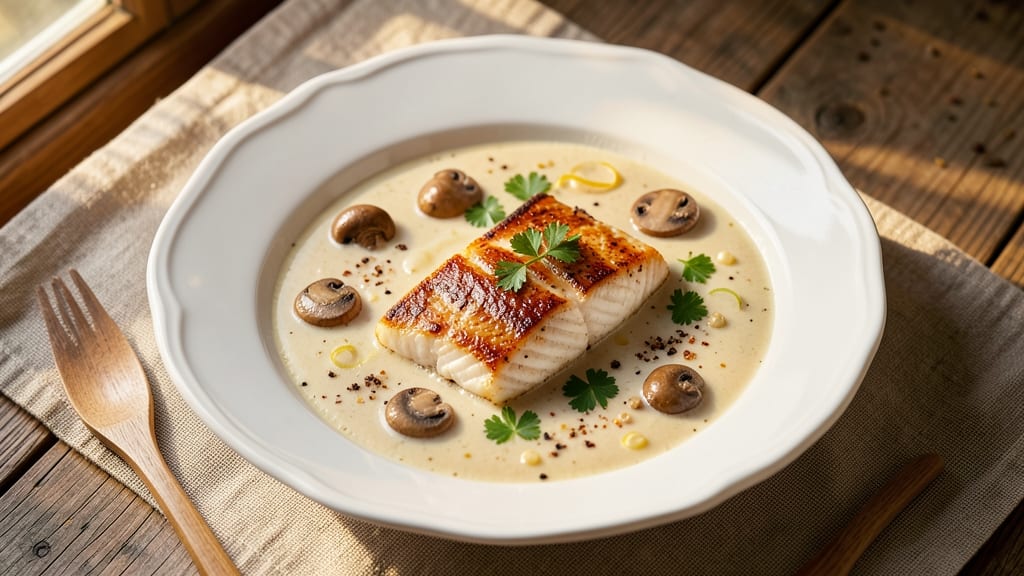
This baked fish with cream of mushroom soup recipe transforms simple white fish into a restaurant-worthy centerpiece with minimal effort. The secret lies in a velouté sauce that clings perfectly to tender flakes, creating a dish that feels indulgent yet stays light.
I've perfected this technique over years of testing—no heavy cream, no complicated steps, just a harmonious balance of rich mushroom flavor and delicate fish.
The process begins with a classic cream of mushroom soup base, thickened just enough to coat the fish without overwhelming it. You'll bake the fillets until they reach 145°F internally, ensuring they remain moist and flaky.
The sauce gets a final touch of butter and herbs, creating a velvety finish that ties everything together. This method delivers foolproof results every time, even for beginners.
What you'll end up with is perfectly cooked white fish—like cod or haddock—with a sauce that's rich yet not heavy, and edges that stay tender rather than dry. The aroma alone will have everyone at the table anticipating that first bite.
Serve with steamed vegetables or crusty bread to soak up every last drop of that velouté goodness.
Whether you're hosting dinner guests or treating yourself to a special meal, this recipe delivers restaurant-quality results with minimal fuss. The harmony between the fish and sauce is what makes it truly special—simple ingredients elevated to something extraordinary. Let's get started on creating this comforting classic.
Ingredients for baked fish with cream of mushroom soup
Twelve ingredients transform delicate white fish into a velouté masterpiece—rich, balanced, and effortlessly elegant.
| Ingredient | Amount | Notes |
|---|---|---|
| White Fish Fillets 🐟 | 1 ½ lb | Cod or haddock, skin-on preferred |
| Cream of Mushroom Soup 🍄 | 2 cups | Homemade or quality canned |
| Mushrooms 🍄 | ½ lb | Sliced, cremini or white |
| Shallots 🧅 | 2 whole | Minced, for velouté depth |
| Garlic Cloves 🧄 | 3 cloves | Minced, aromatic base |
| Unsalted Butter 🧈 | 2 tbsp | Cold, for sauce finishing |
| Fresh Parsley 🌿 | ¼ cup | Chopped, for fresh finish |
| Heavy Cream 🥛 | ¼ cup | For velouté richness |
| Dry White Wine 🍷 | ¼ cup | Sauvignon Blanc preferred |
| Chicken Broth 💧 | ½ cup | Low-sodium for balance |
| All-Purpose Flour 🌾 | 1 tbsp | For velouté thickening |
| Lemon Juice 🍋 | 1 tbsp | Fresh, for brightness |
| Salt 🧂 | 1 tsp | Kosher or sea salt |
| Ground Black Pepper 🌶️ | ½ tsp | Freshly cracked |
The fish quality makes or breaks this dish. Wild-caught cod or haddock from the seafood counter delivers the best texture—look for fillets with firm, translucent flesh and minimal brown edges. Whole Foods Market and Trader Joe's consistently carry high-quality options, or ask your fishmonger for the freshest cut. For the mushrooms, cremini or white varieties work best—their earthy depth complements the fish perfectly. Sauté them until they release their moisture, then set aside for the velouté. Shallots and garlic are non-negotiable for depth; Penzeys Spices sells pre-minced versions if you're short on time, but fresh is always better.
No heavy cream? Full-fat coconut milk works surprisingly well—just reduce the wine slightly to balance the richness. Substituting wine with extra chicken broth keeps the dish lighter, though you'll lose some complexity. For the mushrooms, portobello caps add a meatier texture if you're feeling adventurous. The flour matters here—King Arthur All-Purpose creates a silkier sauce than store-brand alternatives. If you're making this ahead, prepare the velouté first and reheat it gently before adding the fish to avoid curdling. The lemon juice should be freshly squeezed—bottled versions lack the bright acidity that cuts through the richness.
The velouté sauce reheats beautifully—simmer it gently on the stove or warm it in the microwave with a splash of water to restore its silky texture. Store the sauce separately from the fish in the fridge for up to 3 days, or freeze the sauce for 3 months in an airtight container. The fish itself cooks best just before serving, but you can prep the sauce and fillets ahead. For a restaurant-worthy presentation, serve the fish on a bed of the velouté with a sprinkle of parsley, and offer crusty bread on the side to soak up every last drop. The aroma alone will have your guests anticipating that first bite.
Why You'll Love This Recipe
- One-Pan Magic: I swear by this trick—just toss the fish, soup, and sliced mushrooms on a sheet pan, sprinkle with shallots and garlic, and bake. No pots, no pans, no stress. The cleanup is basically just wiping the same pan you cooked on.
- Umami Bomb: That cream of mushroom soup isn’t just filling—it’s packed with deep, savory flavor that makes the fish taste like it’s been simmering for hours. The caramelized mushrooms and crispy shallots? Absolute flavor gold.
- Weeknight Workhorse: Between us, this is my go-to when I need something reliable but still feels special. Serve it over rice for a quick weeknight dinner, or double the batch for a potluck where no one will guess how little effort it took.
- Budget-Friendly Luxury: Fish fillets can be pricey, but this recipe stretches them further than you’d think. The soup and mushrooms bulk it up, so you’re basically getting restaurant-quality richness for half the cost. Plus, leftovers reheat like a dream.
Step-by-step instructions for baked fish with cream of mushroom velouté
Here's the method to achieve tender, flaky fish with a velvety mushroom sauce that clings perfectly.
Prepare the Velouté Base
In a medium saucepan, melt the 2 tablespoons unsalted butter over medium heat. Add the 2 whole minced shallots and cook for 3 minutes until translucent. Stir in the 3 cloves minced garlic and cook for 30 seconds until fragrant—don't let it brown or it'll turn bitter.
Add the 0.5 pound sliced mushrooms and cook for 5 minutes until they release their moisture and begin to soften. Sprinkle the 1 tablespoon all-purpose flour over the mushrooms and stir to coat evenly. This creates a roux that will thicken our sauce beautifully. Cook for 1 minute to toast the flour slightly and remove any raw taste.
Build the Sauce Foundation
Pour in the 0.25 cup dry white wine and scrape up any browned bits from the bottom of the pan—this is where all the flavor hides. Let it simmer for 2-3 minutes until the wine has reduced by half. Then add the 2 cups cream of mushroom soup and 0.5 cup chicken broth, stirring to combine. Bring to a gentle simmer and cook for 5 minutes until slightly thickened.
Reduce heat to low and stir in the 0.25 cup heavy cream. The sauce should now be smooth and velvety. Taste and adjust seasoning with 1 teaspoon salt and 0.5 teaspoon ground black pepper. Here's the thing—this sauce needs to be perfectly balanced now because we won't be adjusting it later. If it tastes too thick, whisk in 1 tablespoon water at a time until it reaches a consistency that coats the back of a spoon.
Season and Prepare the Fish
While the sauce simmers, pat the 1.5 pound white fish fillets completely dry with paper towels—this ensures crispy skin and prevents steaming. Place the fillets skin-side down in a 9x13-inch baking dish. Season both sides generously with additional salt and pepper, then drizzle with 1 tablespoon lemon juice. This acidity brightens the fish and prevents it from becoming too rich.
Pour the prepared velouté sauce evenly over the fish, making sure each fillet is completely covered. The sauce should come about halfway up the sides of the fillets. This ensures the fish steams gently in its own juices while absorbing the rich mushroom flavor. Let the fish sit at room temperature for 10 minutes while the oven preheats to 375°F.
Bake to Perfect Doneness
Place the baking dish in the preheated oven and bake for 15-18 minutes. You'll know it's done when the fish flakes easily with a fork and the internal temperature reaches 145°F. The sauce should be bubbling gently around the edges but not boiling vigorously. If it starts to brown too quickly, tent the dish with foil.
Real talk: don't overbake. Fish continues cooking after you remove it from the oven, and overcooking turns it dry and rubbery. The moment the fish releases cleanly from the skin with gentle pressure, it's ready. Remove from oven and let rest for 5 minutes before serving—this allows the juices to redistribute throughout the fillets.
Finish and Serve
Gently spoon the sauce from the baking dish over the fish to serve. Sprinkle with 0.25 cup chopped fresh parsley just before serving for a pop of color and freshness. The sauce should be thick enough to coat the back of a spoon but still flow smoothly. If it's too thick after baking, whisk in 1 tablespoon water or chicken broth to reach your desired consistency.
Serve immediately with crusty bread or roasted vegetables to soak up that rich velouté. Each bite should deliver perfectly flaky fish with a velvety mushroom sauce that clings beautifully. The lemon brightens the richness, while the parsley adds a fresh finish. This dish proves that simple ingredients can create something truly elegant when prepared with care.
Pro Tips For Making Baked Fish With Cream Of Mushroom Soup
- Sear the Fish First: I learned this the hard way—skipping the quick sear in a hot pan means your fish stays soggy under the sauce. Hit the fillets with a little oil and 2-3 minutes per side in a screaming-hot skillet before baking; the crust keeps them from falling apart when the creamy mushroom sauce hits.
- Sauté Shallots Low and Slow: Shallots burn faster than you’d think, especially when you’re distracted by the fish. Cook them on medium-low with a splash of water or white wine for 8-10 minutes until soft and golden—no need to rush, or you’ll end up with bitter bits in your sauce.
- Don’t Overmix the Sauce: Stirring the cream of mushroom soup with raw mushrooms straight from the jar? That’s how you get a gluey mess. Sauté the mushrooms first until they release their moisture, then mix in the soup—this thickens it naturally and keeps the texture silky.
- Bake at 375°F, Not Higher: I used to crank the oven to 400°F for speed, but the fish would dry out before the sauce set. 375°F is the sweet spot—hot enough to cook through in 15-20 minutes, but gentle enough to let the creamy sauce cling instead of curdle.
Storing and reheating your leftovers
Velouté Sauce Storage
The velouté sauce can be stored separately from the fish in an airtight container in the refrigerator for up to 3 days.
The sauce reheats beautifully—simmer it gently on the stovetop over low heat for 3-5 minutes or warm it in the microwave at 50% power for 1-2 minutes with a splash of water to restore its silky texture.
I always reheat mine in a saucepan because it maintains the best consistency. 💫
Fish Prep Ahead
While the sauce stores well, the fish is best cooked fresh for optimal texture.
However, you can prep the fillets ahead by patting them dry, seasoning lightly with salt and pepper, and storing them in an airtight container lined with paper towels in the fridge for up to 12 hours.
This prevents the fish from absorbing odors and keeps it ready for quick baking. Bring to room temperature for 10 minutes before baking.
Freezing Options
For longer storage, the velouté sauce freezes exceptionally well for up to 3 months in a freezer-safe container or heavy-duty freezer bag. Leave 1 inch of headspace for expansion and label with the date.
When ready to use, thaw overnight in the fridge, then reheat gently on the stove. The sauce may thicken slightly after freezing—just whisk in 1 tablespoon water or broth to restore its original consistency.
Reheating the Complete Dish
If you must reheat the complete baked fish with sauce, do so gently to prevent the fish from drying out. Place the dish in a 350°F oven for 8-10 minutes or warm it in a skillet over low heat for 3-4 minutes.
Never microwave the fish directly—it turns rubbery. Instead, heat the sauce separately and spoon it over the fish just before serving for the best results. 🔥
Make-Ahead Tips
For a stress-free dinner, prep the velouté sauce the night before and store it in the fridge. On serving day, bake the fish fresh, then spoon the reheated sauce over the top.
This two-step approach gives you restaurant-quality results with minimal last-minute effort. I've used this method for dinner parties, and it always impresses guests without the stress of cooking everything at once.
Serving Leftovers
Leftovers keep well for 2 days in the fridge, though the fish texture will be slightly firmer. Reheat gently as described above, then serve on toasted bread or over steamed greens.
The velouté sauce makes an excellent dip for crusty bread or a creamy pasta sauce when thinned with a splash of milk. Don't let leftovers go to waste—this sauce is too good to discard! ✨
Nutrition facts
Frequently asked questions
Can I use frozen fish for this recipe?
Fresh fish is ideal for this dish, but you can use frozen fillets if thawed properly. Place the frozen fish in the fridge overnight or use the cold water method (sealed in a bag) for 20-30 minutes. Pat completely dry before baking to ensure crispy skin. Never microwave frozen fish—it creates uneven cooking and rubbery texture.
What's the best white fish for this recipe?
Cod and haddock are perfect choices—they're firm yet delicate, absorbing the sauce beautifully. Tilapia works too but has a milder flavor. For extra richness, try halibut or snapper. Avoid flaky fish like flounder or sole—they can fall apart in the sauce. Always look for fillets with firm texture and minimal brown edges.
How do I prevent the sauce from curdling when baking?
Keep the sauce at room temperature before pouring over the fish, and don't overheat it. The oven should be 375°F—any hotter risks breaking the sauce's emulsion. If the sauce starts to separate, whisk in 1 tablespoon cold water or broth to restore its smoothness. The key is gentle heat throughout the baking process.
Can I make this dish ahead of time?
Prepare the velouté sauce up to 3 days ahead and store it refrigerated. For the fish, prep it 12 hours ahead by seasoning and storing in an airtight container. On serving day, bake the fish fresh and reheat the sauce separately. Never bake the fish ahead—it loses texture when reheated. The sauce reheats beautifully in a saucepan over low heat.
What can I serve with this dish?
This rich fish pairs perfectly with light sides to balance the meal. Try steamed asparagus or roasted Brussels sprouts for freshness, or serve with crusty baguette to soak up the sauce. A simple green salad with lemon vinaigrette cuts through the richness beautifully. For a heartier meal, add mashed potatoes or wild rice pilaf.