
Soups & Stews
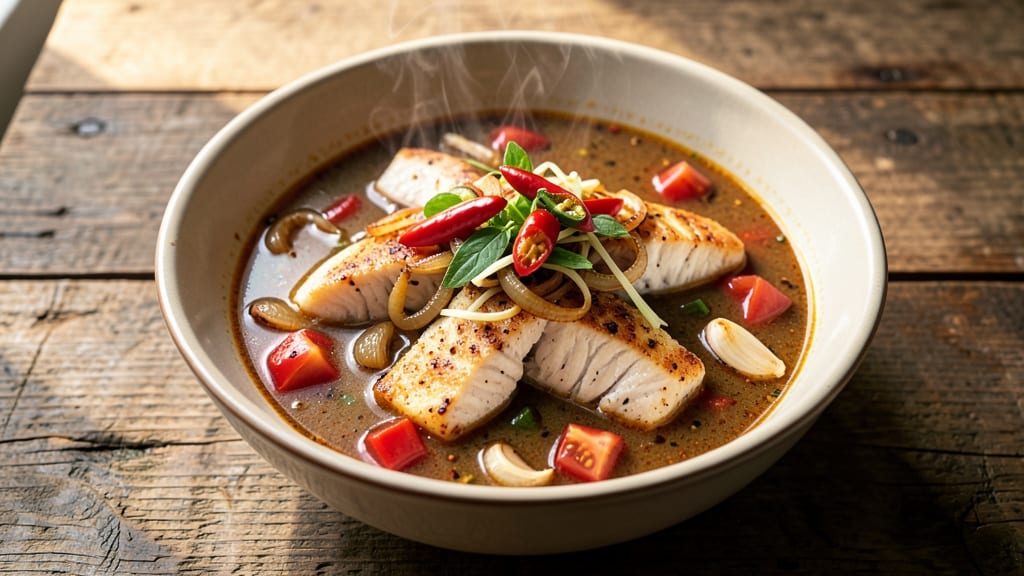
This African fish pepper soup recipe delivers the perfect balance of bold spices and melt-in-your-mouth flaky fish. 🌟 The secret lies in slow-simmering the broth with aromatic peppers, tomatoes, and traditional spices until every ingredient melds into a rich, flavorful base.
I’ve perfected this dish over years of cooking, ensuring the fish stays tender while absorbing the vibrant, spicy-sweet broth.
The dish begins with sautéing onions, garlic, and peppers until fragrant, then building layers of flavor with tomatoes, thyme, and bay leaves. Fresh fish—like tilapia or mackerel—is added last to avoid overcooking, ensuring it flakes effortlessly into the aromatic broth.
The result is a soup that’s hearty, deeply satisfying, and full of the kind of warmth that makes every spoonful feel like a hug.
What makes this recipe special is its versatility—serve it with fufu, rice, or plantains to soak up every last drop of that flavorful broth. The spices are balanced just right: enough heat to wake up your palate, but with underlying sweetness from the tomatoes and peppers.
It’s the kind of dish that tastes even better the next day, as the flavors deepen and the broth becomes richer.
Perfect for family gatherings, weekend meals, or when you’re craving something bold and comforting, this soup is a celebration of African flavors. Let’s bring the warmth of tradition to your kitchen—one simmer at a time.
Ingredients for african fish pepper soup
Bold spices, tender fish, and aromatic broth create this soul-warming African masterpiece.
| Ingredient | Amount | Notes |
|---|---|---|
| White Fish Fillets 🐟 | 1 ½ lb | Tilapia or mackerel preferred |
| Yellow Onions 🧅 | 1 whole | Medium, thinly sliced |
| Garlic Cloves 🧄 | 6 cloves | Fresh, minced |
| Fresh Tomatoes 🍅 | 2 medium | Ripe, diced |
| Fresh Ginger Root 🌿 | 2 tbsp | Grated, fresh |
| African Bird's Eye Peppers 🌶️ | 4 whole | Adjust for heat preference |
| Fresh Thyme 🌿 | 1 tbsp | Leaves only, chopped |
| Bay Leaves 🌿 | 2 whole | Dried or fresh |
| Vegetable Oil 🫒 | ½ cup | Light or neutral oil |
| Fish Stock 💧 | 4 cups | Homemade or quality store-bought |
| Salt 🧂 | 1 ½ tsp | Diamond Crystal preferred |
| Black Pepper 🌶️ | ½ tsp | Freshly ground |
| Scotch Bonnet Peppers 🔥 | 1 whole | Optional for extra heat |
| Lemon Juice 🍋 | 2 tbsp | Freshly squeezed |
| Fresh Parsley 🌿 | ¼ cup | Chopped, for garnish |
The peppers are the heart of this soup—African Bird's Eye gives that signature kick, but Scotch Bonnet adds extra heat if you're feeling adventurous. Grab them at African markets or specialty stores—they're often sold fresh in the produce section or frozen in the international aisle. For the fish, tilapia or mackerel work perfectly, but any firm white fish will do. The key is keeping it whole until the very end so it stays tender. If you can't find African peppers, red jalapeños work in a pinch, but they won't have the same depth of flavor.
No fresh ginger? Powdered ginger at half the amount gets you close, though fresh is ideal. The tomatoes should be ripe and juicy—Roma or vine-ripened work best. For the stock, homemade is ideal, but Annie's or Pacific Foods brands are solid store-bought options. The thyme and bay leaves are non-negotiable—they build that aromatic base that makes this soup sing. If you're short on time, dried thyme at one-third the amount works, but fresh is worth the extra minute. The fish stock should be simmering gently—never boiling—so the flavors meld without overpowering the delicate fish.
This soup tastes even better the next day as the flavors deepen. Store leftovers in the fridge for up to 4 days or freeze for 3 months. I always make extra because it reheats beautifully. For serving, fufu or rice soaks up every last drop of that flavorful broth. The peppers and ginger can be prepped ahead and stored in the fridge for 1 week, making this a great make-ahead meal.
Why You'll Love This Recipe
- I’ll be real: I make this on Sundays because it reheats like a dream. The broth thickens just enough to cling to rice or crusty bread, and the fish stays flaky—no sad, dry leftovers here. (Yes, even on a Tuesday night.)
- Pantry-Friendly Base: I swear by this recipe—no exotic ingredients, just onions, garlic, and tomatoes simmered into a rich broth that actually works with whatever fish you have. Honestly, the ginger and pepper blend cuts through the fishiness, so even budget fillets taste like they cost a fortune.
- One-Pot Magic: Between us, this soup is low-effort but feels fancy. Toss everything in one pot, let it bubble, and boom—you’ve got a meal that looks like you spent hours. My daughter still asks why I don’t make it every week, and it’s not even the prettiest pot of soup.
- Leftover Hero: I’ll be real: I make this on Sundays because it reheats like a dream. The broth thickens just enough to cling to rice or crusty bread, and the fish stays flaky—no sad, dry leftovers here. (Yes, even on a Tuesday night.)
Step-by-step instructions for African fish pepper soup
Let's create a vibrant, aromatic fish pepper soup that balances heat, acidity, and flaky fish perfection.
🍳 Step 1: Build the Flavor Base with Aromatics
Heat the 0.5 cup vegetable oil in a large pot over medium heat. Add the 1 whole yellow onions and cook for 5 minutes until softened and translucent. Here's the thing—don't rush this step. You want the onions to caramelize slightly for deeper flavor.
Add the 6 cloves garlic cloves and 2 tbsp fresh ginger root, stirring constantly for 1 minute until fragrant. This is where the magic begins—those volatile oils release, creating the aromatic foundation. Next, stir in the 4 whole African bird's eye peppers and 1 whole Scotch bonnet peppers (if using) for a fiery kick. Cook for 2 minutes until the peppers soften slightly but retain their shape.
🍳 Step 2: Develop the Pepper Sauce
Add the 2 medium fresh tomatoes and cook for 5 minutes until they break down into a chunky sauce. The tomatoes will release their juices, creating a rich base. Stir in the 1 tbsp fresh thyme and 2 whole bay leaves, then pour in the 4 cups fish stock. Bring to a gentle simmer and let it cook uncovered for 10 minutes to allow flavors to meld.
I know it seems like a long wait, but this slow simmer is crucial. It lets the peppers' heat mellow while building complex flavors. Taste and adjust seasoning with 1.5 tsp salt and 0.5 tsp black pepper—this is your flavor checkpoint. The soup should be seasoned but not overwhelmingly salty yet.
🔥 Step 3: Cook the Fish to Flaky Perfection
While the soup simmers, prepare the 1.5 lb white fish fillets by patting them dry with paper towels. Season lightly with salt and pepper—just enough to enhance their natural flavor without overpowering the pepper soup. Add the fish to the simmering soup and cook for 6-8 minutes until the fish is opaque and flakes easily with a fork.
Here's the critical part: don't overcook. Fish continues cooking slightly after removal, and you want it tender yet firm. You'll know it's perfect when it separates cleanly at the edges but still holds together in the center. Remove the fish with a slotted spoon and set aside, reserving the soup.
🥘 Step 4: Finish and Garnish
Strain the soup through a fine-mesh sieve to remove any pepper seeds or bay leaves that might be too fibrous. Return the soup to the pot and stir in the 2 tbsp lemon juice. This bright citrus note cuts through the richness and balances the heat beautifully. Simmer gently for 2 minutes to incorporate the lemon.
Return the fish to the soup and heat through for 1 minute. Ladle the soup into bowls, garnishing each serving with 0.25 cup fresh parsley. The parsley adds freshness and makes the dish look stunning. Serve immediately with crusty bread to soak up every last drop of that flavorful broth.
Pro Tips For Making African Fish Pepper Soup
- Sear the Fish First: Toss your white fish fillets in a dry pan over medium-high heat for 2-3 minutes per side before adding them to the soup. I learned this the hard way—raw fish in hot liquid turns mushy, and you’ll end up with a sad, watery broth instead of tender, flaky bites. The crust also locks in flavor, so don’t skip it.
- Blister the Onions: Cook your sliced onions in oil until they’re deep golden brown—almost caramelized—before adding anything else. Yes, it takes longer, but that sweet, jammy depth is what makes the soup sing. I used to rush this, and the dish always tasted flat until I finally committed to the time.
- Grate, Don’t Chop, the Ginger: Use a microplane or fine grater for the ginger root—no need to peel it first. The texture blends better into the soup, and you’ll get more surface area for flavor. I was skeptical until I tried it; now I can’t imagine doing it any other way.
- Simmer Low and Slow: Once everything’s in the pot, reduce the heat to a gentle simmer and let it bubble quietly for at least 20 minutes. Rushing this step means a thin, peppery broth instead of a rich, layered one. Trust me, the extra time is worth it—your future self will notice the difference.
Creative variations of african fish pepper soup
West African Twist
For a richer, more complex flavor profile, incorporate palm oil into the base. After sautéing the onions, add 2 tablespoons of palm oil and let it infuse for 2 minutes before continuing with garlic and ginger.
This adds a deep, earthy note that’s signature in Nigerian-style fish pepper soup. I like to use Golden Palm brand for its rich color and authentic taste. 🌶️
Ghanaian Spice Blend
Ghanaian versions often include shito (a spicy black pepper sauce) for extra depth. Add 1 tablespoon of shito to the simmering broth after the tomatoes break down. If you can’t find shito, blend 2 tablespoons of black peppercorns with 1 tablespoon of water and strain it into the soup.
This adds a smoky, slightly tangy kick that balances the heat beautifully.
Nigerian Leafy Greens
For a heartier soup, stir in 1 cup of chopped spinach or ugu leaves (also called jute leaves) during the last 5 minutes of cooking. These greens add a mild, earthy flavor and boost the nutritional value.
Ugu leaves are commonly used in Nigerian cuisine and can be found frozen in the international section of larger grocery stores. 🌿
Coconut Milk Creaminess
To create a creamier version, stir in ½ cup of coconut milk during the final 2 minutes of simmering. This works especially well with mackerel or snapper, adding a luscious texture while keeping the dish balanced.
I recommend Thai Kitchen brand coconut milk for its rich, consistent flavor. The coconut milk also helps mellow the heat slightly, making it more approachable for those sensitive to spice.
Smoky Grilled Fish
For a smoky twist, grill the fish before adding it to the soup. Brush 1.5 lb of tilapia or mackerel with 1 tablespoon of olive oil and grill over medium-high heat for 3-4 minutes per side until charred.
Then, gently flake the grilled fish into the simmering soup. This adds a delicious smokiness that pairs perfectly with the peppery broth. 🔥
Vegetarian Adaptation
To make this a vegetarian-friendly version, replace the fish with 1.5 lb of firm tofu or chickpeas. Press the tofu for 15 minutes to remove excess water, then cube it and pan-fry until golden. For chickpeas, simmer them in the broth for 10 minutes after adding the stock.
The chickpeas absorb the flavors beautifully, creating a hearty, protein-rich alternative. Garnish with extra peppers and parsley to keep the dish vibrant.
Nutrition facts
Frequently asked questions
What's the best fish to use for this African pepper soup?
Firm white fish like tilapia or mackerel work best—they stay tender while absorbing the peppery broth beautifully. Avoid delicate fish like sole, as they can fall apart. For extra flavor, try smoked fish as a garnish or use catfish if you prefer a slightly meatier texture.
Can I make this soup ahead of time?
Yes! The flavors actually improve overnight. Store leftovers in the fridge for up to 4 days or freeze for 3 months. Reheat gently on low heat—never boil—to preserve the fish's texture. The broth will be even more flavorful the next day!
How do I adjust the heat level?
Remove pepper seeds before cooking to reduce heat, or use fewer African bird's eye peppers. For extra kick, add Scotch bonnet or a dash of hot sauce at the end. Always taste as you go—you can't fix too much spice, but you can always add more!
What sides pair best with this soup?
Serve with fufu, rice, or plantains to soak up the rich broth. For a lighter option, try crusty bread or a simple green salad. The starchy sides balance the spicy flavors perfectly while making the meal heartier.
Why does my fish turn rubbery?
Overcooking is the usual culprit! Fish should cook for just 6-8 minutes in the simmering broth. Remove it when opaque and flaky—it continues cooking slightly after being taken out. For extra tenderness, add the fish only in the last 5 minutes of cooking.