
Soups & Stews
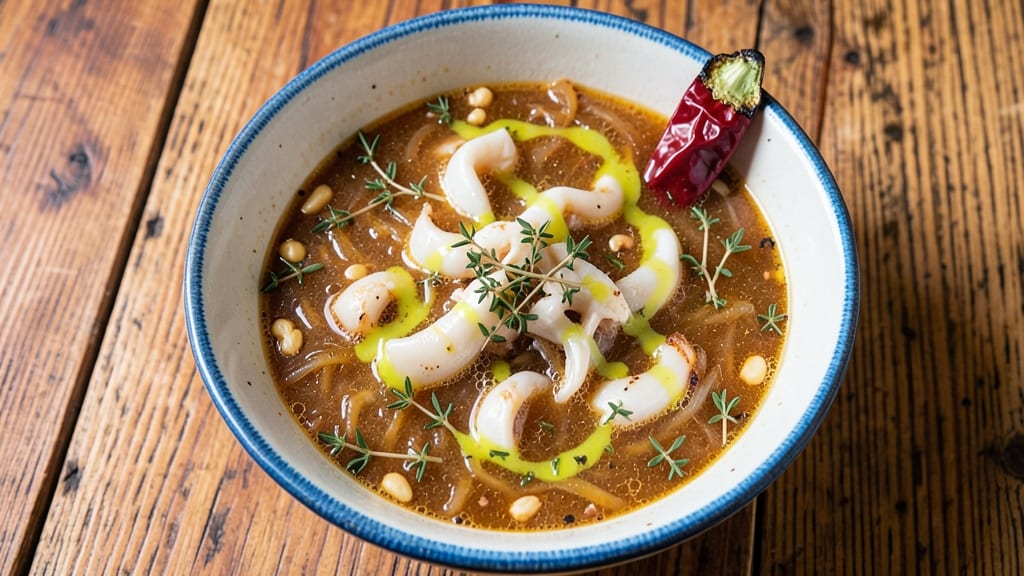
This Bahamian conch soup recipe delivers the bold, aromatic flavors of the Bahamas in every spoonful—where spiced rum, citrus, and tender conch create a symphony of taste. The dish is a staple in Bahamian cuisine, traditionally simmered for hours to develop deep, complex flavors that balance heat, tang, and richness.
What makes this recipe special is the harmony of Scotch bonnet peppers, thyme, and a splash of dark rum, which infuses the broth with warmth and depth.
The secret to authentic conch soup lies in the slow cooking process, where conch meat becomes tender and the broth transforms into a velvety, flavorful base. Unlike many soups, this one relies on a one-pot method, making it both convenient and foolproof for home cooks.
The dish is traditionally served with steamed rice or fried plantains, but it stands strong on its own as a hearty, satisfying meal.
By the time you finish this recipe, you’ll have a creamy, aromatic soup with perfectly cooked conch—firm yet tender, infused with the bright citrus notes of lime and the subtle heat of Scotch bonnet.
The broth will be rich and inviting, with layers of flavor that make every bite feel like a taste of the Bahamas. This is more than just a soup; it’s a celebration of Caribbean culinary tradition.
The best part? This recipe scales effortlessly, whether you’re feeding a family or hosting a gathering. The slow simmer ensures the flavors meld beautifully, while the addition of spices like allspice and bay leaves adds an extra layer of authenticity.
Ready to bring a taste of the Bahamas to your kitchen? Let’s get started.
Ingredients for bahamian conch soup
Sixteen ingredients blend Caribbean heat, citrus brightness, and slow-simmered depth for authentic Bahamian conch soup.
| Ingredient | Amount | Notes |
|---|---|---|
| Fresh Conch Meat 🦪 | 2 lbs | Cleaned, deveined, firm texture |
| Yellow Onion 🧅 | 1 whole | Diced, medium size |
| Scotch Bonnet Pepper 🌶️ | 2 whole | Seeds removed, mild heat |
| Fresh Thyme 🌿 | ¼ cup | Stems removed, chopped |
| Garlic Cloves 🧄 | 6 cloves | Peeled, minced |
| Fresh Lime 🍋 | 2 whole | Juiced, zest reserved |
| Dark Spiced Rum 🍹 | ½ cup | Like Appleton Estate |
| Tomato Paste 🍅 | 2 tbsp | Smooth, no sugar added |
| Bay Leaves 🌿 | 2 whole | Dried, standard size |
| Ground Allspice 🌶️ | 1 tsp | Freshly ground preferred |
| Vegetable Oil 🫒 | ¼ cup | High smoke point |
| Fresh Cilantro 🌿 | ¼ cup | Chopped, for garnish |
| Sea Salt 🧂 | 1 ½ tsp | Kosher preferred |
| Ground Black Pepper 🌶️ | ½ tsp | Freshly ground |
| Heavy Cream 🥛 | ½ cup | Full-fat for richness |
Conch is the heart of this dish, so source it fresh from a Caribbean market or seafood counter—look for plump, opaque pieces with a clean ocean scent. If you can't find fresh, frozen conch works too, but thaw it overnight in the fridge. The Scotch bonnet peppers are non-negotiable for authentic heat—Trader Joe's often carries them, or check Latin markets. For the rum, Appleton Estate or Hampden Estate deliver that molasses-rich depth. If you're using fresh thyme, grab extra—half goes in the pot, half gets sprinkled on top at the end.
No Scotch bonnet? Habanero at half the amount brings similar heat, though the flavor won't be identical. Substituting rum with dark beer or extra tomato paste> can mimic some of the depth, but you'll lose that signature Caribbean warmth. Fresh thyme is ideal, but dried at one-third the amount works in a pinch. For the cream, coconut milk> adds tropical notes that pair beautifully. The tomato paste can be swapped for fresh tomatoes puréed>, but it won't have the same concentrated flavor. If you're avoiding dairy, coconut cream> is a perfect substitute for the heavy cream.
This soup tastes even better the next day as flavors meld—4-5 days> in the fridge, 3 months> frozen. Store the conch separately if reheating to keep it firm. The broth freezes beautifully, so make extra for quick lunches. Garnish with fresh cilantro just before serving—it wilts fast, so add it last. For a restaurant-worthy touch, serve with steamed jasmine rice> or crispy fried plantains on the side.
Why You'll Love This Recipe
- One-Pot Magic: The conch, onions, and garlic all simmer together in the same pot—no chopping boards to clean, no extra dishes. Honestly, I’ve made this while chatting on the phone, and it still tastes like I slaved over it.
- Spice That Stays: That Scotch bonnet pepper doesn’t just vanish—it lingers in every bite, bright and zesty, while the thyme adds earthy warmth. Between us, the first sip is always the best, but the last is what keeps me coming back.
- Crowd-Pleaser Any Day: Whether it’s a Sunday brunch with neighbors or a quick lunch for coworkers, this soup disappears fast. I’ve served it at potlucks, and even the people who "don’t like seafood" ask for seconds.
- Leftovers? Better Than Fresh: The flavors deepen overnight, and reheating it is a breeze—just a splash of water, a minute on the stove. My freezer’s always stocked with this because it’s my go-to when I’m too tired to cook. (Yes, even on a Tuesday night.)
Step-by-step instructions for Bahamian conch soup
Transform fresh conch into a rich, aromatic Bahamian soup with deep spiced rum and citrus notes.
Sauté Aromatics Until Fragrant
Heat the 0.25 cup vegetable oil in a large pot over medium heat. Add the 1 whole diced yellow onion and cook for 5 minutes until softened and translucent. Stir in the 6 cloves minced garlic cloves and cook for 1 minute until fragrant.
Add the 2 whole Scotch bonnet pepper (seeds removed) and cook for 2 minutes until slightly softened but still vibrant. Stir in the 0.25 cup chopped fresh thyme, 1 tsp ground allspice, and 1.5 tsp sea salt. Cook for 1 minute to toast the spices and release their aromas. This aromatic base forms the flavor foundation of the soup.
Build the Rum and Tomato Base
Pour in the 0.5 cup dark spiced rum and scrape up any browned bits from the bottom of the pot. Let it simmer for 3 minutes until partially reduced and the alcohol aroma dissipates. Stir in the 2 tbsp tomato paste and cook for 2 minutes until fully incorporated.
Add 2 whole bay leaves and pour in 4 cups water (or enough to cover the conch). Bring to a gentle boil, then reduce heat to medium-low. The soup should simmer gently—this prevents the conch from becoming rubbery and allows flavors to meld properly.
Simmer the Conch Until Tender
Add the 2 lbs fresh conch meat to the simmering liquid. Partially cover the pot and cook for 20-25 minutes until the conch is fork-tender but still holds its shape. Stir occasionally to prevent sticking, and add ½ cup water if the liquid reduces too much.
Here's the thing—conch should be tender but not falling apart. You'll know it's ready when it easily pulls apart with a fork but maintains some structure. The cooking time varies slightly based on freshness, so check at the 20-minute mark if you're unsure.
Finish with Citrus and Cream
Remove the pot from heat and stir in the juice of 2 whole fresh lime and the zest of 1 whole fresh lime. Add the 0.5 cup heavy cream and simmer gently for 2 minutes to warm through. The cream adds richness while the lime brightens the flavors.
Remove and discard the 2 whole bay leaves. Taste and adjust seasoning with additional sea salt or ground black pepper if needed. The soup should be rich, slightly spicy, and bright with citrus notes. If it's too thick, add a splash of water to reach your desired consistency.
Serve with Fresh Garnishes
Ladle the soup into bowls and garnish with 0.25 cup chopped fresh cilantro. Serve immediately with crusty bread or over steamed rice to soak up the flavorful broth. The conch should be tender, the broth rich and aromatic, and each spoonful should deliver a perfect balance of spice, citrus, and depth from the rum.
Pro Tips For Making Bahamian Conch Soup
- Sear the Conch First: Hit the conch with a quick sear in oil—just 2-3 minutes—before adding liquids. I learned this the hard way when my soup tasted bland; that initial crust locks in flavor and keeps the meat from turning mushy later.
- Trim the Scotch Bonnet: Remove all seeds and membranes from the pepper—even a tiny bit left behind will make your soup painfully hot instead of just spicy. Use a knife to score the pepper lengthwise first, then scrape out the guts with your thumbnail.
- Simmer, Don’t Boil: Keep the soup at a gentle simmer (tiny bubbles, occasional swirls) for at least 20 minutes. I used to rush it, and the conch ended up rubbery; low and slow keeps it tender without falling apart.
- Toast the Thyme Leaves: Strip the thyme sprigs and dry-toast the leaves in oil for 30 seconds before adding them to the pot. Sounds weird, but it works—it deepens the herbal aroma way more than fresh leaves alone. (Yes, even if you’re impatient like me.)
Essential equipment for this dish
Large Pot Essentials
Start with a heavy-bottomed Dutch oven (I love my Le Creuset 6-quart)—it distributes heat evenly and prevents scorching during the long simmer. A 6-8 quart capacity ensures enough room for the conch to move freely without crowding.
If you don’t own one, a stainless steel stockpot with a tight-fitting lid works too. 🔥
Precision Thermometer
Conch needs gentle cooking to stay tender without turning rubbery. A thermometer (I use Thermoworks Thermapen ONE) helps maintain medium-low heat (around 180°F) during simmering. This prevents the broth from boiling vigorously, which can toughen the conch. It’s a small investment that makes a big difference.
Wooden Spoon
A wooden spoon (like OXO Good Grips) is your best friend for stirring without scratching the pot. It’s gentle on the conch’s delicate texture and won’t react with acidic ingredients like metal utensils. Plus, it’s heat-resistant for long simmering sessions. Avoid plastic—it can melt or warp under high heat.
Fine-Mesh Strainer
If you prefer a smoother broth, a fine-mesh strainer (I recommend Hamilton Beach) lets you strain out any unwanted bits before serving. It’s especially useful if your conch has a slightly gritty texture.
For a rustic touch, skip straining—just ladle the soup directly into bowls with the conch pieces intact.
Citrus Zester
A citrus zester (like Microplane) is key for brightening the soup with fresh lime zest. It creates fine, even strips that dissolve beautifully into the broth without adding seeds.
If you don’t have one, a grater works, but it’s messier and less precise. The zest adds a fragrant, aromatic layer that balances the spice.
Lid with Vent
Use a lid with a vent (or slightly ajar lid) to let steam escape while keeping the pot sealed. This prevents the broth from reducing too quickly and helps the conch cook evenly.
A stainless steel lid with a small hole or a glass lid works best. Avoid plastic—it can warp and release unwanted chemicals when heated.
Nutrition facts
Frequently asked questions
Can I substitute conch with another seafood?
While conch is the star, you can use firm white fish like halibut or snapper in a pinch. For texture, try shredded chicken or shrimp, but the flavor won't be identical. Conch's unique sweetness comes from its mineral-rich environment—no substitute perfectly mimics it, but these options work in a bind.
How do I know when conch is properly cooked?
Conch should be fork-tender but not falling apart—it should pull apart easily with slight resistance, like perfectly cooked scallops. Test at 20 minutes if unsure. Overcooking makes it rubbery, while undercooking leaves it chewy. The broth should also be rich and aromatic, not watery.
Can I make this soup in a slow cooker?
Use low heat for 4-5 hours instead of stovetop simmering. Add all ingredients except cream and lime (stir those in at the end). The slow cooker's gentle heat preserves the conch's tenderness better than high heat. Just check occasionally to prevent drying out.
Why does my soup taste too spicy?
Scotch bonnet peppers pack serious heat! Reduce next time by using half a pepper or removing seeds entirely. For immediate balance, stir in 1 tbsp coconut milk> or extra lime juice. The cream helps too—it coats the palate and mellows the heat naturally.
What's the best way to reheat leftovers?
Reheat gently on low heat> or in the microwave with a splash of water to prevent drying. Never boil—it makes conch rubbery. For best results, store broth separately and reheat conch pieces in their own container, then combine before serving.