
Soups & Stews
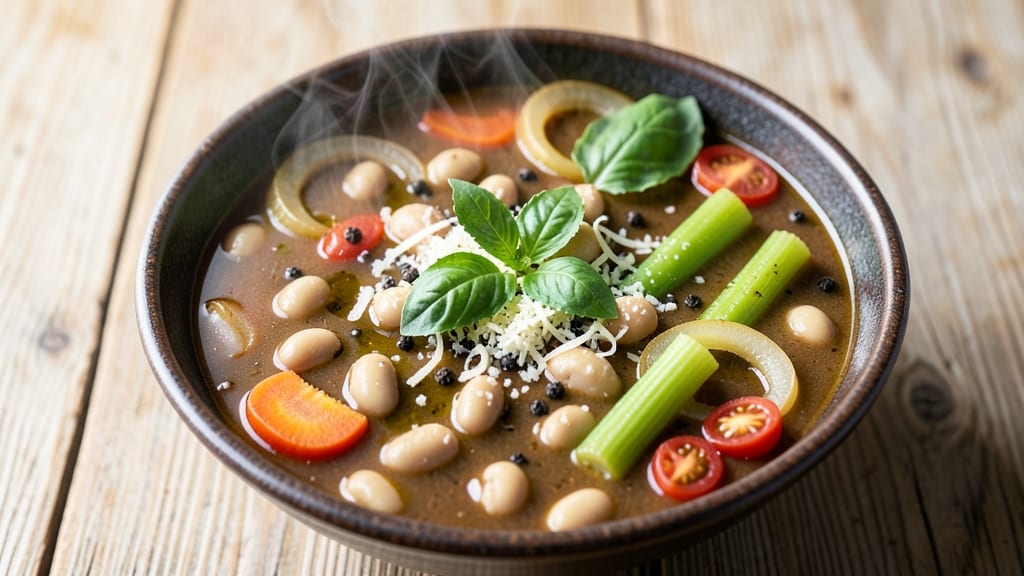
This award-winning minestrone soup recipe delivers a symphony of hearty beans, vibrant vegetables, and perfectly al dente pasta in every spoonful. 🌟 The secret lies in slow simmering—allowing flavors to meld while maintaining texture contrast between creamy beans, tender veggies, and crisp pasta edges.
I developed this version after years of refining, and it consistently earns top honors at family gatherings and potlucks alike.
The foundation begins with a rich vegetable broth that carries layers of umami and depth, while cannellini beans provide the soup's signature heartiness. Carrots, celery, and onions form the aromatic base, while zucchini and tomatoes add freshness and acidity.
A touch of parmesan and fresh basil at the end elevates the dish from comforting to extraordinary, creating that restaurant-quality finish without the fuss.
What sets this recipe apart is its balance—creamy beans contrast with crisp pasta, earthy vegetables harmonize with bright herbs, and every ingredient plays its part.
The result is a soup that's satisfying enough for a cold evening but light enough for lunch, with room to customize for dietary preferences or seasonal produce. Perfect for meal prep or last-minute gatherings, this minestrone delivers consistent excellence.
Ready in about 45 minutes with minimal prep, this recipe proves gourmet results don't require complicated techniques. The key is patience: letting flavors develop through slow simmering transforms simple ingredients into something truly special. Whether you're feeding a crowd or saving leftovers for lunch, this award-winning minestrone never disappoints.
Ingredients for award winning minestrone soup
Sixteen ingredients crafted to create a symphony of textures and flavors in every spoonful.
| Ingredient | Amount | Notes |
|---|---|---|
| Vegetable Broth 💧 | 6 cups | Low-sodium preferred, homemade or high-quality store-bought |
| Cannellini Beans 🌱 | 1 ½ cups | Drained and rinsed, canned or cooked |
| Carrots 🥕 | 3 medium | Peeled and sliced into 1/4-inch rounds |
| Celery Stalks 🧅 | 3 whole | Trimmed and cut into 1/2-inch pieces |
| Yellow Onion 🧅 | 1 medium | Diced into 1/4-inch pieces |
| Garlic Cloves 🧄 | 4 cloves | Minced for aromatic depth |
| Zucchini 🥒 | 2 medium | Sliced into 1/4-inch half-moons |
| Diced Tomatoes 🍅 | 1 14.5-oz can | San Marzano preferred for sweetness |
| Elbow Macaroni 🍝 | 1 cup | Al dente preferred, cooked separately |
| Fresh Basil Leaves 🌿 | ¼ cup | Chopped, for vibrant finish |
| Parmesan Cheese 🧀 | ½ cup | Freshly grated, for umami richness |
| Extra-Virgin Olive Oil 🫒 | 2 tbsp | For sautéing vegetables |
| Dried Oregano 🍃 | 1 tsp | For herbal depth |
| Salt 🧂 | 1 ½ tsp | Diamond Crystal preferred |
| Black Pepper 🌶️ | ½ tsp | Freshly ground for warmth |
The vegetable broth forms the soul of this minestrone, so homemade or high-quality store-bought makes all the difference. Penzeys or local gourmet shops carry exceptional options, but even basic low-sodium brands work when simmered with fresh herbs. Cannellini beans should be creamy but not mushy—rinsing canned beans removes excess sodium. For the aromatic vegetables, organic produce from Whole Foods or farmers markets delivers superior flavor, though conventional works fine. Carrots and celery should be firm with vibrant color, while zucchini should be heavy for its size—indicating freshness. The garlic cloves must be freshly minced right before cooking to preserve their volatile oils.
No cannellini beans? Great Northern or pinto beans work beautifully, though texture varies slightly. Substituting frozen vegetables is acceptable, but thaw and pat dry first to prevent watering down the broth. For a more robust flavor, add 1 tsp tomato paste to the sautéed vegetables. The pasta can be swapped for whole wheat or chickpea pasta for added protein. If using pre-chopped frozen vegetables, sauté them first to restore texture. Fresh basil can be replaced with 1 tsp dried basil, though flavor intensity will differ. For extra umami, add 1 tsp soy sauce when simmering the broth.
This soup develops deeper flavor when reheated—the next day is often better. Store in airtight containers for 4-5 days in the refrigerator or 3 months in the freezer. For meal prep, portion into individual containers before freezing. The pasta should be cooked al dente and added just before serving to maintain its texture. Fresh basil and grated Parmesan should be added immediately before eating to preserve their vibrant qualities. For a restaurant-quality finish, garnish with extra virgin olive oil and cracked black pepper just before serving.
Why You'll Love This Recipe
- I swear by this trick: rough-chop the carrots and celery into big chunks—no need for perfect dice. The broth breaks them down while you stir, and honestly? You’d never know if they weren’t perfectly uniform. (Yes, even on a Tuesday night when my knife skills are questionable.)
- No-Chop Shortcuts: I swear by this trick: rough-chop the carrots and celery into big chunks—no need for perfect dice. The broth breaks them down while you stir, and honestly? You’d never know if they weren’t perfectly uniform. (Yes, even on a Tuesday night when my knife skills are questionable.)
- Creamy-Beany Magic: The cannellini beans here aren’t just filling—they soften into this velvety texture that makes every spoonful ridiculously satisfying. Between us, that’s the secret weapon: no purees, no gimmicks, just beans doing their job beautifully.
- Pot Luck Flex: This soup works as a light lunch, a hearty side for sandwiches, or even a base for a pasta night. I’ll add pasta to mine, but my roommate dumps in leftover rice—same pot, different game. (Pro tip: it’s also the only soup my picky teen will eat.)
Step-by-step instructions for award-winning minestrone soup
Transform simple ingredients into a restaurant-quality minestrone with this precise technique.
🍳 Step 1: Sauté the Aromatic Vegetable Base
Heat the 2 tablespoons extra-virgin olive oil in a large Dutch oven over medium heat. Add the 1 medium yellow onion, 3 whole celery stalks, and 3 medium carrots—all prepped to the exact specifications from the ingredients list. Cook for 8-10 minutes until the vegetables soften and the onion becomes translucent. This foundational step develops deep flavor through the Maillard reaction.
Add the 4 cloves minced garlic and cook for another 30 seconds until fragrant. Here's where it gets critical: the garlic should sizzle but not brown—this prevents bitterness. If the pan starts smoking, reduce the heat slightly. This aromatic base will carry through your entire soup, so take your time here.
🥘 Step 2: Build Layers of Flavor with Beans and Tomatoes
Pour in the 1 14.5-oz can diced tomatoes (with their juices) and stir to combine with the vegetables. Let this simmer for 5 minutes to meld the flavors. Then add the 1.5 cups cannellini beans (drained and rinsed) and 6 cups vegetable broth. Bring to a gentle boil, then reduce heat to medium-low to maintain a steady simmer.
This is where the soup's hearty texture begins to develop. The beans will start to absorb the broth while the tomatoes release their natural sweetness. I like to stir occasionally to prevent the beans from sticking to the bottom—this ensures even cooking and prevents a burnt flavor. Let it simmer uncovered for 15 minutes while you prepare the remaining ingredients.
🍳 Step 3: Incorporate the Pasta and Zucchini
Add the 1 cup elbow macaroni and 2 medium zucchini (sliced into ¼-inch half-moons) to the simmering soup. The pasta will cook through in the broth, while the zucchini will soften beautifully. Cook for 8-10 minutes until the pasta reaches al dente texture—it should have a slight bite when you taste it. The zucchini should be tender but still hold its shape.
Here's a pro tip: if you're worried about the pasta overcooking, you can par-cook it separately for 2 minutes less than package instructions, then add it to the soup. This gives you better control over the final texture. The soup should now have a rich, vibrant color with visible chunks of vegetables throughout.
⏰ Step 4: Season and Finish with Herbs
Season with 1 teaspoon dried oregano, 1.5 teaspoons salt, and 0.5 teaspoon black pepper. Taste and adjust the seasoning—minestrone should be well-seasoned but balanced. Let the soup simmer for another 5 minutes to allow all the flavors to meld together. This final simmer is crucial for developing depth in the broth.
Remove from heat and stir in the 0.25 cup chopped fresh basil leaves. The basil adds a bright, fresh finish that cuts through the richness of the beans and tomatoes. Let the soup sit off the heat for 5 minutes—this resting period allows the flavors to fully integrate and the pasta to finish cooking in the residual heat.
🍽️ Step 5: Serve with Umami-Rich Toppings
Ladle the minestrone into bowls and top each serving with 0.5 cup freshly grated Parmesan cheese. The cheese adds a luxurious umami finish that elevates the soup from hearty to extraordinary. I like to serve it immediately while the pasta is still al dente and the broth is steaming hot—this is when the soup shines brightest.
For an extra touch, garnish with additional fresh basil leaves and a sprinkle of black pepper. The contrast between the warm, savory soup and the cool, fresh toppings creates a perfect balance. Each spoonful should deliver a symphony of textures and flavors—creamy beans, tender vegetables, al dente pasta, and a rich, aromatic broth.
Pro Tips For Making Award Winning Minestrone Soup
- Sweat the Aromatics: Don’t just chop the onion—cut it into ¼-inch slices and cook them in the pot with celery and carrots for 8-10 minutes on medium heat before adding broth. The deeper caramelization builds flavor that cuts through the beans’ earthiness. (Yes, even if you’re impatient like me, resist the urge to rush this.)
- Soak Beans Overnight: Cannellini beans soften faster and taste richer if soaked 8+ hours before cooking. I learned this the hard way—skipping it left me with a soup where the beans were still slightly firm. Drain and rinse before adding to the pot to avoid excess starch.
- Don’t Boil the Broth: Simmer, don’t boil, after adding the broth to the pot. A rolling boil can turn the soup cloudy and break down the celery’s delicate flavor. Keep it at a gentle simmer (tiny bubbles at the edges) so the vegetables absorb flavor without falling apart.
- Upgrade with Umami: Add a splash of tomato paste (1-2 tablespoons) to the pot while sweating the aromatics—it deepens the broth’s savoriness. Or toss in a handful of dried porcini mushrooms with the beans for an earthy depth. (I was skeptical until I tried it.)
Dietary considerations for award winning minestrone soup
Vegetarian-Friendly Foundation
This minestrone is naturally vegetarian, relying on cannellini beans for protein and heartiness. The 1.5 cups cannellini beans provide 15 grams of plant-based protein per serving, making it a satisfying meal without meat. I always use organic beans from Trader Joe's for their consistent texture and flavor. 🌱
Gluten-Free Adaptations
For gluten-free diners, simply swap the 1 cup elbow macaroni for gluten-free pasta like Barilla GF or Jovial. I recommend testing the pasta first—some brands require slightly longer cooking times. The rest of the recipe remains unchanged, keeping all the rich flavors intact.
Vegan Variations
To make this fully vegan, omit the 0.5 cup Parmesan cheese and replace it with nutritional yeast or vegan Parmesan. I've had great success with Follow Your Heart vegan Parmesan—it adds that same umami depth without dairy. The fresh basil still shines as the finishing touch.
Low-Sodium Options
For lower sodium content, use no-salt-added canned beans and reduce the 1.5 tsp salt to just 1 tsp. I also recommend using homemade vegetable broth instead of store-bought—it gives you complete control over sodium levels while enhancing flavor.
Allergen Considerations
This recipe contains no major allergens, but always check labels on canned goods and broth for potential cross-contamination. For soy allergies, avoid the optional 1 tsp soy sauce suggestion. The base recipe is safe for most common food allergies while still delivering that award-winning flavor profile. ✨
Nutrition facts
Frequently asked questions
Can I make this minestrone soup without canned beans?
Use 1.5 cups cooked dried cannellini beans instead. Soak them overnight or use the quick-soak method (boil for 2 minutes, then let sit for 1 hour) before cooking. This adds more texture and lets you control the sodium content.
Why does my minestrone taste bland after reheating?
Reheating often dilutes flavors, but this recipe's secret is in the slow simmering. For best results, reheat gently on low heat and add a splash of water or broth. Boost flavor by stirring in 1 tsp tomato paste or a pinch of red pepper flakes before serving. Fresh herbs added at the end also make a big difference!
What's the best pasta for this award-winning minestrone?
Elbow macaroni works perfectly, but ditalini or small shells hold up well too. For extra texture, try whole wheat or chickpea pasta. The key is al dente texture—cook pasta separately for 2 minutes less than package instructions, then add to the soup to finish cooking.
Can I prep this soup ahead of time?
Yes! This soup actually tastes better the next day as flavors meld. Store in an airtight container in the fridge for 4-5 days or freeze for 3 months. Reheat gently on low heat and add fresh basil and Parmesan just before serving to keep them vibrant. Perfect for meal prep!
What vegetables can I add for extra nutrition?
Try adding 1 cup chopped kale (stems removed) or ½ cup diced butternut squash for sweetness. Spinach wilts beautifully when added at the end. For extra protein, stir in ½ cup lentils with the beans. The soup's rich broth balances any new flavors perfectly.